
The stock market, often perceived as a complex, almost mythical entity, is in reality a pivotal mechanism at the heart of the global financial system. Far from being merely a casino for the wealthy or a source of sensational headlines, it serves fundamental roles that impact individuals, corporations, and entire economies. At its core, the stock market is an organized marketplace where shares of publicly traded companies are bought and sold. But its functions extend far beyond simple transactions, acting as a crucial conduit for capital formation, wealth creation, economic growth, and even a barometer of economic health. Understanding what the stock market does is essential for anyone looking to navigate personal finance, invest for the future, or simply comprehend the forces shaping our modern world. It is a dynamic ecosystem that channels savings into productive investments, fuels innovation, and democratizes access to corporate ownership, albeit with inherent risks and complexities.

The Stock Market’s Core Function: Facilitating Capital Formation and Investment
The primary purpose of the stock market is to enable companies to raise capital for growth and expansion, and concurrently, to provide investors with opportunities to participate in the success of these companies. This symbiotic relationship is the bedrock upon which modern economies are built.
Bridging Investors and Corporations
At its most fundamental level, the stock market acts as a sophisticated intermediary. On one side are corporations seeking funds to finance new projects, research and development, expand operations, or even pay down debt. On the other side are individual investors, institutional investors (like pension funds and mutual funds), and other entities with capital they wish to grow. By issuing shares—small units of ownership in the company—corporations can tap into this vast pool of capital. When an investor buys a share, they are essentially providing a portion of their savings to the company in exchange for an ownership stake and the potential for future returns. This process transforms passive savings into active investments that drive economic activity. Without such a mechanism, companies would be far more reliant on debt financing or private funding, which can be less flexible and accessible, especially for nascent or rapidly expanding ventures.
Driving Economic Growth and Innovation
The capital raised through stock markets is not merely static money; it is a catalyst for economic dynamism. When companies secure funding by selling shares, they often deploy this capital to innovate, create new products, expand their workforce, build new factories, or enter new markets. These activities lead directly to job creation, increased productivity, and the development of goods and services that improve quality of life. For instance, a pharmaceutical company might raise capital through a stock offering to fund critical drug research, potentially leading to medical breakthroughs. A technology startup might use funds to scale its operations, bringing revolutionary software or hardware to a wider audience. In this way, the stock market directly contributes to technological advancement, economic competitiveness, and overall societal progress. It allows successful ideas and businesses to attract the necessary resources to scale their impact far beyond what internal capital or traditional lending could provide.
How the Stock Market Works: Mechanisms and Players
The operations of the stock market are structured through distinct segments and involve a diverse array of participants, all contributing to its functionality and integrity.
Primary Markets: IPOs and Direct Listings
The journey of a company’s shares into public hands typically begins in the primary market. This is where companies issue new securities for the first time. The most well-known mechanism is the Initial Public Offering (IPO), where a private company sells its shares to the public for the first time, becoming “publicly traded.” This process is usually managed by investment banks, who underwrite the offering, help determine the share price, and distribute the shares to investors. More recently, direct listings have gained traction, allowing companies to list existing shares directly on an exchange without raising new capital or involving underwriters in the traditional sense. Regardless of the method, the primary market is crucial for enabling companies to initially access public capital and for investors to become foundational shareholders.
Secondary Markets: Trading and Liquidity
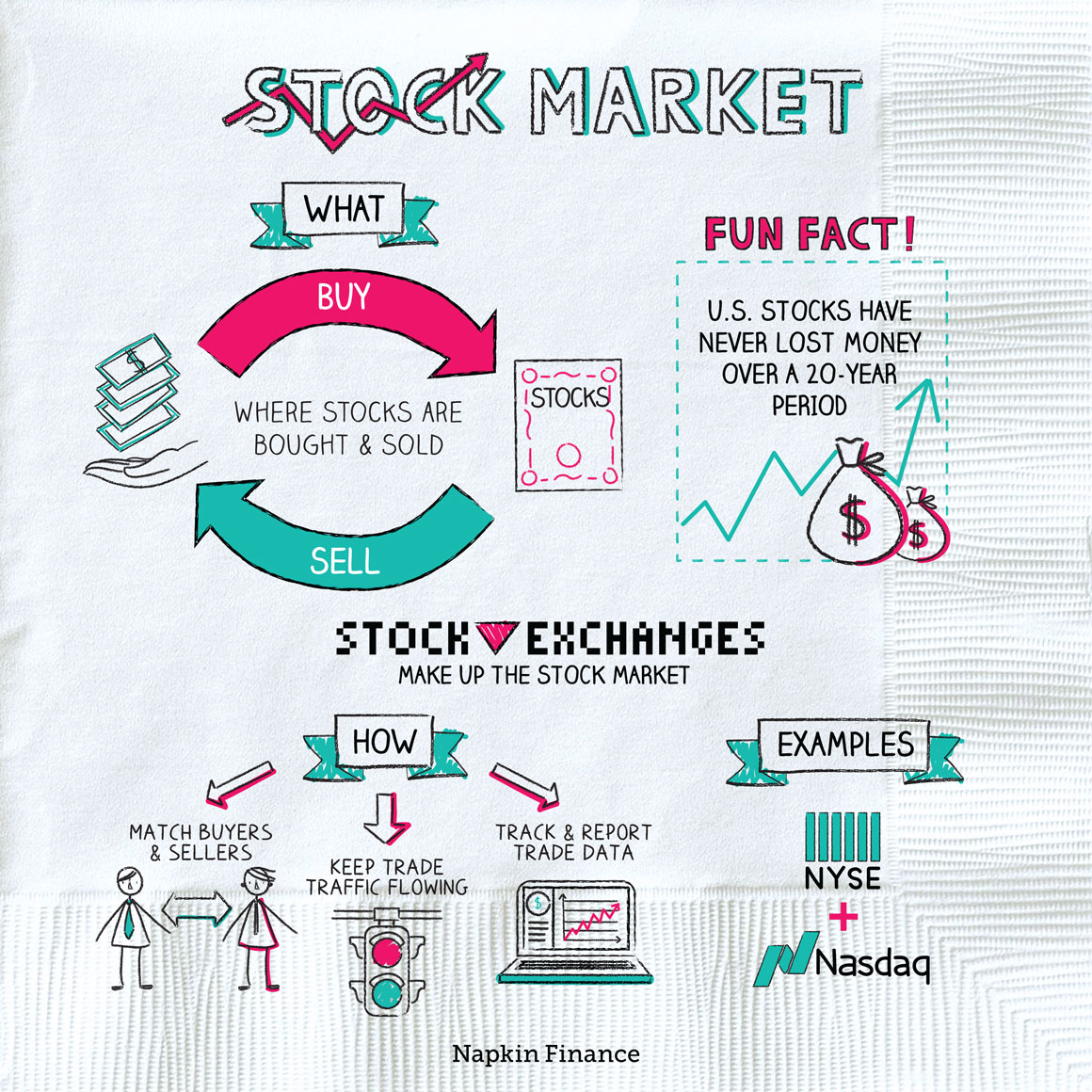
Once shares have been issued in the primary market, they are then traded among investors in the secondary market. This is what most people typically refer to when they talk about the “stock market.” Stock exchanges like the New York Stock Exchange (NYSE) and NASDAQ provide organized platforms for buyers and sellers to meet and execute trades. The secondary market does not directly involve the issuing company in the transaction; rather, it facilitates the transfer of ownership from one investor to another. Its critical role is to provide liquidity. Liquidity means that investors can easily buy or sell their shares without significantly affecting the price due to a lack of buyers or sellers. This ease of buying and selling is vital; without it, fewer people would be willing to invest, as they would struggle to convert their investments back into cash when needed. High liquidity makes stocks attractive investments, encouraging more capital to flow into companies.
Key Participants: Brokers, Traders, and Regulators
The stock market ecosystem is populated by various key players. Brokers act as intermediaries between investors and the stock exchange, executing buy and sell orders on behalf of their clients. They can be full-service, offering advice and research, or discount brokers, providing basic trading platforms. Traders include institutional traders (working for hedge funds, mutual funds, etc.) and individual retail traders, all seeking to profit from price movements. Market makers are firms that stand ready to buy or sell particular stocks, ensuring liquidity even in less active markets. Crucially, regulators like the Securities and Exchange Commission (SEC) in the U.S. play a vital role. They establish rules, enforce compliance, and oversee market operations to ensure fairness, transparency, and protect investors from fraud and manipulation. Their oversight is essential for maintaining confidence and integrity in the financial markets.
Benefits of the Stock Market: For Individuals, Companies, and the Economy
The stock market offers a multitude of benefits, extending its positive impact across various stakeholders.
Wealth Creation and Financial Growth for Investors
For individual investors, the stock market offers one of the most powerful avenues for wealth creation over the long term. By investing in a diversified portfolio of stocks, individuals can participate in the growth of leading companies and benefit from capital appreciation (when share prices increase) and dividends (portions of company profits paid to shareholders). Historically, stock market returns have outperformed other asset classes like bonds and savings accounts, making it a critical tool for retirement planning, saving for major life events, and building intergenerational wealth. Through compounding, even modest initial investments can grow substantially over decades, empowering individuals to achieve financial independence and security. It democratizes ownership, allowing ordinary people to own a piece of the world’s most successful businesses.
Funding Growth and Expansion for Businesses
For businesses, the stock market is an unparalleled source of capital. Going public allows companies to raise significant sums of money that might be unattainable through traditional bank loans or private equity. This capital injection is crucial for funding ambitious growth strategies, investing in cutting-edge research, expanding into new markets, or making strategic acquisitions. Public listing also enhances a company’s visibility, credibility, and brand recognition, making it easier to attract talent, customers, and business partners. Furthermore, having publicly traded stock provides a valuable currency for mergers and acquisitions, allowing companies to grow through strategic consolidation. The ability to access public markets provides flexibility and scale that is often critical for companies to achieve their full potential.
Economic Indicators and Stability
Beyond direct capital flows, the stock market serves as a vital economic indicator, often referred to as a “leading indicator.” The performance of major stock indices (like the S&P 500 or Dow Jones Industrial Average) is frequently interpreted as a reflection of investor confidence in the future health of the economy. A rising market generally suggests optimism about corporate earnings and economic growth, while a declining market can signal concerns about a recession or other economic headwinds. This real-time feedback loop provides policymakers, businesses, and consumers with valuable insights into economic sentiment. Moreover, a robust and liquid stock market contributes to overall financial stability by providing diverse investment opportunities and efficient capital allocation, thereby reducing reliance on any single source of funding or investment.
Risks and Challenges of Stock Market Participation
While offering significant opportunities, the stock market is not without its risks and demands careful consideration from participants.
Volatility and Market Fluctuations
Perhaps the most prominent characteristic of the stock market is its inherent volatility. Share prices can fluctuate wildly due to a myriad of factors, including company-specific news (earnings reports, product launches), industry trends, broader economic data (inflation, interest rates, employment figures), geopolitical events, and even market sentiment or speculative trading. These fluctuations mean that the value of an investment can rise or fall significantly in short periods. Investors can experience substantial losses, especially if they are forced to sell during a downturn. This volatility underscores the importance of a long-term perspective and the understanding that short-term market movements are often unpredictable and best weathered rather than reacted to impulsively.
The Importance of Due Diligence and Diversification
Investing without proper research and a clear strategy is akin to gambling. Due diligence involves thoroughly researching companies, understanding their business models, financial health, management teams, and competitive landscape before investing. Relying on rumors or “hot tips” without verification is a common pitfall. Equally critical is diversification, the strategy of spreading investments across various asset classes, industries, and geographies. This helps mitigate risk by ensuring that a poor performance in one particular stock or sector does not decimate an entire portfolio. A well-diversified portfolio is more resilient to market shocks and can provide more consistent returns over time, balancing growth opportunities with risk management.
Regulatory Oversight and Investor Protection
Despite robust regulatory frameworks, the stock market is not immune to challenges like fraud, insider trading, and market manipulation. Regulators continuously work to enhance investor protection, but risks always remain. Companies can provide misleading information, and bad actors can exploit loopholes or engage in illegal activities. Therefore, investors must remain vigilant, rely on reputable sources of information, and understand their rights. Financial advisors also have ethical and legal obligations to act in their clients’ best interests. While regulations aim to create a fair playing field, investors ultimately bear the responsibility of making informed decisions and understanding the potential downsides alongside the upsides.
Navigating the Stock Market: A Guide for Aspiring Investors
For those looking to engage with the stock market, a structured approach is key to transforming potential risks into managed opportunities.
Setting Financial Goals and Risk Tolerance
Before making any investment, it is crucial to define clear financial goals. Are you saving for retirement in 30 years, a down payment on a house in five years, or a child’s education in ten? Different goals necessitate different investment horizons and risk appetites. Equally important is understanding your personal risk tolerance—how comfortable you are with the possibility of losing money. A young investor with a long time horizon might tolerate more risk for higher potential returns, while someone nearing retirement might prioritize capital preservation. Aligning your investments with your goals and risk tolerance is fundamental to building a sustainable and stress-free investment strategy.
Understanding Different Investment Vehicles
The stock market offers a range of investment vehicles beyond individual stocks. Mutual funds and Exchange-Traded Funds (ETFs) are popular choices, as they offer diversified portfolios managed by professionals, making them accessible even for novice investors. They pool money from many investors to buy a basket of securities, instantly providing diversification. Other options include sector-specific funds, international stocks, or growth versus value stocks. Understanding the characteristics, costs (like expense ratios), and risks associated with each type of investment vehicle is essential for constructing a portfolio that aligns with one’s financial plan.

The Role of Financial Advisors and Continuous Learning
For many, navigating the complexities of the stock market can be daunting. This is where the expertise of a qualified financial advisor can be invaluable. A good advisor can help assess financial goals, determine risk tolerance, construct a diversified portfolio, and provide guidance through market fluctuations. They offer personalized advice that mass-market articles cannot. Beyond professional guidance, continuous learning is paramount. The financial landscape is constantly evolving, with new products, regulations, and market dynamics emerging regularly. Reading reputable financial news, understanding economic indicators, and staying informed about market trends are all crucial for making informed decisions and adapting investment strategies over time.
In conclusion, the stock market is far more than just a place to buy and sell shares; it is a vital engine of modern capitalism. It facilitates the efficient allocation of capital, drives economic growth and innovation, provides a powerful avenue for wealth creation, and acts as a real-time barometer of economic health. While it comes with inherent risks like volatility, a thoughtful, informed approach—centered on clear goals, robust research, diversification, and continuous learning—can harness its power for individual financial prosperity and broader economic advancement. Understanding its multifaceted functions empowers individuals and businesses alike to make more strategic decisions in an interconnected global economy.
aViewFromTheCave is a participant in the Amazon Services LLC Associates Program, an affiliate advertising program designed to provide a means for sites to earn advertising fees by advertising and linking to Amazon.com. Amazon, the Amazon logo, AmazonSupply, and the AmazonSupply logo are trademarks of Amazon.com, Inc. or its affiliates. As an Amazon Associate we earn affiliate commissions from qualifying purchases.