
Within the intricate symphony of an internal combustion engine, where precision and power converge, many components operate with remarkable efficiency, often unnoticed by the average driver. Among these vital yet frequently overlooked elements are the valve lifters, critical pieces of automotive technology that play an indispensable role in translating the camshaft’s rotational motion into the linear action required to open and close the engine’s valves. Far from being mere “gadgets,” these components are a testament to sophisticated mechanical engineering, ensuring optimal engine performance, efficiency, and longevity. Understanding what lifters are and how they function provides a deeper appreciation for the technological marvel that powers our vehicles.

The Unsung Heroes of Engine Performance: Understanding Valve Lifters
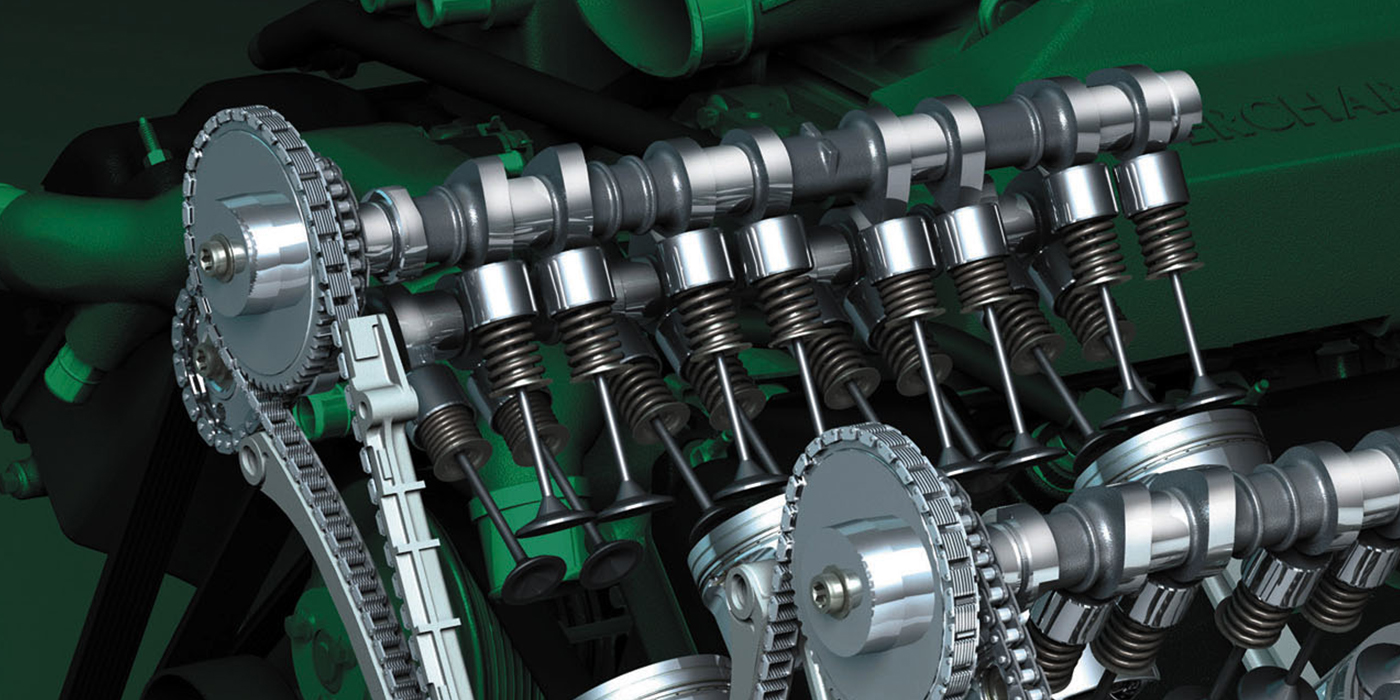
At the heart of every four-stroke engine lies a precise ballet of intake and exhaust valves opening and closing at specific intervals. This choreography is essential for drawing in the air-fuel mixture, compressing it, igniting it, and expelling exhaust gases. The camshaft, driven by the engine’s crankshaft, features lobes designed to push against the valve train components. Lifters act as intermediaries in this process, sitting between the camshaft lobes and the pushrods (or directly actuating the valves in overhead cam designs) and absorbing the impact and motion. Their primary function is to transmit the force from the rotating camshaft lobe to open the engine valves, ensuring precise valve timing and preventing excessive wear on the other valve train components.
Without properly functioning lifters, the engine would suffer from incorrect valve timing, leading to poor combustion, reduced power, increased emissions, and potential catastrophic damage. They are a critical link in the chain that converts fuel into kinetic energy, representing a cornerstone of internal combustion engine technology.
Anatomy and Function: How Lifters Orchestrate Valve Timing
The fundamental design of a valve lifter involves a cylindrical body that rides within a bore in the engine block or cylinder head. As the camshaft rotates, its lobes push against the lifter’s face. This upward motion is then transmitted through the pushrod (in pushrod engines) or directly to the valve stem (in overhead cam engines with bucket-style lifters), causing the valve to open. When the camshaft lobe rotates away, a valve spring forces the valve shut, and the lifter returns to its resting position, ready for the next cycle.
The critical aspect of lifter design is not just transmitting motion but doing so quietly, efficiently, and with minimal wear. Early lifters were solid, requiring manual adjustment of valve lash (the small gap between components) to compensate for thermal expansion and wear. Modern engines predominantly employ hydraulic lifters, a significant technological advancement that automatically maintains zero valve lash, providing numerous benefits.
The Role of Valve Lash
Valve lash is a small clearance built into the valve train to ensure that valves fully close even when the engine components expand from heat. In engines with solid lifters, this lash must be manually adjusted periodically, a maintenance task that is both time-consuming and prone to human error if not performed correctly. Too much lash can lead to excessive noise and reduced valve lift, while too little can prevent valves from fully seating, causing burnt valves and loss of compression.
Hydraulic lifters ingeniously solve this problem. They contain an internal piston and a small reservoir of engine oil. When the camshaft lobe pushes the lifter, oil pressure inside the lifter’s body automatically adjusts its length, effectively eliminating valve lash. This “self-adjusting” mechanism ensures optimal valve timing and quiet operation across all engine temperatures, representing a key technological improvement in engine design.
Types of Lifters: From Solid to Hydraulic
The evolution of valve lifter technology mirrors the broader advancements in automotive engineering, moving from simpler, robust designs to more complex, self-regulating systems.
1. Solid (Mechanical) Lifters
Solid lifters are the most basic type, essentially solid metal cylinders. They require a small, pre-set gap, or valve lash, between the lifter and the valve train components. This lash is necessary to accommodate thermal expansion of engine parts during operation and is usually set using feeler gauges between the rocker arm and the valve stem or pushrod.
- Pros: Extremely durable, high-performance in racing applications (due to positive valve control at very high RPMs), simpler construction.
- Cons: Require regular manual adjustment, can be noisy (“tappet noise”) if lash is too loose, less forgiving of component wear.
- Application: Primarily found in older engines, some specific high-performance or racing engines where maximum valve control at extreme RPMs is paramount.
2. Hydraulic Roller Lifters
Hydraulic roller lifters incorporate a small roller bearing at the bottom, which contacts the camshaft lobe. This roller design significantly reduces friction between the lifter and the camshaft compared to flat-tappet designs. Less friction translates to less wear on both the lifter and the camshaft, increased fuel efficiency, and potentially higher performance. Like their flat-tappet hydraulic counterparts, roller lifters also contain an internal hydraulic mechanism to automatically adjust for valve lash.

- Pros: Significantly reduced friction and wear, improved fuel economy, quieter operation, self-adjusting (zero lash), allows for more aggressive camshaft profiles.
- Cons: More complex and expensive than flat-tappet lifters.
- Application: Widely used in modern pushrod engines and many overhead valve (OHV) designs due to their superior efficiency and longevity.
3. Hydraulic Flat-Tappet Lifters
These are hydraulic versions of the solid flat-tappet design. Instead of a solid body, they feature an internal piston and check valve system that uses engine oil pressure to maintain zero valve lash. The flat bottom surface of the lifter slides directly against the camshaft lobe. While effective, the sliding friction can lead to wear, particularly in older engine designs or if proper lubrication is not maintained.
- Pros: Self-adjusting (zero lash), quieter than solid lifters, generally less expensive than roller lifters.
- Cons: Higher friction and wear on camshaft and lifter surfaces compared to roller lifters, requiring specific oil additives (like ZDDP) in some older engines.
- Application: Common in many older production engines before the widespread adoption of roller lifters.
Common Issues and Technological Advancements
Despite their robust design, lifters are subject to wear and tear and can develop issues that affect engine performance. Understanding these common problems is key to diagnosing engine troubles.
“Ticking” Lifters
One of the most common symptoms of a lifter problem is a distinct “ticking” or “tapping” noise emanating from the engine’s valve cover area. This noise often indicates that a hydraulic lifter is not pumping up correctly, meaning it’s not maintaining zero lash. This can be caused by:
- Low oil pressure: Insufficient oil pressure prevents the lifter from properly filling with oil.
- Dirty oil or sludge: Contaminants can block the small oil passages within the lifter, preventing its internal piston from moving freely.
- Worn lifter components: Over time, the internal components can wear out, reducing their ability to hold pressure.
- Air in the oil: Foaming oil can introduce air into the lifter, impairing its hydraulic function.
While a ticking lifter might initially seem minor, prolonged operation with faulty lifters can lead to excessive wear on the camshaft, pushrods, and rocker arms, eventually causing more significant engine damage.
Collapsed or Stuck Lifters
A collapsed lifter can result in a valve not opening fully or not opening at all, leading to a misfire, rough idle, and significant power loss. A stuck lifter, on the other hand, might prevent a valve from closing properly, causing a loss of compression and potential damage to the valve or piston. These more severe issues often necessitate lifter replacement and a thorough inspection of the entire valve train.
Advancements in Lifter Technology
The push for greater fuel efficiency, reduced emissions, and enhanced performance has driven continuous innovation in lifter technology.
- Variable Valve Timing (VVT) and Lift (VVL) Systems: While not directly lifter technology, VVT and VVL systems often incorporate specialized lifter designs or mechanisms that work in conjunction with the lifters to alter valve timing and lift characteristics. Some VVL systems, for example, use multi-lobe camshafts and lifters that can switch between different profiles to optimize engine breathing at various RPMs.
- Cylinder Deactivation Technology: To improve fuel economy in V8 and V6 engines, cylinder deactivation systems temporarily shut down cylinders during light-load cruising. This is often achieved using specialized hydraulic lifters that can “collapse” on command, preventing the valves in specific cylinders from opening. When full power is needed, the lifters reactivate, and all cylinders resume firing. This sophisticated application of lifter technology showcases its importance in modern engine management.
- Improved Materials and Manufacturing: Ongoing research into advanced materials and precision manufacturing techniques has led to lifters with enhanced durability, reduced friction, and greater resistance to wear, extending engine life and reliability.
Maintenance and Longevity: Keeping Your Lifters Healthy
Given their critical role, proper maintenance of lifters is paramount for engine health and longevity. The primary factor influencing lifter health is engine oil.
- Regular Oil Changes: Adhering to the manufacturer’s recommended oil change intervals is crucial. Fresh oil ensures proper lubrication, carries away contaminants, and maintains the necessary viscosity for hydraulic lifters to function correctly.
- Using the Correct Oil: Modern engines often specify particular oil viscosities and additive packages. Using the wrong type of oil can lead to poor lubrication, increased wear, and sludge buildup, which is detrimental to hydraulic lifters.
- Engine Flushes (with caution): In cases of severe sludge buildup, an engine flush might be considered. However, this should be done with caution and preferably by a professional, as dislodged sludge can sometimes exacerbate blockages.
- Addressing Ticking Noises Promptly: If a ticking noise develops, addressing it quickly can prevent more extensive damage. Sometimes, a simple oil change, using an engine flush, or adding a specialized oil additive can resolve the issue by clearing blockages in the lifter. In more severe cases, lifter replacement might be necessary.
Lifters, though often out of sight and out of mind, are a marvel of automotive engineering, silently working to ensure the precise and efficient operation of your engine’s valves. Their evolution from simple mechanical components to sophisticated hydraulic and deactivating mechanisms highlights the continuous technological advancements in the automotive industry, all aimed at delivering more powerful, efficient, and reliable vehicles. Understanding these small but mighty components underscores the intricate design and engineering prowess that makes modern cars possible.
aViewFromTheCave is a participant in the Amazon Services LLC Associates Program, an affiliate advertising program designed to provide a means for sites to earn advertising fees by advertising and linking to Amazon.com. Amazon, the Amazon logo, AmazonSupply, and the AmazonSupply logo are trademarks of Amazon.com, Inc. or its affiliates. As an Amazon Associate we earn affiliate commissions from qualifying purchases.