
In the rapidly evolving landscape of digital marketing and corporate communication, the lexicon of a brand is no longer just a static set of guidelines found in a dusty brand book. It is a living, breathing entity that must adapt to the linguistic currents of the time. One word, in particular, has transcended its origins to become a cornerstone of modern digital interaction: “slay.” While to a casual observer “slay” might seem like a fleeting TikTok trend, for brand strategists and marketing executives, it represents a seismic shift in how companies engage with Gen Z and Gen Alpha. Understanding what “slay” slang means—and more importantly, how it functions as a branding tool—is essential for any corporate identity looking to remain relevant in the 2020s.

The Linguistic Evolution: From Subculture to Corporate Lexicon
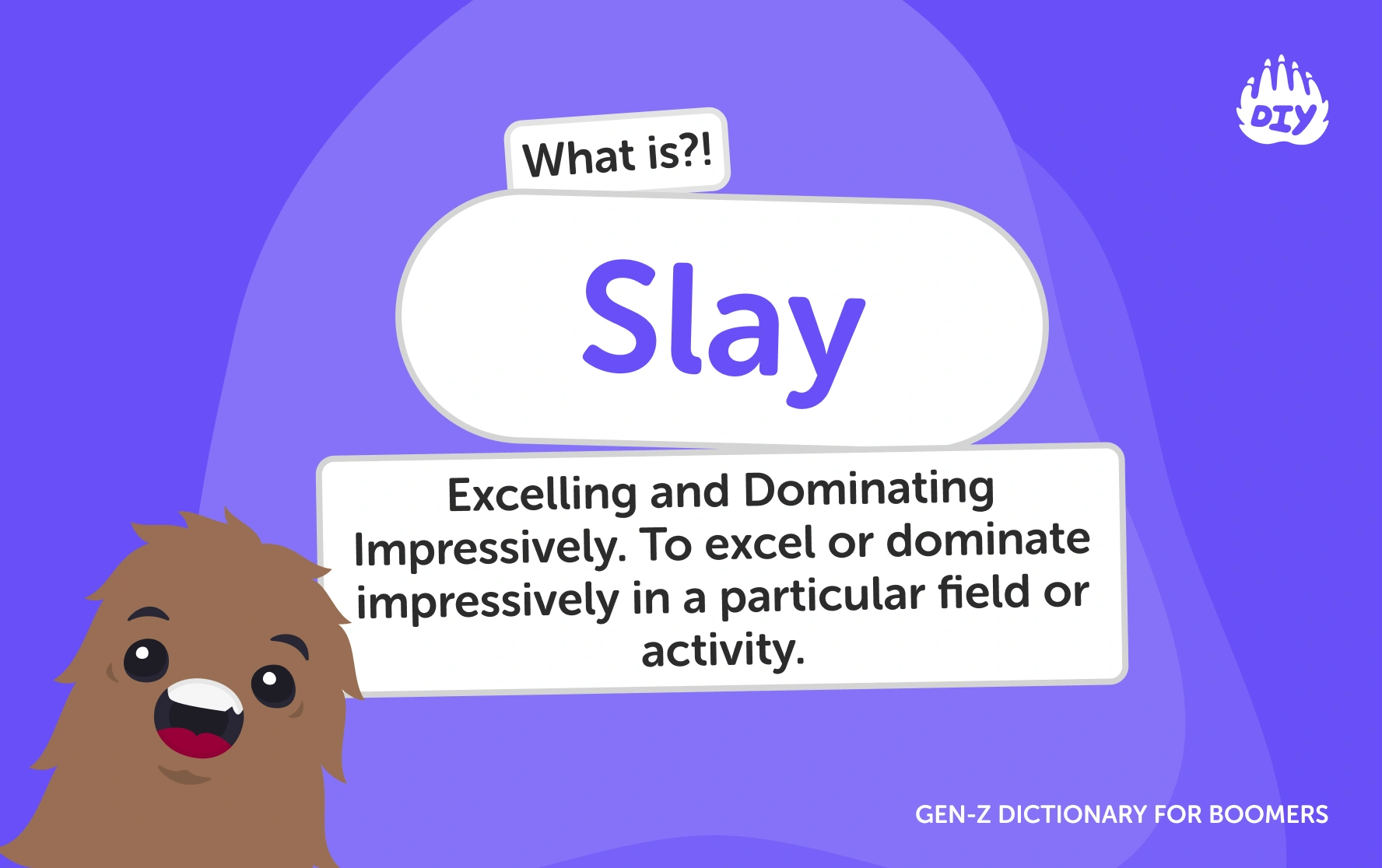
To understand the brand utility of “slay,” one must first understand its journey from a marginalized subculture to the forefront of global pop culture. In its contemporary slang context, “slay” refers to performing exceptionally well, looking stylish, or dominating a particular task with grace and confidence. However, its roots are deep and significant.
The Ballroom Roots and Cultural Currency
“Slay” originated within the Black and Latinx LGBTQ+ ballroom culture of the 1970s and 80s. In these spaces, to “slay” was to win a category, to exhibit such high levels of fashion and attitude that the competition was “killed” by the sheer excellence of the performance. For a modern brand, recognizing this history is the first step in authentic engagement. Brand identity is built on narrative; by understanding that “slay” is fundamentally about empowerment and excellence, a brand can align its messaging with these positive connotations rather than just using it as a meaningless buzzword.
The Digital Acceleration and Mainstream Adoption
The transition of “slay” from ballroom culture to the mainstream was accelerated by social media platforms like Instagram and TikTok. What was once a niche term of endearment became a universal superlative. As the word became ubiquitous among Gen Z, brands began to notice. The transition from “the customer is always right” to “the customer is slaying” marks a pivot in brand-consumer relations where the brand adopts the role of the ultimate “hype-man” for its audience.
Authentic Engagement: Why Brands Are Adopting “Slay” in Their Marketing Strategy
The primary goal of modern brand strategy is to foster a sense of community and belonging. In an era where consumers are increasingly cynical toward traditional advertising, the use of colloquialisms like “slay” serves as a bridge between the corporate entity and the individual consumer.
Bridging the Generational Gap
For legacy brands, the challenge is often how to appeal to a younger demographic without appearing out of touch. Using “slay” is a signal—a linguistic handshake that tells the consumer, “We speak your language.” When a skincare brand comments “You slayed this look!” on a customer’s post, they are not just providing customer service; they are participating in a social ritual. This humanizes the brand, transforming it from a cold corporate entity into a relatable peer.
The Shift Toward Human-Centric Messaging
Corporate identity is shifting away from the “voice of authority” toward the “voice of the community.” By incorporating slang, brands demonstrate that they are listening. This “active listening” branding strategy ensures that the marketing funnel feels less like a sales pitch and more like a conversation. “Slay” works particularly well in this context because it is inherently celebratory. It allows a brand to align itself with the customer’s successes, thereby building a positive emotional association with the brand’s products.
The Risks of Brand Mimicry: When Slang Goes Wrong
While the rewards of successful slang integration are high, the risks are equally significant. There is a fine line between a brand that is “hip” and a brand that is “cringe.” The term “cringe” itself has become a common descriptor for brands that attempt to use Gen Z slang but fail to understand the nuance or timing required.
The Cringe Factor and Forced Authenticity
If a brand uses “slay” in a way that feels forced or grammatically incorrect within its cultural context, the results can be disastrous for its reputation. This is often referred to as “corporate memery.” When a financial institution or a high-gravity B2B software company uses “slay” in a LinkedIn post about tax compliance, the cognitive dissonance can alienate the audience. The key to successful branding is consistency. If the brand’s core identity is “serious and professional,” a sudden pivot to slang will be perceived as a desperate attempt at relevance, damaging the brand’s perceived integrity.
Cultural Appropriation vs. Appreciation
As mentioned, “slay” has specific cultural origins. Brands that use slang without acknowledging or respecting its roots risk accusations of cultural appropriation. For a brand to truly “slay” in the market, it must ensure its diversity and inclusion efforts are more than just linguistic. A brand that uses “slay” in its captions but lacks diversity in its boardroom or its marketing campaigns will eventually face a backlash. The modern consumer is savvy; they look for the substance behind the slang.
Implementation Strategies: Using Slang Without Diluting Brand Equity
For brand managers, the decision to use “slay” or any other slang must be strategic rather than impulsive. It requires a deep dive into the brand’s persona and the specific nuances of the platforms being used.
Identifying Your Brand Persona
Before incorporating slang, a brand must define its “voice.” Is the brand a “best friend” (like Fenty Beauty), a “rebel” (like Liquid Death), or an “educator” (like MasterClass)? “Slay” fits naturally within the “best friend” and “rebel” personas. For these brands, the word enhances the identity. However, for an “educator” brand, slang should be used sparingly, perhaps only in the comments section to engage directly with users, rather than in headline copy. This ensures that the brand equity built on trust and expertise remains intact.
Platform-Specific Nuance
A successful brand strategy recognizes that “slay” might be appropriate for a TikTok caption or a playful Instagram story but might be entirely out of place in a formal press release or a corporate annual report. Brands must practice platform-specific communication. On TikTok, where the vibe is raw and authentic, “slay” is the currency of the realm. On LinkedIn, the brand identity should lean more toward professional insights. This multi-layered approach allows a brand to be versatile without losing its core identity.
The Future of Brand Voice in a Post-Slang World
The lifespan of slang is notoriously short. What is “slay” today may be “cheugy” tomorrow. Therefore, the ultimate brand strategy is not just about adopting a single word, but about building a flexible communication framework that can adapt to the next linguistic wave.
The Cyclical Nature of Language
Brands must realize that “slay” is just one iteration of a cycle. Before “slay,” there was “on fleek,” and before that, “rad” or “cool.” The brands that survive and thrive are those that don’t just mimic the words, but understand the intent behind them. The intent of “slay” is to express awe, support, and excellence. Even when the word “slay” eventually fades from the common lexicon, the brand’s commitment to celebrating its community should remain.

Building Long-Term Resonance
Ultimately, the goal of any brand using slang like “slay” should be to build long-term resonance. A brand shouldn’t just want to “slay” the current trend; it should want to “slay” the market for the next decade. This is achieved by using language as a tool to build a genuine relationship with the consumer. When a brand uses slang correctly, it proves it is paying attention. When it backs that language up with high-quality products and ethical business practices, it creates a brand identity that is bulletproof.
In conclusion, “slay” is more than just a piece of Gen Z slang; it is a diagnostic tool for modern brand health. It tests a brand’s ability to be authentic, its capacity for cultural sensitivity, and its skill in navigating the complex digital landscape. By understanding the meaning of “slay” and integrating it thoughtfully into a broader brand strategy, companies can move beyond mere transactions and start building meaningful, modern connections with the most influential consumer base in history.
aViewFromTheCave is a participant in the Amazon Services LLC Associates Program, an affiliate advertising program designed to provide a means for sites to earn advertising fees by advertising and linking to Amazon.com. Amazon, the Amazon logo, AmazonSupply, and the AmazonSupply logo are trademarks of Amazon.com, Inc. or its affiliates. As an Amazon Associate we earn affiliate commissions from qualifying purchases.