
The intersection of pharmacology and technology has reached a critical juncture. For decades, the medical community has struggled with “Drug-Induced Steatosis”—a condition where specific medications trigger an accumulation of fat in the liver, leading to Drug-Induced Fatty Liver Disease (DIFLD). While clinicians have long identified certain culprits, the tech industry is now taking the lead in revolutionizing how we predict, identify, and mitigate these risks. Through the lens of bioinformatics, artificial intelligence, and digital health tools, the question of which medications cause fatty liver is no longer just a diagnostic challenge; it is a data-driven frontier.

Understanding Drug-Induced Fatty Liver Through Bio-Informatics
To understand how technology identifies the medications that cause fatty liver disease, one must first understand the biological mechanism of Drug-Induced Steatosis. Unlike metabolic fatty liver disease, which is often tied to diet and lifestyle, DIFLD occurs when a drug interferes with the liver’s ability to metabolize lipids or disrupts the function of mitochondria.
The Mechanisms of Drug-Induced Steatosis
Bio-informatics has allowed researchers to map the molecular pathways that lead to liver fat accumulation. Specifically, certain medications like Amiodarone (used for heart rhythm), Methotrexate (for autoimmune conditions), and Valproate (for epilepsy) are known to cause steatosis. Through advanced computational biology, scientists have identified that these drugs often inhibit the beta-oxidation of fatty acids. By utilizing “in-silico” modeling—software-based simulations of biological processes—tech platforms can now predict whether a new chemical compound will trigger this specific pathway before it ever enters human trials.
Utilizing High-Throughput Screening (HTS) to Detect Hepatotoxicity
The technology behind High-Throughput Screening (HTS) has fundamentally changed drug safety. HTS uses robotics, data processing software, and sensitive detectors to conduct millions of chemical, genetic, or pharmacological tests quickly. In the context of fatty liver disease, HTS allows pharmaceutical tech companies to expose liver cells (hepatocytes) to thousands of different drug concentrations. Advanced imaging software then analyzes these cells for lipid droplets. This tech-heavy approach provides a massive dataset that clarifies why some patients react poorly to common medications while others do not.
The AI Revolution: Predicting Liver Risks in Drug Development
Artificial Intelligence (AI) and Machine Learning (ML) are currently the most powerful tools in the “Tech” niche for addressing drug-induced liver injury. By training algorithms on vast libraries of historical clinical data, AI can identify patterns that are invisible to the human eye.
Machine Learning Models and Predictive Analytics
Modern pharmaceutical companies are employing predictive analytics to determine if a medication will cause fatty liver disease during the early stages of drug discovery. By feeding an ML model the chemical structure of a drug, the software can compare it against a database of known hepatotoxins. For instance, if a new drug shares a specific molecular “fingerprint” with Corticosteroids or Tamoxifen (both known to influence liver fat), the AI flags the compound for potential risk. This proactive approach saves billions of dollars in failed clinical trials and, more importantly, protects patient health.
Neural Networks and Molecular Mapping
Deep learning, a subset of AI, utilizes neural networks to simulate the complex interactions within the human liver. These networks can process multi-omic data—integrating genomics, proteomics, and metabolomics. When a drug like Tetracycline is introduced into the simulation, the neural network can map how the drug interacts with specific enzymes and proteins involved in lipid transport. This granular level of technical analysis allows developers to “tweak” the molecular structure of a medication to retain its therapeutic benefit while removing the side effect of liver fat accumulation.
Digital Twins and Organ-on-a-Chip Technology
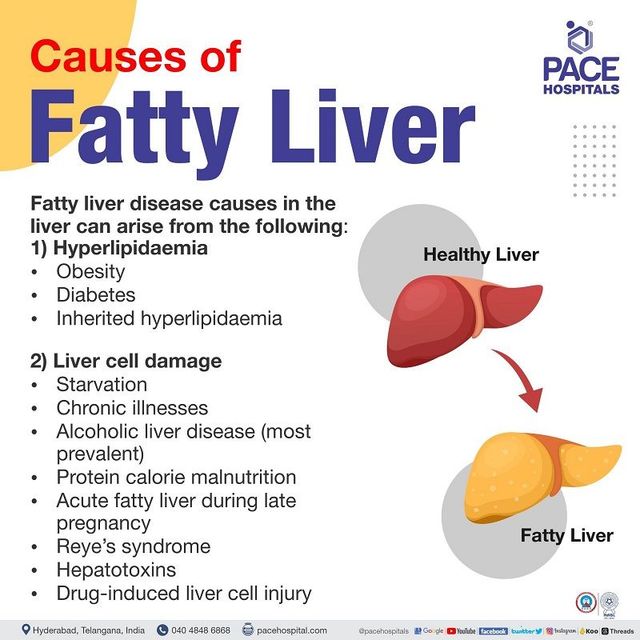
The “Tech” world has moved beyond software into the realm of bio-hardware. Two of the most promising technologies in identifying which medications cause fatty liver disease are Digital Twins and Organ-on-a-Chip (OOC) systems.
Simulating Liver Responses with Digital Twins
A “Digital Twin” is a virtual representation of a physical object or system—in this case, a human liver. By using real-time data from a patient’s medical history, genetic profile, and lifestyle, software can create a personalized digital liver. Doctors can “test” medications like Diltiazem or highly active antiretroviral therapy (HAART) on this digital twin to see if it causes fat buildup. This technology moves the trial-and-error process from the patient’s body to a secure, digital environment, effectively eliminating the risk of drug-induced liver damage for high-risk individuals.
Microfluidics and Real-Time Toxicity Monitoring
Organ-on-a-chip technology uses microfluidic chips to grow living human cells in a controlled environment that mimics the physiological conditions of an organ. These “Liver-on-a-chip” devices are equipped with sensors that provide real-time data on cellular health. When researchers test medications known to cause fatty liver, they can monitor the exact moment lipid metabolism fails. The integration of IoT (Internet of Things) sensors within these chips allows for the continuous streaming of toxicity data to cloud-based platforms, providing a level of detail that traditional animal testing could never achieve.
Software Solutions for Patient Safety and Side Effect Tracking
While AI and Bio-hardware help in the lab, software tools are essential for managing medication-induced fatty liver disease in the “real world.” Digital health platforms are becoming the frontline of defense for patients already taking complex medication regimens.
Electronic Health Records (EHR) and Algorithmic Alerts
The integration of intelligent algorithms into Electronic Health Records (EHR) is a game-changer for digital security and patient safety. Modern EHR systems can now be programmed to flag patients who are prescribed medications with a high risk of causing steatosis—such as Amiodarone—if their baseline liver enzymes are already elevated. These software-driven alerts force a “clinical pause,” ensuring that the physician weighs the benefits against the potential for inducing fatty liver disease. This automated safety net reduces the incidence of preventable drug-induced injury.
Mobile Health Apps for Long-Term Liver Health Monitoring
The rise of health-tech apps has empowered patients to take control of their liver health. Apps designed for “Medication Reconciliation” allow users to input their daily prescriptions and receive automated reports on potential side effects. Furthermore, specialized apps can sync with wearable devices to track biomarkers that might indicate early-stage liver stress. For a patient on long-term Methotrexate therapy, these digital tools provide a continuous feedback loop, alerting both the patient and the healthcare provider if the medication is beginning to affect metabolic function.
The Future of Pharmacogenomics and Personalized Medicine
The final frontier in the tech-driven battle against drug-induced fatty liver disease is pharmacogenomics—the study of how genes affect a person’s response to drugs.
Genomic Sequencing to Prevent Medication-Induced Damage
Not every person who takes a specific medication will develop fatty liver disease. The difference often lies in their genetic makeup. Technological advancements in CRISPR and rapid genomic sequencing allow scientists to identify the specific genetic variants that make an individual susceptible to drug-induced steatosis. Software platforms now exist that can analyze a patient’s DNA and predict their reaction to a list of potentially “liver-toxic” drugs. This tech-driven insight allows for a “Red Light/Green Light” system for prescriptions, ensuring that patients only receive medications that their bodies are genetically equipped to process.

Precision Medicine: Tailoring Prescriptions via Tech
The ultimate goal of health technology is the realization of precision medicine. By combining AI, genomic data, and real-time monitoring software, the pharmaceutical industry is moving away from a “one-size-fits-all” approach. In the future, the question of “what medications cause fatty liver disease” will be answered on an individual basis. Tech-driven dashboards will allow clinicians to adjust dosages in real-time based on the patient’s metabolic data, ensuring that the liver remains healthy while the primary condition is treated.
In conclusion, the evolution of technology has transformed our understanding of how medications interact with the liver. From the early stages of AI-led drug discovery to the implementation of digital twins and pharmacogenomic sequencing, tech is providing the tools necessary to eliminate drug-induced fatty liver disease. As these software and hardware solutions continue to mature, the risks associated with essential medications will become increasingly manageable, paving the way for a safer, more personalized era of medicine.
aViewFromTheCave is a participant in the Amazon Services LLC Associates Program, an affiliate advertising program designed to provide a means for sites to earn advertising fees by advertising and linking to Amazon.com. Amazon, the Amazon logo, AmazonSupply, and the AmazonSupply logo are trademarks of Amazon.com, Inc. or its affiliates. As an Amazon Associate we earn affiliate commissions from qualifying purchases.