
For both seasoned traders and burgeoning investors, understanding the operational hours of the stock market is foundational to strategic decision-making. While the world of finance often seems to operate ceaselessly, the major U.S. stock exchanges adhere to a strict schedule, primarily dictated by Eastern Time (ET). However, for a significant portion of the North American population residing in the Central Time (CT) zone, this requires a simple yet crucial mental conversion. Navigating market hours, especially when considering pre-market and after-hours trading, and accounting for holidays, is not just about knowing when you can place an order; it’s about understanding market liquidity, volatility, and the overall rhythm that influences investment outcomes. This article will demystify the stock market’s closing times from a Central Time perspective, providing a comprehensive guide to help investors optimize their trading strategies.
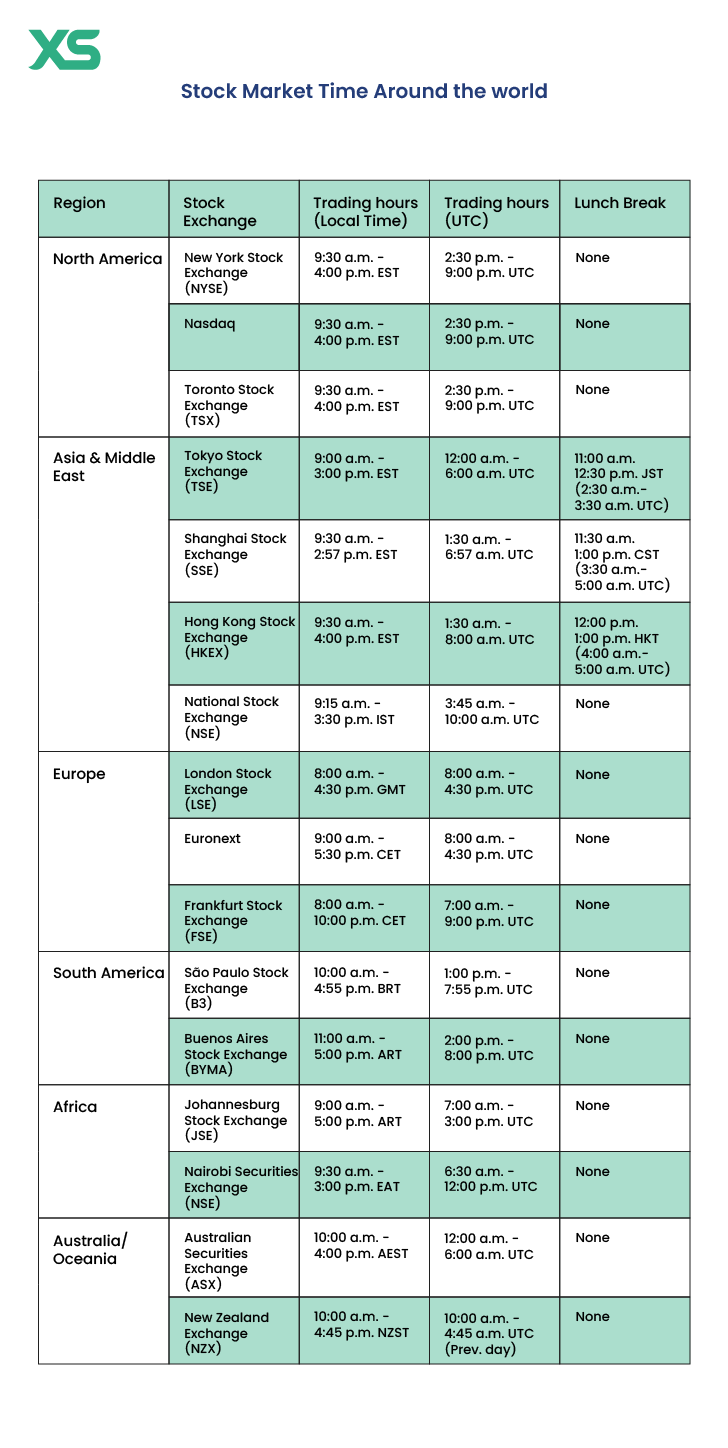
The Standard Operating Hours of U.S. Stock Exchanges
The backbone of U.S. equity trading rests primarily on two exchanges: the New York Stock Exchange (NYSE) and the NASDAQ Stock Market. These two giants dictate the regular trading hours that most investors refer to. While many might assume these markets operate on a continuous, 24/7 basis given the global nature of finance, they adhere to a surprisingly consistent daily schedule. This consistency is vital for maintaining orderly markets, ensuring adequate liquidity, and providing a necessary respite for market participants and systems.
NYSE and NASDAQ: The Pillars of U.S. Trading
The New York Stock Exchange (NYSE), located on Wall Street, is renowned for its traditional auction market, though it also employs electronic trading. It lists many of the world’s largest and oldest companies. The NASDAQ Stock Market, on the other hand, is a fully electronic exchange, home to a vast number of technology and growth companies. Despite their differing operational models and listing criteria, both the NYSE and NASDAQ observe the exact same standard trading hours. This uniformity is a deliberate design to ensure market fairness and prevent arbitrage opportunities that might arise from staggered open and close times for listed securities. For most practical purposes, when one speaks of “the stock market hours” in the U.S., they are referring to the schedule of these two behemoths. Their synchronized operation ensures that investors dealing with different types of companies experience a consistent trading window.
Demystifying the Eastern Time Zone Standard
The standard trading session for both the NYSE and NASDAQ runs from 9:30 AM to 4:00 PM Eastern Time (ET), Monday through Friday. This 6.5-hour window is considered the “regular trading session” or “core trading hours.” This timeframe has been in place for decades, a legacy of the physical trading floor culture in New York. The choice of Eastern Time as the standard is largely due to New York City’s status as a global financial capital. Most major financial institutions, brokers, and market makers have their primary operations based in New York or closely aligned with its time zone. Consequently, all official announcements, market data feeds, and historical records reference ET. For anyone engaging with U.S. equities, internalizing this Eastern Time standard is non-negotiable, as it forms the basis for all further time zone conversions and scheduling. It also simplifies regulatory oversight and synchronizes activity across the diverse ecosystem of financial players.
Pinpointing the Central Time (CT) Perspective
For investors, traders, or even just curious individuals situated in the Central Time zone, understanding when the market closes requires a straightforward conversion from Eastern Time. The Central Time zone covers a significant portion of the U.S., stretching from cities like Chicago and Dallas to New Orleans, and numerous states in between. Being aware of this time difference is crucial for those who want to react to real-time market movements, manage their portfolios, or simply keep abreast of financial news as it unfolds during trading hours. Miscalculating this can lead to missed opportunities or unintended consequences.
Converting Eastern Time to Central Time for Market Closes
The fundamental rule for converting Eastern Time to Central Time is simple: Central Time is one hour behind Eastern Time. Therefore, if the U.S. stock markets close at 4:00 PM ET, an investor in the Central Time zone needs to subtract one hour to determine their local closing time. This means the standard stock market closing time for individuals in the Central Time zone is 3:00 PM Central Time (CT).
This conversion remains consistent whether it’s during Standard Time or Daylight Saving Time, as both ET and CT shift simultaneously. For example, when New York switches to Eastern Daylight Time (EDT), Chicago switches to Central Daylight Time (CDT), maintaining the one-hour difference. This consistency simplifies planning and ensures that once the conversion is understood, it applies throughout the year. Knowing this precise local closing time is vital for submitting last-minute orders, tracking end-of-day market activity, and preparing for the next trading session.
Practical Implications for Central Time Investors
For investors and traders operating out of the Central Time zone, the 3:00 PM CT close has several practical implications:
-
Trade Execution: Any orders placed after 3:00 PM CT will generally be queued for the next trading day’s opening, unless they are specific after-hours orders. This is important for those looking to capitalize on late-day market swings or manage positions before the close.
-
Market Data and News: Economic data releases, company earnings reports, and major news often occur either before the market opens or after it closes. Investors in CT need to align their schedules with the ET releases to ensure they receive and react to information in a timely manner. For instance, a 4:30 PM ET earnings call would begin at 3:30 PM CT.
-
Work-Life Balance: The earlier close in CT can offer a different rhythm for traders. For those with day jobs, getting orders in before 3:00 PM CT might be more feasible than if it closed later. Conversely, a 3:00 PM CT close means the market wraps up relatively early in the afternoon, potentially freeing up the latter part of the workday for other tasks or personal commitments.
-
Global Market Awareness: While U.S. markets close, other global markets might just be opening or mid-session. CT investors might find it easier to monitor European markets in their late hours or anticipate Asian market openings compared to their ET counterparts, given their earlier local close.
Ultimately, internalizing the 3:00 PM CT closing time is about more than just a number; it’s about optimizing trading strategies, managing risk, and integrating market activities seamlessly into one’s daily schedule.
Beyond Standard Hours: Pre-market and After-hours Trading
While the 9:30 AM to 4:00 PM ET (or 8:30 AM to 3:00 PM CT) standard trading session defines the core liquidity window, the stock market’s activity isn’t strictly confined to these hours. Modern electronic communication networks (ECNs) and alternative trading systems (ATSs) facilitate trading outside of these traditional boundaries, offering both opportunities and risks for investors. These “extended trading sessions” allow participants to react to news and events that occur when the regular market is closed, providing flexibility but also introducing different market dynamics.
Understanding Extended Trading Sessions
Pre-market trading typically begins at 4:00 AM ET (3:00 AM CT) and runs until the market opens at 9:30 AM ET (8:30 AM CT). This session allows investors to place trades before the official opening bell, often in response to overnight news, early morning earnings reports, or global market movements.
After-hours trading commences immediately after the standard market close at 4:00 PM ET (3:00 PM CT) and can extend as late as 8:00 PM ET (7:00 PM CT). This period is crucial for reacting to late-day company announcements, economic data releases, or political developments that unfold after the regular session ends.
Both pre-market and after-hours trading utilize electronic systems rather than the open outcry or traditional order matching mechanisms of the regular session. Brokers typically offer access to these extended hours, but it’s important to understand that not all brokers support the full range of these hours, and specific trading rules may apply. These sessions essentially extend the market’s reach, reflecting the increasingly global and always-on nature of financial information flow.
Advantages and Disadvantages of Off-Hour Trading
Extended trading sessions come with a unique set of pros and cons that investors must weigh carefully:
Advantages:

-
Timely Reactions: The primary benefit is the ability to react immediately to breaking news, earnings reports, or analyst upgrades/downgrades that often occur outside regular hours. This can allow investors to get ahead of the curve, potentially capitalizing on early price movements.
-
Flexibility: It offers flexibility for investors whose schedules prevent them from actively trading during standard market hours.
-
International Alignment: For global investors, these extended hours can bridge the gap between U.S. market activity and events in other time zones, allowing for more synchronized trading strategies.
Disadvantages:
-
Lower Liquidity: This is arguably the biggest drawback. Fewer participants mean fewer buyers and sellers, which can lead to wider bid-ask spreads and difficulty in executing large orders at desired prices.
-
Increased Volatility: With lower liquidity, even small orders can have a disproportionately large impact on stock prices, leading to exaggerated price swings. This can result in greater risk of adverse price movements.
-
Price Discrepancies: Prices in extended sessions may not accurately reflect true market value due to low volume and can differ significantly from the opening price of the next regular session.
-
Professional Dominance: Institutional investors and professional traders often dominate these sessions, possessing superior resources and information access, which can put individual retail investors at a disadvantage.
-
Limited Order Types: Some advanced order types (e.g., stop-loss orders) may not be available or function differently during extended hours, increasing risk.
For Central Time investors, the pre-market begins at 3:00 AM CT and after-hours can run until 7:00 PM CT. Engaging in these sessions requires heightened awareness of their unique characteristics and a clear understanding of the associated risks.
Navigating Market Closures: Weekends and Holidays
Beyond the daily trading schedule, there are specific periods when the stock market is completely closed. These closures are not arbitrary; they are deeply ingrained in the market’s operational framework, providing necessary breaks for system maintenance, market participant rest, and observance of nationally recognized holidays. For investors in the Central Time zone, as with any other, these closures are non-negotiable and demand planning. Understanding these full closures is just as important as knowing daily open and close times, as they influence trade settlement, news flow, and the overall rhythm of financial markets.
Regular Weekend Breaks
The most consistent and predictable market closure occurs every weekend. Both the NYSE and NASDAQ are closed on Saturdays and Sundays. This means there is no regular or extended trading activity during these two days. For Central Time investors, this translates to a full pause from 3:00 PM CT on Friday until 8:30 AM CT the following Monday (when the market opens at 9:30 AM ET).
This weekend break serves multiple purposes:
-
Rest and Recuperation: It provides a necessary pause for traders, analysts, and financial professionals, preventing burnout in a high-stress environment.
-
System Maintenance: It allows exchanges and brokerage firms to perform essential system upgrades, maintenance, and security checks without disrupting live trading.
-
Market Digestion: It gives investors time to digest the week’s news, analyze performance, and plan strategies for the upcoming week without the pressure of live market movements.
During weekends, while no trading occurs, financial news continues to break. Major economic announcements, geopolitical events, or corporate news releases over the weekend can significantly influence market sentiment and lead to gap openings on Monday. Savvy investors often spend parts of their weekends catching up on news and preparing for the next trading week.
Observing Federal Holidays
In addition to weekends, U.S. stock markets observe a set of federal holidays, during which they remain entirely closed. These holidays are generally consistent year-to-year, though specific dates may shift slightly if a holiday falls on a weekend, leading to an observed holiday on a Friday or Monday.
Common holidays observed by the NYSE and NASDAQ include:
-
New Year’s Day (January 1)
-
Martin Luther King, Jr. Day (Third Monday in January)
-
Presidents’ Day (Third Monday in February)
-
Good Friday (Friday before Easter)
-
Memorial Day (Last Monday in May)
-
Juneteenth National Independence Day (June 19)
-
Independence Day (July 4)
-
Labor Day (First Monday in September)
-
Thanksgiving Day (Fourth Thursday in November)
-
Christmas Day (December 25)
There are also instances of early closures for certain holidays, such as the day after Thanksgiving (Black Friday) or Christmas Eve, where the market might close at 1:00 PM ET (12:00 PM CT).
For Central Time investors, it’s crucial to consult the official NYSE or NASDAQ holiday schedules annually, as exact dates for observed holidays can vary. These closures mean no trading activity, including extended hours. Planning around holidays is essential for managing portfolio risk, especially if significant news is expected during a market closure. Positions held over a long holiday weekend can be subject to considerable risk if unforeseen events occur globally, leading to substantial price gaps upon market reopening.
Strategic Implications for Savvy Investors
Understanding the intricacies of stock market closing times, from the standard daily schedule to extended hours and holiday closures, is more than just an administrative detail; it’s a critical component of a well-rounded investment strategy. For investors in the Central Time zone, specifically, aligning market activities with local time ensures precision and responsiveness. This knowledge empowers investors to make more informed decisions regarding trade timing, risk management, and the overall structure of their trading day.
Risk Management and Market Volatility
Market closing times have significant implications for risk management. As the regular trading session draws to a close (3:00 PM CT), liquidity tends to decrease, and volatility can sometimes increase as traders rush to close positions or make last-minute adjustments. For new or cautious investors, placing orders very close to the market close can be risky, as price movements can be swift and unpredictable. Likewise, holding highly volatile positions overnight or over a long holiday weekend exposes an investor to “gap risk”—the possibility that a stock’s price will open significantly higher or lower due to news or events that occurred when the market was closed.
During extended trading sessions, the significantly lower liquidity amplifies volatility and widens bid-ask spreads, making it more challenging to execute trades at favorable prices. A savvy Central Time investor understands that trading between 3:00 AM CT and 8:30 AM CT (pre-market) or between 3:00 PM CT and 7:00 PM CT (after-hours) requires a higher tolerance for risk and a deeper understanding of market mechanics. Using appropriate order types (e.g., limit orders instead of market orders) is paramount during these less liquid periods to control execution prices.

Planning Your Trading Day Effectively
For Central Time investors, effective planning means integrating the 3:00 PM CT close into their daily routines. Here are some strategies:
-
Morning Preparation: Start your day by reviewing overnight news, pre-market activity (starting at 3:00 AM CT), and global market performance to anticipate potential opening movements. This allows for a more informed approach when the market opens at 8:30 AM CT.
-
Mid-Day Analysis: Use the quieter mid-day hours (often after the initial volatility of the open subsides) for deeper analysis, research, and planning, ensuring any decisions are well-considered before the market approaches its 3:00 PM CT close.
-
End-of-Day Strategy: Decide whether to hold positions overnight or close them out before 3:00 PM CT, considering potential after-hours news or the broader market outlook. If using after-hours trading, have a clear strategy and be aware of the increased risks.
-
News Cycle Alignment: Be mindful of when major economic reports or company announcements are scheduled. Many of these are released before the market opens or after it closes (e.g., a 4:30 PM ET earnings call is 3:30 PM CT). Adjust your information gathering and reaction times accordingly.
-
Holiday Planning: Always check the market holiday schedule at the beginning of the year and before long weekends. This prevents surprises and allows for portfolio adjustments to mitigate risks associated with extended closures.
By meticulously integrating market hours, particularly from a Central Time perspective, into their daily and weekly routines, investors can approach the stock market with greater confidence, better manage risk, and ultimately enhance their potential for success. The market may close at 3:00 PM CT, but the process of intelligent investing is a continuous endeavor, requiring constant vigilance and adaptable strategies.
aViewFromTheCave is a participant in the Amazon Services LLC Associates Program, an affiliate advertising program designed to provide a means for sites to earn advertising fees by advertising and linking to Amazon.com. Amazon, the Amazon logo, AmazonSupply, and the AmazonSupply logo are trademarks of Amazon.com, Inc. or its affiliates. As an Amazon Associate we earn affiliate commissions from qualifying purchases.