
In the dynamic and ever-evolving world of video games, acronyms and jargon are as common as polygons on screen. For newcomers and even seasoned gamers alike, encountering these terms can sometimes feel like deciphering an alien language. Among the most frequently encountered and fundamental distinctions in game design and player experience is the concept of PvE. But what exactly does PvE stand for, and why is understanding this term crucial for appreciating the breadth and depth of modern gaming?
PvE is a straightforward acronym, standing for Player versus Environment. This designation is not merely a technical label; it represents a core philosophy of gameplay that shapes how games are designed, played, and experienced. At its heart, PvE describes any gaming scenario where a player or a group of players engages in challenges, obstacles, and adversaries that are controlled by the game’s artificial intelligence (AI), rather than by other human players. This contrasts sharply with its well-known counterpart, PvP (Player versus Player), where the primary antagonists are other human participants.

The significance of PvE in the gaming landscape cannot be overstated. It forms the bedrock of countless genres, from sprawling role-playing games (RPGs) and immersive single-player adventures to cooperative multiplayer experiences. Understanding PvE unlocks a deeper appreciation for game mechanics, narrative design, and the diverse ways in which developers cater to different player preferences. This article will delve into the intricacies of PvE, exploring its various facets, its evolution, and its enduring impact on the gaming industry.
The Core Tenets of Player versus Environment Gameplay
At its most fundamental level, PvE gameplay revolves around the player’s interaction with a world and its inhabitants that are pre-programmed and controlled by the game’s systems. This implies a set of distinct characteristics that define the PvE experience, setting it apart from competitive player-driven challenges.
AI-Controlled Adversaries and Challenges
The most prominent feature of PvE is the nature of its opposition. Instead of facing unpredictable and strategic human opponents, players contend with enemies whose behaviors, abilities, and attack patterns are dictated by algorithms. These AI opponents can range from simple, predictable creatures in early-era games to sophisticated, adaptive foes in modern AAA titles.
Varied AI Behaviors and Difficulty Scaling
The sophistication of AI in PvE games has grown exponentially. Early games might feature enemies that patrol fixed paths or react to player proximity in a rudimentary fashion. More advanced PvE encounters involve AI that can flank players, coordinate attacks with other AI units, utilize cover effectively, and even adapt their strategies based on the player’s actions. This allows for a wide spectrum of difficulty, from gentle introductions for casual players to formidable challenges that require significant skill and strategic thinking. The game designers meticulously craft these AI behaviors to provide engaging and rewarding gameplay loops.
Environmental Puzzles and Obstacles
Beyond direct combat, PvE also encompasses interaction with the game environment itself. This can manifest as intricate puzzles that require logical deduction, physics-based challenges, platforming sections demanding precise timing, or even survival elements where players must manage resources like hunger, thirst, or temperature. These environmental challenges serve to break up the action, test different player skills, and enrich the overall gameplay experience. They are integral to the world-building and progression within a PvE context, often acting as gatekeepers to new areas or story progression.
Narrative Immersion and Storytelling
One of the primary strengths of PvE gameplay lies in its ability to facilitate deep narrative immersion. Because the game world and its inhabitants are controlled by developers, they can be meticulously crafted to tell compelling stories, build rich lore, and evoke strong emotional responses from the player. Single-player RPGs, for instance, often place a significant emphasis on character development, branching dialogue, and epic questlines that draw the player into the game’s universe.
Character Development and Player Agency
In many PvE games, particularly RPGs, player agency plays a crucial role in shaping the narrative. Players are often given choices that affect the storyline, relationships with non-player characters (NPCs), and the ultimate outcome of the game. This focus on individual player journeys and character growth is a hallmark of the PvE experience, allowing for a highly personal and engaging form of interaction with the game world. The feeling of shaping a character’s destiny and experiencing a unique narrative arc is a powerful draw for many players.
World-Building and Lore Exploration
PvE environments are often designed as expansive, detailed worlds ripe for exploration. Developers invest heavily in creating rich backstories, intricate mythologies, and diverse ecosystems that players can uncover through gameplay. Finding hidden lore entries, deciphering ancient texts, or simply observing the environmental details can significantly enhance a player’s understanding and appreciation of the game’s universe. This meticulous world-building creates a sense of place and history that is often central to the appeal of PvE titles.
The Diverse Landscape of PvE Game Modes and Genres
The flexibility of the Player versus Environment model allows it to be implemented across a vast array of game genres and modes, catering to a wide spectrum of player preferences. From solo adventures to collaborative expeditions, PvE offers a rich tapestry of interactive entertainment.
Single-Player PvE Experiences
The classic and perhaps most prevalent form of PvE is the single-player experience. Here, a solitary player engages with the game’s challenges without any direct interaction with other humans. This mode is ideal for players who prefer to immerse themselves in a story at their own pace, explore meticulously crafted worlds, and overcome challenges through their own skill and ingenuity.
Story-Driven Adventures and RPGs
Games like “The Witcher 3: Wild Hunt,” “Red Dead Redemption 2,” and “The Legend of Zelda: Breath of the Wild” are prime examples of story-driven PvE masterpieces. These titles offer deep narratives, complex characters, and vast open worlds that encourage exploration and engagement with the game’s systems. The satisfaction of completing quests, defeating formidable bosses, and unraveling intricate plots is a core reward of these experiences.
Puzzle Games and Simulation Titles
Beyond action and adventure, PvE also encompasses genres like puzzle games, where players solve intricate brain teasers, and simulation games, where they manage virtual environments, economies, or lives. Titles such as “Portal 2” (single-player campaign), “Cities: Skylines,” or “Stardew Valley” (solo play) offer engaging PvE experiences that test different cognitive and strategic abilities.
Cooperative PvE (Co-op)
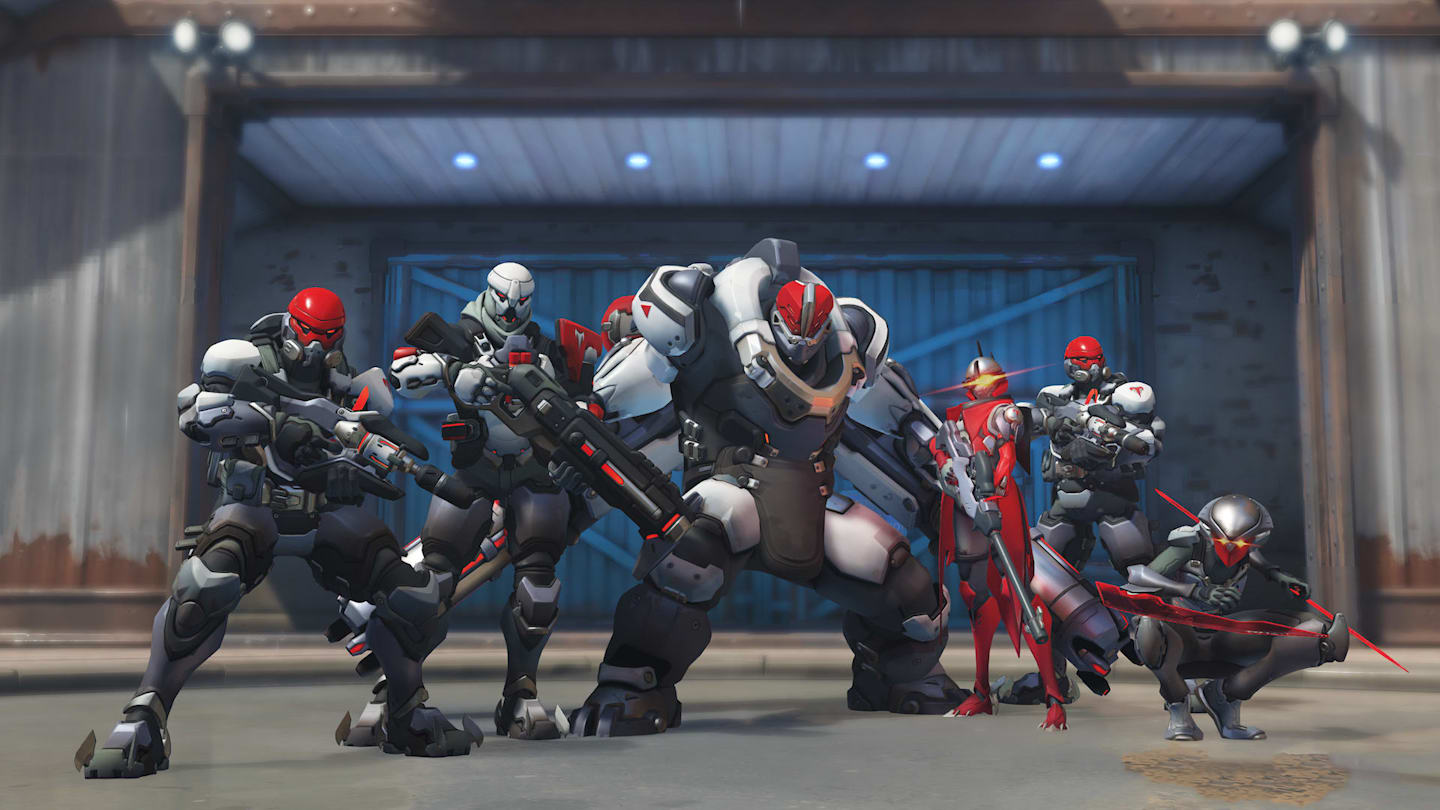
While PvE is often associated with solo play, a significant and growing segment of the gaming landscape is dedicated to cooperative PvE. In these modes, multiple players team up to tackle challenges presented by the game’s AI. This fosters camaraderie, strategic teamwork, and a shared sense of accomplishment.
Team-Based Missions and Raids
MMORPGs (Massively Multiplayer Online Role-Playing Games) are perhaps the most prominent genre featuring extensive cooperative PvE. Games like “World of Warcraft” and “Final Fantasy XIV” offer challenging group content, including dungeons and raids, that require players to coordinate their roles (tanks, healers, damage dealers), communicate effectively, and execute complex strategies to overcome powerful AI bosses.
Horde Modes and Survival Co-op
Other popular co-op PvE modes include “horde modes,” where teams of players defend against waves of increasingly difficult AI enemies (e.g., “Gears of War” horde mode), and survival games where players must collaborate to gather resources, build bases, and fend off environmental hazards and hostile AI creatures (e.g., “Valheim”). These modes emphasize teamwork, resource management, and strategic defense.
PvE with Competitive Elements
While distinct from pure PvP, some games creatively blend PvE elements with underlying competitive structures, often within a cooperative framework. These scenarios can offer a unique dynamic where players work together against AI, but their performance or contribution might be tracked or compared.
Asynchronous Competition
This might involve challenges where players compete against the “ghosts” or recorded runs of other players in a race or time trial. While the direct interaction is absent, a form of competition exists through striving to beat best times or scores set by others within the PvE framework.
PvE “Leagues” and Leaderboards
Some persistent online games might feature PvE content that feeds into leaderboards or seasonal “leagues.” While players are still fighting the AI, their achievements in these PvE challenges could be ranked against others, fostering a sense of competitive progression within a largely cooperative or solo environment. This creates a meta-game of sorts, encouraging optimization and mastery of PvE encounters.
The Evolution and Future of PvE in Gaming Technology
From its humble beginnings, Player versus Environment gameplay has undergone a remarkable transformation, driven by advancements in computing power, artificial intelligence, and game design philosophies. The future of PvE promises even more immersive, dynamic, and personalized experiences.
Technological Advancements Driving PvE
The increasing power of modern hardware has been a crucial catalyst for the evolution of PvE. Enhanced graphical capabilities allow for more detailed and realistic game worlds, while sophisticated physics engines enable more believable environmental interactions. Crucially, improvements in AI have allowed developers to create more complex and challenging enemy behaviors, as well as more nuanced and responsive NPCs.
Sophisticated AI and Procedural Generation
The future of PvE will likely see even more advanced AI that can learn from player behavior, adapt strategies on the fly, and present truly unique challenges. Procedural generation techniques, which allow games to create vast amounts of content algorithmically, are also poised to revolutionize PvE. This could lead to infinitely replayable worlds, emergent storytelling, and a constant stream of fresh content for players to explore, ensuring that even familiar PvE scenarios can feel new and exciting with each playthrough.
Cloud Computing and Persistent Worlds
The rise of cloud computing is also opening new avenues for PvE. It enables the creation of more persistent and dynamic game worlds that can be updated and expanded in real-time, even for single-player experiences. This could lead to PvE games that evolve alongside their player base, with ongoing events, dynamic world changes, and a truly living, breathing game environment that transcends the limitations of traditional, static game design.
Catering to Diverse Player Preferences
PvE’s enduring appeal lies in its ability to cater to a wide range of player motivations. While some players seek the thrill of direct competition, a significant portion of the gaming population prefers the immersion, narrative depth, and less pressure-filled environments that PvE offers.
The Comfort of Control and Progression
For many, PvE represents a welcome escape from the stress and frustration that can sometimes accompany competitive multiplayer. It offers a controlled environment where players can learn, experiment, and improve at their own pace, without the immediate pressure of being outmatched by more experienced human opponents. The sense of accomplishment derived from overcoming a difficult AI boss or solving a complex puzzle is a deeply satisfying reward in itself.

The Future of Personalized PvE
The future of PvE will likely see even greater personalization. Games may offer more dynamic difficulty scaling that truly adapts to a player’s skill level, or AI that can tailor challenges and narratives to a player’s individual preferences and playstyle. This could lead to experiences that feel tailor-made for each individual, further solidifying PvE’s position as a cornerstone of the gaming industry. The ability to craft a narrative that resonates deeply, or a challenge that perfectly hones specific skills, will be paramount in capturing and retaining player engagement in the years to come.
In conclusion, “what does PvE stand for” is a question that unlocks a vast and fascinating realm within video game design and player experience. Player versus Environment is more than just an acronym; it is a fundamental concept that underpins countless hours of entertainment, fosters deep narrative engagement, and continues to evolve with technological advancements. Whether through solo adventures or collaborative endeavors, PvE provides a rich and rewarding playground for players to explore, conquer, and immerse themselves in the boundless worlds that game developers create. As technology continues to push boundaries, the PvE experience is poised to become even more sophisticated, personalized, and integral to the future of interactive entertainment.
aViewFromTheCave is a participant in the Amazon Services LLC Associates Program, an affiliate advertising program designed to provide a means for sites to earn advertising fees by advertising and linking to Amazon.com. Amazon, the Amazon logo, AmazonSupply, and the AmazonSupply logo are trademarks of Amazon.com, Inc. or its affiliates. As an Amazon Associate we earn affiliate commissions from qualifying purchases.