
The name James Comey, former Director of the Federal Bureau of Investigation, evokes a complex tapestry of political drama, ethical dilemmas, and profound institutional challenges. While the public discourse often centers on the political ramifications of his decisions, a deeper, equally compelling narrative emerges when we view his tenure through the lens of brand management. “What did Comey do?” becomes a question not merely about actions, but about their indelible impact on his personal brand, the corporate identity of the FBI, and the broader landscape of public trust in critical institutions. His leadership offers an extraordinary, albeit cautionary, case study for strategists, communicators, and leaders grappling with brand equity in an era of unprecedented scrutiny and hyper-partisanship.
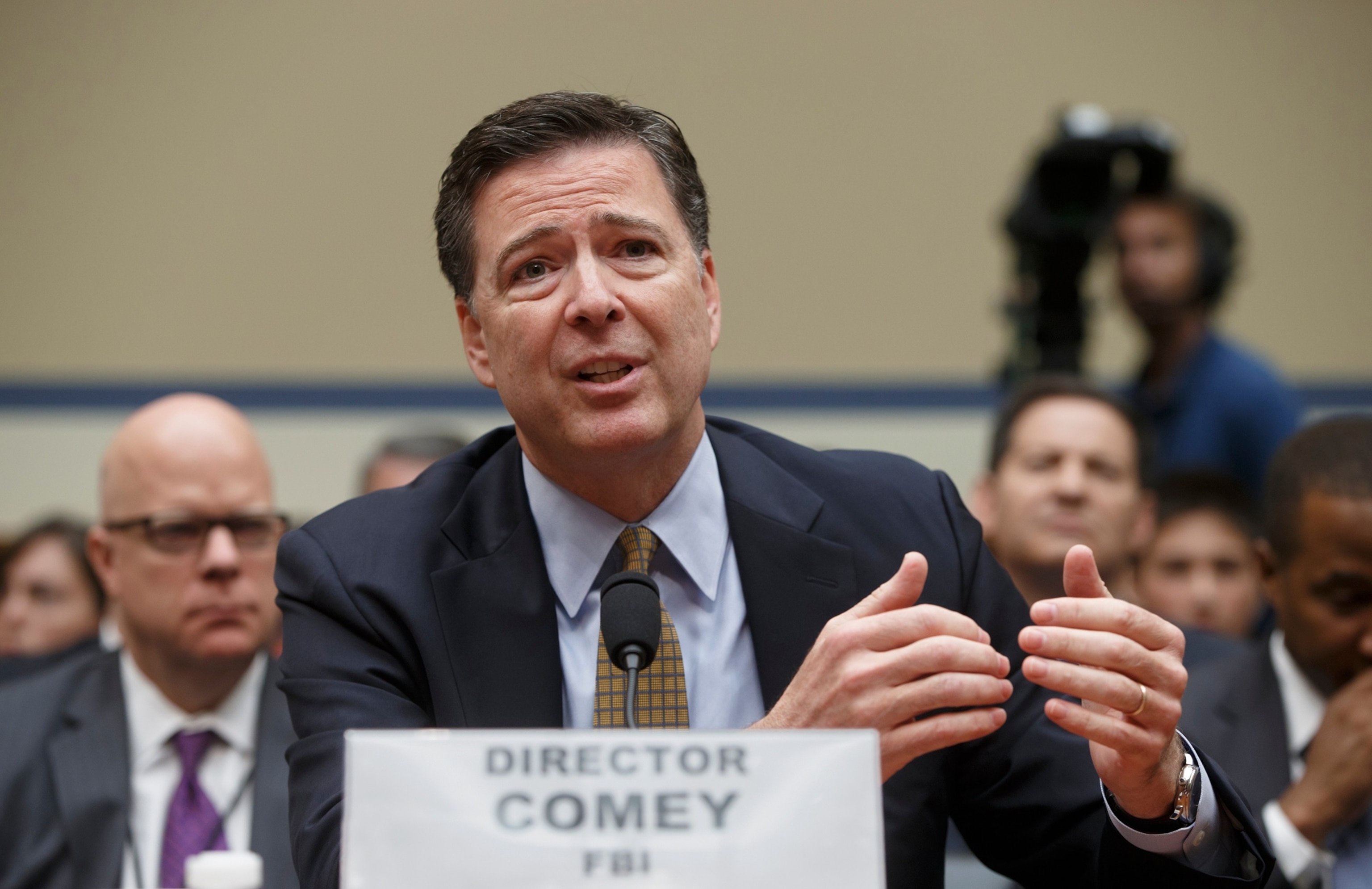
The Architect of His Own Narrative: James Comey’s Personal Brand
James Comey entered the national spotlight with a well-established personal brand: a no-nonsense, independent prosecutor known for his integrity and willingness to defy political pressure. This carefully cultivated image, built over decades in public service, was his most valuable asset, promising impartiality and adherence to principle. Yet, his final years at the FBI would test the resilience of this brand, demonstrating how even the most robust personal identities can be fractured under the weight of unforeseen circumstances and relentless public scrutiny.
From Straight-Arrow Prosecutor to Public Enigma
Comey’s early career was marked by instances of principled stands, most notably his opposition to the warrantless wiretapping program during the Bush administration. This act cemented his reputation as a “straight-arrow,” a public servant prioritizing the rule of law over political expediency. This personal brand was a significant factor in his appointment as FBI Director, signaling a perceived neutrality and independence crucial for leading such a sensitive organization. His initial brand promise was clear: he was above the political fray, a guardian of justice. This perception was his bedrock, influencing how the public and political leaders viewed his every move. His communication style, often didactic and earnest, further reinforced this image of a man driven by deeply held convictions rather than political calculation.
The Weight of Transparency: Decision-Making Under Scrutiny
Comey’s most controversial decisions, particularly regarding the investigation into Hillary Clinton’s use of a private email server, were often explained as attempts to uphold transparency and maintain institutional integrity. His public statements, including the July 2016 press conference where he criticized Clinton’s conduct while recommending no charges, and his October 2016 letter to Congress informing them of new developments, were presented as necessary disclosures to preserve the FBI’s credibility. From a branding perspective, Comey aimed to reinforce the FBI’s commitment to public accountability, and by extension, his own brand of transparent leadership. However, the timing and nature of these disclosures were widely criticized, with many arguing they inadvertently interfered with the presidential election. The intent to be transparent, while admirable in theory, collided with the realities of a highly charged political environment, leading to accusations of partisanship and recklessness. The perception of transparency morphed into a perception of interference, severely damaging his personal brand and introducing a divisive element that would prove difficult to shake.
The Aftermath: Rebranding and Legacy
Following his dramatic firing in May 2017 and his subsequent public testimony and book release (“A Higher Loyalty”), Comey embarked on a new phase of personal brand management. His book and public appearances offered his side of the story, attempting to reclaim his narrative and explain his decisions. This period highlighted the challenges of rebranding a public figure whose image has become inextricably linked to deeply polarizing events. His new public persona, that of a principled whistleblower or a cautionary tale, depended heavily on individual political alignment. For some, he remained a hero; for others, a partisan actor. This divergence underscores a critical lesson in personal branding: in a fragmented media landscape, controlling one’s narrative, especially post-controversy, is an uphill battle, often resulting in a brand that is intensely admired by one segment and vehemently opposed by another.
The FBI’s Corporate Identity Under Fire: A Test of Neutrality
Beyond Comey’s personal brand, his tenure profoundly impacted the corporate identity of the Federal Bureau of Investigation. The FBI’s brand, traditionally built on pillars of impartiality, professionalism, and unwavering dedication to justice, faced unprecedented strain as it became enmeshed in highly politicized investigations.
The FBI as an Apolitical Institution: A Cornerstone Brand Value
The FBI’s brand strength has historically rested on its perception as an apolitical, fact-driven law enforcement agency, operating above the partisan fray. This brand promise is essential for its effectiveness, as public trust in its neutrality is fundamental to its investigative authority and legitimacy. Agents are trained to be objective, their work driven by evidence, not political agendas. This institutional independence has been a carefully guarded asset, a core value underpinning its public image and operational integrity. Any erosion of this perception directly threatens the agency’s ability to fulfill its mission. The FBI’s brand identity, therefore, is not merely a matter of public relations; it is a strategic imperative.
Navigating the Political Crosscurrents: Brand Erosion or Reinforcement?
Comey’s public handling of the Clinton email investigation, and later the investigation into Russian interference in the 2016 election and potential ties to the Trump campaign, thrust the FBI into the very political spotlight it strives to avoid. While Comey often asserted that his actions were designed to protect the FBI’s independence and avoid the perception of political influence, the outcomes often had the opposite effect. Public pronouncements, such as the October 2016 letter to Congress, were perceived by many as an intervention in the electoral process, thereby undermining the FBI’s cherished brand of neutrality. Supporters of one political side accused the FBI of targeting their candidate, while the other side felt the agency was not aggressive enough. This no-win situation demonstrated the immense difficulty of maintaining a neutral brand in an environment where every action is immediately interpreted through a partisan lens. The agency’s corporate identity, once seen as monolithic and unyielding, appeared vulnerable to external pressures, leading to questions about its impartiality.
Rebuilding Trust: The Post-Comey Brand Challenge
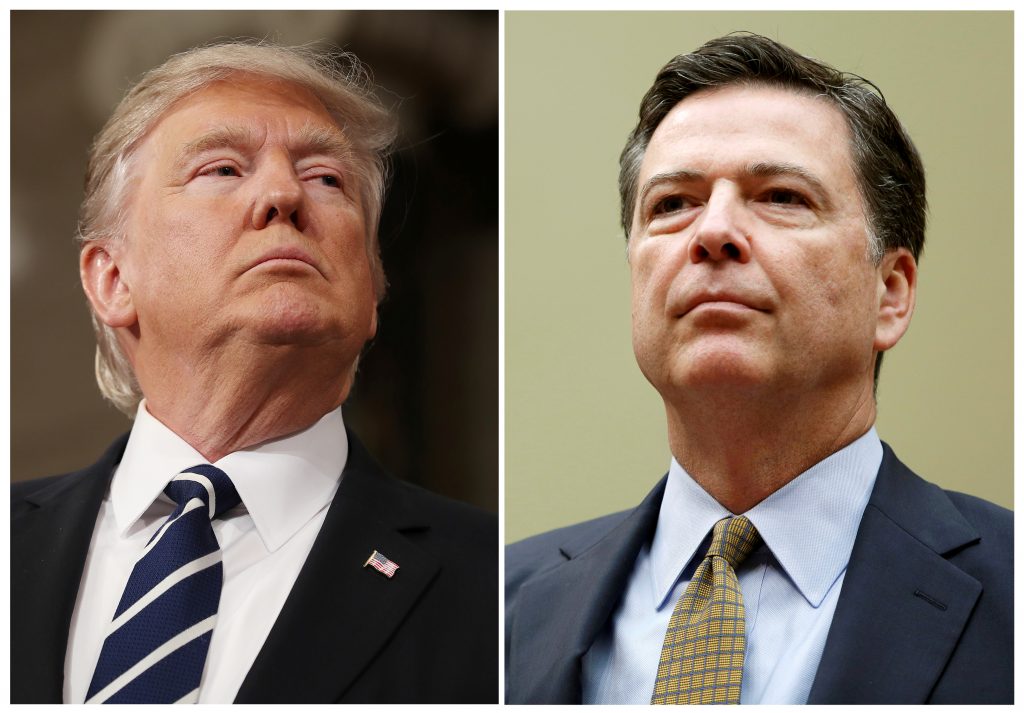
The departure of Comey did not immediately resolve the FBI’s brand challenges. Subsequent administrations and events continued to test its independence and public trust. The task of rebuilding and reinforcing the FBI’s brand of integrity, impartiality, and professionalism has been an ongoing and arduous process. It requires consistent communication, a demonstrable commitment to apolitical conduct, and effective leadership to steer the agency away from partisan battles. For any institution, the erosion of trust is far quicker and easier than its restoration. The FBI’s experience under Comey serves as a stark reminder that an organization’s brand is not static; it is constantly shaped by its actions, communications, and the broader socio-political context.
Case Studies in Crisis Communication and Brand Management
Comey’s time at the FBI provides invaluable, albeit painful, case studies in crisis communication and brand management, highlighting the profound impact of leadership decisions on institutional and personal reputation.
The Clinton Email Investigation: A Masterclass in Unintended Consequences
The FBI’s investigation into Hillary Clinton’s private email server became a defining moment for all involved. Comey’s public announcement in July 2016, detailing the findings but recommending no charges, was an unusual departure from FBI protocol. He justified it by stating that the unusual nature of the case, and the intense public interest, necessitated transparency. However, his highly critical remarks about Clinton’s “extremely careless” handling of classified information, coupled with the decision not to prosecute, created a perception of a mixed message and fueled accusations of selective justice or political maneuvering. The brand impact was immediate and widespread: Clinton’s campaign was damaged, the FBI’s neutrality was questioned, and Comey’s personal brand as an impartial figure began to fray. The October 2016 letter, just days before the election, reignited the controversy, further deepening the public’s distrust and leading to accusations of direct electoral interference. This episode demonstrates how an attempt at transparency, if not carefully calibrated and strategically communicated, can backfire spectacularly, leading to unintended and devastating brand consequences across multiple stakeholders.
The Trump-Russia Investigation: Managing Perceptions in a Hyper-Partisan Environment
The investigation into Russian interference in the 2016 election and potential collusion with the Trump campaign presented another unprecedented challenge for the FBI’s brand. This was an investigation involving a sitting president, unfolding in an intensely polarized political climate where facts were often overshadowed by partisan narratives. The communication challenge was immense: how to conduct a high-stakes, politically sensitive investigation while maintaining the public’s trust in the institution’s independence? The FBI largely maintained its traditional silence during active investigations, but this silence itself was interpreted in different ways: as a sign of integrity by some, and as an attempt to hide information or as an act of political obstruction by others. Comey’s actions, and later his firing, further politicized the investigation, making it a proxy battle in a larger political war. The struggle to manage perceptions during this period revealed the fragility of an institutional brand when caught in the crosshairs of hyper-partisanship, illustrating how even strict adherence to protocol can be twisted and weaponized in the court of public opinion.
The Art of Resignation and Retaliation: Exiting with Your Brand Intact (or Not)
Comey’s firing by President Trump, and his subsequent public testimony and book, offered another unique case study in crisis communication and personal brand management. His decision to document his interactions with the President and to make these notes public through a friend, and later to testify before Congress, was a deliberate act of narrative control. He sought to present his version of events, defend his actions, and expose what he perceived as undue pressure. For his supporters, these actions reinforced his brand as a truth-teller and a principled public servant. For his detractors, they solidified an image of a disgruntled former official seeking revenge or self-aggrandizement. This episode highlights how the manner of departure and subsequent actions can profoundly shape a leader’s long-term brand legacy, demonstrating the double-edged sword of public engagement in the wake of a high-profile termination.
Lessons for Leaders and Organizations: Preserving Brand Equity in Tumultuous Times
The story of James Comey’s tenure at the FBI is rich with lessons for leaders, organizations, and brand strategists grappling with the complexities of reputation management in the 21st century.
The Double-Edged Sword of Transparency
Comey’s experience underscores that while transparency is often lauded as a virtue in modern brand management, its application in highly sensitive contexts requires extreme caution and strategic foresight. Unfiltered or poorly timed transparency can lead to greater confusion, misinterpretation, and unintended consequences, ultimately harming rather than helping a brand’s credibility. Leaders must discern when and how to be transparent, weighing the benefits of openness against the risks of political weaponization and public misjudgment. Strategic communication, rather than mere disclosure, becomes paramount.
Upholding Core Values Under Pressure
The FBI’s struggle to maintain its brand of neutrality in the face of intense political pressure offers a stark reminder of the challenges organizations face in upholding their core values. When an institution’s very identity is questioned, leaders must double down on actions that visibly reinforce those values, even when unpopular or difficult. This requires clear internal communication, a unified public front, and an unwavering commitment to the mission, irrespective of political headwinds. The brand must be defended through consistent behavior and principled decision-making, not just rhetoric.
Leadership and Legacy: Crafting a Durable Brand Narrative
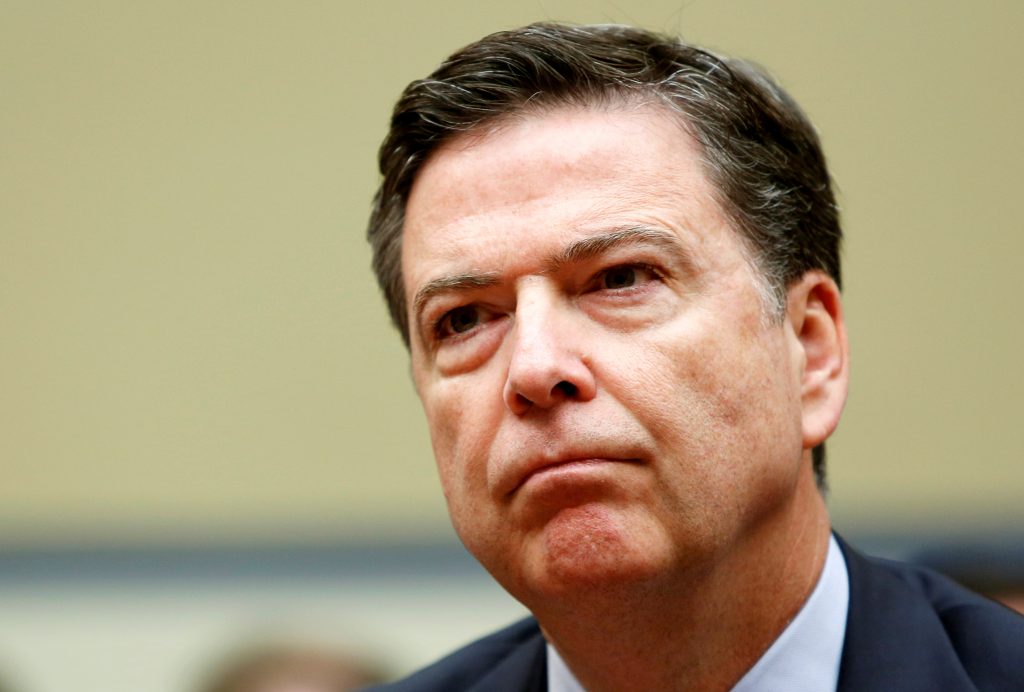
Ultimately, Comey’s story is about the complex interplay between leadership, decisions, and their indelible impact on personal and institutional brand legacy. Every action, every statement, contributes to a leader’s narrative and shapes public perception of the organization they represent. Crafting a durable brand narrative requires not just integrity in action, but also astute awareness of the broader context, the potential for misinterpretation, and the long-term consequences of short-term decisions. In an age of instant information and endless commentary, the challenge of building and maintaining a positive brand has never been greater, and the costs of missteps never higher.
In conclusion, “what did Comey do?” is a question that, when analyzed through the lens of brand management, offers profound insights into the challenges of leadership, communication, and institutional integrity in a volatile world. His tenure at the FBI serves as a compelling and complex case study, demonstrating how even individuals and institutions with strong, established brands can find their identities tested, questioned, and reshaped by high-stakes decisions and the relentless currents of public opinion. His legacy underscores the truth that brand equity, once painstakingly built, requires continuous vigilance and strategic management to withstand the storms of controversy and maintain public trust.
aViewFromTheCave is a participant in the Amazon Services LLC Associates Program, an affiliate advertising program designed to provide a means for sites to earn advertising fees by advertising and linking to Amazon.com. Amazon, the Amazon logo, AmazonSupply, and the AmazonSupply logo are trademarks of Amazon.com, Inc. or its affiliates. As an Amazon Associate we earn affiliate commissions from qualifying purchases.