
Pasteurization. It’s a word we encounter almost daily, emblazoned on the milk cartons in our refrigerators and a standard part of the lexicon surrounding dairy products. But beyond a general sense of it being a “good” thing for milk, what does pasteurised milk actually mean? For consumers, this term is a cornerstone of trust, a silent promise of safety and quality delivered by the brands that produce and distribute it. Understanding pasteurization is not just about food science; it’s about understanding the sophisticated strategies brands employ to ensure product integrity and build enduring relationships with their customers.
This process, far from being a simple technicality, is a critical element of brand strategy. It allows dairy companies to differentiate their products in a crowded marketplace, assure consumers of their commitment to health and safety, and ultimately, command a premium based on perceived value. In a world increasingly focused on transparency and provenance, the story behind pasteurization is a powerful narrative that brands leverage to connect with their audience on a deeper level.
The Science of Safety: A Brand’s First Line of Defense
At its core, pasteurization is a thermal process designed to eliminate harmful microorganisms present in raw milk. The concept, pioneered by Louis Pasteur in the 19th century, was revolutionary. It transformed milk from a potentially risky commodity into a safe and reliable staple for millions. For brands in the dairy industry, this scientific breakthrough became the bedrock upon which their entire reputation and product offering were built.
Eliminating Pathogens: The Core Benefit
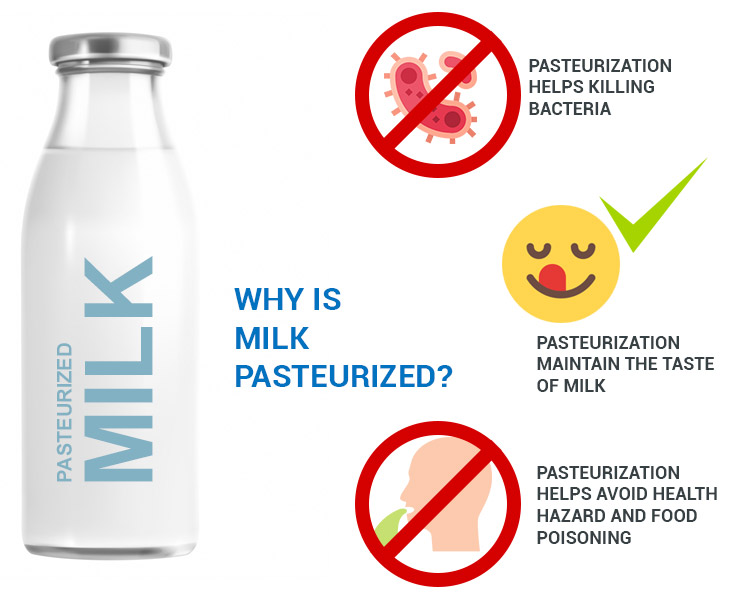
Raw milk, in its natural state, can harbor a variety of bacteria, viruses, and parasites that are detrimental to human health. These include dangerous pathogens like Listeria monocytogenes, Salmonella, E. coli O157:H7, and Campylobacter. Ingesting milk contaminated with these microorganisms can lead to severe foodborne illnesses, ranging from gastrointestinal distress to life-threatening conditions.
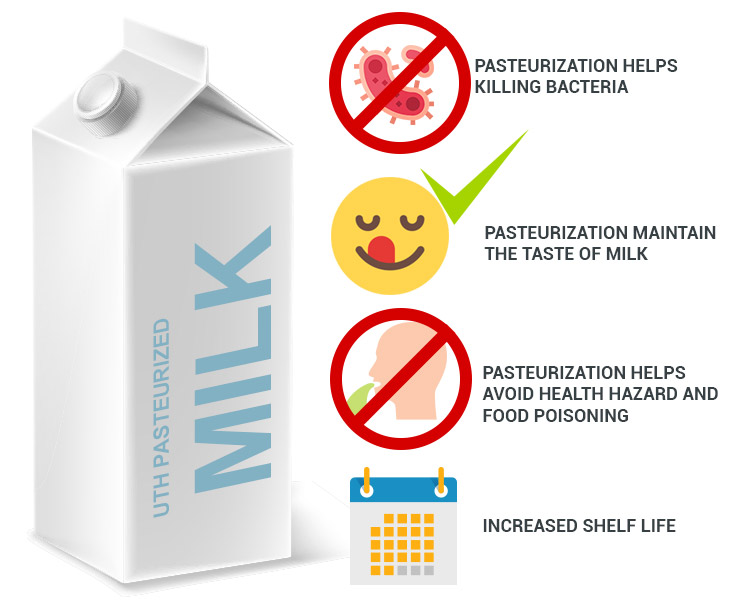
Brands that choose to pasteurise their milk are making a profound statement about their responsibility to consumer well-being. This deliberate act of processing is not merely a regulatory requirement; it is a proactive measure to mitigate risk and safeguard public health. By effectively neutralizing these harmful agents, pasteurization significantly reduces the incidence of milk-borne diseases, thereby establishing a foundational level of trust between the consumer and the brand.
Preserving Nutritional Value: A Delicate Balance
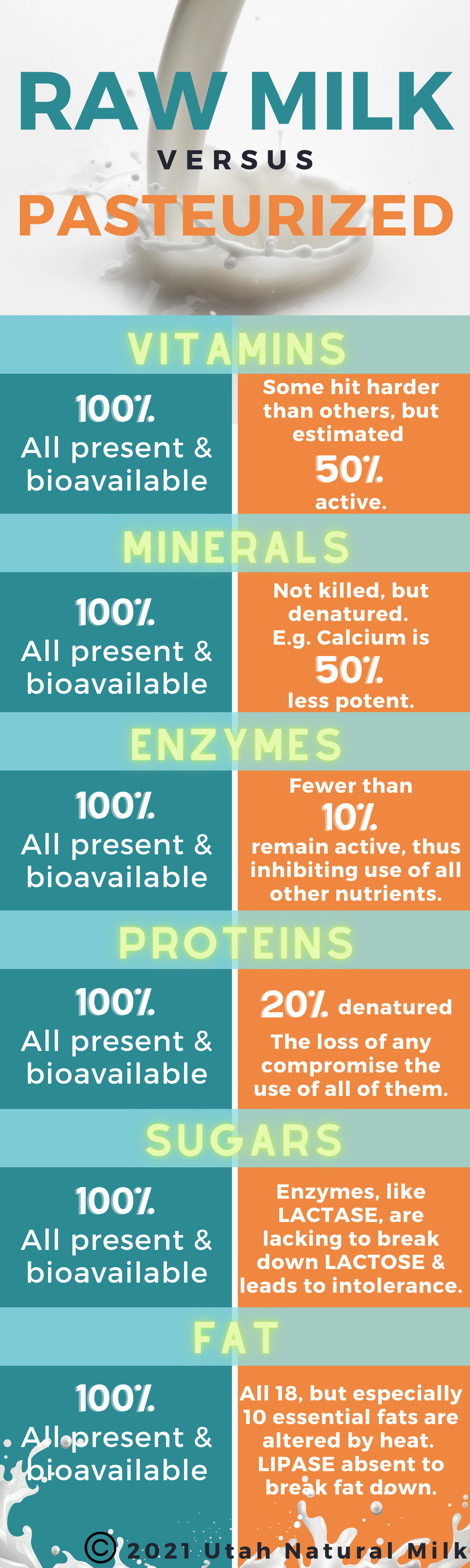
A common misconception is that pasteurization significantly degrades the nutritional quality of milk. However, scientific research and decades of practice have demonstrated that while some minor losses of certain heat-sensitive vitamins (like Vitamin C and some B vitamins) may occur, the overall nutritional profile of pasteurized milk remains largely intact. The essential nutrients, such as calcium, protein, Vitamin D (often added through fortification), and phosphorus, are not adversely affected by the moderate heat treatments employed.
Brands that highlight the nutritional completeness of their pasteurised milk are leveraging this understanding. They emphasize that the safety benefits far outweigh any minimal nutritional compromises. In fact, many brands proactively address potential nutrient losses through fortification, further enhancing the perceived value and health benefits of their product. This strategic approach allows brands to present pasteurized milk not just as safe, but as a holistically beneficial component of a healthy diet.
Extending Shelf Life: Operational Efficiency and Consumer Convenience
Beyond immediate health benefits, pasteurization plays a crucial role in extending the shelf life of milk. By reducing the number of spoilage microorganisms, it slows down the natural processes of decay, preventing the milk from souring and becoming unpalatable prematurely. This extended shelf life is a significant operational advantage for dairy brands.
For brands, this translates into more efficient supply chain management, reduced product waste, and the ability to distribute milk over wider geographical areas. From a consumer perspective, it means greater convenience. People can purchase milk with the confidence that it will remain fresh and safe to drink for a reasonable period, allowing for better meal planning and reducing the need for frequent shopping trips. Brands that effectively communicate this benefit of freshness and convenience to their consumers build loyalty by offering a product that seamlessly integrates into modern lifestyles.
Types of Pasteurization: Brand Differentiation Through Process
While the core principle of pasteurization remains the same, there are several methods employed, each offering subtle differences that brands can leverage for differentiation and to cater to specific market segments or quality perceptions. The choice of pasteurization method can subtly influence the perceived quality, freshness, and even the price point of a product.
High-Temperature Short-Time (HTST) Pasteurization: The Industry Standard
HTST is the most widely used method of pasteurization in the dairy industry globally. Typically, milk is heated to at least 72°C (161°F) for 15 seconds, or a scientifically equivalent time-temperature combination. This rapid heating and cooling process is highly effective at killing most harmful bacteria while minimizing any impact on the milk’s taste and nutritional content.
Brands that primarily utilize HTST pasteurization often position their products as the reliable, everyday choice. They emphasize the established safety standards and the efficient, cost-effective nature of this process, which allows them to offer high-quality milk at accessible price points. The ubiquity of HTST means that consumers generally understand and trust this method, making it a safe and standard choice for many brands looking to serve a broad market.
Ultra-High Temperature (UHT) Pasteurization: Extended Shelf Life and Global Reach
UHT, also known as ultra-pasteurization, involves heating milk to a much higher temperature, typically around 135-150°C (275-302°F), for a very short duration, often just 1-2 seconds. This intense heat treatment kills virtually all microorganisms, including spores, rendering the milk commercially sterile.
The primary benefit of UHT is its ability to extend the shelf life of milk significantly, often for several months, even without refrigeration, until opened. Brands that employ UHT processing often target consumers seeking long-term storage solutions, those in areas with less reliable refrigeration, or for use in products where extended shelf life is critical (e.g., in emergency kits, camping supplies, or for export markets). UHT milk is often packaged in aseptic containers, further enhancing its shelf stability. Brands using UHT can therefore differentiate themselves by offering unparalleled convenience and reliability, appealing to a segment of the market that prioritizes longevity and portability.
Vat Pasteurization (Batch Pasteurization): The Artisanal Appeal
Vat pasteurization, also known as batch pasteurization, involves heating milk in a large vat to a lower temperature, typically around 63°C (145°F), for a longer period, at least 30 minutes. This is a slower, more traditional method.
While less common for mass-market milk production due to its lower efficiency and higher operational costs, vat pasteurization is often employed by smaller dairies, artisanal producers, and those focusing on niche markets. Brands that use this method often leverage its “traditional” or “craft” appeal. They can market their milk as being processed with more care and attention, evoking a sense of heritage and premium quality. This method can be a powerful tool for brands seeking to differentiate themselves through an emphasis on artisanal production and a more hands-on approach to dairy processing.
Consumer Perception and Brand Trust: The Power of Pasteurization in Marketing
The term “pasteurised” is more than just a descriptor; it’s a powerful marketing tool that brands utilize to build trust, convey safety, and justify their product’s value proposition. In an era where consumers are increasingly scrutinizing their food choices, the assurance of safety provided by pasteurization is paramount.
Safety as a Cornerstone of Brand Identity
For dairy brands, safety is not just a feature; it’s a fundamental pillar of their identity. By clearly labeling their milk as pasteurised, brands are communicating a commitment to consumer health and a rejection of unnecessary risks. This simple act of labeling acts as a silent endorsement of the brand’s responsibility and diligence. Consumers often make purchasing decisions based on this implicit guarantee of safety. A brand that is perceived as prioritizing the well-being of its customers is more likely to foster loyalty and positive word-of-mouth.
Building Trust Through Transparency
The process of pasteurization, while scientific, can be explained to consumers in a way that enhances transparency and builds trust. Brands that take the initiative to educate their audience about why and how their milk is pasteurised are further solidifying their credibility. This can be achieved through website content, packaging information, social media campaigns, or even in-store displays. By demystifying the process and highlighting its benefits, brands can empower consumers with knowledge, fostering a deeper appreciation for the product and the care taken in its production. This transparency is particularly important for brands aiming to connect with health-conscious consumers who seek to understand the provenance and processing of their food.
The “Non-Pasteurised” Narrative: A Niche Market and its Risks
While pasteurization is the overwhelmingly dominant practice for safety reasons, it’s worth acknowledging the existence of raw milk markets. These markets, though often small and highly regulated (where permitted), operate on a different brand narrative – one often emphasizing “naturalness,” “unprocessed,” or “heritage.” However, brands venturing into or supporting raw milk production must be acutely aware of the inherent risks and the significant regulatory hurdles. The potential for serious health implications associated with unpasteurized milk can be a major reputational hazard. Most mainstream dairy brands wisely steer clear of this space, prioritizing broad consumer safety and established trust through pasteurization. The contrast between the safe, reliable offering of pasteurised milk and the potentially risky, niche appeal of raw milk further highlights the strategic importance of pasteurization as a brand differentiator for the vast majority of the dairy industry.
In conclusion, “what does pasteurised milk mean” is a question that extends far beyond the realm of culinary science. It delves into the core of brand strategy, encompassing product integrity, consumer trust, and market positioning. Pasteurization is a testament to a brand’s commitment to safety and quality, a scientific process that underpins a powerful promise of well-being for millions of consumers. By understanding and effectively communicating the value of this process, dairy brands can continue to build strong, lasting relationships with their audience, ensuring that their products are not just consumed, but trusted.
aViewFromTheCave is a participant in the Amazon Services LLC Associates Program, an affiliate advertising program designed to provide a means for sites to earn advertising fees by advertising and linking to Amazon.com. Amazon, the Amazon logo, AmazonSupply, and the AmazonSupply logo are trademarks of Amazon.com, Inc. or its affiliates. As an Amazon Associate we earn affiliate commissions from qualifying purchases.