
Nail polish, a ubiquitous cosmetic product, offers a vibrant and expressive means of personal adornment. Yet, its removal, a seemingly simple act, relies on a sophisticated interplay of chemistry and innovative product design. The question of “what removes nail polish” opens a window into the technological advancements in solvent development, formulation science, and user-friendly application tools that have evolved to make this daily ritual efficient and increasingly gentle on our nails. This exploration delves into the scientific principles and technological innovations that underpin effective nail polish removal.
The Chemical Arsenal: Understanding the Solvents at Play
At its core, nail polish removal is a chemical process of dissolution. The lacquer itself is a complex formulation, typically comprising film-forming agents (like nitrocellulose), plasticizers, pigments, and various other additives suspended in a solvent. To break down this matrix, a solvent capable of interacting with and dissolving these components is required. The effectiveness of a nail polish remover hinges on its ability to selectively target and solubilize the nail polish without causing undue harm to the nail bed or surrounding skin.
Acetone: The Potent Powerhouse
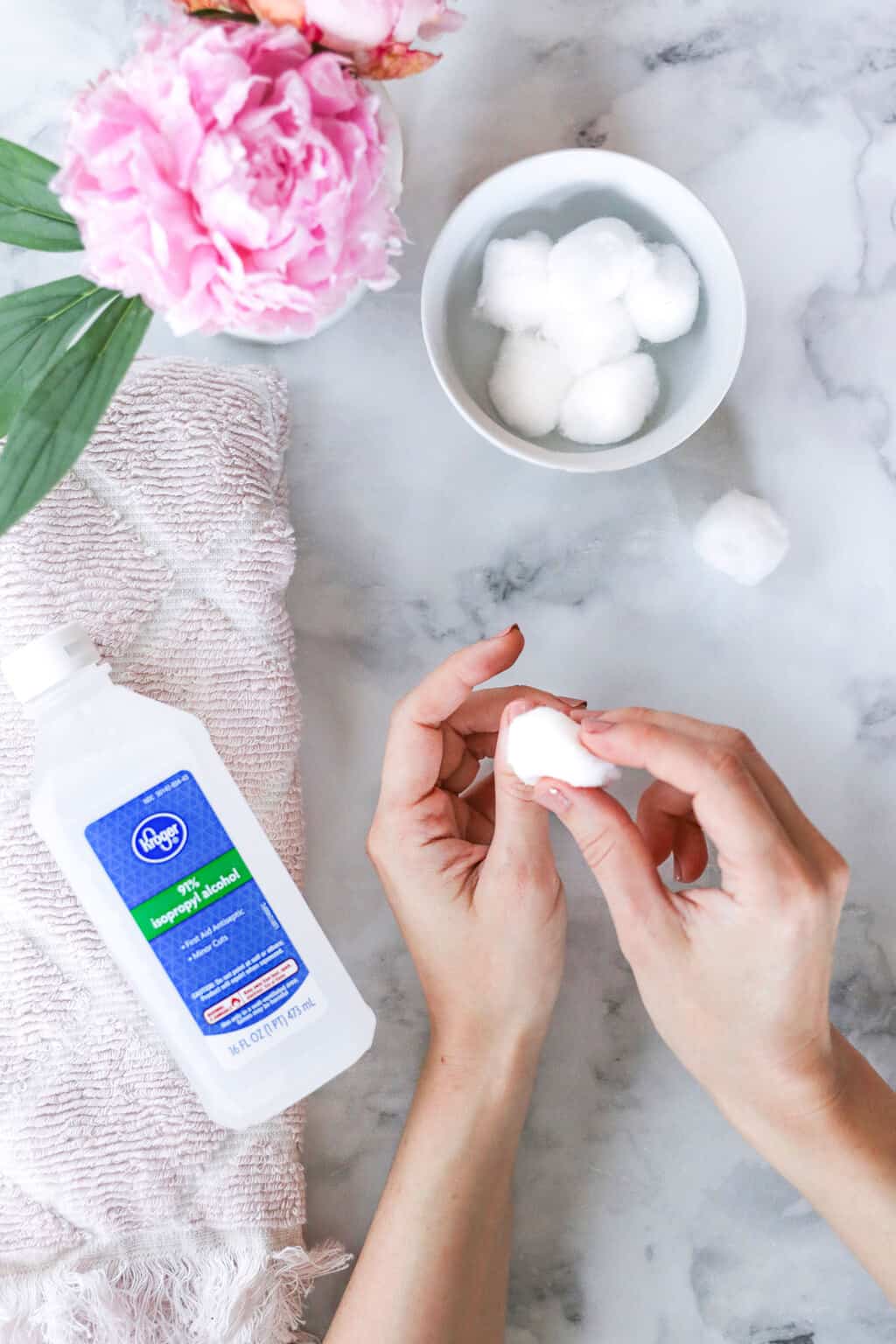
Acetone (CH₃COCH₃) is perhaps the most well-known and potent solvent used in nail polish removers. It is a small, polar organic molecule that exhibits excellent solvency for a wide range of organic compounds, including the polymers and resins that form the backbone of most nail polishes.
- Mechanism of Action: Acetone’s effectiveness stems from its ability to disrupt the intermolecular forces that hold the nail polish film together. Its polar nature allows it to readily interact with the polar components of the polish, while its organic structure enables it to dissolve the non-polar elements. This dual capability facilitates the breakdown of the lacquer into a soluble state, allowing it to be wiped away.
- Technological Advancements in Acetone-Based Removers: While pure acetone is highly effective, it can also be quite drying and harsh. Technological advancements in formulation have led to the development of acetone-based removers that incorporate moisturizing agents, such as glycerin or vitamin E. These additives aim to mitigate the drying effects of acetone, providing a more balanced removal experience. Furthermore, the delivery mechanisms for these removers have also evolved, with precision applicators and dampened pads designed to control the amount of product used and minimize exposure to surrounding skin.
Non-Acetone Solvents: Gentler Alternatives Through Chemical Engineering
Recognizing the potential for irritation and damage associated with acetone, the cosmetic industry has invested heavily in the research and development of non-acetone nail polish removers. These formulations utilize alternative solvents that, while perhaps requiring a slightly longer contact time or more vigorous rubbing, offer a gentler experience.
- Ethyl Acetate and Butyl Acetate: These are esters commonly found in non-acetone removers. They are less volatile and generally less aggressive than acetone. Their solvency power comes from their ability to break down the polymer chains in nail polish, albeit at a slower rate than acetone.
- Formulation Strategies: The effectiveness of ethyl acetate and butyl acetate-based removers is often enhanced through synergistic blends with other mild solvents and the inclusion of conditioning agents. This careful chemical engineering allows for effective polish removal without the harshness associated with higher-strength solvents.
- Propylene Carbonate: This cyclic carbonate is another example of a milder solvent increasingly employed in nail polish removers. It exhibits good solvency for many organic materials and is known for its low toxicity and minimal odor.
- Biodegradability and Sustainability: The drive for more environmentally friendly cosmetic ingredients has also influenced solvent selection. Propylene carbonate, for instance, is considered a greener alternative compared to some traditional petroleum-based solvents, aligning with broader technological trends towards sustainability in consumer products.
Innovative Formulations: Beyond Simple Dissolution
The technology behind nail polish removal extends beyond the primary solvent. Modern removers are sophisticated chemical formulations designed to optimize performance, enhance user experience, and address specific nail concerns.
Emollient and Conditioning Technologies

One of the most significant technological advancements in nail polish removers has been the integration of emollients and conditioning agents. These ingredients work to counteract the stripping effect of solvents, leaving nails and cuticles moisturized and healthy.
- Glycerin and Humectants: Glycerin is a common humectant, attracting moisture from the environment and helping to retain it in the nail and skin. This prevents excessive dryness and brittleness that can result from solvent exposure. Other humectants, like hyaluronic acid or panthenol (Vitamin B5), are also employed for their superior moisturizing properties.
- Oils and Fatty Acids: The incorporation of natural oils (e.g., jojoba oil, almond oil) or synthetic emollients provides a lipid barrier that helps to replenish lost moisture and protect the nail plate. These ingredients contribute to a smoother feel and can help to prevent nail damage over time.
- Vitamins and Antioxidants: Some advanced formulations include vitamins like Vitamin E, known for its antioxidant and restorative properties. These ingredients can help to protect the nail from environmental damage and support its overall health.
Targeted Removal Technologies
The pursuit of efficiency and ease of use has led to the development of specialized nail polish removal technologies. These innovations aim to make the process faster, cleaner, and more targeted.
- Pre-Soaked Pads and Wipes: This format represents a significant technological leap in convenience. Pre-saturated pads or wipes deliver a measured amount of remover directly to the nail, eliminating the need for cotton balls or pads and reducing product waste. The technology behind the saturation process ensures an even distribution of the solvent for consistent removal.
- “Dip” Removers: These innovative containers feature a sponge or applicator saturated with remover, into which the user dips their finger. This design is highly efficient, often removing polish in a single twist or dip, and minimizes contact with the surrounding skin. The internal design of these removers often incorporates features to maximize solvent-to-nail contact and minimize evaporation.
- “Scraper” or “Pencil” Applicators: For precise removal, particularly around the cuticle or for intricate nail art, pencil-like applicators filled with remover have emerged. These tools offer controlled application, allowing for targeted removal of polish without affecting surrounding areas, a testament to miniaturization and precision engineering in cosmetic tools.
The Future of Nail Polish Removal: Towards Smarter and Safer Solutions
The technological evolution of nail polish removal is far from over. Ongoing research and development are focused on creating even more effective, safer, and environmentally conscious solutions.
Biodegradable and Sustainable Formulations
The increasing consumer demand for eco-friendly products is driving innovation in solvent chemistry. Future nail polish removers are likely to feature:
- Bio-based Solvents: The development of solvents derived from renewable resources, such as plant-based materials, is a key area of research. These alternatives aim to reduce reliance on petrochemicals and minimize the environmental footprint of cosmetic products.
- Water-Based or Low-VOC Formulations: Efforts are underway to develop effective nail polish removers with significantly reduced volatile organic compound (VOC) content, contributing to better indoor air quality and a healthier user experience.
Enhanced Nail Health Integration
The line between cosmetic enhancement and nail care is blurring. Future nail polish removers may increasingly integrate advanced nail-strengthening and treatment technologies:
- Repair and Fortification: Formulations could be developed to not only remove polish but also to actively repair damaged nail keratin or fortify the nail structure during the removal process. This could involve the inclusion of advanced peptide technologies or biomimetic compounds.
- Personalized Removal Solutions: With the advancement of diagnostic tools and AI, it’s conceivable that nail polish removers could become more personalized. Based on an individual’s nail type, sensitivity, and the specific type of polish being removed, tailored formulations could be recommended or even custom-blended.
In conclusion, the simple act of removing nail polish is underpinned by a fascinating array of chemical principles and technological innovations. From the potent solvency of acetone to the gentle efficacy of engineered ester blends, and the user-friendly designs of modern applicators, the industry continues to push the boundaries of what is possible. As we look to the future, the focus on sustainability, enhanced nail health, and personalized solutions promises even more sophisticated and beneficial advancements in this often-overlooked area of cosmetic technology.
aViewFromTheCave is a participant in the Amazon Services LLC Associates Program, an affiliate advertising program designed to provide a means for sites to earn advertising fees by advertising and linking to Amazon.com. Amazon, the Amazon logo, AmazonSupply, and the AmazonSupply logo are trademarks of Amazon.com, Inc. or its affiliates. As an Amazon Associate we earn affiliate commissions from qualifying purchases.