
In the dynamic world of global branding, acronyms often serve as concise identifiers, encapsulating a product line’s essence or a brand’s strategic direction. Few are as recognized in their niche as “SB” within the Nike empire. While the two letters themselves might appear simple, their meaning, and more importantly, the brand strategy behind them, tell a profound story of market entry, cultural integration, and the meticulous art of building an authentic identity. At its core, the “SB” in Nike SB stands for Skateboarding. However, understanding merely the literal translation misses the richness of a branding journey that transformed skepticism into reverence, and a latecomer into an industry leader.
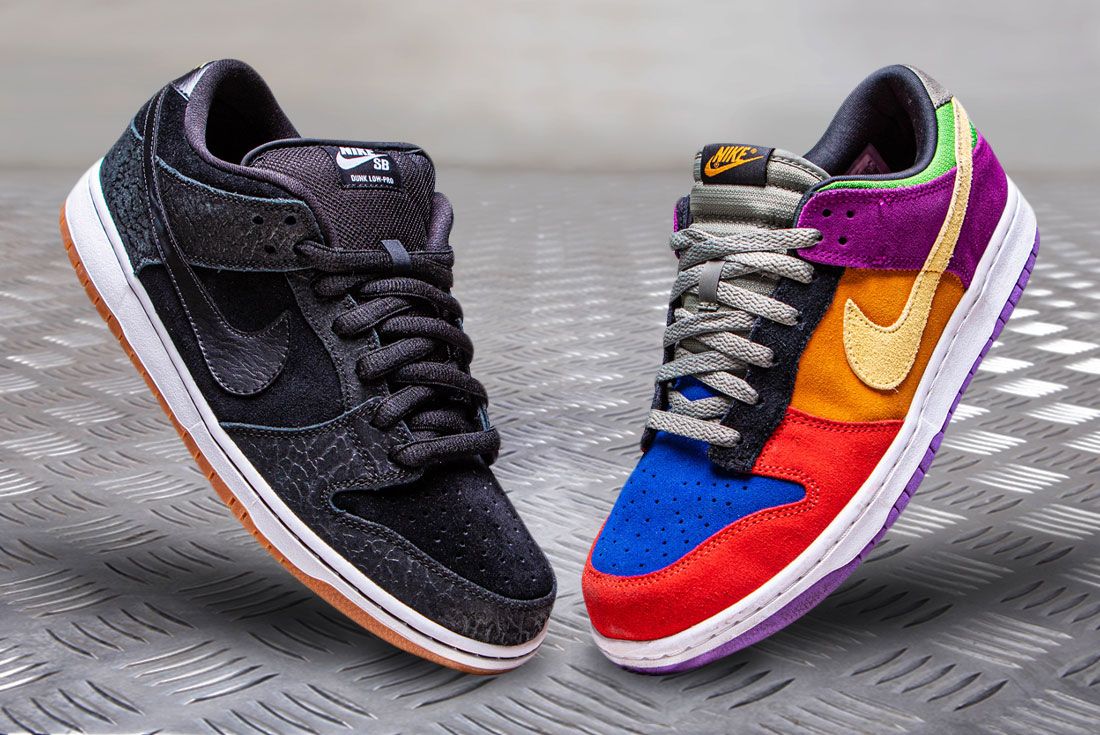
This article delves into the strategic rationale behind the Nike SB designation, exploring how a seemingly straightforward acronym became the cornerstone of a highly successful sub-brand. We will unpack the genesis of Nike SB, examine the sophisticated branding tactics employed to win over a notoriously insular community, and analyze the enduring impact of this venture on Nike’s broader brand perception and the skateboarding culture itself.
Decoding the Acronym: Skateboarding’s Emblem
The decision to brand a specific line as “Nike SB” was more than a mere naming convention; it was a declaration of intent, a strategic signal to a market that Nike had previously struggled to penetrate. The two letters, “SB,” were chosen for their unequivocal clarity, leaving no doubt about the product line’s dedicated purpose: skateboarding.
The Genesis of Nike SB: A Calculated Entry
For decades, Nike, the undisputed titan of athletic footwear, had observed the burgeoning skateboarding market from a distance. While other brands, particularly those born directly from skate culture like Vans and Etnies, dominated, Nike’s sporadic attempts to enter the scene in the late 1990s were met with resistance, if not outright disdain. The existing skate community viewed Nike as an outsider, a corporate behemoth that lacked authenticity and understanding of their unique culture and technical demands.
This initial failure taught Nike a crucial lesson: authenticity trumps size. Rather than trying to co-opt existing skate lines or rebrand general athletic shoes, Nike realized it needed a completely new approach – one that was deeply rooted in and dedicated to skateboarding. This recognition led to the conceptualization of a distinct entity, a sub-brand that would speak directly to skaters, developed by skaters, and for skaters. Thus, in 2002, Nike SB was officially launched. The “SB” was not just a label; it was a commitment.
The Power of Simplicity: “Skateboarding” as a Direct Brand Message
The decision to have “SB” explicitly stand for “Skateboarding” was strategically brilliant in its simplicity and directness. In a market where credibility was everything, ambiguity would have been fatal. By clearly defining its purpose in its name, Nike SB instantly communicated its niche focus. This directness was vital for several reasons:
Firstly, it immediately differentiated the line from Nike’s vast general athletic offerings. Skaters knew these weren’t just repurposed basketball shoes; they were engineered for their sport.
Secondly, it fostered a sense of belonging and specificity. The brand wasn’t attempting to appeal to everyone; it was for “Skateboarding.” This narrowed focus helped build a dedicated community around the brand.
Finally, it demonstrated a respect for the sport itself. By giving skateboarding its own dedicated platform within the Nike ecosystem, it elevated its status and acknowledged its unique requirements, both technical and cultural.
This simple yet powerful naming convention laid the groundwork for Nike SB’s audacious market entry, setting the stage for a branding narrative built on precision, purpose, and ultimately, unparalleled success.
Beyond the Initials: Crafting a Brand Identity for the Streets
While “Skateboarding” defined the line’s purpose, the true genius of Nike SB’s branding lay in its execution – the intricate strategies employed to build a credible and desirable identity within a fiercely independent culture. Nike understood that an acronym alone wouldn’t win hearts; it required a profound understanding of the community, strategic product development, and masterful marketing.
From Skepticism to Acceptance: Nike SB’s Market Entry Strategy
Nike’s previous missteps in skateboarding underscored the importance of an authentic approach. The launch of Nike SB wasn’t just about new shoes; it was about building trust. This was achieved through several key strategies:
- Enlisting Industry Insiders: Nike hired figures deeply entrenched in skateboarding, such as Sandy Bodecker, who is often credited as the architect of Nike SB. These insiders understood the nuances of the culture, the technical demands of the sport, and the unspoken codes of the community. Their presence lent immediate credibility.
- Signing Pro Skaters: Rather than traditional celebrity endorsements, Nike SB strategically signed influential professional skateboarders like Paul Rodriguez, Eric Koston, and Stefan Janoski. These were not just athletes; they were cultural icons whose endorsement resonated deeply with the core audience. Their involvement in product development further solidified the brand’s authenticity.
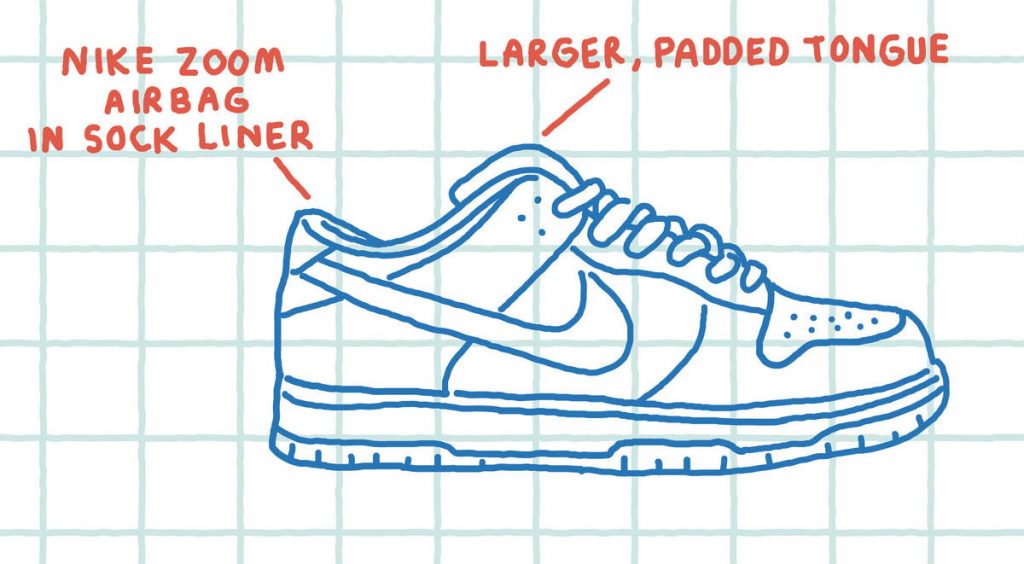
- Focusing on Performance: The initial product lineup, spearheaded by the redesigned Nike Dunk SB, was not merely aesthetically pleasing; it was engineered specifically for skateboarding. Features like Zoom Air units for impact protection, padded tongues for comfort, and durable outsoles addressed specific skater needs, demonstrating Nike’s commitment to functionality over mere fashion.
This multi-pronged approach slowly chipped away at the ingrained skepticism, proving that Nike SB was serious about skateboarding and genuinely invested in the community’s needs.
The Art of Cultivating Desire: Collaboration and Scarcity
One of the most impactful branding strategies employed by Nike SB, particularly in its formative years, was the masterful use of collaboration and manufactured scarcity. This approach transformed the brand from a performance-oriented line into a cultural phenomenon, blurring the lines between sport, fashion, and art.
- Limited Edition Releases: Nike SB adopted a strategy of releasing shoes in extremely limited quantities, often through select skate shops and boutiques rather than mainstream Nike retailers. This created immense hype and a sense of exclusivity, driving demand far beyond supply. Each release became an event, fostering long lines and fervent discussions among collectors and enthusiasts.
- Artist and Brand Collaborations: Collaborating with influential artists, graphic designers, and niche brands (e.g., Supreme, Diamond Supply Co.) injected unique aesthetics and narratives into the footwear. These partnerships not only expanded Nike SB’s cultural reach but also reinforced its image as a brand at the intersection of skateboarding and cutting-edge streetwear. Each collaboration told a story, making the shoes more than just footwear; they became wearable art and cultural artifacts.
- Community Engagement: By partnering with local skate shops for distribution, Nike SB nurtured relationships directly within the community. These shops became hubs for the culture, and their exclusive access to limited-edition releases further solidified their importance and Nike SB’s connection to the grassroots.
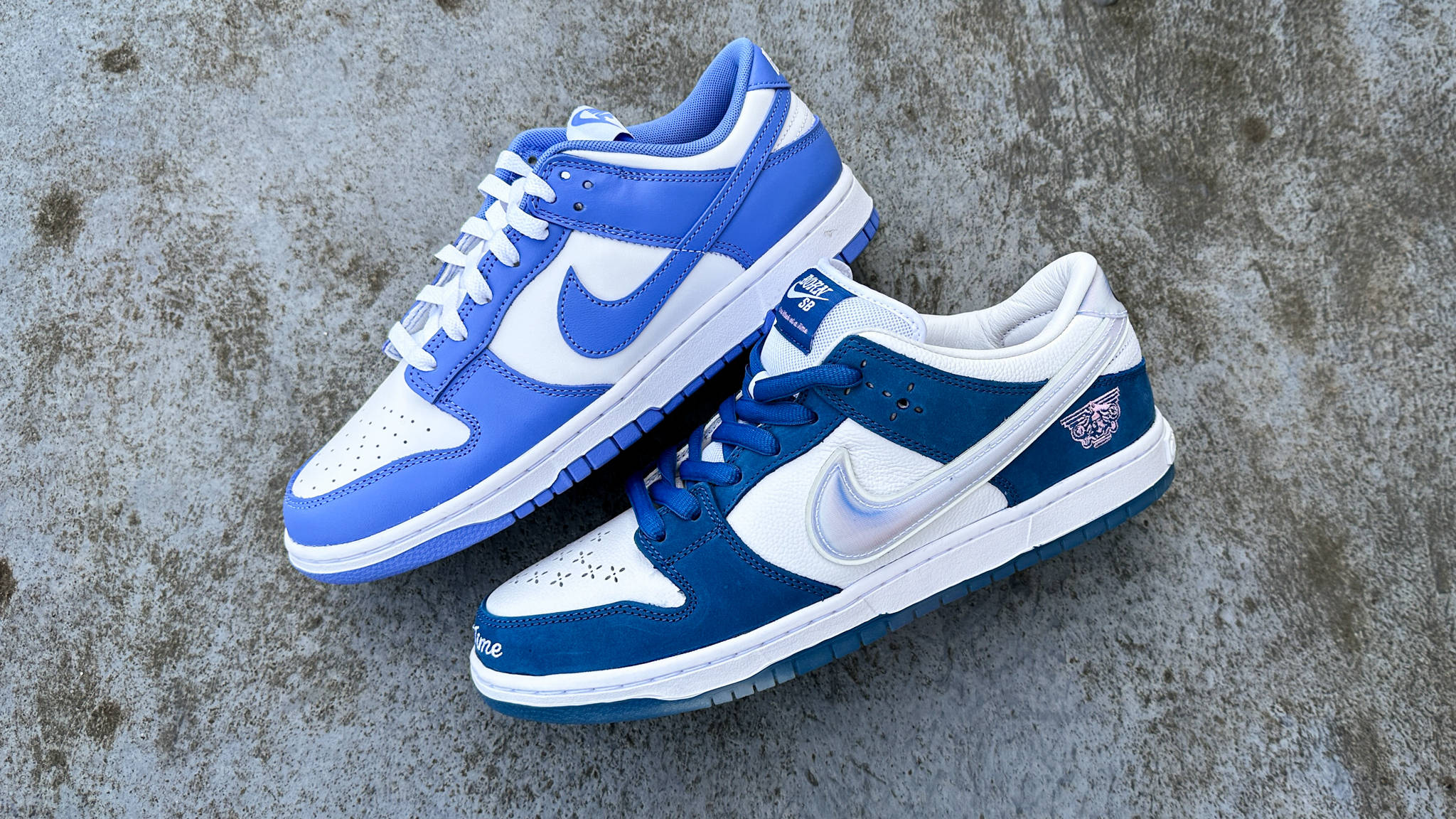
This sophisticated blend of limited availability, strategic partnerships, and community integration created a powerful brand identity that transcended mere functionality, establishing Nike SB as a coveted emblem of skate culture and streetwear cool.
The Broader Impact: Reshaping Nike’s Perception and Skate Culture
Nike SB’s journey from outsider to icon did more than just sell shoes; it profoundly impacted Nike’s overall brand perception and left an indelible mark on skateboarding culture. It demonstrated Nike’s adaptability and solidified its position not just as a sportswear giant, but as a culturally savvy innovator.
Elevating Skate Culture within a Global Giant
Before Nike SB, skateboarding, while immensely popular, was often viewed by mainstream society as a fringe activity, associated with rebellion and counter-culture. While this appealed to its core followers, it limited its broader acceptance and commercial potential. Nike SB changed this dynamic:
- Mainstream Visibility: By bringing skateboarding footwear and apparel into the global spotlight through a major brand like Nike, Nike SB inadvertently legitimized the sport in the eyes of a wider audience. It helped bridge the gap between niche culture and mainstream appeal, demonstrating that skateboarding was a legitimate athletic pursuit worthy of high-performance gear.
- Increased Investment and Exposure: Nike’s significant financial and marketing investment in Nike SB brought unprecedented resources to skateboarding. This translated into better-funded skate videos, tours, and events, providing greater exposure and opportunities for professional skaters.
- Professionalization of the Sport: The association with Nike, a brand synonymous with elite athletics, contributed to the professionalization of skateboarding. It elevated the status of pro skaters, offering them lucrative endorsement deals and a platform typically reserved for athletes in more traditional sports.
Diversifying Nike’s Portfolio and Target Demographics
Nike SB served as a powerful testament to Nike’s ability to diversify its brand and penetrate new, highly specific demographic segments. It demonstrated that Nike was not monolithic but capable of adapting its strategy to resonate with distinct cultural groups.
- Attracting a New Demographic: Nike SB successfully tapped into a younger, fashion-conscious, and often rebellious demographic that might not have traditionally gravitated towards mainstream Nike products. These individuals were drawn to the unique aesthetic, the counter-culture appeal, and the exclusivity of Nike SB.
- Showcasing Brand Adaptability: The success of Nike SB proved Nike’s agility and willingness to take risks. It shattered the perception that Nike was only for “mainstream” sports, showcasing its capacity to respect and integrate niche cultures into its vast portfolio. This flexibility strengthened Nike’s overall brand message of “Just Do It” by demonstrating its applicability across an even broader spectrum of human endeavor and passion.
- Innovation in Marketing and Design: Nike SB became a testing ground for innovative marketing strategies, particularly in influencer marketing (through pro skaters) and scarcity-driven releases. Its distinctive design language and willingness to experiment with bold colors and materials also influenced broader footwear trends, positioning Nike as a leader not just in performance, but in cultural fashion.
Lessons in Branding from Nike SB: Authenticity, Strategy, and Evolution
The story of Nike SB offers invaluable lessons for any brand looking to enter a new market, build a compelling identity, or rejuvenate its image. It underscores the critical importance of authenticity, strategic product development, and the continuous evolution of a brand’s narrative.
Authenticity as the Cornerstone of Brand Trust
Nike SB’s initial failures and subsequent triumph highlight a fundamental truth in branding: authenticity is non-negotiable, especially when dealing with passionate, culturally rich communities. Simply slapping a logo on a product isn’t enough.
- Deep Cultural Understanding: Brands must invest time and resources to genuinely understand the values, language, and needs of their target audience. Nike SB succeeded when it immersed itself in skate culture, not just observed it from afar.
- Credible Messengers: Enlisting trusted voices and figures from within the community to represent and shape the brand is crucial. These “insiders” act as vital bridges, lending credibility and fostering acceptance.
- Respect for the Craft: Demonstrating a genuine commitment to the craft or sport – through specialized product design, performance focus, and community support – builds long-term trust and loyalty.
Strategic Product Development and Marketing Synergy
The success of Nike SB wasn’t accidental; it was the result of a meticulously planned synergy between product development, marketing, and distribution.
- Problem-Solving Product Design: Products must genuinely address the specific needs and pain points of the target audience. Nike SB’s early focus on skate-specific features was key to winning over skeptical skaters.
- Leveraging Influencer Marketing Effectively: Identifying and partnering with authentic influencers who are genuinely respected within their community is far more impactful than broad celebrity endorsements. Pro skaters were not just faces; they were integral to the brand’s identity and product development.
- Strategic Distribution and Scarcity: Carefully managed distribution, particularly through niche channels, can create exclusivity and drive demand, turning products into coveted items rather than mere commodities.
The Continuous Evolution of a Brand Narrative
No brand can afford to remain static. Nike SB’s enduring appeal is a testament to its ability to evolve while staying true to its core identity.
- Balancing Heritage with Innovation: While the Nike Dunk SB remains an iconic silhouette, Nike SB has continually introduced new models, technologies, and collaborations to keep the brand fresh and relevant. This balance between honoring its roots and embracing the new ensures continued engagement.
- Adapting to Market Shifts: As skateboarding, streetwear, and sneaker culture have evolved, Nike SB has adapted its strategies, maintaining its position at the forefront. This includes responding to shifts in aesthetic preferences, technological advancements, and consumption patterns.
- Storytelling as a Brand Amplifier: Nike SB has excelled at telling compelling stories through its collaborations, pro-model shoes, and marketing campaigns, adding layers of meaning and emotional connection to its products.
In conclusion, the “SB” in Nike SB stands for “Skateboarding,” a simple acronym that belies the complex, strategic, and ultimately highly successful branding journey of one of Nike’s most culturally significant sub-brands. It’s a masterclass in market entry, community integration, and the art of building an authentic identity that resonates deeply with its target audience, proving that sometimes, the most direct message, backed by genuine commitment, is the most powerful. Its legacy continues to influence not only the world of skateboarding and sneakers but also the broader discourse on how global brands can successfully navigate and contribute to niche cultures.
aViewFromTheCave is a participant in the Amazon Services LLC Associates Program, an affiliate advertising program designed to provide a means for sites to earn advertising fees by advertising and linking to Amazon.com. Amazon, the Amazon logo, AmazonSupply, and the AmazonSupply logo are trademarks of Amazon.com, Inc. or its affiliates. As an Amazon Associate we earn affiliate commissions from qualifying purchases.