
In the rapidly evolving landscape of personal technology, the devices that power our daily lives – smartphones, laptops, tablets, smartwatches, and even electric vehicles – rely heavily on a critical component: the battery. For years, the primary concern for users was simply ensuring their devices had enough charge to last the day. However, as battery technology has advanced and our reliance on these gadgets has deepened, a new concept has emerged and gained significant traction: optimizing battery charging. This isn’t just about plugging in your device and walking away; it represents a sophisticated approach to prolonging battery lifespan, enhancing device longevity, and ultimately, improving user experience.

At its core, optimizing battery charging means intelligently managing the process by which electrical energy is transferred into a device’s battery. It moves beyond the simplistic “full charge is best” mentality and embraces a more nuanced understanding of battery chemistry and usage patterns. This optimization aims to minimize the stresses and degradation mechanisms that batteries naturally undergo over time, thereby extending their useful life. For the consumer, this translates to devices that hold a charge for longer, perform consistently, and require replacement less frequently. For manufacturers, it represents an opportunity to build more durable and reliable products, fostering customer loyalty and reducing warranty claims.
The quest for optimized battery charging is driven by several key factors. Firstly, the ubiquity of rechargeable batteries means that their performance and longevity directly impact the usability and perceived value of countless electronic products. Secondly, environmental concerns are increasingly pushing for more sustainable practices, and extending the life of batteries reduces the demand for new manufacturing, which can be resource-intensive. Finally, as devices become more integral to our professional and personal lives, unexpected battery failure or rapid degradation can lead to significant inconvenience and productivity loss. Therefore, understanding and implementing optimized charging strategies is no longer a niche technical concern but a fundamental aspect of modern technology consumption and management.
This article will delve into the intricacies of what optimizing battery charging truly entails, exploring the underlying technologies, the benefits it offers, and the practical approaches users and manufacturers can adopt. We will uncover how this seemingly simple act of charging has become a complex field of innovation, impacting everything from the performance of our daily gadgets to the future of sustainable energy solutions.
The Science Behind Battery Degradation
To truly understand battery optimization, one must first grasp how batteries degrade over time. Rechargeable batteries, primarily lithium-ion (Li-ion) batteries which power most modern portable electronics, are complex electrochemical systems. While incredibly efficient, they are not immune to the passage of time and the rigors of repeated charge and discharge cycles. This degradation isn’t a single event but a multifaceted process influenced by various factors, each contributing to a gradual decline in capacity and performance.
Chemical Reactions and Material Fatigue
The core of a Li-ion battery consists of an anode (typically graphite), a cathode (often a lithium metal oxide), an electrolyte, and a separator. During charging, lithium ions migrate from the cathode to the anode, storing energy. During discharge, they move back to the cathode. This constant movement and intercalation of ions within the electrode materials, while functional, also leads to physical and chemical changes over time.
One of the primary degradation mechanisms is the formation of the Solid Electrolyte Interphase (SEI) layer on the anode. This layer is initially beneficial, preventing continuous electrolyte decomposition. However, with each charge-discharge cycle, the SEI layer grows thicker and becomes less conductive. This increased resistance hinders ion transport, leading to reduced charging efficiency and an increase in internal resistance, which manifests as a drop in voltage under load. Furthermore, repeated expansion and contraction of the electrode materials during ion insertion and extraction can cause mechanical stress, leading to micro-cracks and a loss of active material surface area.
Another significant factor is lithium plating. Under certain conditions, particularly at low temperatures or when charging too rapidly, lithium ions can deposit as metallic lithium on the anode surface rather than intercalating into the graphite. This plated lithium is electrochemically inactive and can grow dendrites – needle-like structures that can pierce the separator, leading to internal short circuits and, in severe cases, thermal runaway. This is a significant safety concern and a direct contributor to irreversible capacity loss.
The Impact of Temperature Extremes
Temperature plays a crucial role in battery health and longevity. Both extreme heat and extreme cold can accelerate degradation processes.
High temperatures (e.g., leaving a phone in a hot car or charging it while playing a demanding game) accelerate the chemical reactions within the battery that lead to SEI growth, electrolyte decomposition, and material fatigue. High temperatures increase the rate of parasitic reactions that consume active lithium and electrolyte components, effectively “burning up” the battery’s capacity over time. This is why manufacturers often recommend avoiding charging or using devices in very hot environments.
Low temperatures (e.g., using a phone in freezing weather) can hinder the movement of lithium ions. This leads to slower charging speeds and reduced performance, as the ions struggle to navigate the electrolyte. More critically, as mentioned earlier, low temperatures increase the risk of lithium plating during charging, which is a permanent form of degradation. While batteries may temporarily appear to have reduced capacity in the cold, this is often reversible as they warm up. However, the underlying damage from plating is not.
The Myth of “Battery Memory” and the Reality of Usage Patterns
For older battery technologies, like Nickel-Cadmium (NiCd), a phenomenon known as “battery memory” was a genuine concern. If these batteries were repeatedly only partially discharged before recharging, they would effectively “remember” that lower capacity and only discharge to that point. However, modern lithium-ion batteries do not suffer from this “memory effect.”
Despite this, the way we use and charge our Li-ion batteries significantly impacts their health. The notion that a battery needs to be fully discharged to 0% and then fully charged to 100% is a holdover from older technologies and is, in fact, detrimental to Li-ion batteries. Deep discharge cycles (going below 20%) and sustained periods at 100% charge, especially when coupled with high temperatures, place the most stress on the battery’s chemistry. This is where the concept of optimizing battery charging truly begins to shine.
Strategies for Optimizing Battery Charging
Understanding the science behind battery degradation lays the groundwork for implementing effective optimization strategies. These strategies can be broadly categorized into technological solutions implemented by device manufacturers and behavioral adjustments that users can adopt. The goal is to minimize the stresses identified in the previous section, thereby extending the battery’s usable lifespan and maintaining its performance over time.
Intelligent Charging Algorithms and Software Control
Modern electronic devices are equipped with sophisticated battery management systems (BMS) that go far beyond simple voltage regulation. These systems leverage advanced algorithms to monitor battery health, temperature, and charging patterns, adjusting the charging process in real-time to minimize degradation.
One of the most prevalent optimization techniques is “Optimized Battery Charging” or “Adaptive Charging,” commonly found in smartphones and laptops (e.g., Apple’s Optimized Battery Charging, Android’s Adaptive Charging, Windows’ Battery Saver features). This feature learns the user’s typical charging habits. For instance, if a user typically charges their phone overnight, the device will charge to about 80% and then pause. It will then intelligently resume charging to reach 100% just before the user typically wakes up or disconnects their device. This prevents the battery from sitting at a full charge, which is a significant stressor, for extended periods.
Manufacturers also employ temperature management during charging. If the device detects that the battery is becoming too hot during charging, it will automatically slow down the charging rate or even temporarily pause it to prevent overheating. This protects the battery from accelerated degradation caused by high temperatures. Conversely, some systems might also employ strategies to warm the battery slightly in extremely cold conditions before attempting to charge it, mitigating the risk of lithium plating.
Furthermore, advanced BMS can perform “charge conditioning” or “balancing” processes. These involve periodic recalibration cycles that help the battery management system accurately estimate the remaining battery capacity and the battery’s overall health. While not directly a charging strategy, accurate estimation contributes to better overall power management and can inform decisions about charging behavior.
User Behavior and Best Practices
While manufacturers provide the underlying technology, user behavior plays a significant role in the actual impact of battery optimization. Adopting certain habits can further enhance battery longevity.
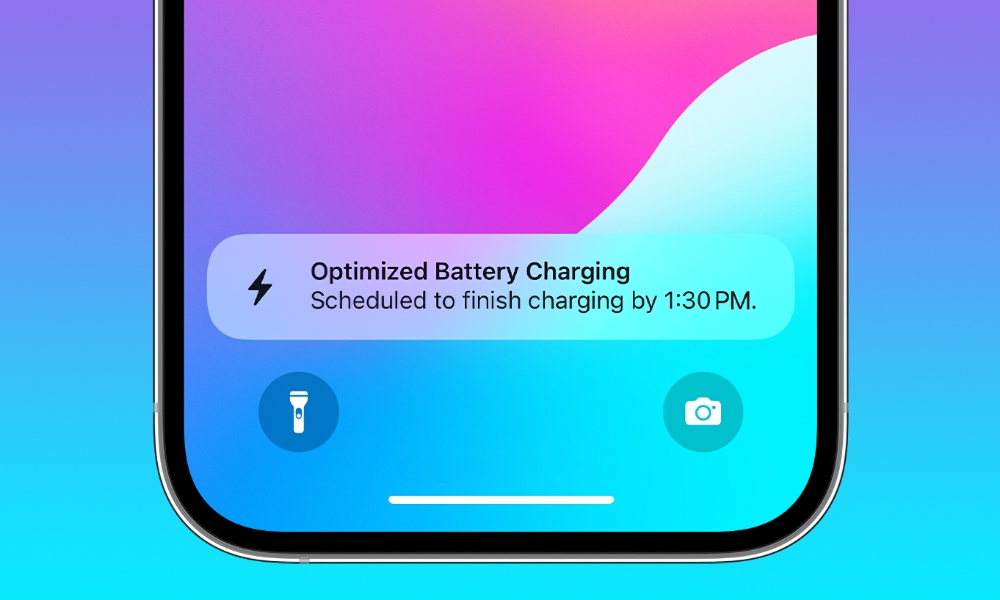
Avoid extreme charge levels: As discussed, keeping your battery between 20% and 80% is often cited as the “sweet spot” for Li-ion battery health. While constantly monitoring this can be impractical, the principle is sound. Avoid letting your device frequently drain to critically low levels (below 10%) and avoid leaving it plugged in at 100% for extended periods, especially in hot environments. If you charge overnight, utilize the “Optimized Battery Charging” features provided by your device.
Manage charging temperatures: Avoid charging your device in direct sunlight or in extremely hot environments. Similarly, if your device gets very warm during use (e.g., while gaming), it’s advisable to pause or stop charging until it cools down. In very cold weather, avoid charging your device until it has warmed up to a more moderate temperature.
Use reputable chargers and cables: While not directly related to optimizing the charging process itself, using certified and high-quality chargers and cables ensures stable power delivery and prevents potential damage to the battery or charging circuitry due to voltage fluctuations or overheating caused by substandard accessories.
Moderate fast charging: While fast charging is convenient, it generates more heat and can induce greater stress on the battery compared to slower charging. If you are not in a hurry, opting for a slower charging method (if available) can be beneficial for long-term battery health. Most devices offer different charging speed options or automatically adjust based on battery temperature.
The Evolution of Battery Technology and Charging Standards
The field of battery optimization is not static; it’s continuously evolving alongside battery technology itself. Researchers are exploring new chemistries and materials that are inherently more resistant to degradation. Solid-state batteries, for example, promise higher energy density and improved safety, and their charging characteristics may differ from current Li-ion technology.
New charging standards and protocols are also emerging. USB Power Delivery (USB PD) and Qualcomm Quick Charge are examples of standards that offer advanced negotiation between the charger and the device, allowing for dynamically adjusted voltage and current to optimize charging speed while managing heat and stress. These standards are crucial for enabling the intelligent charging algorithms that manufacturers implement.
The concept of wireless charging, while convenient, can sometimes generate more heat than wired charging, which can be a concern for battery longevity. However, advancements in wireless charging technology are also addressing these issues, with more efficient coils and better thermal management being integrated.
Ultimately, optimizing battery charging is a holistic approach that combines intelligent hardware and software design with informed user practices. It’s a testament to how even seemingly mundane aspects of technology are subject to continuous innovation, driven by the desire for more durable, efficient, and sustainable devices.
The Benefits of Optimized Battery Charging
The implications of optimizing battery charging extend far beyond simply having a device that lasts a little longer on a single charge. It represents a paradigm shift in how we interact with our technology, leading to a cascade of advantages for individuals, businesses, and the environment. By reducing the rate at which batteries degrade, we unlock a host of tangible benefits that enhance the overall value and sustainability of our electronic ecosystem.
Extended Device Lifespan and Reduced E-Waste
Perhaps the most immediate and impactful benefit of optimized battery charging is the extension of a device’s usable lifespan. Batteries are often the first component to show significant degradation in portable electronics, frequently leading to the premature obsolescence of otherwise functional devices. When a battery can no longer hold a sufficient charge, users are often faced with the expensive proposition of replacement or the inconvenience of purchasing a new device altogether.
By slowing down the rate of battery degradation, optimized charging allows users to enjoy their devices for longer periods. This means that a smartphone purchased today might remain performant for three or four years, instead of exhibiting a noticeable decline in battery life after two years. This directly translates to cost savings for consumers, as they delay or avoid the need for frequent upgrades.
Furthermore, extending device lifespans has a profound impact on e-waste. The manufacturing of electronic devices, particularly their batteries, is resource-intensive. It requires the extraction of raw materials (like lithium, cobalt, and nickel), significant energy consumption, and can generate substantial pollution. When devices are discarded prematurely due to battery failure, these valuable resources are lost, and the discarded devices contribute to the growing global problem of electronic waste, which can leach toxic materials into the environment. By reducing the frequency of device replacement, optimized battery charging becomes a powerful tool in the fight against e-waste, promoting a more circular economy where products are used for their intended lifespan.
Enhanced User Experience and Productivity
A device whose battery degrades rapidly can become a source of constant frustration. Users may find themselves tethered to power outlets, constantly monitoring their battery percentage, and foregoing activities that consume more power. This can significantly hamper productivity, especially for professionals who rely on their devices for work on the go.
Optimized battery charging ensures a more consistent and reliable power supply over the device’s lifetime. This means that a laptop will continue to offer a respectable number of hours of unplugged work for years, and a smartphone will reliably last through a busy day of calls, messages, and navigation. This consistency contributes to a smoother, more enjoyable user experience, allowing individuals to focus on their tasks rather than managing their device’s power levels. For businesses, this translates to increased employee productivity and reduced downtime.
Moreover, a healthy battery contributes to the overall performance of a device. As batteries age and their internal resistance increases, they can struggle to deliver peak power when needed. This can lead to performance throttling, where the device deliberately slows down to compensate for the battery’s inability to supply sufficient current. By maintaining battery health, optimized charging helps to ensure that devices perform at their intended capabilities throughout their lifecycle.
Cost Savings for Consumers and Businesses
The economic benefits of optimized battery charging are substantial, both for individual consumers and for organizations.
For consumers, the most direct cost saving comes from delaying or avoiding the purchase of new devices. Replacing a smartphone, laptop, or tablet every two years can be a significant expense. By extending the lifespan of these devices, users can reallocate those funds to other priorities. Additionally, while battery replacement services are becoming more common, they still represent an added cost. A longer-lasting battery effectively reduces the need for this service.
For businesses, the implications are even more pronounced. A fleet of laptops or mobile devices that need frequent replacement due to battery issues can represent a substantial capital expenditure. By implementing policies or choosing devices that prioritize battery longevity through optimized charging, businesses can significantly reduce their IT hardware costs. Furthermore, as mentioned earlier, increased device reliability translates to fewer support calls and less lost productivity due to device issues, further contributing to cost savings and operational efficiency.

Environmental Sustainability and Resource Conservation
The environmental benefits of optimizing battery charging are a critical, though often overlooked, aspect. The production of lithium-ion batteries has significant environmental consequences. The mining of raw materials like lithium, cobalt, and nickel can lead to habitat destruction, water depletion, and can be associated with social and ethical concerns in some regions. The manufacturing process itself is energy-intensive and can contribute to greenhouse gas emissions.
By extending the life of existing batteries and, consequently, the devices they power, we reduce the demand for new battery production. This directly conserves valuable natural resources and lessens the environmental footprint associated with battery manufacturing. It’s a tangible step towards a more sustainable technological ecosystem. Furthermore, a longer-lasting device means less frequent disposal, which alleviates pressure on landfill capacity and reduces the potential for hazardous materials to leach into the environment from discarded electronics. In essence, optimizing battery charging is a practical application of the principles of reduce, reuse, and recycle in the context of our digital lives.
In conclusion, the concept of optimizing battery charging is not merely a technical nicety; it’s a fundamental aspect of modern technology management that yields profound benefits. From extending the lifespan of our beloved gadgets and saving us money, to reducing e-waste and conserving precious environmental resources, the impact of this intelligent approach to powering our devices is far-reaching and increasingly vital in our technologically dependent world.
aViewFromTheCave is a participant in the Amazon Services LLC Associates Program, an affiliate advertising program designed to provide a means for sites to earn advertising fees by advertising and linking to Amazon.com. Amazon, the Amazon logo, AmazonSupply, and the AmazonSupply logo are trademarks of Amazon.com, Inc. or its affiliates. As an Amazon Associate we earn affiliate commissions from qualifying purchases.