
In the current landscape of the “quantified self,” the question “what is considered a good heart rate” has evolved from a simple medical inquiry into a complex data-driven metric. For decades, a “good” heart rate was something measured once a year during a physical exam using a stethoscope or a manual pulse check. Today, we live in an era of continuous biometric monitoring. From the wrist-worn sensors of an Apple Watch to the sleek circuitry of an Oura Ring, technology has democratized access to our internal rhythms.
Understanding what constitutes a “good” heart rate now requires an understanding of the technology used to measure it. As algorithms become more sophisticated, the focus has shifted from a static number to dynamic trends, recovery scores, and predictive analytics. This article explores how technology defines heart rate health, the mechanics of modern sensors, and how AI is transforming raw pulses into actionable health insights.
The Mechanics of Modern Heart Rate Sensing: PPG and ECG
To understand heart rate data, one must first understand the hardware capturing it. The consumer electronics industry has undergone a massive shift in how it perceives and tracks human biology, moving from invasive or cumbersome tools to seamless, everyday wearables.
Photoplethysmography (PPG): The Light Beneath the Skin
The vast majority of modern wearables—including fitness trackers and smartwatches—utilize Photoplethysmography (PPG). This technology works by shining green LED lights into the skin and measuring the light reflected back. Because blood absorbs green light, each heart contraction causes a surge in blood volume that changes the light absorption rate. Sensors capture these fluctuations hundreds of times per second to calculate the beats per minute (BPM). In the context of tech, a “good” heart rate reading is first and foremost a clean reading, free from “noise” caused by movement or sweat, which high-end algorithms must filter out.
Electrocardiogram (ECG) Integration in Wearables
While PPG is sufficient for general tracking, tech giants like Apple and Samsung have integrated Electrocardiogram (ECG) sensors into their flagship devices. Unlike PPG, which measures blood flow, an ECG measures the actual electrical signals that trigger the heart to beat. By placing a finger on a digital crown or sensor pad, the user completes a circuit that allows the device to detect the timing and strength of these signals. This technological leap has moved the definition of a “good” heart rate beyond just BPM to include the “quality” of the rhythm—specifically looking for signs of Atrial Fibrillation (AFib).
Interpreting the Metrics: Resting Heart Rate and HRV Algorithms
When a user asks their device if they have a “good” heart rate, the software usually looks at two primary benchmarks: Resting Heart Rate (RHR) and Heart Rate Variability (HRV). These aren’t just numbers; they are the result of complex data processing.
The Significance of Resting Heart Rate (RHR)
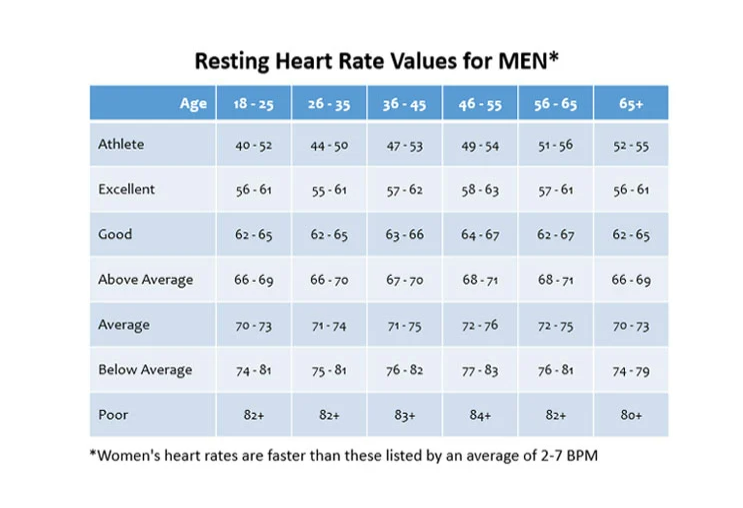
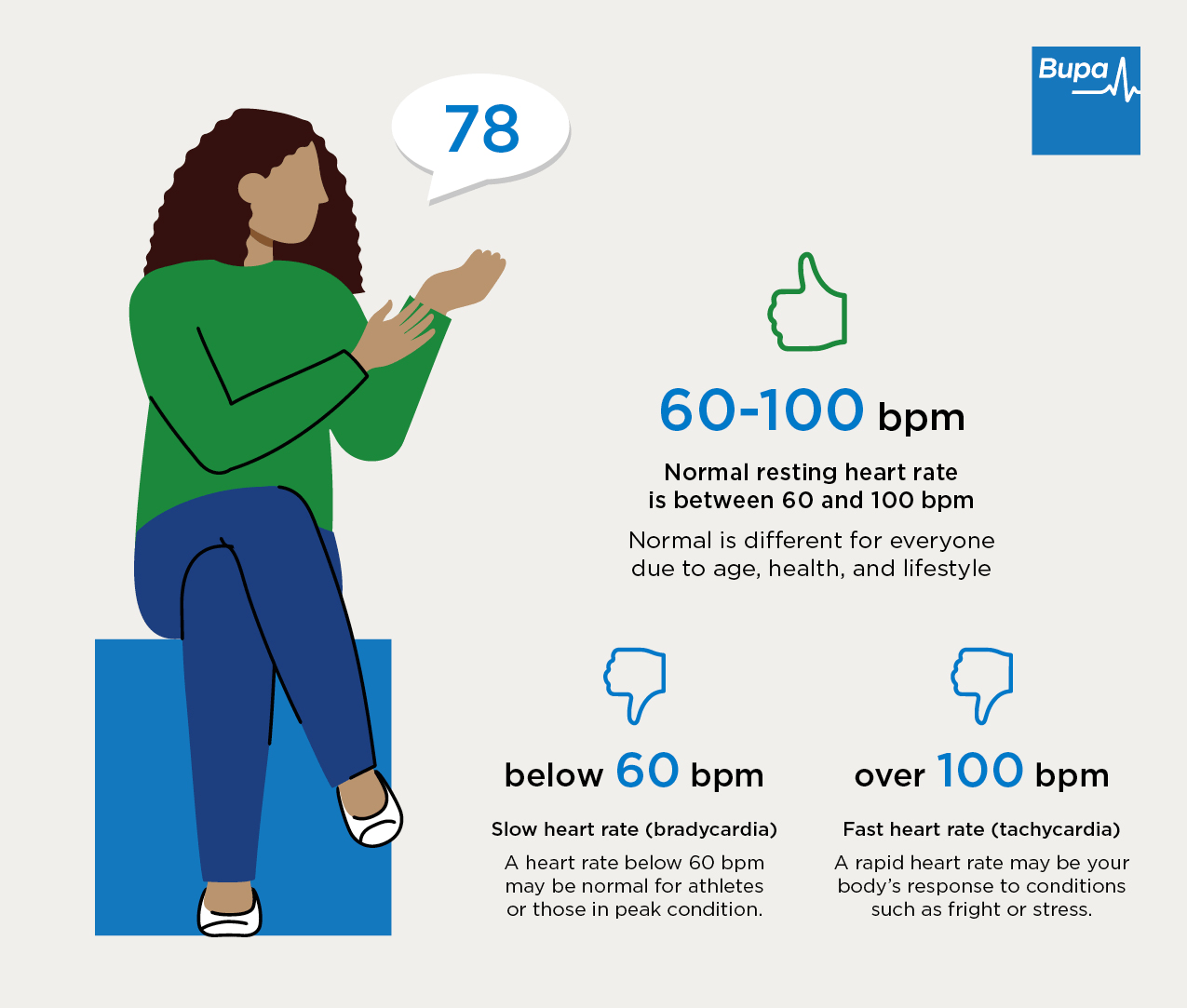
From a technical standpoint, RHR is the baseline of a user’s cardiovascular health. Most high-quality wearables track this during sleep to ensure the body is in a state of true repose. In the tech world, a “good” RHR is generally considered to be between 60 and 100 BPM, though athletes often see numbers in the 40s. However, the value of the tech lies in trend analysis. If a smartwatch detects a sudden 10 BPM spike in a user’s RHR over 48 hours, the software identifies this as a potential sign of overtraining, stress, or the onset of an illness long before the user feels symptoms.
Heart Rate Variability (HRV): The Ultimate Tech Metric
Perhaps the most significant contribution of HealthTech to cardiac monitoring is the popularization of Heart Rate Variability (HRV). HRV measures the variation in time between each heartbeat. Contrary to popular belief, a “good” heart rate is not perfectly metronomic. A healthy autonomic nervous system is responsive and flexible, resulting in high variability. Tech companies use proprietary algorithms to convert millisecond differences between beats into a “Readiness Score” or “Body Battery.” In this context, a “good” heart rate is one that shows high variability, indicating that the user’s nervous system is well-recovered and ready for strain.
The Role of Artificial Intelligence in Personalized Baseline Tracking
One of the limitations of traditional medicine was the use of “population averages” to define health. Technology has shifted this toward “individual baselines” through the power of Artificial Intelligence and Machine Learning.
Moving Away from Population Averages
A heart rate of 85 BPM might be “good” for a sedentary office worker but “concerning” for an elite marathoner. AI tools in modern health apps analyze months of historical data to establish what is “normal” for the specific individual. By using machine learning models, these devices can discount outliers—such as a high heart rate during a horror movie or a stressful meeting—to provide a more accurate picture of the user’s true cardiovascular state.
Predictive Analytics and Preventive Health
The true frontier of heart rate technology is predictive analytics. AI models are now being trained to recognize the “digital biomarkers” of cardiac events. By analyzing subtle patterns in heart rate data that are invisible to the human eye, some experimental software can predict potential heart failure or arrhythmias weeks in advance. Here, a “good” heart rate is defined by its stability relative to the AI-generated model of the user’s healthy state. When the data deviates from the model, the “tech” intervenes with a notification, potentially saving lives through early intervention.
Wearable Form Factors and the Quest for Clinical Precision
Not all heart rate tech is created equal. The form factor of the device plays a critical role in determining whether a “good” heart rate reading is actually an “accurate” one.
The Challenge of Wrist-Based Tracking
The wrist is a convenient but difficult place to measure heart rate. Optical noise from wrist movement, skin tone variations, and ambient light can all interfere with PPG sensors. To combat this, tech companies use multi-wavelength sensors and complex signal-processing software to “guess” the heart rate during intense physical activity. For a tech enthusiast, understanding that a “good” heart rate reading during a sprint might have a margin of error of 5-10% is crucial for data integrity.
Specialized Sensors: Rings, Chest Straps, and Smart Apparel
For those demanding clinical-grade accuracy, the tech industry offers specialized form factors. Chest straps, like those from Polar or Garmin, use electrical sensors that are significantly more accurate than wrist-based optical sensors because they sit directly over the heart. Meanwhile, the Oura Ring takes advantage of the thinner skin and more accessible arteries in the finger to provide highly accurate sleep and recovery data. As the tech matures, we are seeing the rise of “smart apparel”—shirts with woven-in conductive fibers that turn the entire garment into a cardiac monitor, providing the most comprehensive data set yet.
The Privacy and Data Security Challenges of 24/7 Heart Monitoring
As we collect more heart rate data to define what is “good,” we encounter the technical and ethical challenges of data security. Our heart rate is essentially a unique biometric signature, and its storage is a matter of intense technological scrutiny.
Encryption and Edge Computing
To protect sensitive biometric data, leading tech companies are moving toward “Edge Computing.” This means that the analysis of heart rate data happens on the device itself (the “edge”) rather than being sent to a cloud server. This reduces the risk of data breaches. Furthermore, end-to-end encryption ensures that even if data is synced to a health platform, it remains inaccessible to unauthorized parties. In the digital age, a “good” heart rate tracking system is one that is as secure as it is accurate.
The Future: Blockchain and Health Data Ownership
Looking forward, the integration of blockchain technology could allow users to “own” their heart rate data. Instead of being stored in the siloed databases of tech giants, heart rate metrics could be stored on a decentralized ledger, where users can grant temporary access to doctors or researchers in exchange for personalized insights or even financial incentives. This would represent the ultimate evolution of the “good heart rate” query—turning a personal health metric into a secure, portable, and valuable digital asset.

Conclusion
In the realm of modern technology, a “good” heart rate is no longer a static number on a chart. It is a dynamic, AI-interpreted data point that reflects the intricate balance of a human’s physical and mental state. Through the advancement of PPG and ECG sensors, the refinement of HRV algorithms, and the implementation of predictive machine learning, HealthTech has given us the tools to monitor our hearts with unprecedented precision.
As we move forward, the focus will continue to shift from “what is my heart rate right now?” to “what does my heart rate data say about my future health?” By embracing these technological advancements, we can move beyond simple measurements and toward a deeper, data-driven understanding of our most vital organ. In this digital era, a good heart rate is a monitored heart rate, and the tools to achieve that are more accessible—and more powerful—than ever before.
aViewFromTheCave is a participant in the Amazon Services LLC Associates Program, an affiliate advertising program designed to provide a means for sites to earn advertising fees by advertising and linking to Amazon.com. Amazon, the Amazon logo, AmazonSupply, and the AmazonSupply logo are trademarks of Amazon.com, Inc. or its affiliates. As an Amazon Associate we earn affiliate commissions from qualifying purchases.