
In the intricate and often fast-paced world of real estate, certain acronyms stand as pillars, foundational to how the industry operates. Among them, “MLS” is perhaps one of the most significant, yet its true technological depth and functionality are often misunderstood by those outside the immediate professional sphere. MLS stands for Multiple Listing Service, and far from being a mere directory, it represents a sophisticated, interconnected technological infrastructure that underpins the vast majority of residential real estate transactions in North America and beyond. It is the digital nervous system that allows real estate professionals to collaborate, share information, and ultimately facilitate the buying and selling of properties with remarkable efficiency.

At its core, MLS is a private database and a set of technological tools developed and maintained by real estate brokers for the benefit of their clients. It’s a prime example of an industry-specific technology ecosystem that has evolved from rudimentary paper-based systems to highly advanced digital platforms, shaping market dynamics and consumer expectations. Understanding the MLS means appreciating its role not just as a repository of listings, but as a critical piece of technology that drives market transparency, professional cooperation, and informed decision-making across the real estate landscape.
The Foundational Technology: Understanding the Multiple Listing Service
To truly grasp the essence of MLS, it’s crucial to view it through a technological lens. It is more than just a list of homes for sale; it is a complex, proprietary information system that serves as the primary data exchange mechanism for real estate professionals. This system is not a single, monolithic entity but rather a collection of hundreds of regional MLS databases, each serving a specific geographic area, all operating under similar principles and often interconnected through data-sharing agreements.
From Paper to Pixels: A Brief Technological Evolution
The concept behind the MLS dates back to the late 19th century when real estate brokers in various localities began forming associations to share property information. In an era before digital communication, agents would gather to exchange details about homes they had for sale, often compiling these into large, physical binders. This cooperative effort allowed them to broaden their inventory for buyers and increase exposure for sellers, laying the groundwork for what would become a formalized system.
The advent of computing technology in the latter half of the 20th century began to revolutionize this process. Manual entries transitioned to mainframe databases, then to desktop applications, and eventually to cloud-based platforms accessible via web browsers and mobile devices. This technological evolution transformed the MLS from a static information repository into a dynamic, real-time data environment. The shift to digital platforms brought unparalleled speed, accuracy, and accessibility, moving away from outdated listings and cumbersome searches to instant updates and sophisticated filtering capabilities. This journey from paper-bound lists to complex digital ecosystems highlights the MLS’s adaptive nature and its continuous embrace of technological advancements to meet industry demands.
The Central Database: How Information is Organized and Shared
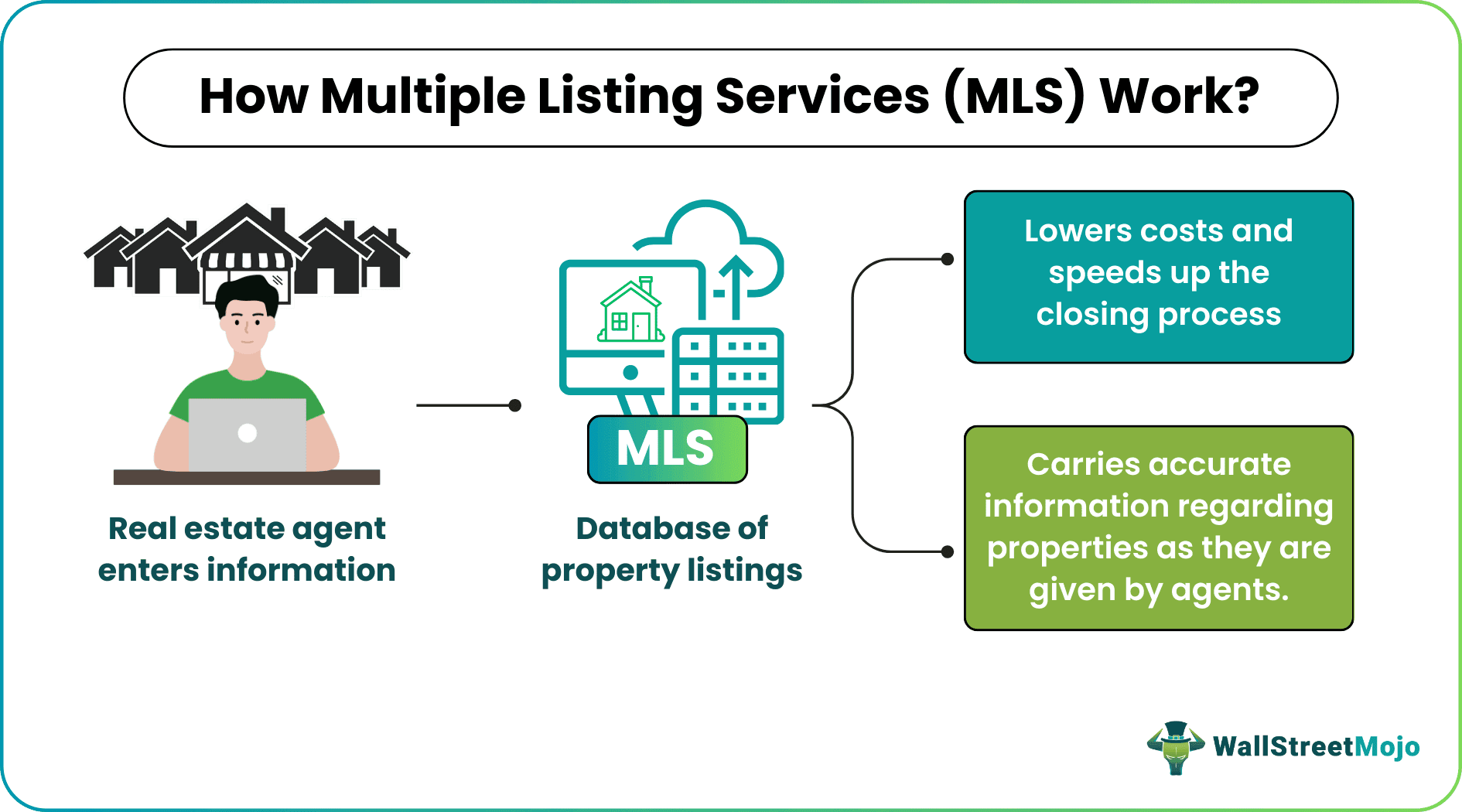
Each regional MLS operates as a centralized, highly structured database. When a real estate agent takes on a new listing, they input a comprehensive array of data points about the property directly into this system. This data includes, but is not limited to:
- Property Type: Single-family home, condo, multi-family, land, commercial, etc.
- Physical Characteristics: Number of bedrooms, bathrooms, square footage, lot size, year built, architectural style.
- Location Details: Address, neighborhood, school district information, proximity to amenities.
- Pricing and Financials: Listing price, property taxes, HOA fees.
- Marketing Information: Professional photos, virtual tours, video links, detailed descriptions of features and upgrades.
- Listing Status: Active, pending, sold, withdrawn, expired.
The technological sophistication lies in how this vast amount of structured data is managed and then disseminated. The database schema is designed for efficiency, ensuring that every piece of information is categorized consistently across all listings within that service. This standardization is crucial for interoperability and for enabling powerful search and filtering functionalities that agents rely on daily. The system’s architecture supports complex queries, allowing agents to pinpoint properties that perfectly match a buyer’s specific criteria in moments, a task that would be virtually impossible without such a robust technological framework.
How MLS Functions as a Digital Ecosystem for Real Estate Professionals
The MLS is not merely a database; it is a complete digital ecosystem built for real estate professionals. Its design ensures that participants—licensed real estate brokers and their agents—have exclusive access to the most comprehensive and up-to-date property information available. This exclusivity and the systematic sharing of data foster a collaborative environment while maintaining professional standards and rules.
Exclusive Access: The Broker-to-Broker Information Network
A defining characteristic of the MLS is its restricted access. Unlike public real estate websites, the full MLS database is accessible only to licensed real estate professionals who are members of their local MLS association. This exclusivity serves several critical technological and operational purposes:
- Data Integrity: By limiting access to professionals, the MLS can enforce strict rules regarding data entry and accuracy. Members are held accountable for the information they input, ensuring a high degree of reliability that is often not present in public, user-generated content platforms.
- Cooperative Compensation: A fundamental aspect of the MLS is the offer of cooperative compensation. When a listing agent places a property on the MLS, they implicitly offer a portion of their commission to any other agent who brings a buyer for that property. This mechanism is central to fostering cooperation among competing brokers, significantly broadening a property’s exposure and increasing the chances of a sale. The MLS technology facilitates the communication and tracking of these offers.
- Professional Tools: The MLS platforms provide an array of advanced tools exclusively for agents, including comparables analysis (CMAs), market statistics, tax records, and direct communication features between agents. These tools integrate various data sources, offering a holistic view that empowers agents to provide superior service to their clients.
Data Integrity and Real-time Updates: A Technological Imperative
In real estate, timely and accurate information is paramount. Property availability, price changes, and sale statuses can shift rapidly. The MLS system is engineered for real-time data updates, a technological imperative for maintaining its value and relevance. When an agent updates a listing, that change is typically reflected almost instantaneously across the entire system.
This real-time capability is supported by robust database management systems and network infrastructure designed for high availability and low latency. The commitment to data integrity extends to regular auditing and validation processes, ensuring that information remains consistent and reliable. For instance, once a property goes under contract, its status is updated from “Active” to “Pending.” This immediate change prevents other agents from showing the property or submitting offers, streamlining the process and avoiding unnecessary complications. This precision is a cornerstone of the MLS’s technological efficacy, preventing wasted time and resources for agents and their clients.
Powering Public Portals: The MLS Data Feed
While the full MLS database is proprietary, its data forms the backbone of popular public real estate websites like Zillow, Realtor.com, Trulia, and individual brokerage sites. This is achieved through sophisticated data feeds, typically using standard protocols like IDX (Internet Data Exchange) and VOW (Virtual Office Website).
These data feeds are carefully managed and syndicated by the MLS organizations. Brokers can opt-in to display their listings on these public-facing platforms, allowing consumers to search for homes online. However, it’s crucial to understand that these public sites often display only a subset of the information available in the private MLS. For example, sensitive agent-only notes, historical sales data, and certain detailed property characteristics might be excluded. The technology behind these data feeds involves secure APIs (Application Programming Interfaces) and standardized data formats (like RETS – Real Estate Transaction Standard, or more modern Web API specifications) that allow seamless and controlled sharing of listing data while protecting the integrity and proprietary nature of the core MLS system. This controlled data syndication strategy ensures that while consumers get broad access to listings, the deepest and most granular data remains an exclusive tool for licensed professionals.
The Technological Advantages MLS Offers to the Real Estate Market
The MLS provides a myriad of technological advantages that transcend mere listing aggregation, profoundly impacting efficiency, market understanding, and transaction processes across the real estate industry. Its evolution is a testament to how specialized technology can drive an entire sector forward.

Enhanced Collaboration and Efficiency for Agents
At its core, the MLS is a cooperative technological platform. By centralizing listing data and establishing rules for cooperation and compensation, it drastically reduces the effort required for agents to find properties for their buyers or gain exposure for their sellers.
- Streamlined Search: Advanced search algorithms and intuitive interfaces allow buyer agents to quickly filter thousands of listings based on highly specific criteria, saving countless hours that would otherwise be spent sifting through disparate sources.
- Automated Matching: Many MLS systems include features that automatically notify agents when new listings matching their clients’ saved search criteria become available, leveraging automation to keep agents ahead of the market.
- Inter-Broker Communication: Secure messaging systems and contact information for listing agents within the MLS facilitate direct and efficient communication between professionals, speeding up inquiry responses and offer submissions.
- Paperless Transactions: Increasingly, MLS platforms integrate with or provide links to digital document management and e-signature solutions, moving towards fully paperless transaction workflows, a significant efficiency gain driven by technology.
Comprehensive Market Data and Analytics Tools
One of the most powerful technological benefits of the MLS is its role as an unparalleled source of real estate market data. This vast dataset allows for sophisticated analysis that informs pricing strategies, negotiation tactics, and overall market understanding.
- Comparative Market Analysis (CMA) Tools: Agents use built-in CMA tools to generate reports that compare a subject property to recently sold similar properties in the area. This involves complex algorithms that weigh factors like size, age, condition, and location to derive an accurate valuation, a critical component of professional appraisal and pricing.
- Market Statistics: MLS systems provide dashboards and reports detailing key market indicators such as average days on market, median sale prices, list-to-sale price ratios, inventory levels, and absorption rates. These analytics are vital for agents to advise clients on current market conditions and forecast future trends.
- Historical Data: Access to historical listing and sales data allows agents to track property value appreciation over time, understand seasonal trends, and identify long-term investment opportunities, all powered by the robust data archiving capabilities of the MLS.
Streamlining the Buying and Selling Process Through Technology
The MLS fundamentally streamlines the entire real estate transaction process for all parties involved.
- For Sellers: Their property gains immediate, widespread exposure to thousands of buyer agents and their clients, significantly increasing the pool of potential buyers. The technological platform ensures that detailed information, professional photos, and virtual tours are syndicated effectively.
- For Buyers: They gain access to a comprehensive, up-to-date inventory of available properties, curated by professionals. Agents can set up automated searches that alert buyers to new listings that fit their criteria, reducing the time and effort needed to find suitable homes.
- For the Industry: By providing a structured and transparent marketplace, the MLS reduces informational asymmetries, fosters fair competition, and accelerates transaction cycles. Its technological infrastructure minimizes manual errors, enhances security, and provides audit trails for all listing activities.
Beyond the Basics: Advanced Technological Features and Future Trends
The MLS is not a static system; it continues to evolve, embracing new technologies and adapting to changing market demands. Its future is characterized by even deeper integration, more sophisticated data analysis, and enhanced security measures.
Integration with CRM and AI Tools
Modern MLS platforms are increasingly designed to integrate seamlessly with other critical real estate technologies.
- CRM (Customer Relationship Management) Systems: Many agents use CRM software to manage client contacts, track communications, and nurture leads. MLS data can be automatically fed into CRM systems, providing agents with a holistic view of client interests alongside relevant property information. This integration ensures personalized and timely follow-ups.
- Artificial Intelligence (AI) and Machine Learning (ML): AI is being leveraged within MLS systems for more accurate pricing predictions, identifying market trends before they become obvious, and personalizing property recommendations for buyers. ML algorithms can analyze vast amounts of historical data to uncover subtle patterns that inform future market behavior, enhancing the predictive power of agents.
The Role of APIs and Third-Party Integrations
The development of robust APIs (Application Programming Interfaces) for MLS data is a significant technological trend. These APIs allow third-party developers to build innovative applications and services that leverage MLS data in new ways, without requiring full access to the core system.
- Custom Websites and Apps: Brokers and agents can use APIs to power highly customized websites and mobile applications that pull listing data directly from the MLS, offering unique user experiences.
- Marketing Automation Tools: Third-party tools can use MLS data to automate the creation of marketing materials, social media posts, and email campaigns for new listings, saving agents considerable time and effort.
- Business Intelligence Platforms: Data analysts and real estate tech companies can use MLS APIs to feed data into advanced business intelligence platforms, providing deeper insights into market performance and investment opportunities.
Ensuring Digital Security and Data Privacy
Given the sensitive nature of property and personal data handled by the MLS, digital security and data privacy are paramount. MLS organizations invest heavily in robust cybersecurity measures to protect their databases from breaches and unauthorized access.
- Encryption: All data transmitted to and from the MLS is typically encrypted to prevent eavesdropping and data interception.
- Access Controls: Strict user authentication and authorization protocols ensure that only authorized professionals can access the system, and their access levels are tailored to their roles.
- Compliance: MLS systems must adhere to various data privacy regulations (e.g., GDPR, CCPA where applicable), implementing policies and technologies to protect personal identifiable information (PII) of sellers, buyers, and agents. This focus on security is a continuous technological challenge and priority, reflecting the trust placed in these systems.
Navigating the Digital Landscape: MLS and the Consumer Experience
While the MLS is primarily a professional tool, its technological reach directly impacts the consumer experience in real estate. Understanding this relationship helps consumers interpret the information they find online and appreciate the value of professional representation.
The Controlled Information Flow to Public Websites
As discussed, public real estate portals derive their data from MLS feeds. However, this flow is controlled. The technological mechanisms of IDX and VOW are designed to syndicate specific subsets of MLS data, ensuring that proprietary or agent-specific information remains within the professional domain.
- Delayed Updates: In some instances, public sites might experience a slight delay in updates compared to the real-time nature of the MLS. A property status change or a new listing might appear on the MLS minutes or hours before it propagates to all syndicated public sites.
- Incomplete Data: Certain data fields, such as detailed agent remarks, commission structures, or private showing instructions, are never shared with public sites. These are considered professional-only data points that facilitate agent cooperation and client privacy.
- Accuracy Discrepancies: While MLS data is generally highly accurate, public sites can sometimes introduce errors or outdated information if their syndication processes are flawed or not frequently refreshed. This discrepancy underscores the value of an agent’s direct access to the live MLS.
Understanding the Depth of MLS Data vs. Public Search
For consumers, public real estate websites offer a convenient starting point for their property search. However, the depth and granularity of data available through an agent’s direct MLS access far surpass what is typically found on public portals.
- Advanced Filters: Agents can utilize highly specific search filters within the MLS that are not available to the public, allowing them to pinpoint properties based on nuanced criteria that would be impossible to find otherwise.
- Off-Market Insights: While not “on the MLS,” agents often have access to pre-market or “pocket” listings through their MLS network, which are not yet publicly advertised but are shared among professionals.
- Historical Context: Agents can provide clients with detailed historical data on a property, including previous sales, price changes, and days on market, offering a comprehensive view that public sites often lack.
In essence, while public sites provide a broad overview, an agent with MLS access offers a high-resolution, real-time, and in-depth view of the market, leveraging the full technological power of the system to serve their clients more effectively.
Conclusion
The Multiple Listing Service is far more than an archaic list; it is a vital technological backbone of the real estate industry. From its humble beginnings as a paper-based cooperative, it has evolved into a sophisticated, interconnected digital ecosystem that facilitates efficient information exchange, fosters professional collaboration, and provides critical market insights. Its core functions—a centralized, real-time database, exclusive professional access, stringent data integrity protocols, and controlled syndication to public platforms—are all underpinned by robust and ever-advancing technology.
For real estate professionals, the MLS is an indispensable tool, driving efficiency, empowering informed decision-making, and ultimately streamlining the complex process of buying and selling properties. For consumers, while public portals offer a window into the market, understanding the technological depth and exclusive access of the MLS underscores the significant value that a knowledgeable real estate agent brings to the transaction. As technology continues to advance, the MLS will undoubtedly continue to adapt and innovate, further solidifying its role as a cornerstone of the modern real estate landscape.
aViewFromTheCave is a participant in the Amazon Services LLC Associates Program, an affiliate advertising program designed to provide a means for sites to earn advertising fees by advertising and linking to Amazon.com. Amazon, the Amazon logo, AmazonSupply, and the AmazonSupply logo are trademarks of Amazon.com, Inc. or its affiliates. As an Amazon Associate we earn affiliate commissions from qualifying purchases.