
For millions of individuals navigating the post-secondary landscape, student loans represent a significant financial commitment. Understanding the exact amount you owe is not merely a matter of curiosity; it is a fundamental pillar of sound personal finance. Whether you’re a recent graduate starting repayment, a seasoned borrower seeking to refinance, or someone planning for future education, knowing your current student loan balance is the critical first step towards effective debt management. This guide will walk you through the various pathways to accessing your student loan information, ensuring you have the clarity needed to make informed financial decisions.
The Imperative of Knowing Your Student Loan Balance
In the world of personal finance, ignorance is rarely bliss, especially when it comes to debt. Student loans, often a borrower’s first major financial obligation, require diligent tracking and understanding. A clear picture of your balance empowers you to plan, strategize, and ultimately, take control of your financial future.
Why Regular Monitoring is Key
Student loan balances are dynamic. They don’t just sit stagnant; they accrue interest, reflect payments, and can be impacted by various repayment plans or deferment statuses. Regularly checking your balance allows you to:
- Track Progress: See how your payments are reducing the principal.
- Spot Discrepancies: Identify any errors in reporting or unexpected changes.
- Understand Interest Accrual: Observe how interest compounds and affects your total debt over time.
- Avoid Defaults: Stay on top of due dates and avoid missing payments, which can severely damage your credit score.
- Plan for Major Life Events: Knowing your debt load is essential for decisions like buying a home, starting a family, or making career changes.
The Foundation for Effective Financial Planning
Your student loan balance isn’t an isolated number; it’s a piece of your broader financial puzzle. It influences your debt-to-income ratio, your ability to save for other goals, and your overall financial flexibility.
- Budgeting: Accurate balance information enables you to allocate funds effectively towards payments, ensuring you’re meeting obligations without sacrificing other essential expenses.
- Repayment Strategies: Whether you’re considering refinancing, consolidation, or exploring income-driven repayment plans, precise balance figures are prerequisites for evaluating the best path forward.
- Psychological Well-being: There’s an undeniable psychological burden associated with debt. Having a clear, current understanding of what you owe can reduce anxiety, fostering a sense of control and progress towards becoming debt-free. It transforms an abstract burden into a manageable challenge.
Navigating Federal Student Loan Information
Federal student loans are issued by the U.S. Department of Education and come with specific protections and repayment options. Accessing your information for these loans is streamlined through a central online portal.
Your Central Hub: StudentAid.gov and the NSLDS
The primary and most comprehensive resource for federal student loan borrowers is the Federal Student Aid website, StudentAid.gov. This portal serves as a unified dashboard for all your federal student loan and grant information.
- Create an FSA ID: If you haven’t already, you’ll need an FSA ID (Federal Student Aid ID) to log in. This ID acts as your legal signature and is used to access federal student aid websites. It consists of a username and password.
- Log In: Once you have your FSA ID, log in to StudentAid.gov.
- Access Your Dashboard: Upon logging in, you’ll be directed to your personalized dashboard. Here, you’ll find a summary of your federal student loans and grants.
- View Loan Details: Navigate to the “My Aid” section. You can view detailed information for each loan, including:
- The original loan amount.
- Current principal balance.
- Accrued interest.
- Loan type (e.g., Stafford, Perkins, PLUS).
- Loan status (e.g., in repayment, deferment, forbearance).
- Your loan servicer(s).
The data provided on StudentAid.gov is powered by the National Student Loan Data System (NSLDS), which is the U.S. Department of Education’s central database for student aid. It contains records of all federal loans and grants you’ve received, ensuring that the information you access is accurate and comprehensive.
Identifying Your Federal Loan Servicer(s)
While the Department of Education originates federal student loans, they contract with various companies, known as loan servicers, to manage the billing and other services. Your servicer is your primary point of contact for questions about your loan, payment options, and repayment plans.
- Find Servicer on StudentAid.gov: Your loan servicer(s) will be clearly listed on your StudentAid.gov dashboard for each loan. You’ll see their name and contact information.
- Direct Servicer Websites: Once you know your servicer (e.g., Nelnet, MOHELA, Edfinancial, Aidvantage), you can create an account directly on their website. Logging in there will provide the most up-to-date and granular detail about your specific loans, including:
- Your precise current balance (principal and interest).
- Next payment due date and amount.
- Payment history.
- Interest rate details.
- Enrollment in specific repayment plans.
- Options for making payments, applying for deferment/forbearance, or changing repayment plans.
What to Expect on Your Federal Loan Dashboard
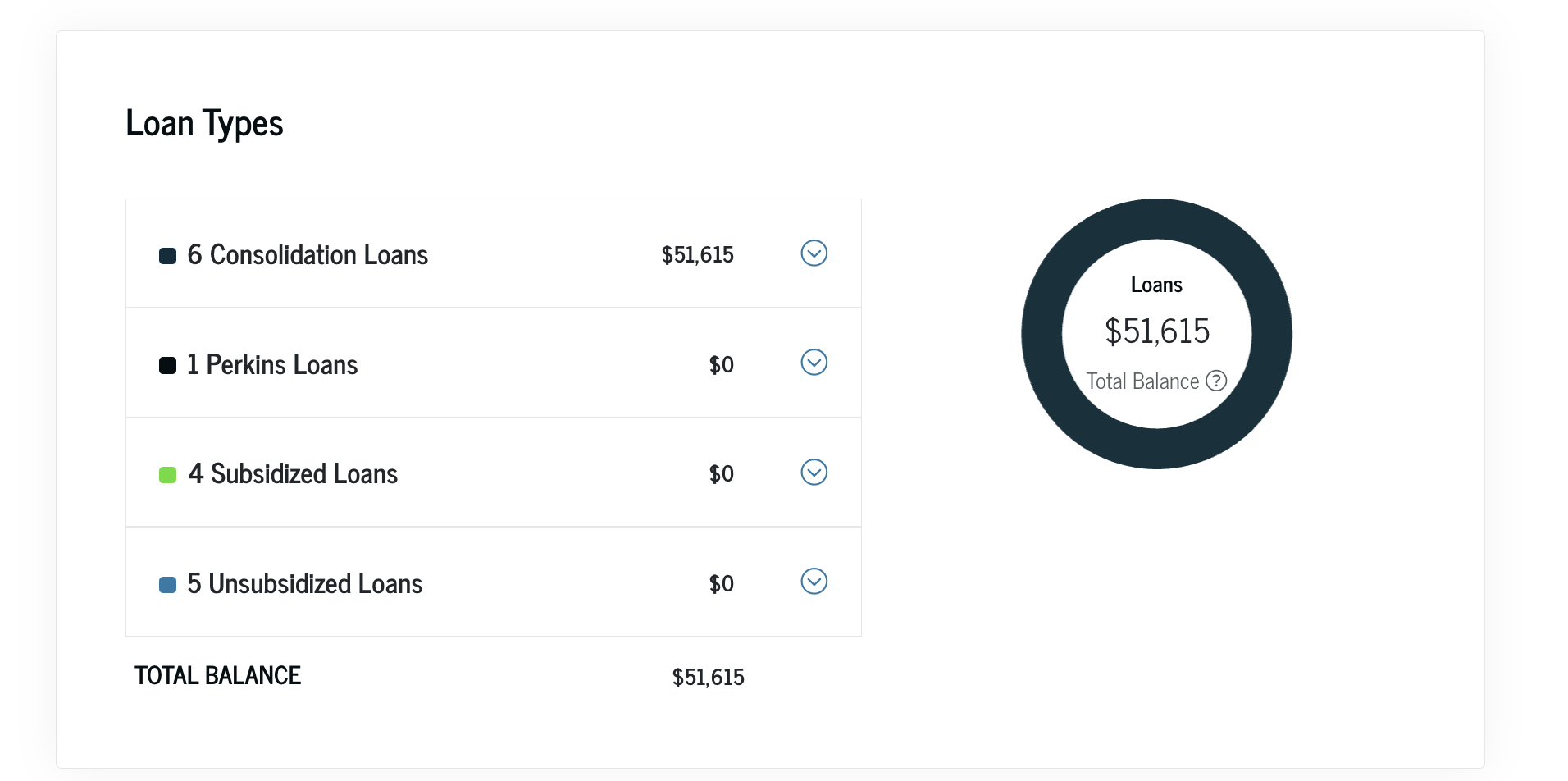
A typical federal loan servicer dashboard will feature a clear overview of your total balance, often broken down by individual loan. You’ll usually see sections for “Account Summary,” “Payment History,” “Statements & Documents,” and “Repayment Options.” Pay close attention to the dates associated with your balance – some might show a balance as of a certain date, which might not include very recent payments or interest accruals.
Accessing Your Private Student Loan Details
Private student loans are issued by banks, credit unions, and other private financial institutions. Unlike federal loans, there isn’t a single centralized database for private loans. You’ll need to go directly to the source.
Direct Contact with Lenders
If you recall the institution that originated your private student loan (e.g., Sallie Mae, Discover, Wells Fargo, local banks), the most direct way to get your balance is to contact them.
- Initial Lender: Start with the bank or institution that originally issued the loan. They will either hold the loan themselves or be able to direct you to the current holder or servicer.
- Customer Service: Call their customer service line. Be prepared to provide personal identifying information such as your name, date of birth, Social Security Number, and possibly your account number.
- Request a Statement: You can request a current balance statement or a payoff quote, which will include the principal, accrued interest, and any fees, valid for a specific period.
Online Portals and Account Management
Most private lenders and servicers offer online portals where you can manage your loan accounts.
- Identify Your Servicer: If your loan was sold or transferred, the new servicer might be different from the original lender. Check old statements or contact the original lender for this information.
- Register/Log In: Visit the servicer’s website and either register for a new online account or log in if you already have one. You’ll typically need your account number and personal details for registration.
- View Your Dashboard: Similar to federal loan servicers, private loan dashboards will display your current balance, payment history, interest rate, and payment due dates. Many also offer tools for managing payments or exploring refinancing options.
Understanding Private Loan Statements
Private loan statements will also detail your principal, interest, and any fees. It’s crucial to understand the interest rate structure (fixed vs. variable) and how it impacts your balance. Unlike federal loans, private loans generally have fewer flexible repayment options, so monitoring your balance and payments is even more critical.
Deciphering Your Loan Statement: Beyond the Bottom Line
Merely looking at the “total balance” isn’t enough. A comprehensive understanding of your student loan debt requires diving deeper into the components that make up that figure. Each element tells a part of your financial story and impacts your repayment journey.
Principal vs. Interest: The Anatomy of Your Debt
Every student loan balance is composed of two primary parts:
- Principal Balance: This is the original amount of money you borrowed, minus any payments you’ve made that were applied directly to the principal. When you make a loan payment, a portion of it goes towards interest, and the remainder reduces your principal balance. Reducing the principal is key because interest is calculated on this amount.
- Accrued Interest: This is the interest that has accumulated on your loan since your last payment or the beginning of your repayment period, but has not yet been paid. For certain federal loans (like unsubsidized loans) and all private loans, interest can accrue even while you’re in school, during deferment, or during forbearance. If unpaid, this accrued interest can sometimes “capitalize” (be added to your principal balance), leading to your total debt growing even if you’re not borrowing new money. Your statements will typically show current accrued interest, helping you understand how much you’re paying in interest versus principal with each payment.
Understanding this distinction is vital for optimizing your repayment strategy. Focusing extra payments on the principal can significantly reduce the total interest you pay over the life of the loan.
Tracking Payments, Due Dates, and Payment History
Your loan statement and online portal are invaluable resources for tracking your payment activity.
- Payment History: This section details every payment you’ve made, including the date, amount, and how it was allocated between principal, interest, and any fees. Reviewing this regularly can help you:
- Verify that your payments have been correctly processed.
- Track your progress toward paying down your debt.
- Spot any discrepancies or missing payments.
- Due Dates and Minimum Payments: Your statement will clearly indicate your next payment due date and the minimum amount required. Adhering to these is crucial to avoid late fees, negative credit reporting, and eventual default.
- Understanding Allocation: Many borrowers don’t realize that early payments often cover a larger proportion of interest, with less going to the principal. As your principal shrinks, more of your payment can then be applied to it, accelerating debt reduction.
The Impact of Repayment Plans on Your Balance
Different repayment plans can significantly alter your monthly payment, the total interest paid, and consequently, the rate at which your principal balance decreases.
- Standard Repayment Plan: Typically a 10-year plan for federal loans, this aims to pay off your loan quickly, often resulting in higher monthly payments but less total interest paid.
- Income-Driven Repayment (IDR) Plans: These federal plans (e.g., REPAYE, PAYE, IBR, ICR) adjust your monthly payment based on your income and family size. While they can make payments more affordable, they often extend the repayment period, potentially leading to more accrued interest and a slower reduction of your principal balance over the long term. Understanding how your chosen IDR plan impacts your loan’s principal is crucial, especially if you’re pursuing Public Service Loan Forgiveness (PSLF), where the balance might remain high for many years.
- Graduated Repayment: Payments start low and gradually increase, which means you pay less towards principal initially, potentially accruing more interest over time.
- Extended Repayment: For borrowers with higher loan balances, this plan extends the repayment period up to 25 years, lowering monthly payments but increasing total interest.
Regularly checking your balance in conjunction with your repayment plan allows you to visualize the long-term impact of your choices and adjust your strategy if needed. For instance, if you’re on an IDR plan, seeing your balance barely decrease might prompt you to consider making additional payments when possible or exploring alternative strategies like refinancing if it aligns with your financial goals.
Troubleshooting and Taking Control of Your Debt
Even with clear avenues to access your student loan information, you might encounter hurdles. Knowing how to troubleshoot and leverage the information you find is key to taking full control of your student loan debt.
When Information is Elusive: Tips for Locating Missing Details
It’s not uncommon for borrowers to lose track of some of their loans, especially if they attended multiple schools or if loans were taken out many years ago.
- Check Your Credit Report: Your credit report, accessible annually for free from AnnualCreditReport.com, lists all your open credit accounts, including student loans. This can be a reliable way to identify all your lenders and servicers, both federal and private. Look for entries under “student loan” or similar categories.
- Contact Your School’s Financial Aid Office: Your school’s financial aid office often maintains records of the loans you received and can provide guidance on where to find your federal and institutional loan information.
- Use the FSA ID Retrieval Process: If you can’t remember your FSA ID, use the retrieval options on StudentAid.gov. You can recover your username or reset your password using your email address or mobile phone number.
- Call Original Lenders (for Private Loans): If your private loan servicer is unknown, call the bank or institution you remember borrowing from. They should be able to look up your information or direct you to the current servicer.
Addressing Discrepancies and Errors
Finding errors on your loan statements or credit report can be unsettling. However, it’s crucial to address them promptly.
- Contact Your Servicer Directly: If you notice an incorrect balance, payment not reflected, or other discrepancies, gather all supporting documents (bank statements, payment confirmations) and contact your loan servicer’s customer service department immediately. Document every interaction, including dates, names of representatives, and summaries of conversations.
- File a Dispute: If the servicer is unhelpful, you can escalate your complaint. For federal loans, you can file a complaint with the Federal Student Aid Feedback System. For private loans, you can file a complaint with the Consumer Financial Protection Bureau (CFPB) or the relevant state attorney general’s office.
- Dispute Credit Report Errors: If the error is on your credit report, dispute it directly with the credit bureaus (Experian, Equifax, TransUnion) and provide evidence.
Leveraging Your Knowledge for Strategic Debt Management
Once you have a clear, accurate picture of your student loan balance, you’re armed with the knowledge to implement effective debt management strategies:
- Refinancing: If you have private loans or federal loans without critical benefits (like PSLF potential), comparing your current interest rates and terms with refinancing offers can potentially save you thousands over the life of the loan. Knowing your exact balance is the first step in getting accurate quotes.
- Consolidation: Federal loan consolidation can simplify repayment by combining multiple federal loans into one with a single servicer and a new fixed interest rate (the weighted average of your original loans). This can be helpful for managing payments, though it may extend the repayment term.
- Income-Driven Repayment (IDR) Plans: If your federal loan payments are unaffordable, knowing your balance, income, and family size can help you determine eligibility for IDR plans that adjust payments to a percentage of your discretionary income.
- Extra Payments: Even small additional payments, especially targeted at the loan with the highest interest rate (the “debt avalanche” method) or the smallest balance (the “debt snowball” method), can significantly reduce your principal and the total interest paid.
- Budgeting and Forecasting: Use your balance information to build accurate budgets and forecast how long it will take to become debt-free under different payment scenarios.
In conclusion, viewing your student loan balance is more than a simple inquiry; it’s an act of financial empowerment. By systematically accessing and understanding your loan information, you transform a potentially overwhelming debt into a manageable financial obligation, paving the way for greater financial freedom and peace of mind.
aViewFromTheCave is a participant in the Amazon Services LLC Associates Program, an affiliate advertising program designed to provide a means for sites to earn advertising fees by advertising and linking to Amazon.com. Amazon, the Amazon logo, AmazonSupply, and the AmazonSupply logo are trademarks of Amazon.com, Inc. or its affiliates. As an Amazon Associate we earn affiliate commissions from qualifying purchases.