
In the context of business finance and retail operations, loss prevention is not merely a defensive posture against theft; it is a comprehensive financial strategy designed to protect a company’s bottom line, optimize inventory accuracy, and ensure long-term profitability. At its core, loss prevention refers to the set of policies, practices, and procedures implemented by a business to reduce “shrinkage”—the difference between the recorded inventory on the books and the actual inventory on hand.
While many associate the term strictly with catching shoplifters, modern loss prevention is a sophisticated discipline that blends accounting, auditing, human resources, and operational analytics. For any enterprise, understanding what loss prevention means is the difference between thriving in a competitive market and watching margins evaporate due to preventable inefficiencies.
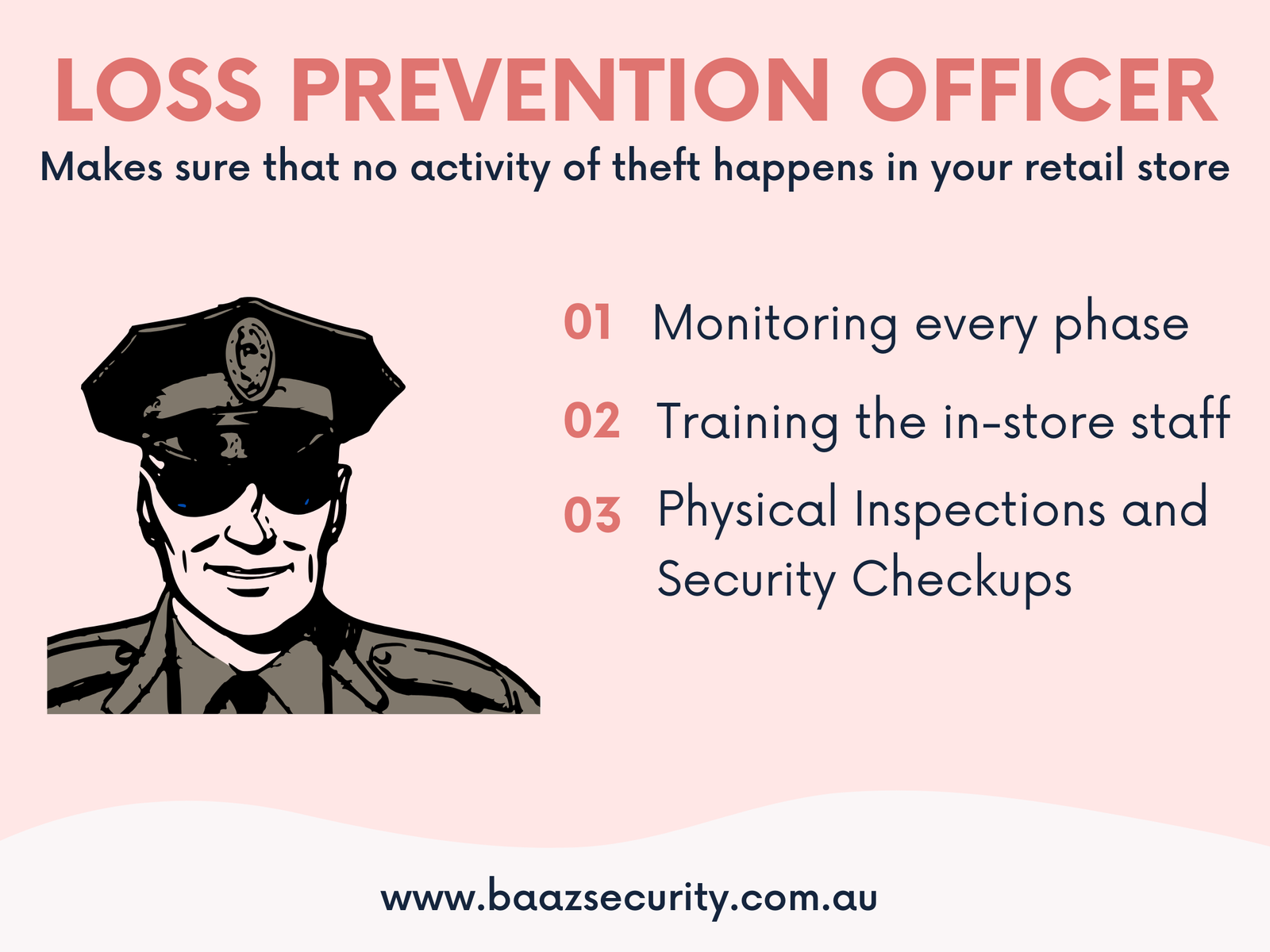
The Financial Impact of Shrinkage
Shrinkage is the silent killer of profitability. It is a financial leakage that impacts the balance sheet directly, reducing net income dollar-for-dollar. When inventory disappears without a sale, the cost of goods sold (COGS) increases while revenue remains stagnant, leading to a direct compression of gross margins.
Defining Shrinkage Components
Shrinkage is rarely the result of a single cause. Professional loss prevention strategies categorize losses into four primary buckets:
- Employee Theft: Often the largest contributor to shrinkage, this involves internal actors misusing assets, voiding transactions to pocket cash, or outright theft of merchandise.
- External Theft: This includes organized retail crime, shoplifting, and fraud. While highly visible, it is often secondary to internal issues in terms of total financial impact.
- Administrative Error: This is the “hidden” loss. It includes inaccurate data entry, incorrect shipping manifests, vendor invoicing errors, and failures in the procurement process.
- Vendor Fraud: This occurs when suppliers or third-party logistics providers intentionally under-ship or falsify records to overcharge a business.
The Multiplier Effect on Revenue
To understand the true cost of loss prevention, one must look at the “replacement cost” of shrinkage. If a business operates on a 10% net profit margin, a $1,000 loss does not just cost the company $1,000; it requires the business to generate an additional $10,000 in sales just to offset the profit lost. This multiplier effect is why successful financial management mandates a rigorous loss prevention protocol.
Strategic Frameworks for Asset Protection
A robust loss prevention program is built upon the foundation of proactive governance rather than reactive investigation. By implementing standardized operational procedures (SOPs), businesses can create a culture of accountability that safeguards assets at every touchpoint of the supply chain.
Inventory Auditing and Cycle Counting
Regular physical inventory counts are the primary defense against administrative shrinkage. Modern finance departments utilize cycle counting—a method of inventory management where small subsets of inventory are counted on a rotating schedule—rather than relying on annual audits. This provides real-time financial visibility and allows management to identify systemic errors in the procurement or receiving process before they result in significant capital depletion.

The Role of Internal Controls
Financial internal controls are the “checks and balances” of a company. By separating duties—ensuring, for example, that the person who places the purchase order is not the same person who processes the invoice or receives the shipment—a business can create a system where fraud becomes significantly harder to execute. Documentation is the bedrock of these controls. Every transaction, from the warehouse floor to the point-of-sale terminal, must leave an immutable digital or paper trail.
POS and Data Analytics
In the digital age, loss prevention is increasingly data-driven. Advanced Point-of-Sale (POS) monitoring software can identify suspicious patterns that human oversight might miss. For instance, an unusually high volume of “no-sale” openings of a cash register, or a disproportionate number of employee returns, can be flagged by automated financial reporting tools. By analyzing these data points, companies can pinpoint exactly where financial leakage is occurring, allowing for targeted interventions rather than broad, expensive security measures.
Human Capital and Corporate Culture
One of the most overlooked aspects of loss prevention is its relationship with corporate culture and employee engagement. High turnover rates and low employee morale are statistically correlated with higher levels of internal shrinkage. When employees feel undervalued or are not adequately compensated, the barrier to “justifying” theft—whether of time, money, or goods—is significantly lowered.
Building an Integrity-Driven Environment
Effective loss prevention is a soft skill as much as it is a hard science. Training employees to understand the financial reality of the business fosters a sense of ownership. When staff understand that shrink impacts their bonuses, job security, and store performance, they are more likely to participate in peer-to-peer accountability.
The Cost of Training vs. The Cost of Loss
Investment in human resources—specifically through rigorous onboarding, clear codes of conduct, and internal communication regarding company expectations—is a high-ROI activity. Financial managers must view the cost of employee engagement programs as an investment in loss prevention. A well-trained, loyal workforce is arguably the most effective barrier against internal shrinkage, as it eliminates the “us versus them” mentality that often precedes dishonest behavior.
The Future of Loss Prevention in Financial Strategy
As business models shift toward omnichannel retailing and globalized supply chains, the definition of loss prevention is expanding. It is no longer just about guarding physical shelves; it is about protecting the integrity of the entire financial ecosystem.
Mitigating Risk in Digital Supply Chains
With the rise of e-commerce, loss prevention has moved into the realm of digital fraud protection and supply chain transparency. Chargeback fraud, where customers claim they never received a product to secure a refund, has become a significant financial drain. Modern loss prevention now requires advanced tracking technologies, blockchain-based inventory verification, and automated dispute resolution systems to protect the company’s capital.
Balancing Security with Customer Experience
A critical challenge for financial leaders is ensuring that loss prevention measures do not impede the customer experience or operational velocity. Excessively restrictive security measures can alienate customers and increase labor costs. The future of the field lies in “frictionless” loss prevention—using smart sensors, AI-driven inventory tracking, and predictive analytics to minimize loss without the need for intrusive physical barriers or burdensome administrative processes.

Sustainable Profitability
Ultimately, loss prevention is about sustainability. It ensures that the capital generated by sales is retained and reinvested into growth initiatives rather than being absorbed by leakage. Businesses that integrate loss prevention into their long-term financial planning are better positioned to weather economic downturns, as they maintain leaner, more accurate, and more efficient operations. By treating loss prevention as a core pillar of business finance, organizations can secure their margins, satisfy their stakeholders, and build a resilient infrastructure capable of scaling in a complex global market.
By defining the term through a financial lens, it becomes clear that loss prevention is not a secondary task. It is a foundational element of business management. It requires continuous attention, analytical rigor, and a commitment to maintaining the integrity of the company’s assets from the moment they are acquired to the moment they result in a realized profit. Understanding this means shifting the perspective from “securing goods” to “securing capital,” a fundamental mindset change that serves as the hallmark of high-performing, profitable enterprises.
aViewFromTheCave is a participant in the Amazon Services LLC Associates Program, an affiliate advertising program designed to provide a means for sites to earn advertising fees by advertising and linking to Amazon.com. Amazon, the Amazon logo, AmazonSupply, and the AmazonSupply logo are trademarks of Amazon.com, Inc. or its affiliates. As an Amazon Associate we earn affiliate commissions from qualifying purchases.