
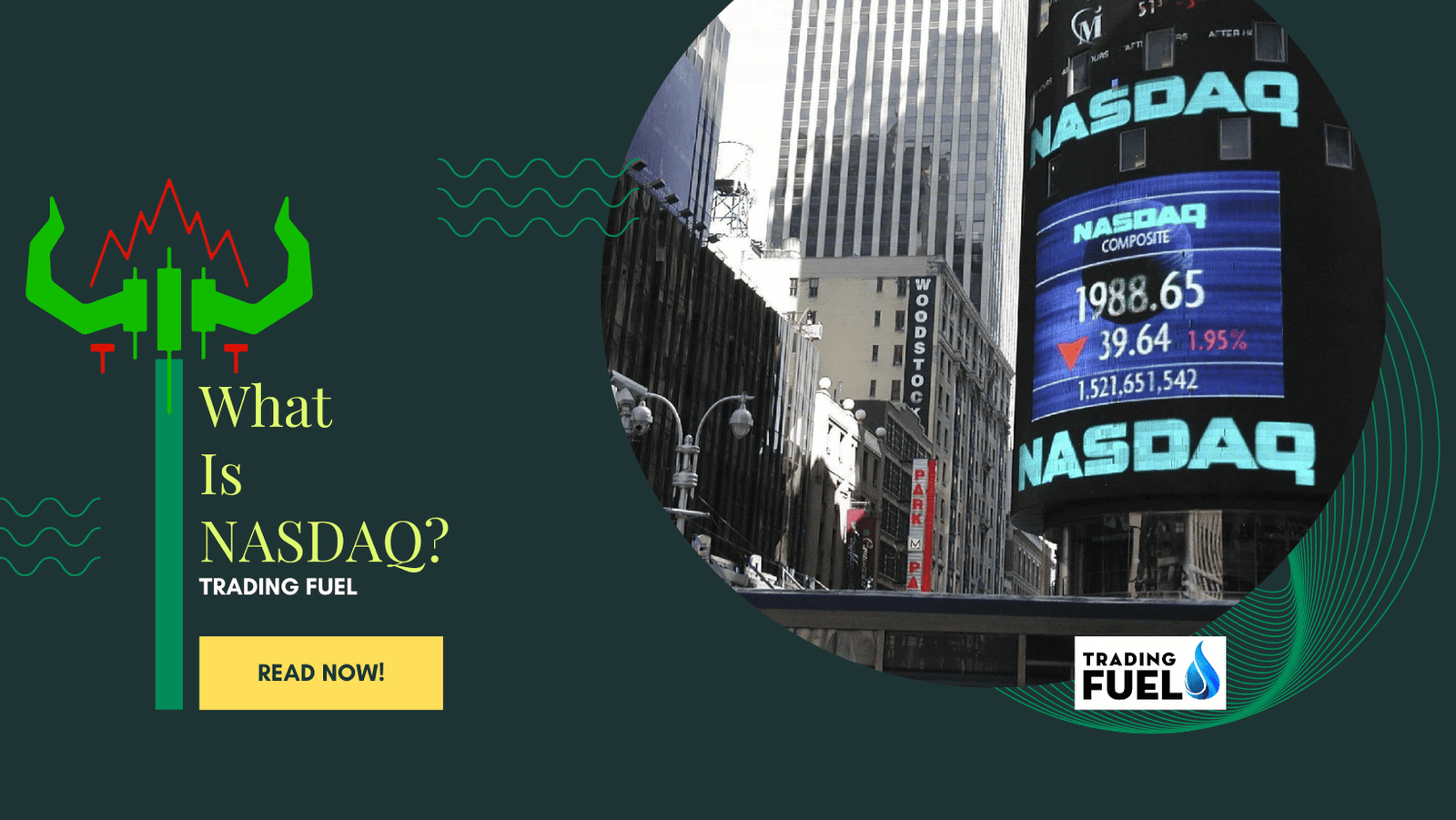
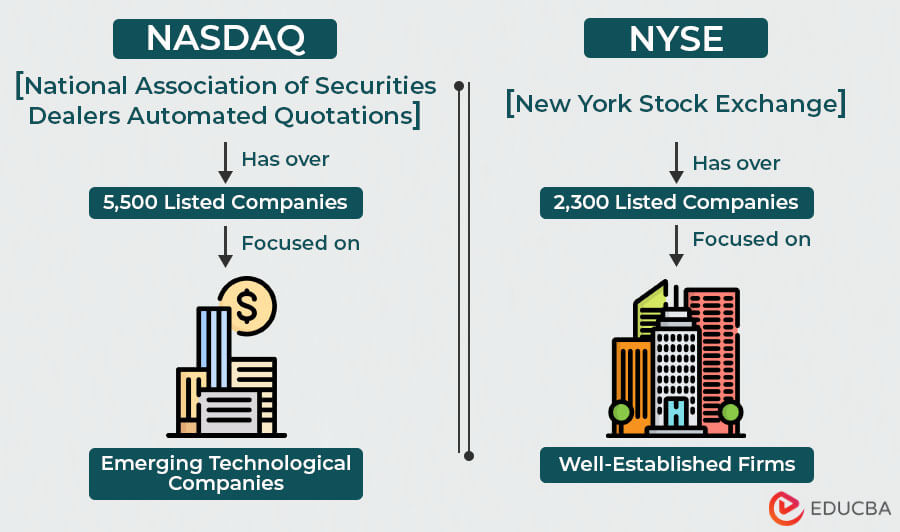
NASDAQ stands for the National Association of Securities Dealers Automated Quotations. Far more than just an acronym, this name encapsulates the revolutionary origins and enduring mission of what has become the second-largest stock exchange in the world by market capitalization, a vibrant hub for innovation, and a cornerstone of modern investing. Understanding its full name unlocks insights into its unique structure, its historical impact on financial markets, and its ongoing significance for investors and businesses alike.
The Genesis of an Acronym: A Financial Revolution
Before NASDAQ’s inception, over-the-counter (OTC) stock trading was a fragmented and often inefficient process. Brokers and dealers would communicate by telephone to discover prices and execute trades, a method fraught with delays, inconsistencies, and a lack of transparency. The U.S. Congress, recognizing the need for greater efficiency and fairness in securities markets, commissioned a study that ultimately led to the formation of NASDAQ.

The “National Association of Securities Dealers” part of the name refers to the organization that created and initially operated the exchange. The NASD (now part of FINRA, the Financial Industry Regulatory Authority) was established to regulate the OTC market and ensure ethical conduct among its members. Their initiative to create an automated system was a direct response to the market’s inefficiencies, aiming to standardize and streamline the quotation process.
The “Automated Quotations” component highlights the core innovation that distinguished NASDAQ from its predecessors and contemporaries. Launched in 1971, NASDAQ was the world’s first electronic stock market. Instead of physical trading floors where brokers shouted orders, NASDAQ introduced a computerized network that displayed real-time bid and ask prices from multiple market makers. This automation brought unprecedented transparency, speed, and efficiency to the OTC market, fundamentally changing how securities were bought and sold. It democratized access to pricing information and facilitated quicker trade executions, benefiting both professional traders and individual investors. This technological leap wasn’t just an operational improvement; it was a paradigm shift that laid the groundwork for the digital transformation of financial markets globally.
NASDAQ’s Pivotal Role in Modern Investing and Business Finance
From its origins as an electronic bulletin board for OTC stocks, NASDAQ rapidly evolved into a primary exchange, attracting a unique cohort of companies and profoundly shaping investment landscapes. Its innovative spirit, deeply embedded in its “Automated Quotations” roots, continues to define its market structure and influence global finance.
A Haven for Growth and Technology Companies
NASDAQ quickly became the exchange of choice for nascent, high-growth companies, particularly those in the technology sector. The early embrace of firms like Microsoft, Apple, Intel, and later giants such as Amazon and Google (Alphabet) solidified NASDAQ’s reputation as a market for innovation. This distinction isn’t arbitrary; it stems from a combination of its lower listing requirements for younger companies compared to older exchanges like the NYSE, and its inherent appeal to firms that themselves were built on technological advancement. For investors, this meant NASDAQ indices, such as the NASDAQ Composite and the NASDAQ 100, became bellwethers for the tech sector and indicators of economic growth driven by innovation. Investing in NASDAQ-listed companies often represents a bet on future growth and disruptive technologies, making it a critical component of many diversified investment portfolios seeking long-term capital appreciation.
Market Structure and Financial Efficiency
NASDAQ’s market model differs significantly from traditional auction markets. It operates as a dealer’s market, where multiple market makers compete to buy and sell stocks, providing liquidity and continuous pricing. This competitive environment, facilitated by its automated systems, generally results in tighter spreads (the difference between the bid and ask price) and more efficient price discovery. For institutional investors, this efficiency means lower transaction costs and greater certainty in executing large orders. For retail investors, it translates into fairer prices and easier access to a broad range of securities. The “Automated Quotations” system, once a novel concept, is now a highly sophisticated electronic trading platform that handles millions of transactions per second, underpinning the vast liquidity and stability required for modern global financial markets. This robust infrastructure is a fundamental financial tool, enabling diverse investment strategies from high-frequency trading to long-term buy-and-hold.
Impact on Global Financial Tools and Derivatives
The success of NASDAQ’s automated model has had a cascading effect on the development of financial tools and derivatives. The real-time data flow generated by its electronic trading systems enables the creation of sophisticated algorithms for algorithmic trading, quantitative analysis, and risk management. Furthermore, the indices derived from NASDAQ-listed companies, particularly the NASDAQ 100, are highly popular underlying assets for exchange-traded funds (ETFs), options, and futures contracts. These derivatives offer investors and institutions ways to hedge against market risk, speculate on price movements, or gain exposure to the tech sector without directly purchasing individual stocks. The continuous development and trading of these financial products underscore NASDAQ’s enduring influence on how modern investors manage their capital and approach market opportunities.
Navigating Investment Opportunities on NASDAQ
For investors, understanding NASDAQ’s unique characteristics is crucial for developing effective financial strategies. The exchange offers a diverse array of investment avenues, ranging from direct stock ownership to indirect exposure through various financial instruments.
Direct Stock Investment
Individual investors can directly buy shares of companies listed on NASDAQ through brokerage accounts. Given NASDAQ’s concentration of growth and technology companies, direct investment in these stocks often implies a higher risk-reward profile. Investors should conduct thorough due diligence, analyzing company financials, industry trends, and competitive landscapes. Popular strategies might include identifying disruptive technologies, investing in companies with strong intellectual property, or focusing on sectors experiencing rapid expansion. The long-term performance of many NASDAQ-listed companies has demonstrated significant wealth creation potential for those willing to accept the inherent volatility of growth stocks.
Index Investing through ETFs and Mutual Funds
For those seeking broader market exposure or diversification, index investing is a highly popular approach. The NASDAQ Composite Index, which includes all stocks listed on the exchange, and the NASDAQ 100 Index, comprising the 100 largest non-financial companies listed on NASDAQ, are widely tracked benchmarks. Investors can gain exposure to these indices through various financial products:
NASDAQ Composite Index Funds
These funds offer broad exposure to the entire NASDAQ market, encompassing thousands of companies across various sectors, though heavily weighted towards technology. They provide a diversified way to participate in the growth of NASDAQ-listed companies.
NASDAQ 100 Index Funds (e.g., QQQ)
Perhaps one of the most well-known NASDAQ-linked investment vehicles, ETFs tracking the NASDAQ 100 provide concentrated exposure to large-cap growth stocks, primarily in technology, but also including companies from other innovative sectors. This offers a convenient way to invest in a basket of established market leaders without having to research and buy individual stocks. These funds are often favored by investors bullish on the technology sector’s continued performance.
Options and Futures Trading
More sophisticated investors and traders utilize options and futures contracts based on NASDAQ indices or individual NASDAQ-listed stocks. Options provide the right, but not the obligation, to buy or sell an underlying asset at a specified price within a certain timeframe. Futures are agreements to buy or sell an asset at a predetermined price on a future date. These derivatives can be used for hedging existing stock portfolios against potential downturns, generating income through covered call strategies, or speculating on short-term price movements. However, due to their complexity and leverage, options and futures trading carries significant risk and is typically recommended for experienced investors with a deep understanding of market dynamics and risk management.
The Future of NASDAQ and Global Markets
NASDAQ’s journey from an automated quotation system to a global financial powerhouse highlights its adaptability and continuous innovation. As financial markets evolve, NASDAQ remains at the forefront, influencing new financial technologies and expanding its global reach.
Embracing Financial Technology (FinTech)
True to its founding principles, NASDAQ continues to champion financial technology. It actively invests in and develops advanced trading technologies, data analytics tools, and cloud-based solutions to enhance market efficiency, security, and accessibility. Innovations in artificial intelligence, machine learning, and blockchain technology are increasingly being integrated into its operations to improve trade execution, surveillance, and data management. These technological advancements not only benefit NASDAQ’s core exchange functions but also contribute to the broader ecosystem of financial tools available to investors and institutions, ensuring that financial services remain robust and responsive to market demands.
Global Expansion and Market Integration
Beyond its U.S. operations, NASDAQ has established a significant global presence. It provides technology solutions to exchanges worldwide and operates several markets in Europe. This global footprint allows for greater market integration, facilitating cross-border investing and increasing liquidity across different geographies. As the world becomes more interconnected, NASDAQ’s role in linking international financial markets and providing standardized, efficient trading platforms will only grow in importance, offering investors broader access to global opportunities and further diversifying their financial portfolios.
Evolving Regulatory Landscape and Investor Protection
As NASDAQ continues to innovate and expand, it also operates within an evolving regulatory framework. The “National Association of Securities Dealers” component of its original name underscores the importance of investor protection and market integrity. Today, regulatory bodies like the SEC (Securities and Exchange Commission) in the U.S. and equivalent authorities globally work in tandem with exchanges like NASDAQ to ensure fair and orderly markets. This commitment to transparency and robust oversight is crucial for maintaining investor confidence and safeguarding the integrity of the financial system, allowing investors to participate in NASDAQ’s markets with a higher degree of trust and security.
In conclusion, the name NASDAQ—National Association of Securities Dealers Automated Quotations—is a historical marker for a financial revolution. It represents the pioneering spirit of electronic trading, the emergence of a vibrant market for growth companies, and a sustained commitment to technological innovation in finance. For investors, NASDAQ is more than just an exchange; it is a gateway to dynamic investment opportunities, a barometer for technological advancement, and a testament to the ongoing evolution of global capital markets.
aViewFromTheCave is a participant in the Amazon Services LLC Associates Program, an affiliate advertising program designed to provide a means for sites to earn advertising fees by advertising and linking to Amazon.com. Amazon, the Amazon logo, AmazonSupply, and the AmazonSupply logo are trademarks of Amazon.com, Inc. or its affiliates. As an Amazon Associate we earn affiliate commissions from qualifying purchases.