
The global protein market is undergoing a seismic shift. As traditional livestock industries face mounting pressure from environmental regulations and changing consumer preferences, investors and entrepreneurs are looking toward alternative sources. Among these, the Australian kangaroo meat industry has emerged as a high-potential niche. Understanding what kangaroo meat tastes like is not merely a culinary curiosity; for those in the finance and business sectors, it is a fundamental exercise in product analysis and market positioning. To assess the viability of kangaroo meat as a premium export or a sustainable investment, one must first deconstruct its sensory profile and how that profile translates into consumer demand and profit margins.
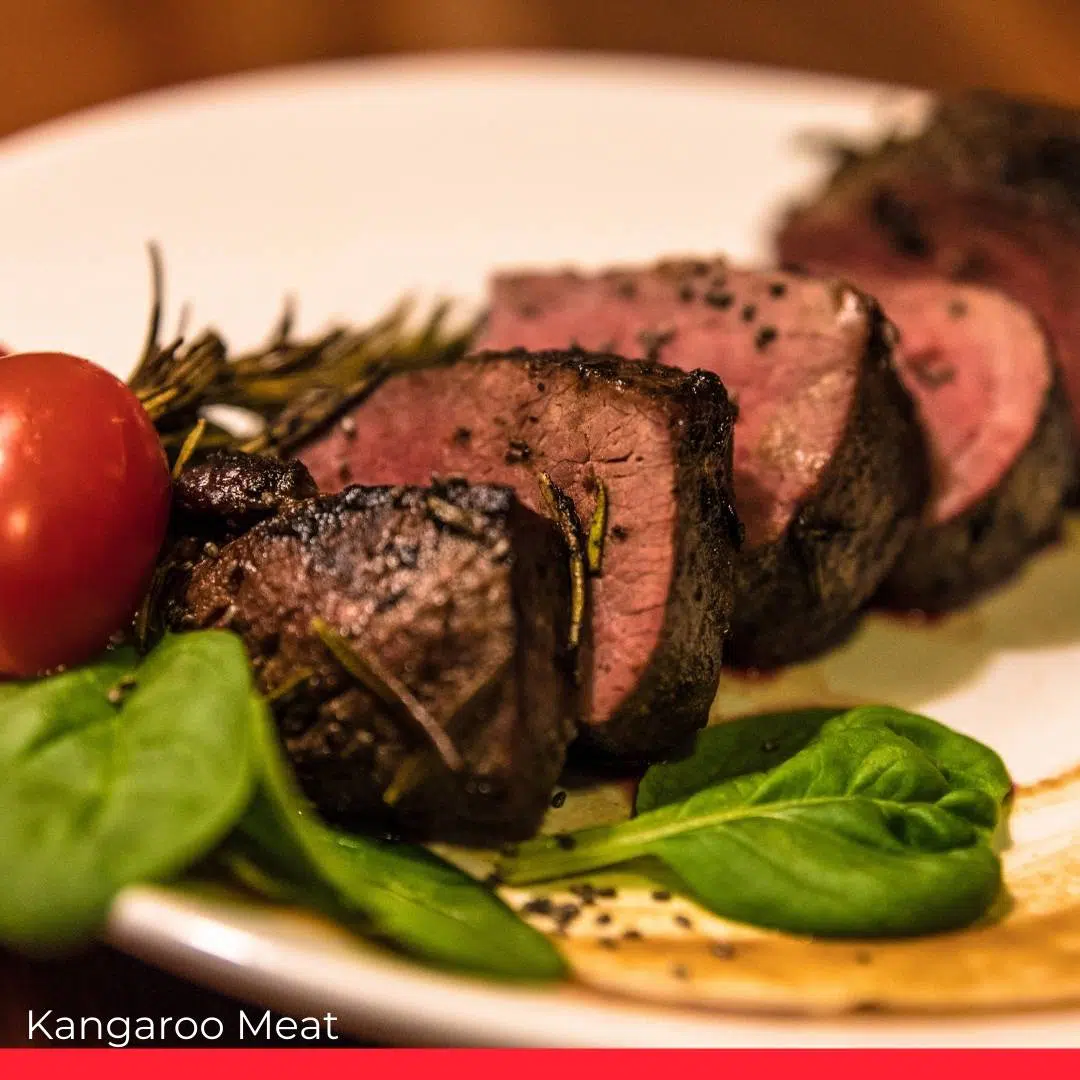
Decoding the Sensory Profile: Why Taste Dictates Market Value
In the world of specialty commodities, the flavor profile of a product is its most significant driver of “Brand Equity.” For kangaroo meat, its unique taste is the primary catalyst for its premium price point in European and Asian markets.
The Lean Advantage: Understanding Texture and Mouthfeel
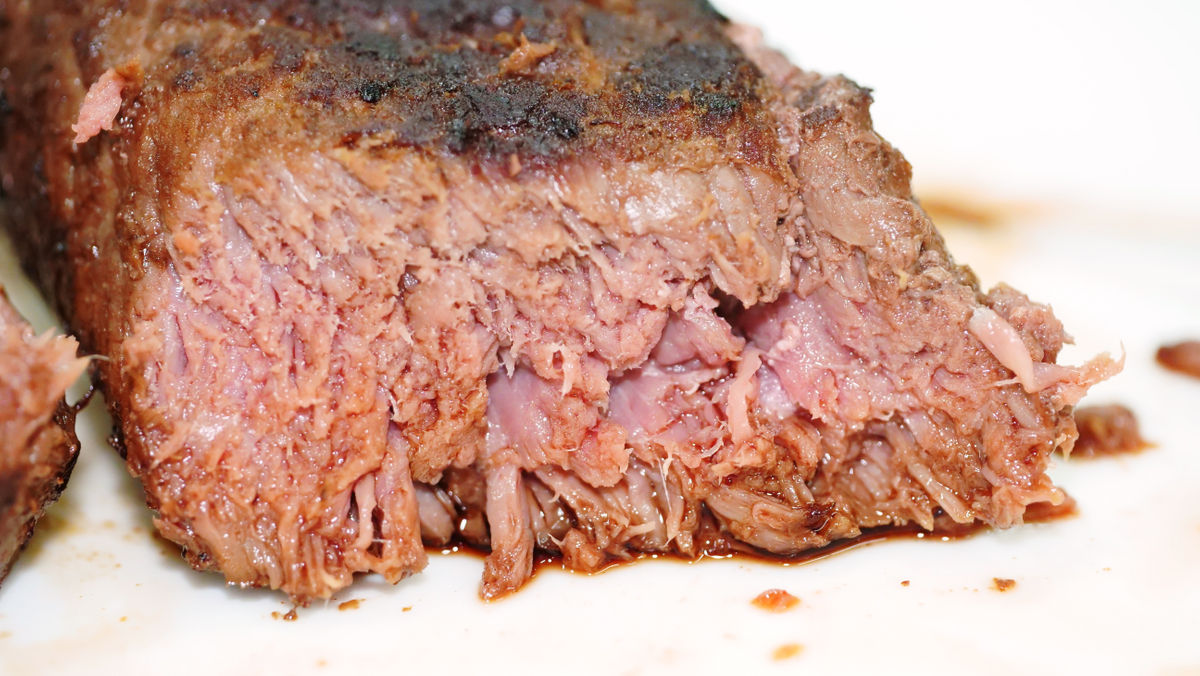
From a culinary and commercial standpoint, the most striking feature of kangaroo meat is its extreme leanness. Unlike grain-fed beef, which relies on intramuscular fat (marbling) for flavor and tenderness, kangaroo is roughly 98% fat-free. This lack of fat creates a firm, dense texture that appeals to the “health-conscious luxury” demographic.
For the business-minded observer, this texture represents a specific market niche. The mouthfeel is often compared to venison or lean beef fillet. Because it lacks fat, the meat can become tough if overcooked, which has led to a burgeoning secondary market for sous-vide equipment and specialized culinary training in high-end restaurants. The “premiumization” of kangaroo meat depends heavily on educating the consumer about this texture, turning a potential drawback—leanness—into a high-value health benefit.
Flavor Nuance: Gamey Notes and Culinary Versatility
What does kangaroo meat actually taste like? It is frequently described as a more flavorful version of beef. It possesses a distinct “gamey” quality—an earthy, slightly musky undertone that is characteristic of wild-harvested animals. However, it is significantly milder than wild boar or certain types of venison. This “intermediate” flavor profile is a strategic asset. It is adventurous enough to satisfy the “foodie” explorer but familiar enough to avoid alienating the mass market.
The flavor is also highly concentrated. Due to the kangaroo’s diet of native Australian grasses and shrubs, the meat has a high iron content, which contributes a slightly metallic, robust finish. In the context of business finance, this flavor density means that smaller portions can satisfy a diner, allowing restaurants to maintain high margins while managing plate costs.
The Economics of the Australian Macro-Industry
The commercial kangaroo industry is a unique economic entity. Unlike traditional pastoralism, which requires significant capital expenditure (CAPEX) for land, fencing, and feed, kangaroo meat is sourced through wild harvesting. This creates a distinct financial model that differs from almost any other meat industry in the world.
Harvesting vs. Farming: A High-Margin Business Model
Kangaroo harvesting is regulated by the Australian government through a quota system based on annual population surveys. For investors, this represents a “low overhead” supply chain. There are no costs associated with breeding, feeding, or sheltering the animals. The primary operational costs (OPEX) are centered on the harvest logistics, refrigerated transport, and processing facilities.
Because the supply is naturally occurring, the industry is shielded from the volatile prices of grain and hay that often plague the beef and pork industries. This makes kangaroo meat a potential hedge against agricultural inflation. When drought drives up the cost of traditional meat production, the price of kangaroo remains relatively stable, provided the harvest quotas are met.
International Trade and Export Potential
A significant portion of the Australian kangaroo industry’s revenue is generated through exports. Currently, more than 60 countries import kangaroo meat, with major markets in the European Union (particularly Germany and Belgium) and a growing interest in Southeast Asia.
The financial opportunity lies in the “Exotic Branding” of the meat. In Australia, kangaroo is often viewed as a staple or a novelty, but on the international stage, it is positioned alongside truffles, wagyu beef, and fine wines. The export value is significantly higher than domestic wholesale prices, offering substantial ROI for companies that can navigate the complex biosecurity and trade regulations of importing nations.
Sustainability as a Financial Asset: The Environmental ROI

In the modern financial landscape, Environmental, Social, and Governance (ESG) criteria are critical for attracting investment. The “taste” of kangaroo meat is inextricably linked to its sustainability, which serves as a powerful marketing tool and a value-add for green-focused portfolios.
Low Carbon Footprint and Methane Reduction
Traditional cattle and sheep production are major contributors to methane emissions. Kangaroos, however, possess a different gut microbiome that produces significantly less methane. For a carbon-conscious market, kangaroo meat is the “green” alternative to beef. This environmental benefit allows distributors to command a “sustainability premium.”
From a business finance perspective, this reduces the risk of future carbon taxes impacting the industry. Companies involved in the distribution of kangaroo meat can leverage these green credentials to gain access to favorable lending rates and impact-investing funds.
Biodiversity and Land Management
The commercial harvest of kangaroos is often framed as an essential part of rangeland management. Overpopulation can lead to overgrazing and the loss of biodiversity. By commercializing the harvest, the industry provides an economic incentive for maintaining healthy ecosystems. This creates a circular economy model where the “waste” of population control becomes a high-value protein source. Investors looking for “regenerative” business models find the kangaroo industry a compelling case study in balancing profit with ecological health.
Strategic Marketing: Positioning the “Wild” Brand
For a product to succeed in the “Money” niche, it must have a clear path to market dominance. The success of kangaroo meat depends on how its taste and origin are branded to a global audience.
The Luxury of the “Wild”
The “Wild-Caught” label is increasingly synonymous with “Organic” and “Natural” in the minds of high-net-worth consumers. The fact that kangaroos are not farmed, treated with antibiotics, or given growth hormones allows for a “clean-label” marketing strategy. This positioning is essential for penetrating the premium grocery sector (e.g., Whole Foods, Marks & Spencer) where consumers are willing to pay a 30-50% markup over conventional meats.
Diversification: Beyond the Steak
The business of kangaroo meat is not limited to human consumption. The industry has successfully diversified into the high-end pet food market. Kangaroo meat is considered a “novel protein,” making it ideal for pets with allergies. This “secondary market” ensures that every part of the harvest is monetized, maximizing the profit per animal.
Additionally, the leather produced from kangaroo hides—known as k-leather—is the strongest lightweight leather in the world. It is highly sought after by sports brands like Adidas and Nike for high-performance soccer cleats. For an investor, the kangaroo industry is not just a food business; it is a multi-sector commodity play involving textiles, health supplements (high-iron extracts), and luxury proteins.
Risks and Market Volatility
No financial analysis is complete without a discussion of risk. The kangaroo meat industry faces several headwinds that can impact profitability.
Regulatory and Ethical Hurdles
The industry is frequently targeted by animal rights organizations. While the harvest is strictly regulated and considered one of the most humane ways to obtain meat, negative publicity can lead to retailers pulling products from shelves. This “reputational risk” must be factored into any long-term investment strategy.
Supply Chain Fragility
Because the industry relies on wild populations, supply can be affected by extreme weather events, such as massive bushfires or prolonged droughts. While the animals are resilient, these events can disrupt harvest logistics and lead to temporary supply shortages, causing price spikes that may alienate cost-sensitive B2B clients like restaurant chains.
Conclusion: The Bottom Line on Kangaroo Meat
What does kangaroo meat taste like? To the consumer, it is a lean, robust, and sustainable protein. To the investor, that taste represents a unique entry point into the alternative protein market—a sector poised for significant growth as the global food system evolves.
The financial viability of kangaroo meat lies in its ability to bridge the gap between “wild” and “premium.” With its low environmental impact, high nutritional value, and unique sensory profile, it offers a diversified revenue stream for those willing to navigate its regulatory complexities. As the world moves toward a more sustainable and health-conscious economy, the “taste” of the Australian outback is becoming a valuable asset in the global commodity market. For those looking to diversify their portfolios into sustainable agriculture and specialty exports, kangaroo meat is a niche that warrants serious fiscal consideration.
aViewFromTheCave is a participant in the Amazon Services LLC Associates Program, an affiliate advertising program designed to provide a means for sites to earn advertising fees by advertising and linking to Amazon.com. Amazon, the Amazon logo, AmazonSupply, and the AmazonSupply logo are trademarks of Amazon.com, Inc. or its affiliates. As an Amazon Associate we earn affiliate commissions from qualifying purchases.