
The realization that your Social Security card is missing can trigger an immediate sense of dread. In the landscape of personal finance, your Social Security Number (SSN) is more than just a government identifier; it is the master key to your financial life. It is the primary tool used by lenders, insurers, and government agencies to verify your identity and track your creditworthiness. When this number falls into the wrong hands, or when the physical card is misplaced, your financial security is at significant risk. Managing this crisis requires a strategic, step-by-step approach to mitigate damage and restore the integrity of your financial profile.
Immediate Steps to Secure Your Financial Assets
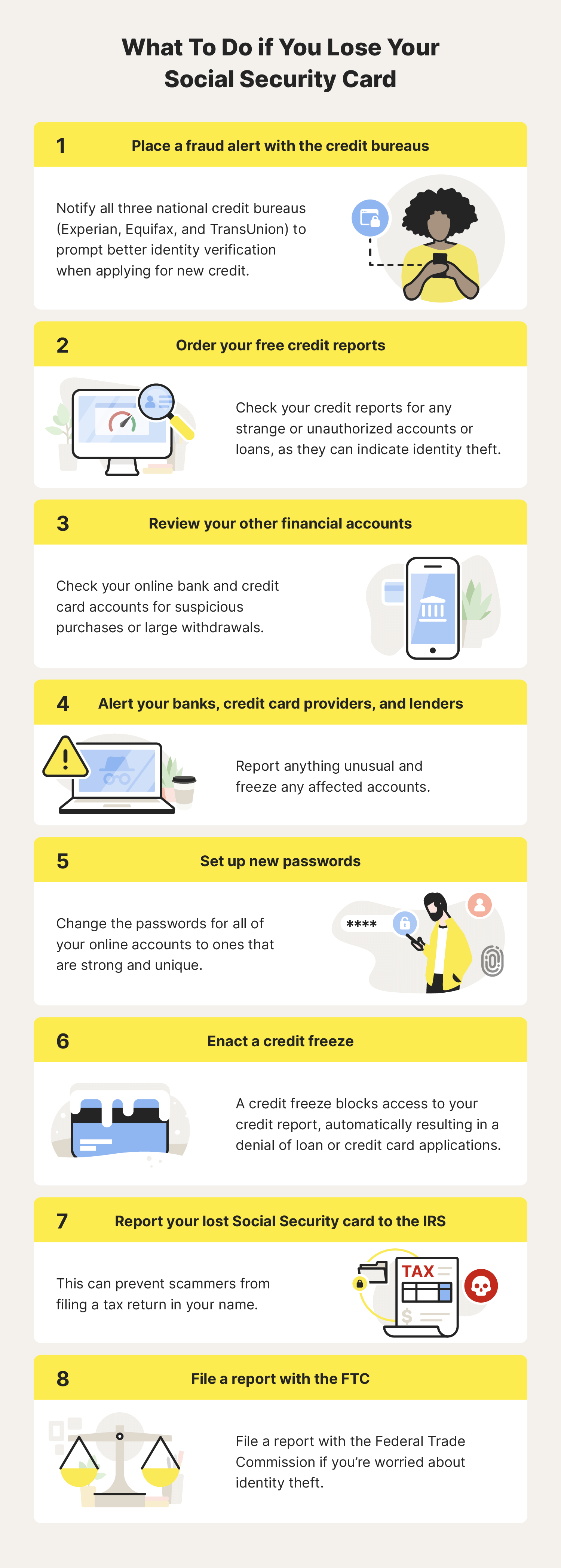
The moment you confirm your Social Security card is lost or stolen, you must move from a state of panic to a state of proactive defense. Because the SSN is the foundational element of your credit profile, your first priority is to lock down your credit files to prevent unauthorized accounts from being opened in your name.
Placing a Credit Freeze
A credit freeze is the most robust defensive measure available to consumers. By freezing your credit, you restrict access to your credit report, making it nearly impossible for identity thieves to open new lines of credit in your name. Most lenders require a credit check before approving a new loan or credit card; if they cannot access your report, they will deny the application.
To implement a freeze, you must contact each of the three major credit bureaus individually: Equifax, Experian, and TransUnion. This process is free and can be done online or via phone. Unlike a fraud alert, a freeze remains in place until you choose to lift it, providing long-term security while you navigate the replacement of your card.
Initiating a Fraud Alert
If you are hesitant to implement a full freeze because you are currently shopping for a mortgage or an auto loan, a fraud alert is a secondary option. A fraud alert requires creditors to take extra steps to verify your identity before issuing credit. When you place a fraud alert with one of the three bureaus, they are legally required to notify the other two, simplifying the process for the consumer. An initial fraud alert lasts for one year, but if you can provide an official identity theft report, you can extend this protection for up to seven years.
Reporting to the Federal Trade Commission (FTC)
Reporting the loss to the FTC via IdentityTheft.gov is a critical step in creating a paper trail. The FTC will provide you with a recovery plan and an Identity Theft Report. This document is essential if you ever need to dispute fraudulent transactions or prove to creditors that your information was compromised. While the Social Security Administration (SSA) handles the card replacement, the FTC handles the financial fallout and tracking of identity misuse.
The Administrative Process: How to Secure a Replacement Card
Once your financial perimeter is secured, you can turn your attention to the administrative task of replacing the physical card. The Social Security Administration has specific protocols for issuing replacements, and understanding these requirements can save you significant time and frustration.
Determining Eligibility for Online Replacement
In many cases, you may not need to visit a local Social Security office. The SSA offers a “my Social Security” portal that allows residents of most states to request a replacement card online. To qualify for this service, you must be a U.S. citizen age 18 or older with a mailing address in the United States, and you must not be requesting a name change or any other changes to your card. Using the online portal is the most efficient way to handle a replacement, as it bypasses the need for manual document verification at an office.
Gathering Essential Documentation
If you do not qualify for an online replacement, you must provide original documents (or copies certified by the issuing agency) to prove your identity and citizenship. Photostatic copies or notarized copies are generally not accepted. The SSA typically requires:
- Proof of Identity: A valid U.S. driver’s license, a state-issued non-driver identity card, or a U.S. passport.
- Proof of Citizenship: A birth certificate or a U.S. passport.
If you are not a U.S. citizen, you will need to provide current immigration documents, such as an I-551 (Permanent Resident Card) or an I-766 (Employment Authorization Document), along with your foreign passport.
Filing the Application with the Social Security Administration
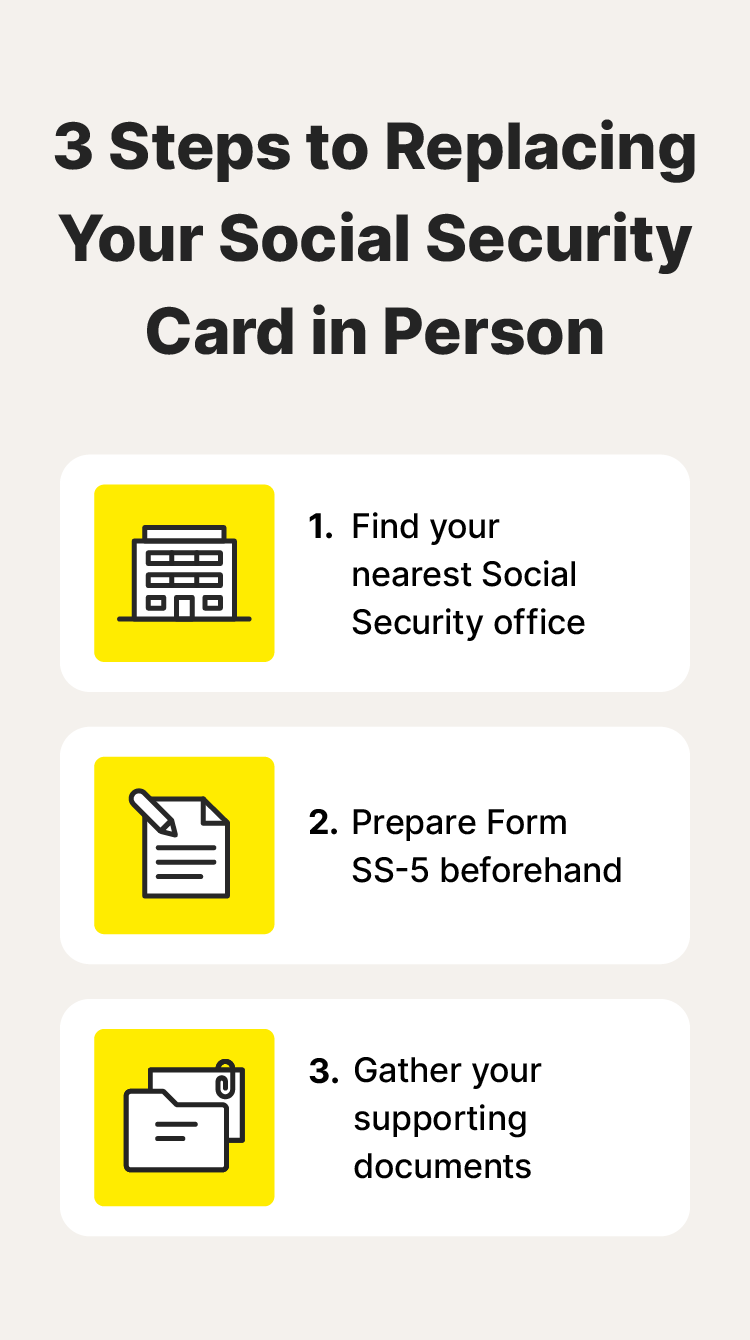
After gathering your documents, you must complete the Application for a Social Security Card (Form SS-5). This form can be submitted by mail or in person at your local SSA office. While mailing original documents like a passport can feel risky, the SSA has established protocols for returning these documents safely. However, for many, the peace of mind offered by an in-person appointment is worth the logistical effort. It is important to note that the SSA limits the number of replacement cards you can receive to three per calendar year and ten during your lifetime, though exceptions can be made for legal name changes or other compelling reasons.
Mitigating Long-Term Risks to Your Credit and Tax Standing
The loss of an SSN card isn’t just a short-term inconvenience; it can have lingering effects on your financial health for years. Identity thieves often “warehouse” stolen data, waiting months or even years before using it to bypass immediate security measures.
Monitoring for Synthetic Identity Theft
Synthetic identity theft is a sophisticated form of fraud where a criminal combines your real SSN with fake information (such as a different name and birthdate) to create a completely new identity. This is particularly dangerous because it often goes undetected by traditional credit monitoring services. To combat this, you should regularly review your credit reports for any unfamiliar names or addresses associated with your SSN. You are entitled to one free credit report from each of the three bureaus every year via AnnualCreditReport.com. In a post-loss scenario, it is wise to stagger these requests every four months to maintain year-round surveillance.
Protecting Your Tax Identity with the IRS
One of the most common uses for a stolen SSN is tax identity theft, where a criminal files a fraudulent tax return in your name to claim a refund. If you lose your card, you should proactively contact the Internal Revenue Service (IRS). You may need to file IRS Form 14039, the Identity Theft Affidavit.
Furthermore, you can request an Identity Protection PIN (IP PIN). This is a six-digit number assigned to eligible taxpayers that helps prevent the misuse of their SSNs on fraudulent federal income tax returns. Once you opt into the IP PIN program, the IRS will not accept a tax return filed under your SSN without that specific code, providing a powerful layer of financial defense.
Scrutinizing Your Annual Social Security Statement
Your Social Security statement is an often-overlooked financial tool. It tracks your lifetime earnings and estimates your future retirement, disability, and survivor benefits. If an identity thief uses your SSN to gain employment, their wages will appear on your record. While this might seem like it would increase your future benefits, it creates significant tax liabilities and legal headaches. Reviewing your statement annually through your “my Social Security” account ensures that your reported earnings match your actual employment history.
Best Practices for Future Financial Security
Recovering from a lost SSN card is a lesson in the fragility of our financial infrastructure. To prevent a recurrence, you must evolve your habits regarding document storage and information sharing.
Secure Physical and Digital Storage Solutions
The most common mistake people make is carrying their Social Security card in their wallet. Under no circumstances should your card be kept on your person daily. Instead, it should be stored in a fireproof safe or a bank safety deposit box.
In the digital realm, you should never store a full scan of your SSN card in an unencrypted email folder or on a cloud service without two-factor authentication. If you must keep a digital record for financial applications, use an encrypted password manager that offers secure document storage.
Knowing When to Withhold Your Social Security Number
In our data-driven economy, many businesses request your SSN for routine transactions. However, you are not always legally required to provide it. While banks, lenders, and government agencies need it for tax and credit reporting purposes, other entities—such as doctors’ offices, utilities, or private clubs—may only be using it as a convenient identifier.
Always ask why the number is needed, how it will be protected, and if there is an alternative form of identification you can provide. By limiting the number of databases that contain your SSN, you reduce the surface area for potential data breaches.

The Role of Professional Identity Monitoring
For those with complex financial portfolios or high net worth, professional identity theft protection services may be a worthwhile investment. These services offer proactive monitoring of the dark web, public records, and court documents to see if your SSN is being traded or used. Many also provide insurance coverage to recoup legal fees and lost wages incurred during the recovery process. While these services do not replace the need for a credit freeze, they act as an early warning system that can save you significant financial distress.
Losing a Social Security card is a serious event, but it does not have to result in financial ruin. By acting quickly to secure your credit, following the correct administrative channels for replacement, and maintaining a vigilant eye on your financial statements, you can effectively neutralize the threat and maintain your long-term financial integrity.
aViewFromTheCave is a participant in the Amazon Services LLC Associates Program, an affiliate advertising program designed to provide a means for sites to earn advertising fees by advertising and linking to Amazon.com. Amazon, the Amazon logo, AmazonSupply, and the AmazonSupply logo are trademarks of Amazon.com, Inc. or its affiliates. As an Amazon Associate we earn affiliate commissions from qualifying purchases.