
The phrase “in transit” is a common status update in the world of package delivery. It signifies that your item has left the sender and is currently on its journey to you, the recipient. While it seems straightforward, understanding what “in transit” truly encompasses can demystify the shipping process and alleviate potential anxieties about your package’s whereabouts. In the context of modern logistics and the technological infrastructure that underpins it, “in transit” is more than just a label; it represents a complex orchestration of data, machinery, and human effort, all driven by sophisticated technological systems.

The Technological Backbone of “In Transit”
The concept of a package being “in transit” is entirely a product of technological advancement. Without the intricate systems that track, route, and manage shipments, the idea of knowing a package’s location between origin and destination would be virtually impossible. This technological ecosystem ensures transparency, efficiency, and reliability in the global movement of goods.
Tracking Technologies: The Eyes and Ears of the Supply Chain
At the heart of understanding “in transit” lies tracking technology. This encompasses a range of innovations designed to provide real-time or near real-time visibility of a package’s journey.
Barcodes and QR Codes: The Universal Language of Packages
Every package that enters the logistics network is typically adorned with a scannable identifier – most commonly a barcode or, increasingly, a QR code. These codes are not just decorative; they are miniature data repositories. When scanned by a handheld device or a fixed scanner at a sorting facility, they transmit critical information. This includes the unique tracking number, destination, sender details, and service level. The act of scanning creates a digital footprint, updating the package’s status within the carrier’s system. This initial scan, often at the sender’s location or the first drop-off point, is what officially initiates the “in transit” phase.
Radio-Frequency Identification (RFID): The Next Frontier in Real-Time Visibility
While barcodes and QR codes are ubiquitous, RFID technology is progressively being integrated into supply chains for enhanced tracking. RFID tags emit radio waves, allowing them to be read remotely without direct line-of-sight. This means a package equipped with an RFID tag can be scanned as it passes through a gate or a conveyor belt, even if it’s part of a larger group of items. This offers a more granular level of tracking, reducing the chances of missed scans and providing a more dynamic understanding of a package’s movement. For high-value or time-sensitive shipments, RFID can offer an unprecedented degree of oversight.
GPS and Telematics: Tracking the Transporters
Beyond the package itself, the vehicles transporting it are also equipped with advanced tracking systems. GPS (Global Positioning System) devices integrated into delivery trucks, vans, and even cargo planes provide real-time location data. This telematics data is then fed back into the logistics network. This allows carriers to monitor the progress of entire fleets, optimize routes, and predict arrival times with greater accuracy. When a package is on a truck, its “in transit” status is intrinsically linked to the GPS location of that truck.
Logistics Software and Data Management: The Brains of the Operation
The sheer volume of packages and the complexity of their journeys necessitate robust software systems. These platforms are the central nervous system of the logistics industry, processing, analyzing, and presenting the data generated by tracking technologies.
Warehouse Management Systems (WMS): Orchestrating Internal Movement
Once a package arrives at a sorting facility or distribution center, it enters the domain of Warehouse Management Systems (WMS). These sophisticated software solutions manage inventory, optimize storage, and direct the flow of packages through various processing stages. When a package is scanned and sorted, the WMS updates its status, indicating it’s moving within the facility, being loaded onto a truck, or preparing for its next leg of the journey. This internal movement is still considered “in transit” by the broader logistics definition.
Transportation Management Systems (TMS): Routing and Optimizing the Journey
For longer distances and intermodal transfers (e.g., from truck to plane, or plane to train), Transportation Management Systems (TMS) come into play. TMS software is responsible for planning and executing the physical movement of goods. It selects the most efficient routes, consolidates shipments, and schedules transportation. The “in transit” status is continuously updated as the TMS tracks the package’s progression along its optimized route, factoring in potential delays or rerouting.
Predictive Analytics and AI: Forecasting and Proactive Management
The integration of Artificial Intelligence (AI) and predictive analytics is revolutionizing how “in transit” is managed. AI algorithms can analyze historical data, current traffic conditions, weather patterns, and even potential disruptions (like port congestion or labor disputes) to forecast transit times and identify potential delays before they occur. This allows carriers to proactively communicate with customers and make necessary adjustments to the logistics plan, ensuring that the “in transit” phase is as efficient as possible.
What “In Transit” Typically Signifies and Its Stages
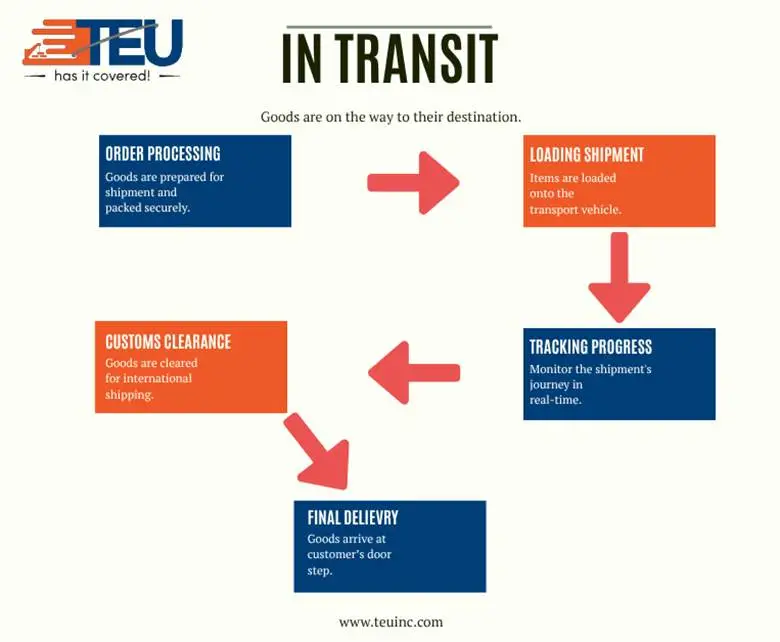
When your package status reads “in transit,” it’s a broad indicator, but it implies specific activities have occurred and are ongoing. Understanding these stages can provide a clearer picture of where your package is in its lifecycle.
Initial Departure and Network Entry: The Journey Begins
The “in transit” status is officially activated once the package has been processed and accepted by the shipping carrier. This usually happens after the sender has dropped off the package or it has been picked up.
Picked Up by Carrier: The Handover Moment
This is often the first official scan that puts a package “in transit.” It signifies that the carrier has taken possession of the item from the sender. For businesses with scheduled pickups, this is a critical step in their operational workflow.
Arrived at Origin Facility: Processing Commences
After pickup, the package typically makes its way to a local sorting facility or hub of the shipping carrier. Here, it undergoes initial sorting, consolidation, and preparation for its onward journey. This internal movement within the origin facility is still considered part of the “in transit” process.
Movement Between Facilities: The Core of the Journey
This is the most significant phase represented by “in transit,” involving the physical movement of the package across different geographic locations.
Departed Origin Facility: Heading Out
Once sorted and loaded onto a transportation vehicle, the package’s status updates to indicate it has left the origin facility. This marks the commencement of its journey to the next destination.
Arrived at Destination Facility/Hub: A Stopover
Packages often move through multiple sorting facilities or hubs depending on their destination. Arriving at each of these locations signifies another stage of progress and is logged as an update to the “in transit” status.
Departed Destination Facility/Hub: Continuing the Path
Similar to departing the origin facility, leaving a subsequent hub signifies the package is continuing its journey towards the final delivery point.
International Shipments: Navigating Global Networks
For packages traveling across borders, the “in transit” phase becomes significantly more complex, involving multiple carriers, customs checks, and longer transit times.
Customs Clearance: The Regulatory Hurdle
When a package crosses international borders, it must go through customs. This involves inspection, duty assessment, and compliance checks by the respective country’s authorities. While the package is technically within the carrier’s network during this time, the customs process can sometimes be a bottleneck and might result in a pause in active tracking updates, even though it remains “in transit” from a logistical perspective.
Handover to Local Carrier: The Final Leg
In international shipping, the original carrier often hands over the package to a local postal service or delivery partner in the destination country for the final delivery. This handover is another event logged within the “in transit” status.
Understanding Delays and What “In Transit” Doesn’t Mean
While “in transit” generally implies steady progress, it’s crucial to recognize that it doesn’t guarantee immediate delivery or a perfectly smooth journey. Delays are an inherent part of logistics, and understanding their potential causes can help manage expectations.
Common Causes for “In Transit” Delays: Navigating the Unexpected
Numerous factors can introduce delays into the shipping process, even when a package is officially “in transit.”
Weather Conditions: Nature’s Disruptors
Severe weather events, such as storms, blizzards, or hurricanes, can halt transportation, leading to significant delays. Flights may be grounded, roads impassable, and port operations suspended.
Traffic and Road Conditions: Grounded Journeys
Congestion on roads, accidents, or road closures can impede the progress of delivery vehicles, especially for last-mile delivery or transfers between facilities.
Operational Issues at Facilities: Internal Bottlenecks
Unexpected surges in volume, staffing shortages, or equipment malfunctions at sorting facilities can create backlogs and slow down the processing of packages.
Customs Delays: Bureaucratic Pauses
As mentioned earlier, customs processing can sometimes take longer than anticipated due to high volumes, incomplete documentation, or specific inspections.
Mechanical Issues with Transportation: Vehicle Problems
Breakdowns of trucks, planes, or other transportation modes can directly impact transit times and require rerouting or replacement vehicles.
What “In Transit” Does Not Mean: Clarifying Misconceptions
It’s important to distinguish what “in transit” conveys from what it doesn’t.
Not Guaranteed Delivery Time: An Estimate, Not a Promise
“In transit” indicates movement, not a precise delivery schedule. While carriers provide estimated delivery dates, “in transit” status alone doesn’t constitute a guarantee.
Not Necessarily Moving Continuously: Pauses and Processing
The term encompasses periods of processing at facilities, waiting for connections, and even occasional holds. A package might be “in transit” while sitting at a sorting hub waiting for the next available transport.
Not Always Real-Time: Lag in Updates
While technology aims for real-time tracking, there can be a lag between a physical event (like a scan) and its appearance in the online tracking system. This doesn’t mean the package isn’t moving, just that the data hasn’t been updated yet.
Leveraging Technology for Better “In Transit” Experience
The advancements in technology not only define what “in transit” means but also empower both carriers and consumers to have a more informed and smoother shipping experience.
Proactive Communication and Customer Service: Staying Informed
Carriers are increasingly using technology to provide proactive updates. Many now offer email or SMS notifications for key status changes, including when a package is “in transit,” has arrived at a facility, or is out for delivery. This transparency helps manage customer expectations and reduce the need for manual inquiries. AI-powered chatbots are also becoming commonplace, providing instant answers to common shipping questions.
Advanced Analytics for Route Optimization: Efficiency in Motion
Logistics companies invest heavily in sophisticated TMS and AI-driven analytics to optimize delivery routes, reduce transit times, and minimize fuel consumption. This constant refinement of logistics networks directly impacts the speed and reliability of packages moving “in transit.” For instance, AI can predict the best time to depart a facility based on real-time traffic data, ensuring the package starts its journey efficiently.
The Role of the Consumer in Understanding “In Transit”: Empowering Yourself
While carriers manage the logistics, consumers can also play a role in understanding and managing the “in transit” phase of their shipments.
Regularly Checking Tracking Information: Staying Updated
Consistently checking the tracking portal provides the most current information available. Recognizing the stages of “in transit” can help in interpreting these updates.
Understanding Carrier Policies and Service Levels: Setting Expectations
Different shipping services have different transit times and levels of tracking. Understanding the service level chosen for a shipment (e.g., express vs. standard) helps set realistic expectations for how long a package will be “in transit.”
Knowing When to Inquire: When “In Transit” Becomes a Concern
If a package remains “in transit” for an unusually long period, or if tracking information hasn’t updated for several days, it might be time to contact the carrier. Most carriers have clear protocols for initiating a trace or claim for lost packages after a certain duration of inactivity in the “in transit” status.
In conclusion, “in transit” is a dynamic status underpinned by a complex technological ecosystem. It signifies that your package is actively moving through the logistics network, undergoing various stages of processing, sorting, and transportation. While it generally implies progress, understanding the inherent complexities and potential for delays, coupled with the technological advancements that drive the entire process, allows for a more informed and less anxious shipping experience. The continuous evolution of tracking technologies, logistics software, and AI ensures that the “in transit” phase is becoming increasingly transparent and efficient for everyone involved.
aViewFromTheCave is a participant in the Amazon Services LLC Associates Program, an affiliate advertising program designed to provide a means for sites to earn advertising fees by advertising and linking to Amazon.com. Amazon, the Amazon logo, AmazonSupply, and the AmazonSupply logo are trademarks of Amazon.com, Inc. or its affiliates. As an Amazon Associate we earn affiliate commissions from qualifying purchases.