
Securing funding is a universal challenge for small businesses, regardless of their stage of development. While traditional avenues like bank loans and venture capital dominate discussions, small business grants offer a powerful, non-dilutive alternative that can provide crucial capital without incurring debt or surrendering equity. Grants are essentially gifts of money provided by governmental agencies, corporations, foundations, or trusts, typically to support specific types of businesses, projects, or initiatives that align with the grantor’s mission. For an aspiring or existing entrepreneur, understanding the nuances of grant applications is not just about finding free money; it’s about strategically aligning your financial needs with opportunities designed to foster economic growth, innovation, and community benefit.
This comprehensive guide will demystify the small business grant application process, offering practical steps and insights to maximize your chances of success. From identifying the right grants to crafting a compelling proposal and managing the funds responsibly, we’ll navigate the financial landscape of grant funding, ensuring your focus remains firmly on securing this invaluable resource for your business.
Demystifying Small Business Grants: What You Need to Know
Before embarking on the application journey, it’s crucial to grasp the fundamental nature of small business grants. They are distinct financial instruments with specific purposes and benefits, often misunderstood by those unfamiliar with the ecosystem.
The Nature and Purpose of Grants
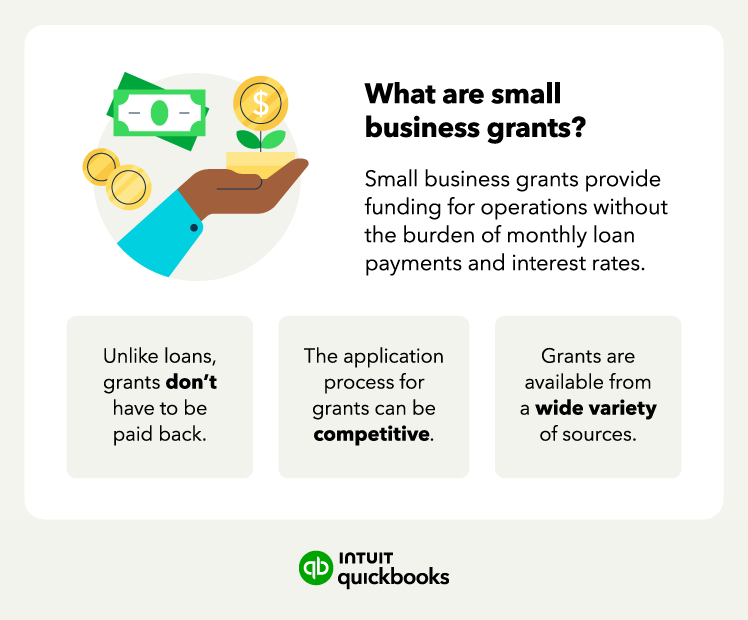
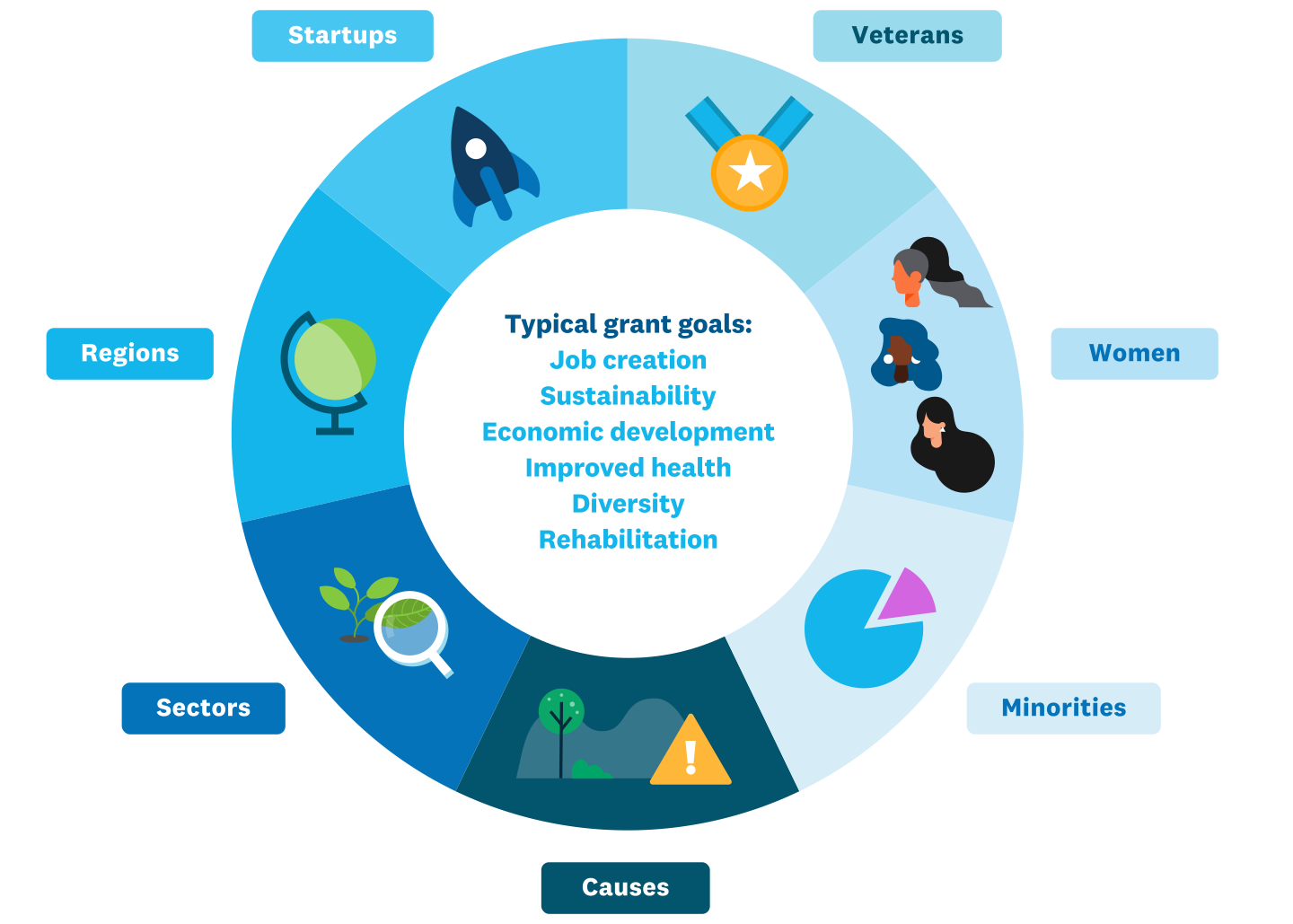
Grants are typically awarded to businesses or projects that serve a public purpose, address a specific societal need, or promote economic development within a defined sector or region. Unlike loans, grants do not need to be repaid, making them an incredibly attractive form of funding. They are often tied to specific criteria such as job creation, technological innovation, environmental sustainability, support for underserved communities, or development in particular industries (e.g., manufacturing, agriculture, healthcare). Grantors often aim to stimulate specific economic activities or achieve social impact, meaning your business’s mission and projected outcomes must align closely with these objectives.
Key Benefits of Grant Funding
The primary benefit of grant funding is its non-repayable nature, which significantly reduces financial risk and improves a business’s cash flow projections. This capital infusion can be used for a variety of purposes, including R&D, equipment purchases, marketing initiatives, hiring new staff, or expanding operations, depending on the grant’s specific terms. Beyond the direct financial injection, receiving a grant can also enhance a business’s credibility and reputation, acting as a valuable endorsement from a recognized entity. This can, in turn, make it easier to attract future investment, partnerships, or even secure additional grants.
Common Misconceptions About Grants
Many entrepreneurs harbor misconceptions about grants. One common myth is that grants are “easy money” readily available to all small businesses. In reality, grants are highly competitive, requiring significant time, effort, and strategic planning to secure. Another misconception is that grants only exist for non-profits or specific scientific research. While these sectors are major recipients, a vast array of grants exists for for-profit small businesses across numerous industries. Furthermore, some believe that grants cover all operational costs indefinitely; however, most grants are project-specific, time-limited, and often require matching funds or a clear budget justification for every dollar requested.
Differentiating Grants from Loans
The distinction between grants and loans is fundamental to responsible financial planning. Loans are debt instruments that must be repaid with interest, creating a financial obligation and impacting a business’s balance sheet. Grants, conversely, are equity-free capital that does not need to be repaid, provided the terms and conditions of the award are met. This means grants do not add to your business’s liabilities, preserving its financial flexibility and creditworthiness. Understanding this core difference influences how you approach funding strategies and manage your overall financial health.
Strategic Grant Search: Identifying the Right Opportunities
The sheer volume of potential grant opportunities can be overwhelming. A strategic and focused approach to searching is essential to avoid wasting time on ineligible or unsuitable programs.
Where to Look: Grant Databases and Resources
The starting point for any grant search should be reputable online databases and governmental portals. Key resources include:
- Grants.gov (for federal grants): A centralized database for all federal grant programs.
- State and Local Government Websites: Many states, counties, and cities offer their own grant programs aimed at fostering local economic development. Look for economic development agencies or small business support divisions.
- Foundation and Corporate Websites: Major foundations (e.g., Kauffman Foundation, Gates Foundation) and corporations (e.g., FedEx, Chase, Google) often have grant programs supporting small businesses, particularly those aligned with their CSR (Corporate Social Responsibility) initiatives.
- Industry-Specific Associations: Trade associations often track or even administer grants relevant to their members’ industries.
- Grant Aggregators and Search Engines: Platforms like GrantWatch, Candid (Foundation Center), and local SCORE chapters can help consolidate information.
Understanding Eligibility Criteria
Before investing time in an application, meticulously review the eligibility criteria. These are non-negotiable requirements that dictate who can apply. Common criteria include:
- Business Structure: For-profit vs. non-profit, sole proprietorship, LLC, corporation.
- Business Age and Size: Some grants target startups, while others require a certain number of years in operation or revenue threshold.
- Geographic Location: Many grants are hyper-local or region-specific.
- Industry Focus: Specific grants for manufacturing, tech, agriculture, women-owned businesses, minority-owned businesses, veteran-owned businesses, etc.
- Project Type: The grant may only fund R&D, expansion, specific equipment, training, or community outreach.
- Financial Health: Some grants may require proof of financial stability or, conversely, target businesses in economic distress.
Aligning Your Business Needs with Grant Objectives
A critical element of a successful grant search is the alignment between your business’s financial needs and the grant’s stated objectives. Don’t just look for money; look for money that is designed to support what your business does or plans to do. If a grant aims to foster renewable energy solutions, and your business develops sustainable packaging, there’s a strong potential match. If your business manufactures furniture, and the grant supports agricultural innovation, it’s not the right fit, regardless of the amount offered. This strategic alignment is paramount and forms the backbone of a compelling application.
The Importance of Local, State, and Federal Programs
While federal grants often come with significant funding, they are also highly competitive and complex. Don’t overlook opportunities at the state and local levels. These grants, while potentially smaller in individual amounts, can be less competitive, easier to navigate, and often specifically designed to stimulate local economies or address community-specific needs. Building relationships with local economic development agencies can provide invaluable insights into these often-underpublicized opportunities. A diversified search across all levels of government can significantly broaden your funding prospects.
The Application Blueprint: Essential Preparation Steps
Once you’ve identified suitable grants, the real work of preparation begins. A well-prepared application isn’t just about filling out forms; it’s about meticulously organizing your business’s financial, operational, and strategic information to present a clear, compelling case for funding.
Financial Preparedness: Business Plans & Projections
At the heart of almost every grant application is a robust business plan, supported by detailed financial projections. Grantors want to see that their investment will be managed responsibly and will contribute to a sustainable, impactful enterprise. Your business plan should clearly articulate your business model, market analysis, competitive advantages, operational strategy, and management team. Crucially, your financial projections (income statements, cash flow statements, balance sheets, and break-even analysis) for at least the next 3-5 years must be realistic, well-justified, and demonstrate the financial viability and growth potential of your business, especially how the grant funds will impact these metrics. Be prepared to explain how the grant money will be used to achieve specific financial milestones and contribute to long-term sustainability.
Legal and Business Structure Documentation
Grantors need to verify your business’s legitimacy. This means having all legal and structural documentation in order. This includes your business registration certificates, articles of incorporation or organization, EIN (Employer Identification Number), and any necessary licenses or permits. Ensure these documents are up-to-date and easily accessible, as they will likely be required as attachments to your application. This due diligence confirms your business is a legitimate entity capable of receiving and managing funds.
Crafting a Compelling Narrative and Business Case
Beyond the numbers, you need to tell a compelling story. The narrative section of your application explains why your business deserves the grant. It should clearly articulate the problem your business solves, the innovative solution you offer, your target market, and the unique value proposition. Crucially, it must connect your business’s mission and projected impact to the grant’s objectives. How does your work contribute to job creation, economic development, technological advancement, or community betterment, in alignment with the grantor’s mission? This narrative weaves together your business’s financial viability with its broader purpose and impact.
Gathering Supporting Documents: Permits, Licenses, Resumes
The complete application package often requires a range of supporting documents. These can include:
- Resumes of Key Personnel: Highlighting the expertise and experience of your management team.
- Letters of Recommendation: From mentors, advisors, or community leaders who can attest to your business’s potential.
- Market Research Data: To substantiate your market analysis and projections.
- Letters of Intent/Partnerships: If your project involves collaborations.
- Past Performance Records: If applicable, demonstrating previous successes or financial stewardship.
- Environmental Impact Statements: For certain types of projects.
Organizing these documents well in advance will streamline the application process and prevent last-minute rushes.
Mastering the Art of the Grant Proposal
The grant proposal is your business’s opportunity to shine. It’s where all your preparation culminates into a persuasive argument for financial support. This requires precision, clarity, and an unwavering focus on the grantor’s requirements.
Deconstructing the Application Form
Every grant application has its own unique structure and specific questions. Resist the urge to copy-paste generic responses. Instead, thoroughly deconstruct each section of the application form. Understand exactly what information is being requested and the underlying purpose of each question. Pay close attention to word limits, formatting requirements, and requested attachments. Tailor every response to the specific grant, using keywords and language found in the grant’s guidelines to demonstrate your understanding and alignment.
Writing a Powerful Executive Summary
The executive summary is arguably the most critical component of your grant proposal. It’s often the first, and sometimes only, section reviewers read in detail. It must be concise, impactful, and summarize all the key elements of your proposal: your business, the problem you solve, your solution, the amount requested, and the expected impact. Think of it as an elevator pitch for your grant. It should immediately capture the reviewer’s attention, highlight your financial need and the strategic use of funds, and compel them to read the rest of your detailed proposal.
Detailing Your Project Scope and Budget Justification
This section delves into the specifics of how you will use the grant funds. Clearly define the project goals, objectives, activities, and timeline. Quantify deliverables wherever possible. Most importantly, present a detailed budget that explicitly itemizes how every dollar of the grant will be spent. Each expenditure must be directly tied to a specific project activity and justified. Grantors scrutinize budgets to ensure funds are allocated efficiently and effectively towards the stated project aims. This financial transparency is critical for building trust and demonstrating responsible fiscal planning.
Showcasing Impact and Sustainability
Grantors are not just investing in your business; they’re investing in the impact your business will create. This section must articulate the anticipated outcomes and benefits of your project. How will the grant funds enable your business to create jobs, generate revenue, solve a community problem, develop a new technology, or contribute to economic growth? Provide measurable metrics (e.g., “create 10 new full-time jobs,” “increase revenue by 20%,” “serve 500 underprivileged individuals”). Furthermore, address the long-term sustainability of your project and business beyond the grant period. How will the financial support enable you to become self-sufficient or attract further funding?
The Role of Letters of Support and Recommendations
Strong letters of support from credible sources can significantly bolster your application. These might come from community leaders, strategic partners, customers, or even local government officials who can speak to your business’s value, impact, and trustworthiness. Such letters provide external validation, adding weight to your claims and demonstrating community or industry backing for your initiative. They serve as a powerful testament to your business’s financial viability and its potential for positive impact.
Post-Submission Strategies and Grant Management
Submitting your application is not the end of the process; it’s a transition to a new phase that requires patience, professionalism, and, if successful, diligent financial management.
Following Up Professionally
While most grant programs have strict “no calls” policies during the review period, it’s generally acceptable to follow up if a specific contact person was provided or if the timeline for notification has passed significantly. However, ensure any follow-up is professional, concise, and respectful of the grantor’s time. A brief email inquiring about the status or confirming receipt of your application is usually sufficient. Avoid frequent or overly demanding communication, as this can negatively impact your perception.
Understanding the Review Process and Timeline
Grant review processes vary widely. Some might involve multiple stages, peer review panels, and lengthy decision-making periods (sometimes months or even over a year for large federal grants). Understanding the typical timeline for the specific grant you applied for will help manage expectations and allow you to plan your business finances accordingly. Prepare for the possibility of a lengthy waiting period and continue to explore other funding avenues in the interim.
Responsible Grant Fund Management and Reporting
If your application is successful, the real responsibility of financial stewardship begins. Grants typically come with strict reporting requirements. This includes submitting regular financial reports detailing how funds have been spent, progress reports on project milestones, and potentially audited financial statements. Maintaining meticulous records of all expenditures, invoices, and receipts related to the grant is absolutely critical. Failure to comply with reporting requirements can lead to clawbacks of funds, damage your business’s reputation, and jeopardize future grant opportunities. Think of it as a rigorous form of financial accountability, ensuring every dollar is used as intended.

Learning from Rejection and Reapplying
Grant funding is highly competitive, and rejection is a common part of the process. Don’t view rejection as a failure, but rather as a learning opportunity. If possible, seek feedback from the grantor to understand why your application was unsuccessful. This feedback can be invaluable for identifying weaknesses in your proposal, refining your business case, or adjusting your search criteria for future applications. Many successful grant recipients have faced numerous rejections before securing funding. Analyze, adapt, and reapply – persistence is a key financial virtue in the world of grant acquisition.
Applying for a small business grant is a rigorous yet potentially rewarding endeavor. It demands meticulous financial planning, a compelling business narrative, and an understanding of how your business’s mission aligns with the grantor’s objectives. By strategically searching for opportunities, meticulously preparing your application, crafting a persuasive proposal, and diligently managing awarded funds, you can unlock a powerful, non-dilutive source of capital that can propel your small business toward sustained financial growth and impactful success. Embrace the process, stay persistent, and approach each application with professionalism and strategic financial foresight.
aViewFromTheCave is a participant in the Amazon Services LLC Associates Program, an affiliate advertising program designed to provide a means for sites to earn advertising fees by advertising and linking to Amazon.com. Amazon, the Amazon logo, AmazonSupply, and the AmazonSupply logo are trademarks of Amazon.com, Inc. or its affiliates. As an Amazon Associate we earn affiliate commissions from qualifying purchases.