
In the contemporary financial landscape, few events carry as much weight, anticipation, and market-moving potential as the quarterly release of NVIDIA’s earnings. What was once a niche event for semiconductor enthusiasts and hardcore gamers has evolved into a global economic spectacle. For investors, financial analysts, and market participants, the question of “when NVIDIA earnings” are scheduled is not merely a matter of checking a calendar—it is a strategic pivot point that can redefine portfolio valuations overnight.
As NVIDIA cements its position as a cornerstone of the artificial intelligence revolution, its financial health has become a proxy for the health of the entire tech sector and, by extension, the broader equity markets. Understanding the timing, the expectations, and the fiscal nuances of these announcements is essential for anyone looking to navigate the complexities of modern investing.
Understanding the Cycle: The Timing and Mechanics of NVIDIA’s Financial Reporting
To effectively trade or invest around NVIDIA’s earnings, one must first understand the company’s unique reporting cadence. Unlike many firms that follow a standard calendar year, NVIDIA operates on a fiscal year that typically ends in late January. This shift means their quarterly reports—Q1, Q2, Q3, and Q4—often fall a few weeks later than the bulk of the S&P 500, placing NVIDIA in a position where it often provides the “final word” on the tech sector’s performance for any given period.
The Fiscal Year Discrepancy
NVIDIA’s fiscal year 2025, for example, actually covers the majority of the 2024 calendar year. This can be confusing for novice investors. When searching for “when NVIDIA earnings” occur, it is vital to distinguish between the calendar quarter and the fiscal quarter. Generally, the announcements happen in February (Q4/Year-end), May (Q1), August (Q2), and November (Q3). Because NVIDIA is a high-growth company, these dates are often circled by institutional investors who use the data to rebalance massive portfolios.
Where to Find the Official Data
Reliability is paramount in finance. While financial news aggregators are helpful, the definitive source is always the NVIDIA Investor Relations website. Typically, the company announces the exact date and time of the earnings call approximately two to three weeks in advance. The reports are almost always released after the market closes (4:00 PM ET), followed by a high-stakes conference call at 5:00 PM ET. This timing allows the market to digest the raw numbers before the “whisper numbers” and executive commentary provide the necessary context during the live call.
The “Triple Threat”: Why NVIDIA Earnings Move the Global Markets
NVIDIA’s earnings reports are no longer isolated corporate events; they are “macro” events. The company’s meteoric rise in market capitalization has given it a massive weighting in major indices like the S&P 500 and the Nasdaq-100. Consequently, when NVIDIA moves, the market moves.
The Barometer for AI Capex
For the modern investor, NVIDIA’s earnings serve as the ultimate barometer for Capital Expenditure (Capex) in the artificial intelligence space. By looking at NVIDIA’s revenue, investors can deduce how much companies like Microsoft, Alphabet, and Meta are spending on infrastructure. If NVIDIA beats expectations and raises guidance, it signals that the AI gold rush is still in its early stages, often lifting the stock prices of the entire “AI ecosystem,” from server manufacturers to utility companies providing power to data centers.
Impact on the S&P 500 and Nasdaq-100
Due to its multi-trillion-dollar valuation, NVIDIA’s post-earnings percentage moves can add or erase hundreds of billions of dollars in aggregate market value in a single session. This “wealth effect” influences investor sentiment across all sectors. A positive surprise from NVIDIA can spark a “risk-on” rally, while a perceived slowdown can lead to a broader market retreat as investors grow wary of overvaluation in the tech sector.
Investment Strategies for Earnings Season
The volatility surrounding NVIDIA’s earnings is both a risk and an opportunity. Professional traders often look at the “implied move”—the percentage the options market expects the stock to move—to gauge the risk-reward profile of a position.
Managing Volatility through Position Sizing
For personal finance enthusiasts and retail investors, the most critical strategy is proper position sizing. Because NVIDIA can swing 8% to 10% in a single after-hours session, being over-leveraged can be catastrophic. Diversified investors often treat NVIDIA earnings as a “hold” event, focusing on the long-term thesis rather than trying to gamble on the immediate reaction. However, those looking for “Online Income” through options trading might use strategies like “straddles” or “iron condors” to profit from the volatility itself rather than the direction of the move.
Long-term Investing vs. Short-term Speculation
There is a distinct difference between “trading the earnings” and “investing in the company.” Long-term investors look past the immediate price action to see if the fundamental story—data center growth, software margins, and competitive moats—remains intact. Short-term speculators, conversely, are focused on the “beat and raise” phenomenon. In the current market, simply beating estimates isn’t always enough; NVIDIA often needs to provide “beat and raise” guidance to maintain its upward trajectory.
Key Financial Metrics to Watch Beyond the Top Line
When the PDF of the earnings release hits the wires, the “Top Line” (revenue) and “Bottom Line” (Earnings Per Share or EPS) get the headlines. However, sophisticated investors dig deeper into the financial tools and metrics that tell the real story of the company’s profitability.
Gross Margins and Pricing Power
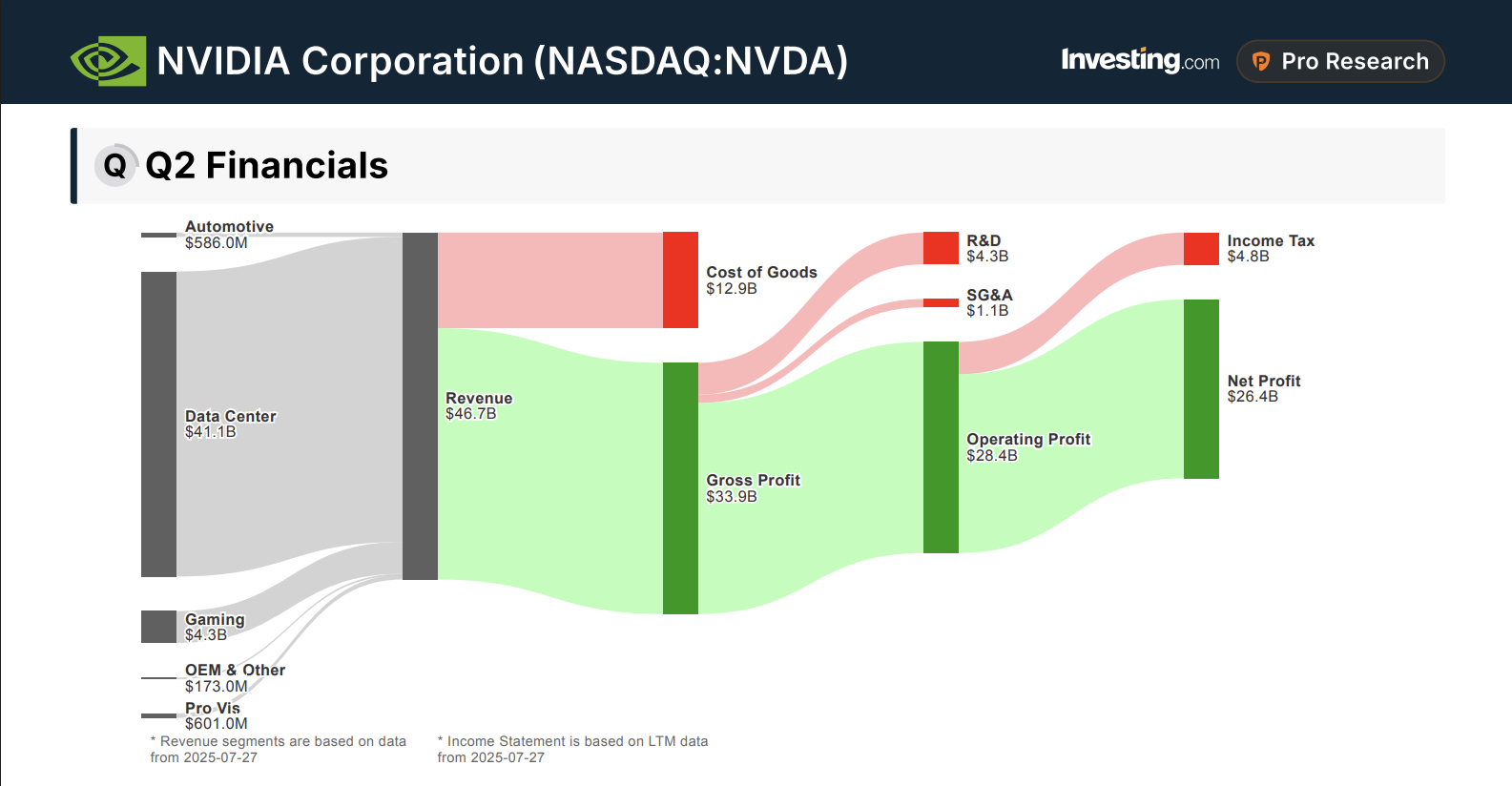
Perhaps the most scrutinized number in NVIDIA’s report is the gross margin. In recent quarters, NVIDIA has maintained staggering gross margins, often exceeding 70%. This is a testament to their immense pricing power and the high demand for their H100 and Blackwell chips. For a business finance perspective, any compression in these margins could signal increasing competition from rivals like AMD or internal chip development by big tech clients.
Data Center Growth Segments
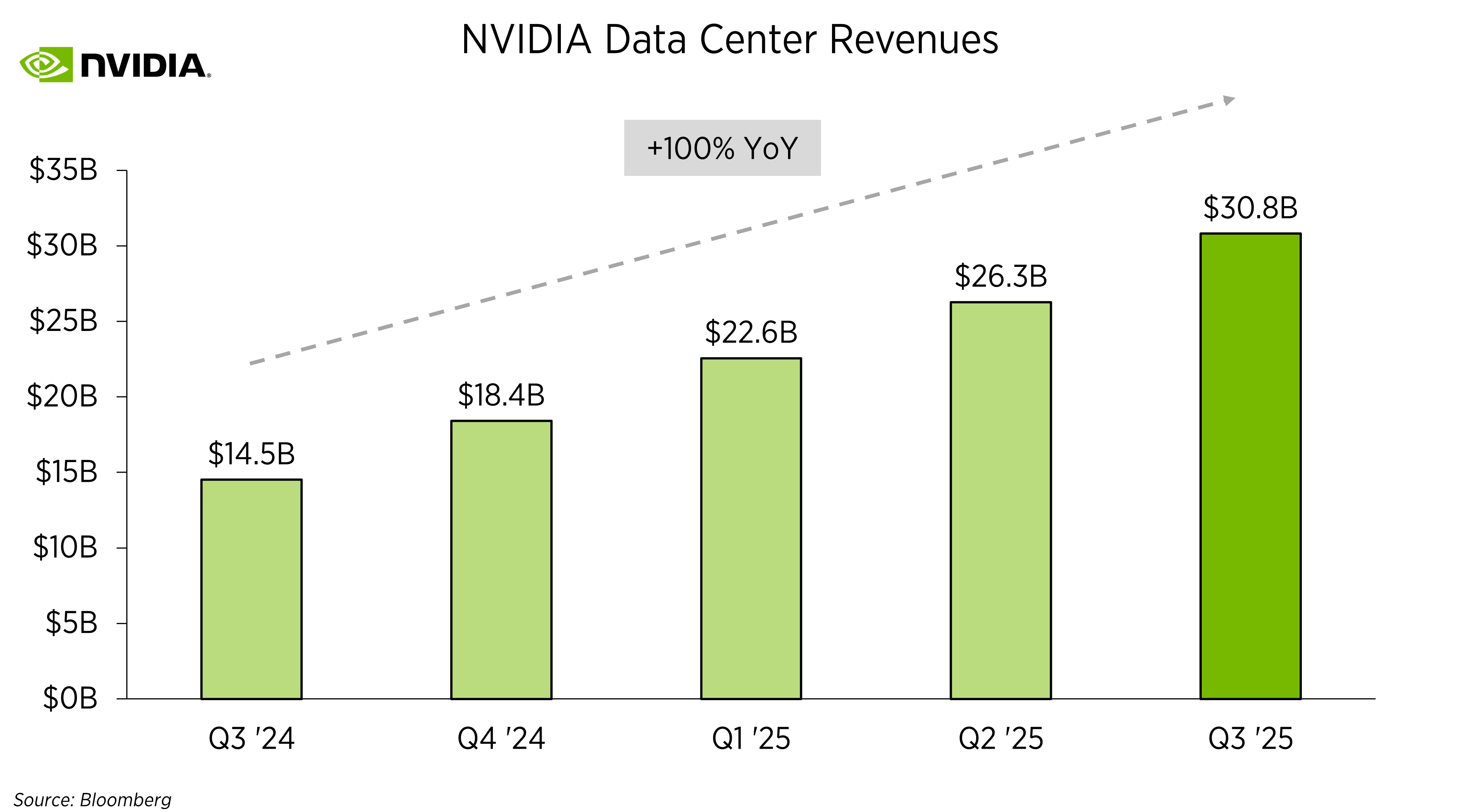
While NVIDIA started in gaming, the “Data Center” segment now accounts for the lion’s share of its revenue. Investors should look at the quarter-over-quarter growth in this specific niche. Is the growth coming from “Compute” (the chips themselves) or “Networking” (the InfiniBand and Ethernet solutions that link them)? A diversification of revenue within the data center segment suggests a more robust and sustainable business model, reducing the risk of a single-point failure in the product cycle.
Preparing Your Portfolio for the Next Announcement
Preparation is the hallmark of a successful investor. As the date for the next earnings report approaches, there are several steps one can take to ensure their financial house is in order.
Analyzing Guidance and Forward-Looking Statements
The most important part of the earnings report is often not what happened in the last three months, but what management expects to happen in the next three. “Forward guidance” is the engine that drives the stock price. If NVIDIA suggests that supply chain constraints are easing or that demand for next-generation chips is “insane” (as CEO Jensen Huang has previously characterized it), the market will likely respond positively. Investors should listen to the tone of the conference call—how management answers questions about sovereign AI and enterprise adoption provides clues for the next six to twelve months of performance.

Assessing Correlation and Diversification
Finally, use the “when NVIDIA earnings” period to audit your entire portfolio. Because so many tech ETFs and mutual funds are heavily weighted toward NVIDIA, you might be more exposed to this single event than you realize. If you own the Invesco QQQ Trust or similar tech-heavy instruments, NVIDIA’s earnings are, effectively, your earnings too. Financial health requires understanding these correlations and ensuring that a single earnings miss doesn’t derail your long-term financial goals.
In conclusion, NVIDIA’s earnings reports have become the “Super Bowl” of the investing world. By understanding the fiscal calendar, the macro-economic implications, and the specific financial metrics that drive value, investors can transform a period of high anxiety into a period of high insight. Whether the stock moves up or down, the data provided during these quarterly windows is the most valuable currency in the modern market.
aViewFromTheCave is a participant in the Amazon Services LLC Associates Program, an affiliate advertising program designed to provide a means for sites to earn advertising fees by advertising and linking to Amazon.com. Amazon, the Amazon logo, AmazonSupply, and the AmazonSupply logo are trademarks of Amazon.com, Inc. or its affiliates. As an Amazon Associate we earn affiliate commissions from qualifying purchases.