
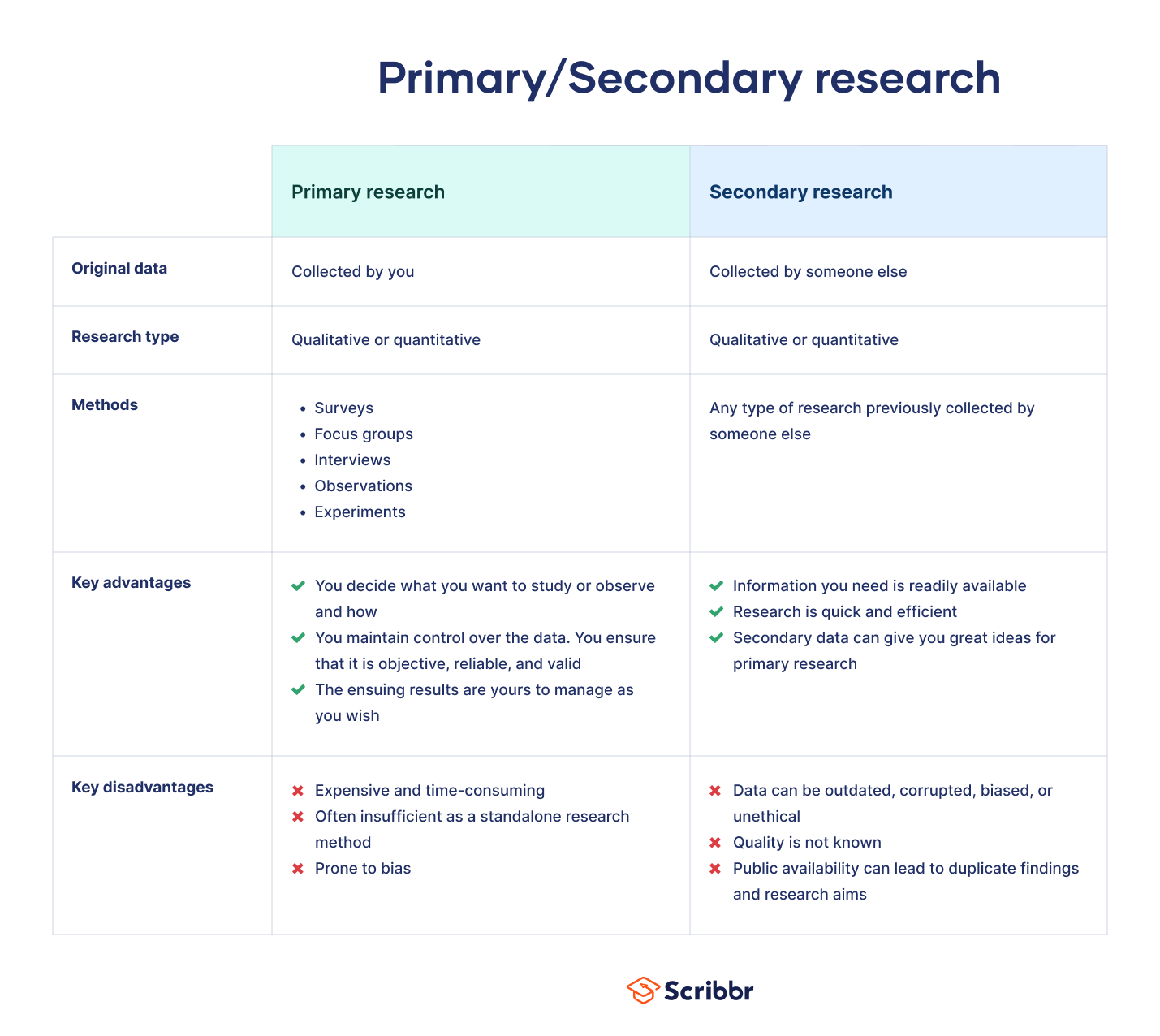
In the contemporary technological landscape, data is frequently likened to the new oil—a raw resource that, when refined, powers the engines of innovation, commerce, and security. However, the process of extracting and refining this resource is often prohibitively expensive and time-consuming. This is where secondary analysis of data enters the spotlight. Within the tech sector, secondary analysis refers to the practice of utilizing existing data—originally collected for a different primary purpose—to investigate new questions, validate previous findings, or train advanced algorithmic models.
As we move deeper into the era of Big Data and Artificial Intelligence (AI), the ability to repurpose information has become a cornerstone of technological efficiency. Instead of deploying new sensors, launching fresh surveys, or initiating original telemetry captures, engineers and data scientists look toward massive digital repositories to find the answers they need. This approach not only optimizes resource allocation but also accelerates the pace of digital transformation.
The Technological Architecture of Secondary Data Reutilization
The feasibility of secondary data analysis is directly tied to the evolution of data storage and processing infrastructure. In the early days of computing, data was often siloed in proprietary formats, making re-use a logistical nightmare. Today, the rise of cloud computing and standardized data lakes has transformed how we approach historical information.
From Siloed Databases to Integrated Data Lakes
In a traditional tech environment, data lived in isolated relational databases (SQL) designed for specific applications. If a developer wanted to analyze user behavior from five years ago to improve a current recommendation engine, they would have to navigate disparate systems and incompatible schemas. The advent of Data Lakes—powered by technologies like Amazon S3, Azure Data Lake, and Google Cloud Storage—has revolutionized this. These architectures allow for the storage of vast amounts of raw data in its native format. This “store now, define later” approach is the bedrock of secondary analysis, providing a central repository where diverse datasets can be queried long after their primary utility has passed.
The Role of Metadata and Data Cataloging
For secondary analysis to be successful, data must be discoverable and interpretable. This has led to the rise of advanced metadata management tools. Metadata—essentially data about data—provides the context necessary for a researcher to understand the provenance, structure, and constraints of a dataset they did not personally collect. Tech tools like Apache Atlas or Collibra act as digital librarians, ensuring that secondary analysts can find relevant datasets and understand their original context, which is crucial for maintaining the integrity of the new analysis.
High-Performance Computing and Scalability
Secondary analysis often involves processing petabytes of information to find subtle patterns. This requires immense computational power. The integration of high-performance computing (HPC) and elastic scaling in the cloud allows organizations to spin up thousands of virtual machines to process secondary datasets in minutes rather than weeks. Technologies like Apache Spark and distributed processing frameworks have turned what was once a theoretical academic exercise into a real-time industrial capability.
Leveraging AI and Machine Learning in Secondary Analysis
Perhaps the most significant driver of secondary data analysis today is the development of Artificial Intelligence and Machine Learning (ML). In the tech world, data is the “fuel” for models, and the demand for high-quality training data is insatiable.
Training Large Language Models (LLMs) and Neural Networks
The current boom in Generative AI is built almost entirely on the foundation of secondary analysis. Models like GPT-4 or Claude were not trained on data specifically gathered for them; rather, they were trained on the “Common Crawl”—a massive secondary dataset comprising trillions of words scraped from the internet over decades. This is secondary analysis at its most ambitious: taking the collective digital output of humanity and re-analyzing it to teach a machine how to reason, code, and communicate.
Predictive Analytics and Pattern Recognition
Tech companies use secondary analysis to move from descriptive analytics (what happened) to predictive analytics (what will happen). By analyzing years of historical server logs, cybersecurity firms can identify “slow-burn” attack patterns that would be invisible in a primary analysis of a single week’s data. Similarly, software-as-a-service (SaaS) providers analyze historical churn data to build ML models that predict which customers are likely to cancel their subscriptions. This repurposing of operational data into strategic foresight is a hallmark of modern tech-savvy enterprises.
Synthetic Data Generation
An emerging trend in the tech niche is using secondary analysis to create “synthetic data.” By analyzing the statistical properties of a real secondary dataset, AI can generate entirely new, artificial data that mimics the original’s patterns without containing any sensitive information. This allows developers to test software and train models in environments where privacy or data scarcity would otherwise prevent progress.
Essential Methodologies and Software Tools
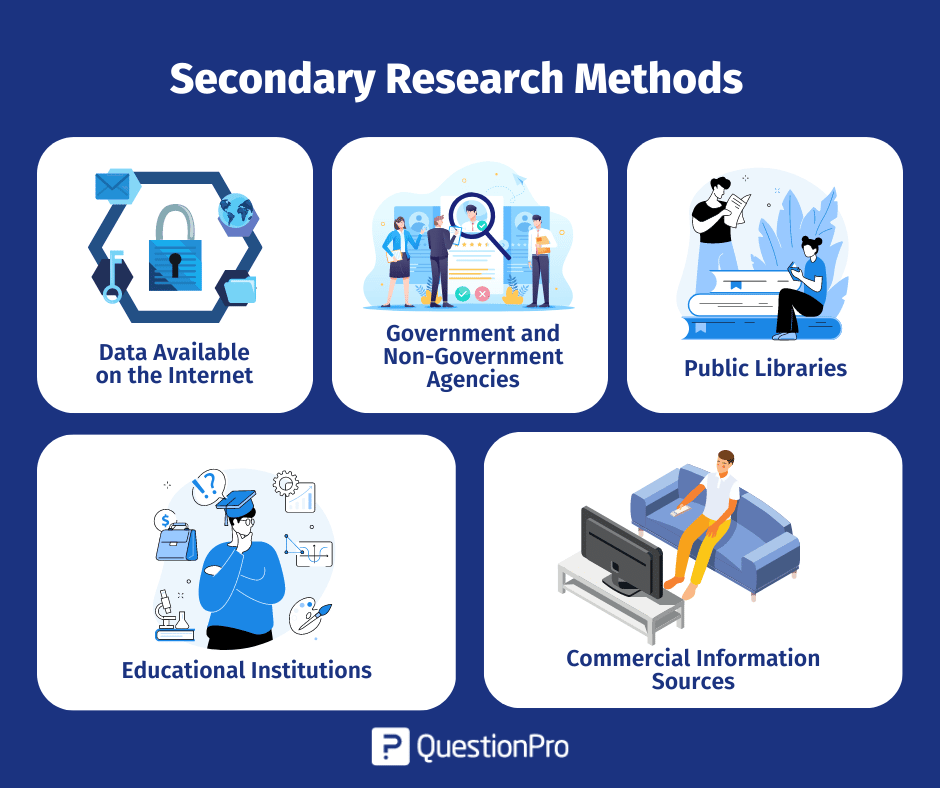
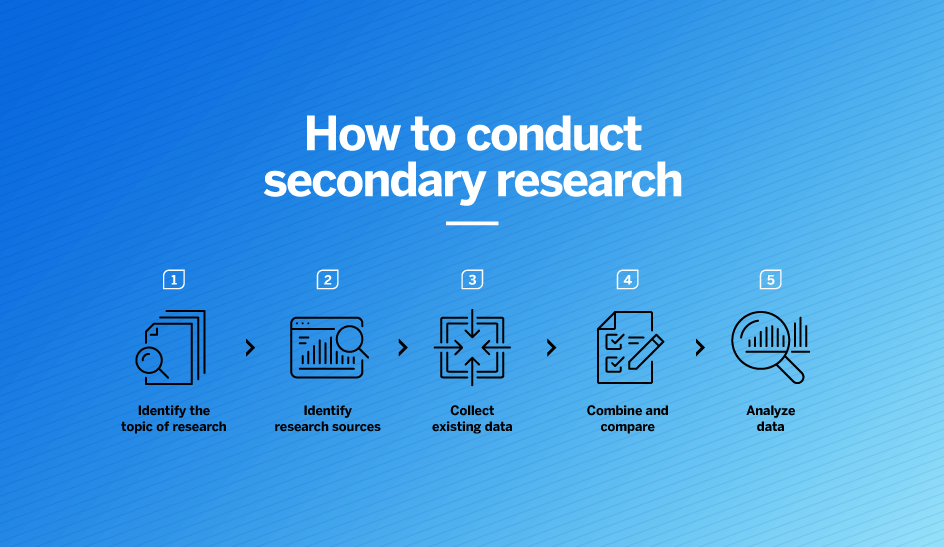
Conducting secondary analysis requires a specific tech stack designed for data manipulation, cleaning, and visualization. Unlike primary research, where the challenge is collection, the challenge in secondary analysis is “cleaning” and “wrangling.”
Programming Languages: Python and R
Python has become the de facto language for secondary data analysis due to its extensive ecosystem of libraries. Tools such as Pandas and NumPy allow for the manipulation of massive data frames, while SciPy provides advanced statistical functions. R remains a favorite for deep statistical modeling and visualization, particularly in academic and biotech tech sectors. Both languages enable analysts to automate the “ETL” (Extract, Transform, Load) process, which is often the most labor-intensive part of working with secondary data.
Business Intelligence (BI) and Visualization Platforms
Once data has been re-processed, it must be communicated. Software like Tableau, Power BI, and Looker allow tech professionals to create interactive dashboards from secondary sources. These tools often feature native connectors to cloud data warehouses like Snowflake or BigQuery, allowing for seamless integration between the stored secondary data and the end-user interface.
Automated Scraping and API Integration
In many cases, secondary data is sourced from external digital ecosystems. Web scraping tools and API (Application Programming Interface) aggregators allow companies to pull data from social media, financial markets, or public weather stations. By automating the ingestion of these external secondary sources, tech firms can augment their internal data, providing a more holistic view of the market or technical landscape.
Digital Security, Ethics, and Data Governance
While secondary analysis offers immense value, it introduces significant challenges in the realms of digital security and ethics. When data is reused, the original consent and security protocols may no longer be sufficient.
Data Privacy and Compliance (GDPR, CCPA)
In a world governed by the General Data Protection Regulation (GDPR) and the California Consumer Privacy Act (CCPA), secondary analysis must be handled with extreme care. Tech organizations must ensure that the secondary use of data aligns with the original purpose for which it was collected, or that the data has been sufficiently anonymized. Technologies like k-anonymity and differential privacy are increasingly integrated into data pipelines to ensure that individuals cannot be re-identified during the secondary analysis process.
Cybersecurity Risks in Shared Data Ecosystems
Secondary analysis often involves moving data between different environments or sharing it with third-party vendors. This increases the “attack surface” for cyber threats. Implementing robust encryption at rest and in transit, as well as strict Identity and Access Management (IAM) policies, is non-negotiable. Modern “Zero Trust” architectures are particularly effective here, as they assume that any attempt to access the secondary data repository—even from within the internal network—must be verified.
The Ethics of Algorithmic Bias
A major concern in the tech community is that secondary analysis can inadvertently bake historical biases into new systems. If an AI is trained on secondary data from a decade ago, it may learn and amplify the social or technical biases present in that era. Tech professionals must employ “algorithmic auditing” tools to check for bias and ensure that the insights derived from secondary sources are fair and representative of the current reality.
The Future of Tech-Driven Insight
The future of secondary analysis lies in automation and real-time processing. We are moving toward a state where “Self-Service Data Analytics” allows even non-technical stakeholders to perform secondary analysis using natural language queries. As edge computing grows, we will also see secondary analysis happening closer to the source—re-processing data on IoT devices to optimize performance without ever sending the raw data to the cloud.
In conclusion, secondary analysis of data is no longer a niche research method; it is a fundamental technological competency. By leveraging sophisticated cloud architectures, AI frameworks, and rigorous security protocols, organizations can turn their digital archives into a continuous source of innovation. In a world where data is abundant but time is scarce, the ability to find new value in existing information is the ultimate competitive advantage. For the modern tech professional, mastering secondary analysis is not just about looking backward—it is about using the past to build a more intelligent, efficient, and secure future.
aViewFromTheCave is a participant in the Amazon Services LLC Associates Program, an affiliate advertising program designed to provide a means for sites to earn advertising fees by advertising and linking to Amazon.com. Amazon, the Amazon logo, AmazonSupply, and the AmazonSupply logo are trademarks of Amazon.com, Inc. or its affiliates. As an Amazon Associate we earn affiliate commissions from qualifying purchases.