
In the rapidly evolving landscape of healthtech, few innovations have transitioned from the clinical environment to the consumer market as successfully as compression therapy. Once a niche treatment confined to hospital wards for post-surgical recovery or specialized sports medicine clinics, compression technology has undergone a digital transformation. Today, it stands at the intersection of material science, fluid dynamics, and the Internet of Things (IoT). To understand what compression therapy does in a modern context, we must look beyond the simple “squeeze” and analyze the sophisticated hardware and software ecosystems that drive physiological optimization.
The Engineering Behind the Squeeze: How Smart Compression Works
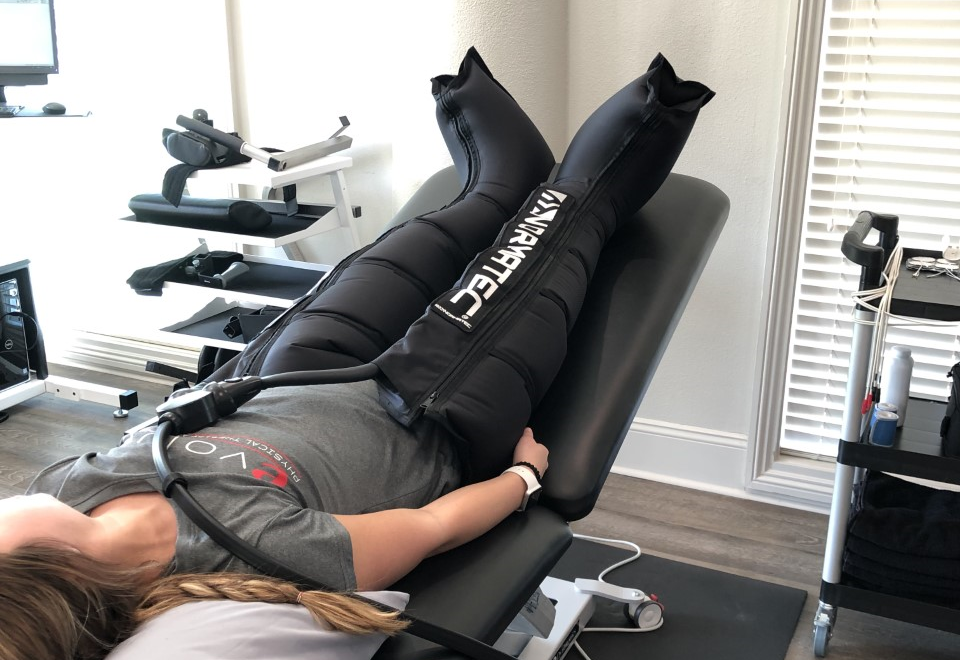
At its core, compression therapy is a mechanical intervention designed to augment the body’s natural circulatory processes. However, the “tech” in modern compression is found in the precision of delivery. Traditional static compression (like standard elastic bandages) provides a constant pressure, but modern Intermittent Pneumatic Compression (IPC) devices use complex hardware to create a dynamic environment.
Pneumatic vs. Static: The Evolution of Hardware
The leap from static garments to pneumatic systems represents a significant shift in medical engineering. Modern IPC devices consist of multi-chambered sleeves powered by digitally controlled air pumps. These systems utilize sophisticated valves to inflate and deflate chambers in a specific sequence. This “peristaltic” action mimics the natural muscle pump mechanism of the human body, specifically targeting the venous and lymphatic systems. By using hardware to provide a controlled, directional force, these devices facilitate the movement of metabolic waste products away from the extremities and toward the central circulatory system.
Sensor-Driven Pressure Regulation
One of the most significant technological hurdles in compression therapy was the “one size fits all” problem. High-end recovery tech now incorporates pressure sensors that calibrate the device to the user’s specific limb circumference and tissue density. Through proprietary algorithms, these sensors ensure that the pressure remains at a therapeutic level—usually measured in millimeters of mercury (mmHg)—without crossing the threshold into arterial occlusion. This real-time calibration is a hallmark of the shift from passive apparel to active healthtech gadgets.
Integrating the Internet of Bodies (IoB) in Therapy
We are currently witnessing the rise of the “Internet of Bodies,” where wearable technology interacts directly with our biological systems to provide data and therapy simultaneously. Compression therapy has become a cornerstone of this movement, integrating with mobile ecosystems to offer a personalized user experience.
App-Controlled Customization and User Experience
Modern compression units, such as those developed by industry leaders like Therabody or Hyperice, are no longer standalone analog machines. They are peripherals within a larger software ecosystem. Through Bluetooth connectivity, users can control cycle times, pressure gradients, and specific “zone boosts.” The software allows for the storage of personalized recovery profiles, enabling users to synchronize their recovery sessions with their training loads or physiological data pulled from other wearables like smartwatches or Oura rings.
Real-Time Biometric Feedback Loops
The next frontier for compression tech is the closed-loop system. Imagine a compression sleeve that detects localized inflammation or restricted blood flow via infrared sensors and automatically adjusts its pressure cycle to compensate. Current software developments are moving toward this reality. By analyzing historical recovery data and correlating it with sleep quality and heart rate variability (HRV), these apps are beginning to prescribe specific compression “prescriptions” tailored to the user’s immediate biological needs. This moves the technology from a reactive tool to a predictive one.
Beyond the Athlete: Scaling Tech for Global Health
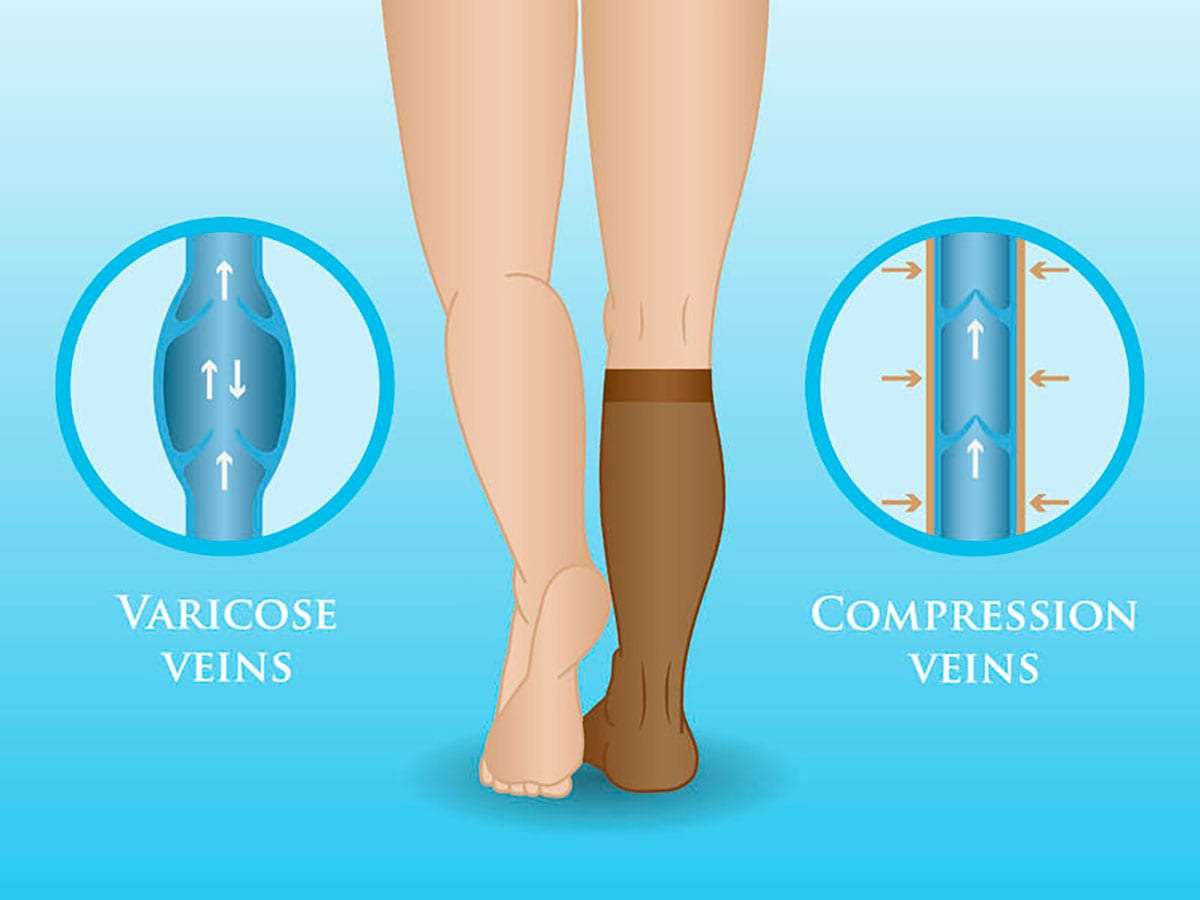
While much of the media attention around compression therapy focuses on elite athletes, the true technological impact is felt in chronic disease management and the democratization of clinical-grade care. The “tech” here is in the miniaturization and portability of the equipment.
Wearables for Chronic Disease Management
For patients suffering from lymphedema or chronic venous insufficiency (CVI), compression is not a luxury; it is a necessity. The innovation in this sector involves the development of “smart textiles.” These are fabrics embedded with conductive fibers that can provide active compression without the need for bulky external pumps. By utilizing shape-memory alloys or electro-active polymers, researchers are creating garments that can change their compression levels based on an electrical stimulus. This represents a massive leap in accessibility, allowing patients to manage chronic conditions discreetly and effectively throughout their workday.
The Role of AI in Predictive Compression
As data sets from thousands of users are aggregated in the cloud, Artificial Intelligence (AI) is beginning to play a role in optimizing compression protocols. Machine learning models can analyze which pressure sequences lead to the fastest reduction in markers of muscle damage or the most significant improvement in circulation. For healthcare providers, this means the “tech” does the heavy lifting of diagnosis and treatment planning. AI can suggest the exact mmHg levels and session durations required to prevent Deep Vein Thrombosis (DVT) in high-risk patients, significantly reducing the margin of human error in clinical settings.
The Tech Stack of Recovery Gadgets: Materials and Power
To appreciate what compression therapy does, we must also look at the physical components that make modern devices possible. The efficacy of the therapy is directly tied to the quality of the “tech stack” inside the device.
Power Management and Battery Density
A decade ago, pneumatic compression required a wall outlet and a machine the size of a suitcase. The current explosion in the recovery tech market is due to advancements in lithium-ion battery density and power management integrated circuits (PMICs). These allow for high-torque air compressors to run for hours on a single charge while remaining portable enough to fit in a gym bag. The engineering challenge of maintaining high pressure output with low power consumption is a primary driver of innovation in the space.
Material Science: Smart Textiles and Conductive Fibers
The sleeve itself is a marvel of material science. It must be airtight, durable enough to withstand repeated high-pressure cycles, yet breathable enough to prevent skin irritation. Modern sleeves use high-denier ballistic nylon coupled with heat-welded internal baffles. Some emerging tech even explores the use of “pneumatic logic”—using the air pressure itself to trigger valves within the garment, reducing the need for heavy electronic components.
Furthermore, the integration of haptic feedback within these garments is being explored to guide users through their therapy. By using small vibration motors alongside the compression chambers, the tech provides a multi-sensory recovery experience that can assist with neurological rehabilitation and pain management.
Conclusion: A Digital Symphony of Pressure
What does compression therapy do? In the 21st century, it acts as a sophisticated mechanical interface between our biology and our technology. It is no longer just about squeezing a limb; it is about the precise, data-driven manipulation of fluid dynamics to enhance human performance and longevity.
As we look forward, the boundaries between “medical device” and “consumer tech” will continue to blur. With the integration of AI-driven protocols, smart textiles, and seamless mobile connectivity, compression therapy is evolving into a proactive health management system. Whether it’s an athlete looking for a competitive edge, a traveler preventing a blood clot on a long-haul flight, or a patient managing a lifelong condition, the technology behind the squeeze is providing a more efficient, data-backed path to physical well-being. The future of recovery is not just biological—it is programmed, calibrated, and connected.
aViewFromTheCave is a participant in the Amazon Services LLC Associates Program, an affiliate advertising program designed to provide a means for sites to earn advertising fees by advertising and linking to Amazon.com. Amazon, the Amazon logo, AmazonSupply, and the AmazonSupply logo are trademarks of Amazon.com, Inc. or its affiliates. As an Amazon Associate we earn affiliate commissions from qualifying purchases.