
In the world of corporate identity and market positioning, few names carry the weight of a “category killer.” To the average consumer, “Botox” is not merely a pharmaceutical product; it is a verb, a cultural touchstone, and the universal shorthand for an entire industry. However, from a brand strategy perspective, the story of Botox is an unparalleled case study in how a brand can transition from a niche medical treatment to a global lifestyle icon.
When we ask “what does Botox do,” we are often looking for a physiological answer. But for brand strategists and marketing professionals, the answer is far more complex. Botox demonstrates how meticulous brand architecture, protective trademark management, and strategic market positioning can create a “moat” so wide that competitors struggle for decades to cross it.

The Power of a Proprietary Name: How Botox Became a Generic Trademark
The ultimate goal of many brand managers—and simultaneously their greatest fear—is becoming a “generic trademark.” This occurs when a brand name becomes so synonymous with a product category that it replaces the common name in everyday speech. Botox has achieved this level of dominance, joining the ranks of Kleenex, Xerox, and Google.
The Phenomenon of Genericide
In brand strategy, “genericide” is the process by which a brand loses its distinctiveness and legal protection because the public uses the name to describe the category rather than the specific source of the goods. For Allergan (now part of AbbVie), the owners of Botox, this presents a constant strategic challenge. While the name “Botox” provides massive organic reach and instant recognition, the brand must work tirelessly to ensure that consumers understand that Botox is a specific product, not a general term for all botulinum toxin type A injectables.
The brand’s survival depends on maintaining this distinction. If a consumer goes to a clinic and asks for “Botox” but receives a competitor’s product like Dysport or Xeomin without realizing the difference, the brand equity of Botox is diluted. Therefore, the brand strategy focuses heavily on educating both the practitioner and the end-user on the “originality” and “purity” of the Botox name.
Maintaining Premium Positioning Amidst Linguistic Dominance
Despite its common usage, Botox has managed to avoid the “cheapening” that often comes with mass-market genericization. By maintaining a high price point and strictly controlling its distribution channels (only licensed medical professionals), the brand has successfully walked the tightrope between being a household name and a premium medical service. This strategy ensures that the brand remains aspirational. It isn’t just a treatment; it is a “Botox Cosmetic” experience, a distinction that keeps the brand at the top of the luxury-medical hierarchy.
Building Trust in a High-Stakes Market: Branding Medical Efficacy
One of the most significant challenges in the brand strategy for Botox was the initial perception of the product. At its core, the product is derived from a toxin. From a marketing standpoint, selling a “toxin” to be injected into the face is a monumental hurdle. The brand’s success lies in its ability to pivot the narrative from “danger” to “precision” and “scientific excellence.”
The Pivot from Therapeutic to Aesthetic
Botox was initially approved for therapeutic uses—treating eye muscle disorders and excessive sweating. The brand strategy for its aesthetic launch was a masterpiece of corporate identity transition. Instead of rebranding the molecule entirely, they created “Botox Cosmetic.” This allowed the new aesthetic brand to “halo” off the clinical credibility of the medical version.
The message was clear: if this product is trusted by neurologists and ophthalmologists for complex medical conditions, it is safe enough for your forehead. This “medical-first” branding strategy built a foundation of trust that purely cosmetic brands often lack. It transformed the perception of the product from a scary toxin into a sophisticated tool for self-care and aging management.
Brand Architecture and Safety Perception
Consistency is the bedrock of the Botox brand architecture. Whether in a clinical trial or a high-end spa, the branding remains clinical, clean, and authoritative. By using minimalist design and a palette that suggests medical sterility and high-end luxury, the brand reassures the consumer. This visual identity is a crucial part of the “Botox” brand promise: predictable, safe, and elite results. In a market where physical appearance is at stake, the brand identity acts as a psychological safety net.
Strategic Competitive Moats: Defending the Brand Against “Tox” Newcomers
As the aesthetic market expanded, competitors inevitably emerged. Names like Dysport, Xeomin, and Jeuveau entered the space, often offering lower price points or faster onset times. However, Botox remains the market leader by a staggering margin. This is not just because it was first to market; it is because of a sophisticated defensive brand strategy.
Lifestyle Branding vs. Clinical Utility
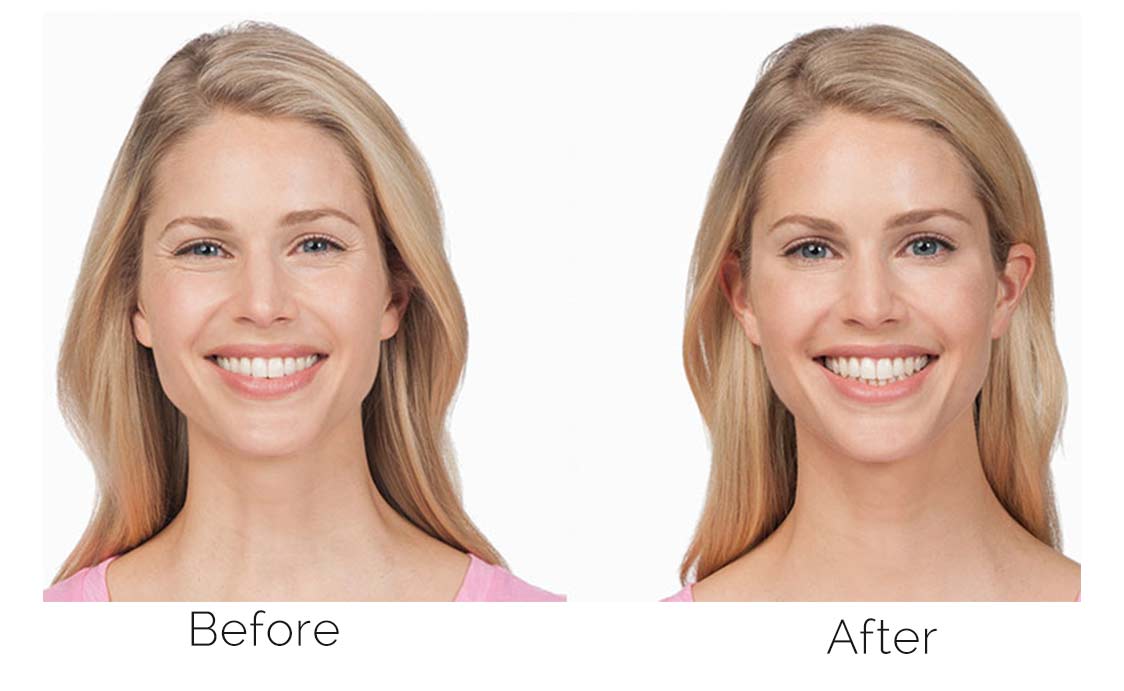
While competitors often focus on the “science” or the “speed” of their specific molecules, Botox has successfully transitioned into a lifestyle brand. Through its “Own Your Look” and “See Yourself” campaigns, the brand moved away from cold, clinical before-and-after photos toward a more emotive, inclusive, and empowering brand story.
By branding the feeling of confidence rather than just the result of a wrinkle-free face, Botox creates an emotional connection with the consumer. Competitors who focus solely on technical specs find it difficult to break this emotional bond. This is a classic brand strategy: when your product becomes a commodity, your brand must become a philosophy.
Cultivating Loyalty through Ecosystems (Allē Rewards)
A key component of the Botox brand strategy is the “Allē” loyalty program. By creating a digital ecosystem that rewards consumers for choosing Botox and other related brands within the AbbVie portfolio, they have created a “sticky” brand environment.
This ecosystem serves two purposes:
- Data Collection: It allows the brand to understand consumer behavior and cycles, enabling personalized marketing.
- Barrier to Entry: Once a consumer is integrated into the rewards system, the “cost” of switching to a competitor (in terms of lost points and familiarity) becomes higher. This turns a one-time patient into a lifelong brand advocate.
The Future of the Botox Brand: Innovation and Cultural Relevance
The longevity of a brand depends on its ability to evolve with changing cultural norms. As we move into an era of “tweakments” and preventative aesthetics, the Botox brand is currently undergoing another strategic shift to remain relevant to younger demographics.
Addressing the “Gen Z” Aesthetic Shift
For decades, the Botox brand was associated with correcting the signs of aging in older populations. However, the rise of “preventative Botox” among Millennials and Gen Z has required a brand refresh. The strategy has shifted from “anti-aging” (which can feel negative) to “pre-juvenation” and “skin health.”
The branding now reflects a more diverse range of faces and focuses on “unfiltered” beauty. By aligning with the values of authenticity and self-expression, the Botox brand avoids appearing dated. It positions itself as a tool for the modern individual who views aesthetic maintenance in the same category as a gym membership or high-end skincare.
Global Expansion and Localized Brand Identity
As Botox expands into emerging markets, its brand strategy must adapt to different cultural perceptions of beauty. In some markets, the “Western” look is the aspiration; in others, subtlety is the hallmark of luxury. The brand’s ability to maintain a global “Gold Standard” identity while allowing for local nuances in its marketing imagery is a testament to its flexible yet firm brand guidelines.
Conclusion: The Enduring Legacy of the Botox Brand
What does Botox do? In the marketplace, it serves as a blueprint for brand longevity and dominance. It has survived patent expirations, fierce competition, and cultural shifts by focusing on three core pillars: trust through clinical excellence, emotional connection through lifestyle branding, and rigorous defense of its trademarked identity.
The Botox case study teaches us that a brand is not just a logo or a name; it is a promise of consistency. By successfully navigating the transition from a medical niche to a cultural icon, Botox has ensured that it remains the benchmark against which all others are measured. As long as the brand continues to innovate its messaging and maintain its premium “original” status, its name will likely remain the most powerful asset in the aesthetic industry for decades to come.
aViewFromTheCave is a participant in the Amazon Services LLC Associates Program, an affiliate advertising program designed to provide a means for sites to earn advertising fees by advertising and linking to Amazon.com. Amazon, the Amazon logo, AmazonSupply, and the AmazonSupply logo are trademarks of Amazon.com, Inc. or its affiliates. As an Amazon Associate we earn affiliate commissions from qualifying purchases.