
The modern movie-going experience has evolved far beyond a simple screen and sound system. While advancements in visual fidelity and immersive audio continue to push boundaries, a more visceral dimension is increasingly being incorporated into the cinematic landscape: haptic feedback. At the forefront of this technological integration in the theater is D-BOX, a company that has pioneered the concept of motion-enabled seating, transforming passive viewing into an active, multi-sensory adventure. Understanding what D-BOX is involves delving into its technological underpinnings, its impact on the viewing experience, and its growing presence within the global entertainment industry.
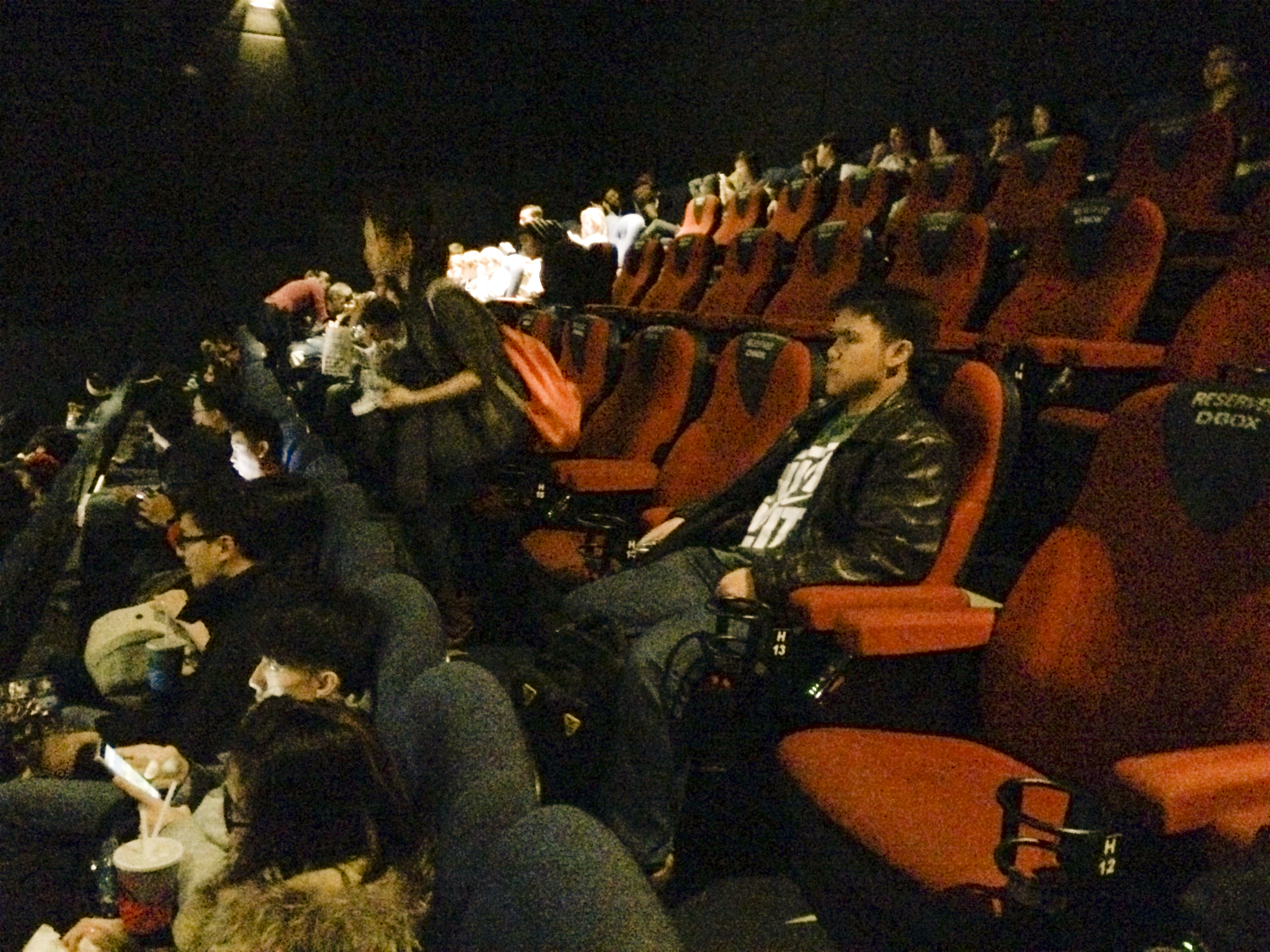
The Technological Foundation of D-BOX Motion Seating
At its core, D-BOX technology is a sophisticated system designed to synchronize physical motion with on-screen action. This synchronization is achieved through a complex interplay of hardware and software, meticulously engineered to enhance immersion without causing distraction or discomfort. The system is not merely about jarring movements; it’s about nuanced, carefully choreographed vibrations and tilts that mirror the subtle and dramatic events unfolding in a film.
Precision Engineering of Motion Systems
The physical embodiment of D-BOX technology lies within its specially designed seats. These seats are equipped with a network of electric actuators, motors, and pneumatic systems that are precisely controlled by a central processing unit. Each actuator is capable of generating specific types of motion, ranging from subtle vibrations that mimic the rumble of an engine or the impact of a distant explosion, to more pronounced movements like tilting forward or backward to simulate acceleration or a steep incline.
The design of these actuators is critical. They are engineered for both power and finesse, allowing for a wide spectrum of motion intensities. This ensures that a gentle breeze rustling through leaves can be felt as a subtle shiver, while a car chase can be experienced as a dynamic, full-body sensation. The engineering also prioritizes reliability and safety, with robust construction and safety mechanisms in place to prevent any unintended or excessive movements. The seats themselves are often designed with ergonomics in mind, providing comfortable seating that can withstand the dynamic nature of the motion experience.
The Art of Motion Encoding and Synchronization
The magic of D-BOX is not solely in the hardware, but in the meticulously crafted software that drives it. For each film shown in a D-BOX equipped theater, a separate “motion code” is created. This code is essentially a set of instructions that tells the seats exactly how to move, and when, in perfect sync with the movie. This process of motion encoding is a specialized art form, typically undertaken by D-BOX’s in-house team of creative professionals, often working in close collaboration with filmmakers.
The encoding process involves analyzing the film’s visual and auditory cues. Sound design plays a particularly crucial role, as low-frequency sounds are often directly translated into motion. The boom of an explosion, the roar of an engine, the thunder of footsteps – these are all elements that motion designers can leverage to create tangible sensations. Visual cues are also important; a character falling, a car swerving, or an earthquake shaking the ground are all translated into corresponding seat movements.
The synchronization needs to be incredibly precise. A lag of even a fraction of a second between the on-screen action and the seat’s motion can break the immersion. To achieve this, D-BOX utilizes proprietary software and robust data transmission protocols to ensure that the motion code is delivered to the seats in real-time and executed flawlessly. This intricate process transforms a passive viewing experience into an active, almost participatory one, where the audience can literally feel the rhythm and impact of the film.
The Immersive Impact of D-BOX on the Movie-Going Experience
The introduction of D-BOX motion seating fundamentally alters the way audiences engage with films. It moves beyond the traditional visual and auditory engagement to incorporate a powerful kinesthetic dimension, amplifying the emotional and physical impact of the cinematic narrative. This creates a more memorable and engaging experience that can draw viewers deeper into the story.
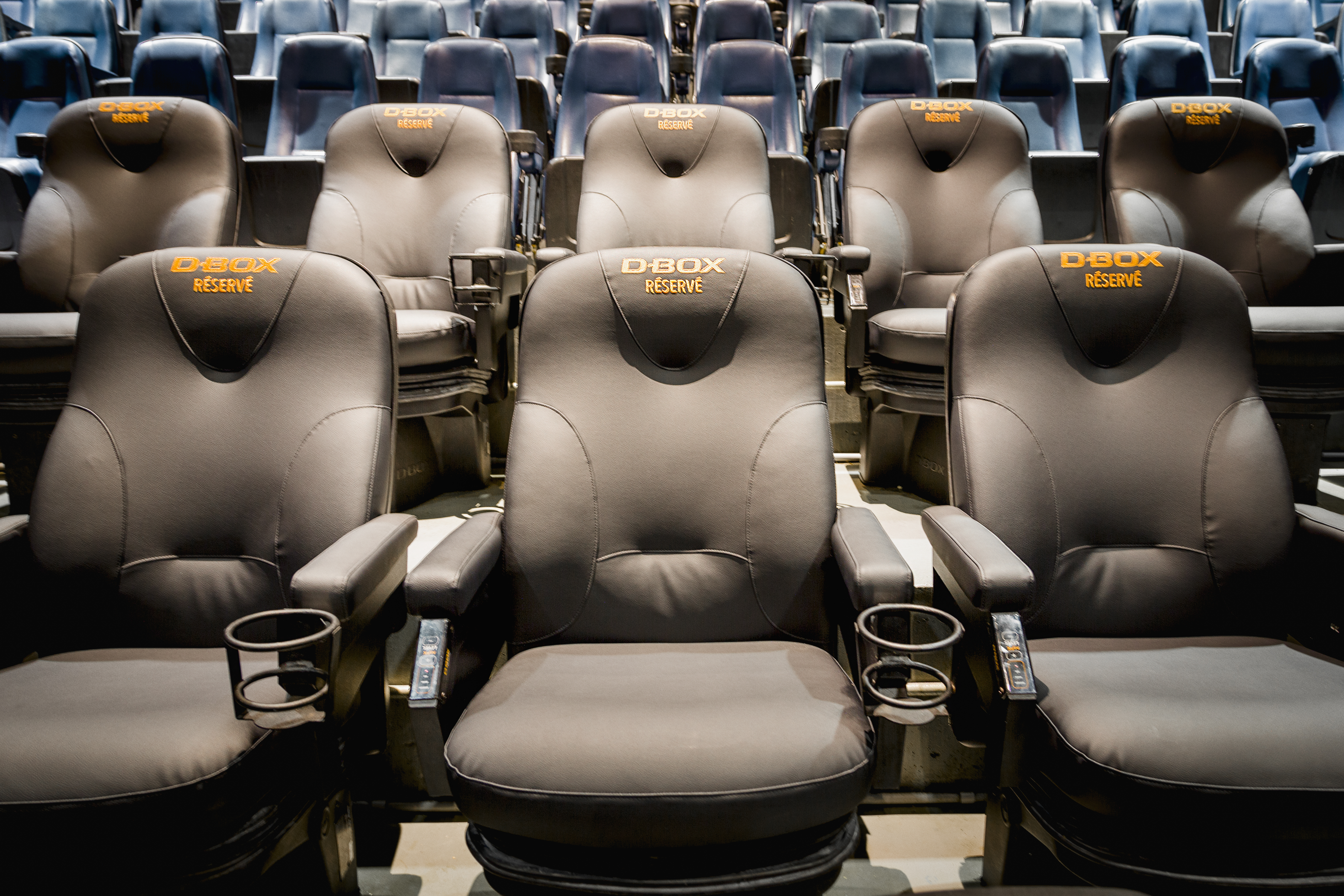
Amplifying Narrative and Emotional Resonance
D-BOX technology has the potential to significantly enhance the narrative impact of a film. Imagine watching a thrilling action sequence where you don’t just see the explosions, but feel the concussive force; or experiencing a dramatic chase scene where the acceleration and sudden stops are mirrored by your own seat’s movements. This physical engagement can heighten the sense of urgency, danger, or excitement, making the audience feel more directly connected to the characters’ experiences.
For instance, in a horror film, subtle vibrations can build tension and anticipation, making jump scares even more effective. In a drama, a character’s emotional turmoil might be subtly reflected in the seat’s gentle rocking, creating a deeper empathy for their plight. The technology allows for a multi-layered storytelling approach, where the physical dimension can complement and reinforce the visual and auditory storytelling, creating a more holistic and potent emotional response. This can lead to a more profound and lasting impression of the film, making it not just something you watched, but something you felt.
Beyond Passive Viewing: An Active Engagement
Traditional movie watching is a largely passive experience. You sit, you watch, you listen. D-BOX, however, transforms this into a more active form of engagement. By incorporating motion, the technology invites the audience to become more physically involved with the film. This can combat the sense of detachment that can sometimes occur during long viewing periods, keeping the audience consistently alert and engaged.
The dynamic nature of D-BOX seating can also make the viewing experience more dynamic and less predictable. Each film is encoded differently, meaning that the motion experience is unique to the content. This encourages repeat viewings, as audiences may wish to re-experience a film to appreciate the nuances of its motion encoding, or to discover how different films translate into varied physical sensations. It adds another layer of appreciation for the filmmaking process, allowing audiences to understand how sound and visual design are translated into a tactile experience. This active participation can make the movie-going experience feel more personal and memorable.
D-BOX’s Presence and Future in the Cinema Landscape
D-BOX has steadily grown its footprint in the movie theater industry, establishing itself as a premium offering that attracts audiences seeking a more engaging and immersive form of entertainment. Its success is a testament to the growing demand for enhanced sensory experiences in public entertainment venues.
Global Expansion and Strategic Partnerships
D-BOX has strategically partnered with major cinema chains worldwide, ensuring its technology is accessible to a broad audience. From the United States and Canada to Europe, Asia, and the Middle East, D-BOX equipped auditoriums are becoming increasingly common. These partnerships are crucial for the company’s growth, as they leverage the existing infrastructure and marketing reach of established cinema operators.
The company often works with multiplexes to integrate its motion seats into dedicated D-BOX auditoriums. This allows for a controlled environment where the full impact of the technology can be showcased. Furthermore, D-BOX actively collaborates with film distributors and studios to ensure that new releases are available with corresponding motion codes, further driving adoption and demand. This ecosystem approach, involving technology providers, cinema operators, and content creators, is key to D-BOX’s success and its continued expansion in the global market.

The Evolution of Immersive Cinema and Future Potential
The rise of D-BOX is part of a larger trend towards more immersive and experiential entertainment. As audiences become accustomed to highly engaging digital environments in gaming and virtual reality, they increasingly seek similar levels of sensory stimulation in other forms of entertainment. D-BOX directly addresses this desire, offering a tangible and accessible form of immersion that complements the established cinematic medium.
Looking ahead, the potential for D-BOX and similar haptic feedback technologies in movie theaters is significant. As the technology matures and becomes more sophisticated, we can expect even more nuanced and integrated motion experiences. This could involve personalized motion profiles for individual viewers, integration with other emerging technologies like augmented reality, or even the development of haptic suits that extend the sensation beyond the seating. The continued innovation in this space suggests that the movie-going experience of the future will be far more multi-sensory and engaging than ever before, with D-BOX playing a pivotal role in shaping that evolution.
aViewFromTheCave is a participant in the Amazon Services LLC Associates Program, an affiliate advertising program designed to provide a means for sites to earn advertising fees by advertising and linking to Amazon.com. Amazon, the Amazon logo, AmazonSupply, and the AmazonSupply logo are trademarks of Amazon.com, Inc. or its affiliates. As an Amazon Associate we earn affiliate commissions from qualifying purchases.