
Variable Frequency Drives (VFDs), also known as adjustable speed drives (ASDs) or inverters, are sophisticated electronic devices that play a crucial role in modern industrial and commercial applications. At their core, VFDs control the speed of AC electric motors by adjusting the frequency and voltage of the electrical power supplied to them. This seemingly simple function unlocks a cascade of benefits, including significant energy savings, improved process control, extended equipment life, and enhanced operational efficiency. Understanding what a VFD does is essential for anyone involved in specifying, operating, or maintaining motor-driven systems, offering a powerful tool for optimizing performance and reducing operational costs.
The Fundamental Principle: Motor Speed Control
At its most basic, a VFD’s primary function is to provide variable speed control for AC induction motors. Unlike traditional systems where motors run at a fixed speed determined by the mains power frequency (typically 50 or 60 Hz), VFDs allow for precise adjustments to this speed. This is achieved by manipulating the electrical waveform supplied to the motor.
How a VFD Alters Motor Speed
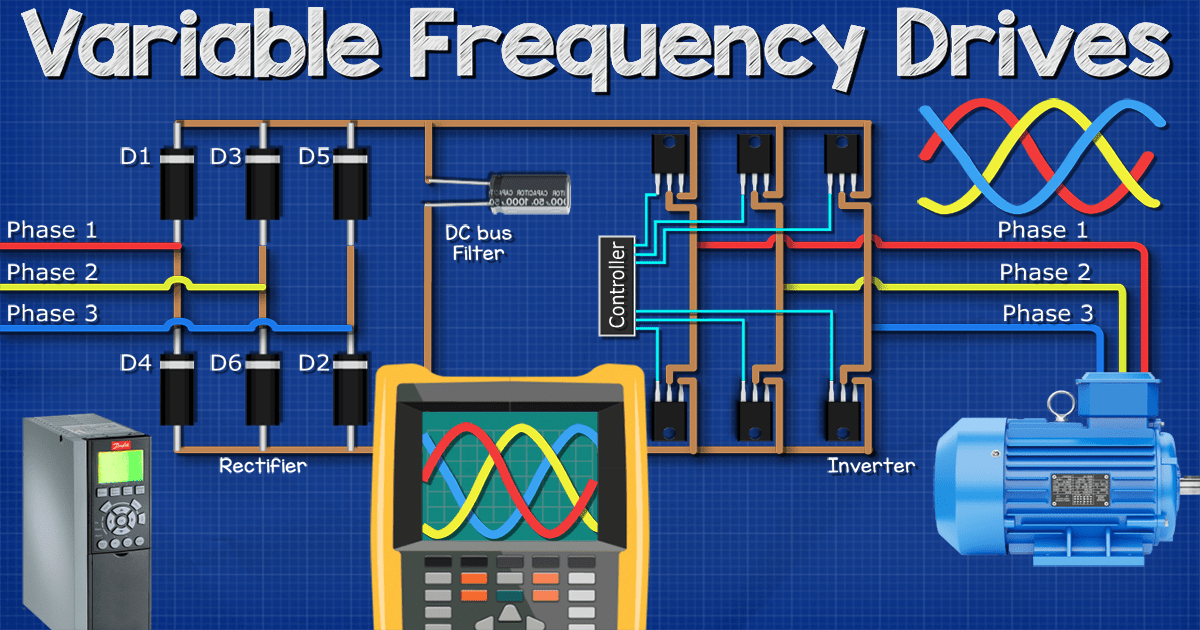
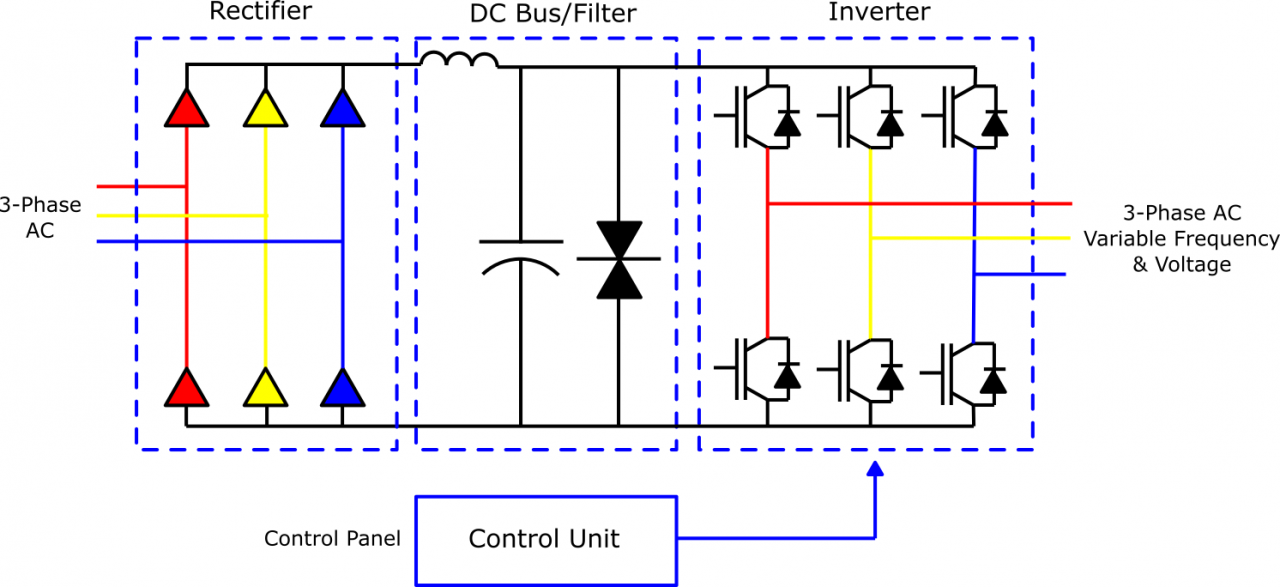
The operation of a VFD can be broken down into three main stages: rectification, DC bus, and inversion.
Rectification: Converting AC to DC
The first stage involves converting the incoming AC power from the grid into DC power. This is typically accomplished using a rectifier, which is a circuit composed of diodes. These diodes allow current to flow in only one direction, effectively transforming the alternating current into a pulsating direct current. For single-phase input, a bridge rectifier is commonly used, while three-phase input systems often employ a six-diode bridge rectifier.
The DC Bus: Smoothing and Storing Energy
Following rectification, the pulsating DC power is smoothed out and stored in a DC bus. This bus usually consists of capacitors, which act like a reservoir, absorbing the fluctuations and providing a stable, steady DC voltage. Inductors may also be present in the DC bus to further filter the ripple and improve the overall quality of the DC power. This smoothed DC voltage is then ready for the next stage of conversion.
Inversion: Creating Variable Frequency AC
The most critical stage of a VFD’s operation is inversion. Here, the smoothed DC power is converted back into AC power, but with a crucial difference: the frequency and voltage can be precisely controlled. This is achieved using power electronic switches, most commonly Insulated Gate Bipolar Transistors (IGBTs). These switches are rapidly turned on and off at high frequencies (often in the kilohertz range) by a control circuit. By precisely timing these switching operations, the VFD can synthesize an AC waveform with any desired frequency and voltage.
The relationship between motor speed and frequency is fundamental: motor speed is directly proportional to the frequency of the applied AC power. By reducing the frequency output of the VFD, the motor slows down. Conversely, increasing the frequency speeds the motor up. Similarly, the voltage supplied to the motor must be adjusted proportionally to maintain the motor’s torque capabilities. A VFD achieves this by controlling the pulse width of the switching operations, a technique known as Pulse Width Modulation (PWM). The width of these pulses directly dictates the effective voltage delivered to the motor.
Beyond Speed Control: The Multifaceted Benefits of VFDs
While precise speed control is the primary function, the implications and benefits extend far beyond simply making a motor spin faster or slower. VFDs offer a suite of advantages that significantly improve the performance and economics of motor-driven systems.
Energy Efficiency: The Cornerstone of VFD Value
Perhaps the most compelling reason for the widespread adoption of VFDs is their ability to dramatically reduce energy consumption. For many applications, motors are oversized for the task they perform or operate at full speed even when less is required. This leads to substantial wasted energy.
The Affinity Laws and Reduced Power Consumption
The concept of affinity laws, particularly for centrifugal loads like pumps and fans, clearly illustrates the energy-saving potential of VFDs. These laws state that:
- Flow is proportional to speed. If you reduce the speed by 50%, the flow reduces by 50%.
- Pressure is proportional to the square of the speed. If you reduce the speed by 50%, the pressure reduces by 75%.
- Power consumption is proportional to the cube of the speed. This is the most impactful of the laws. If you reduce the speed by 50%, the power consumption reduces by 87.5% (0.5³ = 0.125, meaning only 12.5% of the original power is needed).
This cubic relationship means that even a small reduction in speed can lead to enormous energy savings. For example, running a fan at 80% speed instead of 100% can reduce its power consumption by nearly 50%. In large industrial facilities with numerous motor-driven systems, these savings can translate into millions of dollars annually.
Soft Starting and Reduced Peak Demand
Beyond continuous operation, VFDs also offer significant energy benefits during startup. Traditional motor starters connect the motor directly to full line voltage, causing a large inrush current. This inrush current can be 5-8 times the motor’s rated current and lasts for a few seconds. This not only stresses the power grid but can also incur demand charges from utilities, which are often based on the highest peak power drawn during a billing period. VFDs provide a “soft start” by gradually ramping up the voltage and frequency to the motor. This eliminates the high inrush current, reducing stress on the motor and power system, and helping to avoid costly peak demand charges.
Enhanced Process Control and Optimization
The ability to precisely control motor speed allows for unparalleled fine-tuning of industrial processes. This leads to improved product quality, increased throughput, and greater operational flexibility.
Precise Flow and Pressure Regulation
In pumping and fan applications, VFDs enable precise control over flow rates and pressures. Instead of relying on throttling valves or dampers, which are inefficient and can lead to cavitation or instability, VFDs adjust the motor speed to meet the exact demand. This leads to more stable system performance, reduces wear and tear on mechanical components, and ensures that processes operate within their optimal parameters. For example, in HVAC systems, VFDs can adjust fan speeds to maintain precise temperature and humidity levels, improving comfort and reducing energy waste. In chemical processing, accurate flow control is critical for maintaining reaction rates and product consistency.
Improved Product Quality
By maintaining consistent and precise operating speeds, VFDs contribute directly to improved product quality. Whether it’s maintaining uniform tension in a conveyor belt, consistent speed in a mixing process, or precise material feed rates, VFDs eliminate variations that can lead to defects. This reduces scrap rates, rework, and customer complaints, ultimately boosting profitability.
Extended Equipment Lifespan and Reduced Maintenance
The controlled acceleration and deceleration provided by VFDs, along with the elimination of mechanical stresses, contribute significantly to the longevity of motor-driven equipment.
Reduced Mechanical Stress
The sudden jolt of connecting a motor directly to full line voltage during traditional startup causes significant mechanical stress on the motor windings, bearings, couplings, and driven equipment. This stress can lead to premature wear and failure. VFDs, with their smooth acceleration ramps, gradually bring the motor up to speed, minimizing these mechanical shocks. This translates into longer bearing life, reduced fatigue on shafts and couplings, and overall extended equipment operational life.
Reduced Electrical Stress
Similarly, the high inrush current associated with direct-on-line starting can also subject the motor windings to electrical stress. VFDs, by controlling the voltage and current during startup, reduce this electrical stress. This helps to prevent insulation breakdown and premature motor failure, further contributing to a longer service life.
Reduced Wear on Mechanical Components
Beyond the motor itself, the controlled operation facilitated by VFDs also reduces wear on downstream mechanical components. For example, in a pump system, the elimination of water hammer (pressure surges) caused by sudden starts and stops, thanks to VFDs, significantly reduces stress on piping, valves, and seals.
Applications and Integration: Where VFDs Make a Difference
The versatility and benefits of VFDs have led to their widespread adoption across a vast array of industries and applications. Their ability to enhance efficiency, control, and longevity makes them an indispensable technology in modern industrial and commercial environments.
Industrial Sector Dominance
The industrial sector is arguably the largest consumer of VFDs. Their primary applications revolve around controlling heavy machinery and optimizing production processes.
Manufacturing and Production Lines
In manufacturing, VFDs are integral to conveyor systems, mixers, extruders, pumps, compressors, and fans. They allow for precise control of material flow, blending, and processing speeds, ensuring consistent product output and maximizing throughput. For example, in a food processing plant, VFDs can precisely control the speed of dough mixers to achieve optimal consistency, or regulate conveyor belts to match production line speeds.
Water and Wastewater Treatment
The water and wastewater industry relies heavily on VFDs for controlling pumps and large fans. By precisely matching pump speed to demand, VFDs optimize energy usage for water distribution and sewage treatment. This also helps to prevent over-pressurization of the system and reduces the risk of water hammer. Fans in aeration tanks can be speed-controlled to optimize oxygen levels for biological treatment processes.
HVAC Systems
In commercial buildings and industrial facilities, Variable Air Volume (VAV) systems utilize VFDs to control the speed of fans and pumps for heating, ventilation, and air conditioning. This allows the system to adjust airflow and water flow precisely to meet the heating and cooling demands of different zones, significantly reducing energy consumption compared to traditional constant-volume systems.
Beyond Traditional Industry
The application of VFDs extends beyond heavy industry into sectors that may not immediately come to mind, showcasing their broad applicability.
Renewable Energy Systems
VFDs are increasingly being used in renewable energy applications, such as controlling the speed of wind turbine generators to optimize power generation across varying wind speeds. They also play a role in solar tracking systems to ensure panels are optimally positioned.
Elevators and Escalators
In vertical transportation systems, VFDs are used to provide smooth, controlled acceleration and deceleration for elevators and escalators. This enhances passenger comfort, reduces wear on mechanical components, and allows for energy regeneration during descent.
Oil and Gas
In the oil and gas sector, VFDs are employed in various applications, including controlling the speed of pumps for oil extraction, compressors for gas processing, and fans for ventilation in hazardous environments. Their ability to operate in harsh conditions and provide precise control is crucial.
Integration with Control Systems
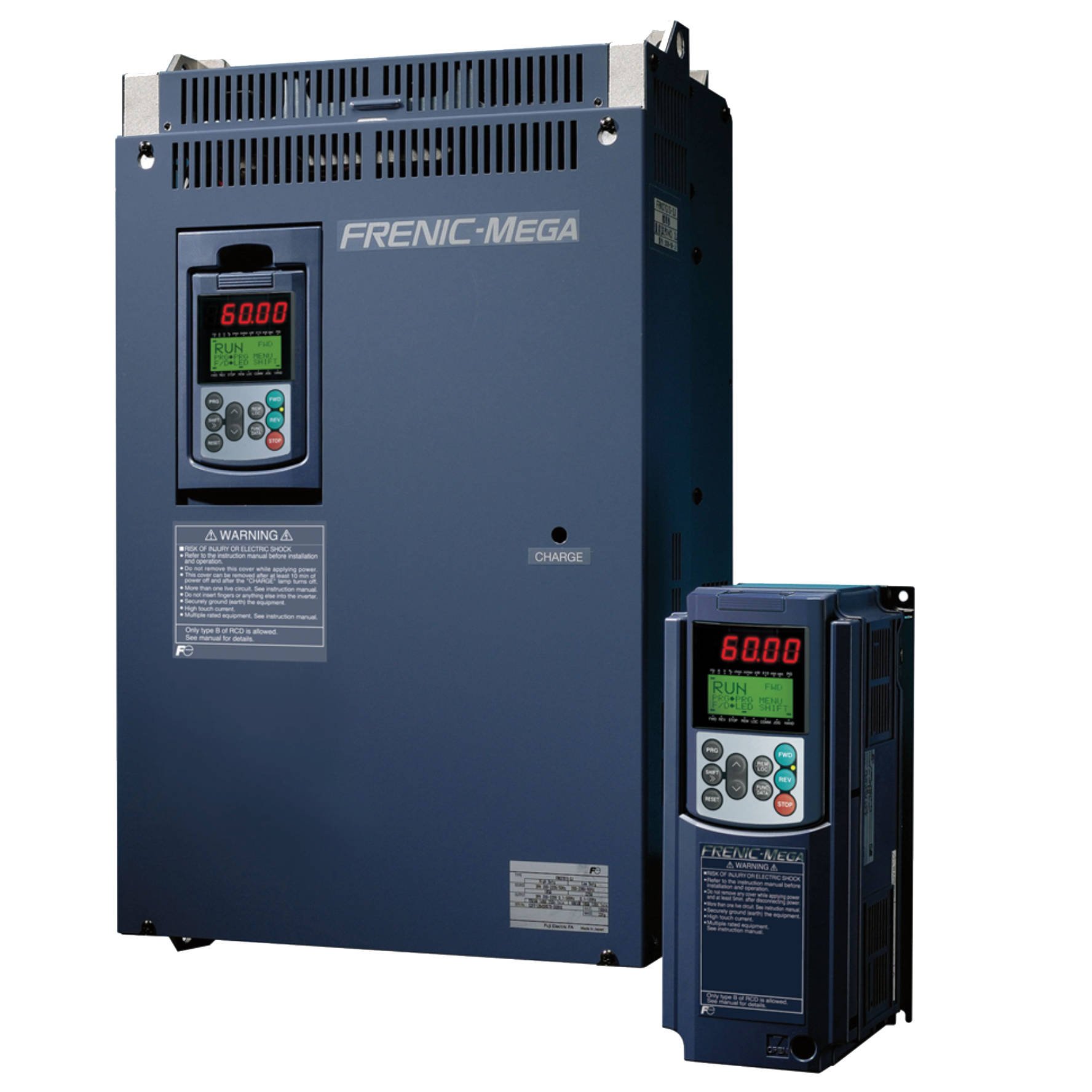
Modern VFDs are sophisticated devices that often integrate seamlessly with Programmable Logic Controllers (PLCs) and Supervisory Control and Data Acquisition (SCADA) systems. This integration allows for centralized monitoring, control, and automation of motor-driven processes. Through communication protocols like Modbus, Ethernet/IP, or Profibus, VFD parameters can be adjusted remotely, diagnostic data can be collected, and advanced control strategies can be implemented, further enhancing operational efficiency and enabling predictive maintenance.
In conclusion, the question “What does a VFD do?” opens a door to understanding a cornerstone of modern industrial technology. Beyond simply changing motor speed, VFDs are powerful tools for achieving substantial energy savings, optimizing complex processes, extending equipment life, and enabling sophisticated automation. Their pervasive presence across diverse industries underscores their critical role in driving efficiency and performance in the modern technological landscape.
aViewFromTheCave is a participant in the Amazon Services LLC Associates Program, an affiliate advertising program designed to provide a means for sites to earn advertising fees by advertising and linking to Amazon.com. Amazon, the Amazon logo, AmazonSupply, and the AmazonSupply logo are trademarks of Amazon.com, Inc. or its affiliates. As an Amazon Associate we earn affiliate commissions from qualifying purchases.