
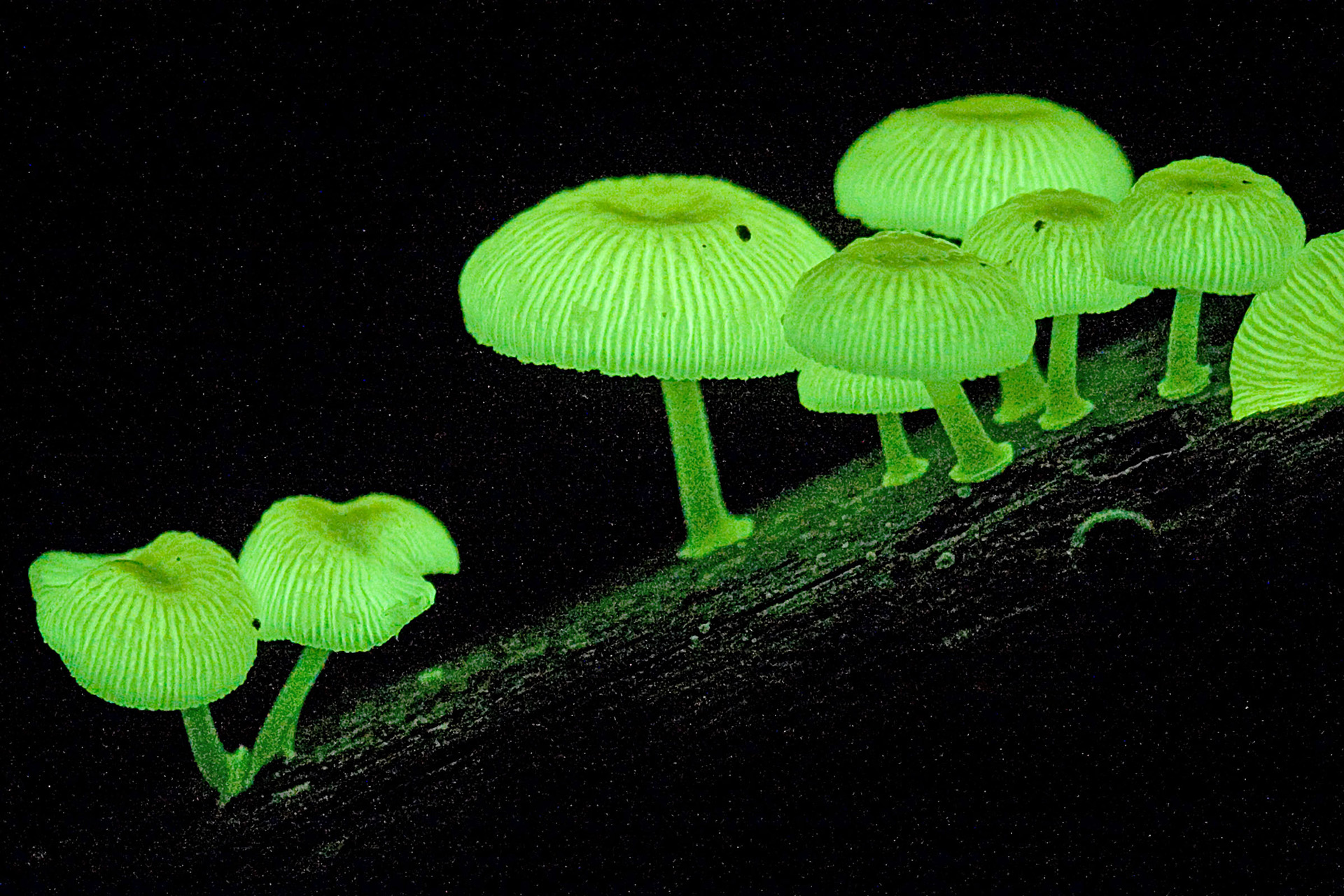
The term “bioluminescent” traditionally belongs to the realm of marine biology and forest ecology, describing the ability of living organisms—such as fireflies, jellyfish, and certain fungi—to produce and emit light through a chemical reaction. However, in the rapidly evolving landscape of modern technology, the definition of bioluminescence is undergoing a profound transformation. Today, it represents a frontier in synthetic biology, material science, and sustainable engineering.
To “be bioluminescent” in a technological context means to utilize nature’s most efficient light-producing mechanisms to solve human problems, ranging from energy consumption in smart cities to the advancement of high-resolution medical imaging and data encryption. As we move away from silicon-only solutions toward bio-integrated systems, understanding bioluminescence is no longer just a lesson in nature; it is a preview of the next generation of “green” hardware.

Synthetic Biology and the Engineering of Living Pixels
The most significant tech-centric interpretation of bioluminescence lies within the field of synthetic biology. Engineers are no longer merely observing light-emitting organisms; they are deconstructing their genetic code to repurpose them as functional components in digital and mechanical systems.
CRISPR and the Programming of Light
With the advent of CRISPR-Cas9 and other gene-editing tools, bioluminescence has become a programmable output. In technical terms, this involves the manipulation of the “luciferase” enzyme and its substrate “luciferin.” By inserting these genetic sequences into non-luminescent hosts, scientists are creating living biosensors. From a tech perspective, this is akin to writing a new piece of software that allows hardware to output visual data without the need for an external power source or a traditional LED screen.
Bio-LEDs: The Transition from Silicon to Protein
The tech industry is currently facing a sustainability crisis regarding rare-earth metals used in LED and OLED displays. “Bio-LEDs” represent a potential disruptor. By embedding bioluminescent proteins into a polymer matrix, researchers are developing hybrid devices that emit light through biological pathways rather than purely electrical ones. These bio-hybrid light-emitting diodes are biodegradable and offer a color spectrum that is softer on the human eye, potentially reducing the “blue light” strain associated with modern screen usage.
Environmental Monitoring and the Biological Internet of Things (BIoT)
One of the most practical applications of bioluminescence in tech is its role in environmental data collection. As we expand the Internet of Things (IoT), there is a growing need for sensors that are self-powering and environmentally friendly.
Real-time Data through Living Organisms
In the tech sector, bioluminescence is being harnessed to create “living sensors.” By engineering bacteria that glow only in the presence of specific pollutants—such as arsenic in water or heavy metals in soil—companies are creating a decentralized monitoring network. This “Biological IoT” (BIoT) allows for real-time environmental auditing without the need for complex circuitry or batteries. When the organism detects a target chemical, its bioluminescent “output” is captured by a simple photodetector and transmitted to the cloud, providing a bridge between organic chemistry and digital analytics.
Marine Tech and Deep-Sea Exploration
The deep sea is the Earth’s largest frontier, and it is also a “black site” for traditional optical technology. Tech firms specializing in underwater robotics (AUVs) are studying bioluminescent patterns to improve stealth and communication. Because water absorbs most radio waves, bioluminescence offers a natural blueprint for low-energy optical communication. By mimicking the “flash patterns” of deep-sea cephalopods, engineers are developing new methods for drones to communicate with one another in high-pressure, light-deprived environments.
The Intersection of AI and Biological Illumination

The complexity of bioluminescent chemical reactions involves massive datasets regarding protein folding and metabolic pathways. This is where Artificial Intelligence (AI) and Machine Learning (ML) intersect with biological light.
Algorithmic Optimization of Protein Expression
Developing a bioluminescent plant or a sustainable light source requires finding the most efficient way to express specific proteins. AI platforms like Google’s AlphaFold are being used by biotech startups to predict how bioluminescent enzymes will interact with different cell types. By using AI to “debug” biological light systems, developers can increase the luminosity and duration of the glow, moving us closer to the commercial viability of “living lamps” and bioluminescent infrastructure.
Smart Cities: Living Streetlights and Urban Design
The “Smart City” movement is increasingly looking at bioluminescence as a solution for off-grid lighting. The tech involves treating the leaves of urban trees with specialized nanoparticles or genetic modifications that allow them to glow at night. From a technical infrastructure standpoint, this could drastically reduce the energy load on a city’s power grid. While still in the pilot phase, the integration of bioluminescence into urban design represents a shift toward “passive tech”—infrastructure that performs its function naturally, requiring only water and CO2 rather than electricity and maintenance.
Security, Authentication, and Bio-Digital Storage
As digital security threats become more sophisticated, tech innovators are looking toward the unique properties of biological light for the next generation of authentication and data management.
Bioluminescent QR Codes and Counterfeit Prevention
Bioluminescence offers a unique physical signature that is nearly impossible to replicate with synthetic chemicals. Tech companies are developing “biological inks” that contain specific luciferase proteins. These inks can be used to create invisible, bioluminescent QR codes on high-value items or sensitive documents. These codes only become visible under specific chemical triggers, providing a multi-factor authentication layer that bridges the gap between physical security and digital verification.
Data Storage in Bioluminescent Bacteria
The tech industry is currently exploring DNA data storage as a solution to the world’s burgeoning data crisis. In some experimental models, bioluminescence is used as a “read-out” mechanism for DNA-stored data. By triggering a light response in specific sequences of a bacterial colony, researchers can retrieve information stored within the DNA. This creates a “live” database where the presence or absence of light acts as binary code (1s and 0s), allowing for massive amounts of information to be stored in microscopic, self-replicating biological systems.
The Ethics and Future of Bio-Integrated Technology
As we redefine “bioluminescent” as a technological term, we must also consider the ethical and regulatory framework of this “Living Tech.” The convergence of biology and technology—often called the “Bio-convergence”—raises questions about the long-term impact of releasing engineered organisms into the environment.
From a software perspective, the challenge lies in the “unpredictability” of biological systems compared to the rigid logic of silicon. Biological systems can mutate, adapt, and die. Therefore, the future of bioluminescent tech will require a new type of “Biological Operating System” that can account for metabolic changes and environmental variables.
Furthermore, the hardware of the future may look less like a sleek metal box and more like a terrarium. As we seek to reach “Net Zero” carbon goals, the tech industry must embrace the efficiency of nature. Bioluminescence represents more than just a glow-in-the-dark novelty; it is a sophisticated, 3-billion-year-old technology that we are only now beginning to master. By integrating these natural light-emitting systems into our digital infrastructure, we are not just mimicking nature—we are upgrading our world with a more sustainable, efficient, and resilient light source.
In conclusion, when we ask “what does bioluminescent mean” in the 21st century, the answer is found in the laboratories of Silicon Valley as much as in the depths of the ocean. It means a future where our devices are grown rather than manufactured, where our cities are lit by the breath of trees, and where the line between the digital and the biological becomes increasingly luminous.
aViewFromTheCave is a participant in the Amazon Services LLC Associates Program, an affiliate advertising program designed to provide a means for sites to earn advertising fees by advertising and linking to Amazon.com. Amazon, the Amazon logo, AmazonSupply, and the AmazonSupply logo are trademarks of Amazon.com, Inc. or its affiliates. As an Amazon Associate we earn affiliate commissions from qualifying purchases.