
When HBO’s Game of Thrones burst onto the global stage, it quickly established itself as a cultural phenomenon, a titan among television franchises. While dragons, political intrigue, and unforgettable characters captured imaginations, there was always an underlying, chilling force that simmered at the periphery, gradually moving to the forefront: the White Walkers. More than just antagonists, the White Walkers served as a masterclass in brand building, a strategic element that defined the identity, marketing, and enduring legacy of the Game of Thrones brand. They were not merely creatures of fantasy; they were a brilliantly conceived brand pillar, a narrative and visual device that elevated the show beyond mere entertainment into a global brand powerhouse.
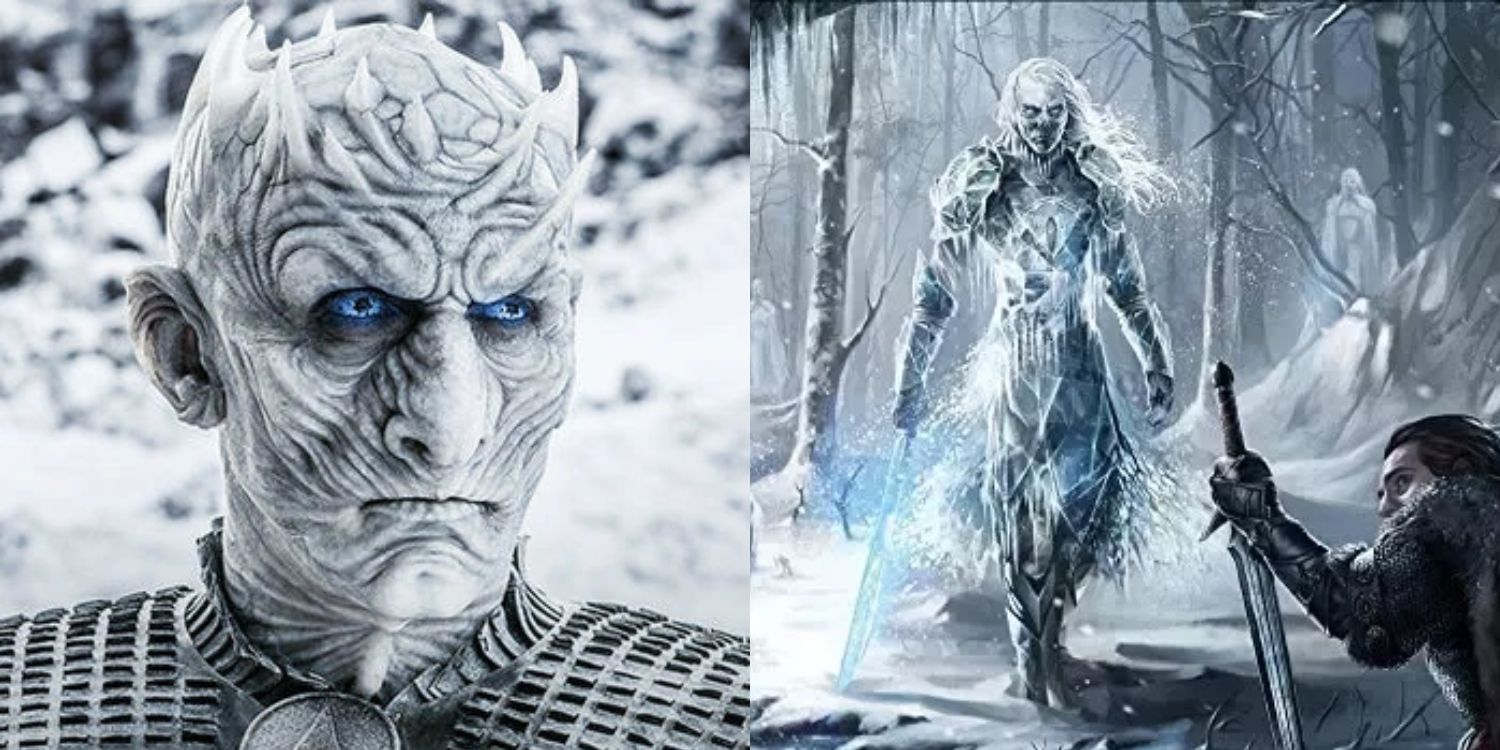
From their initial, fleeting appearance in the very first episode to their eventual confrontation, the White Walkers represented the ultimate existential threat, a unifying “other” that transcended the petty squabbles of Westeros’ warring houses. Their enigmatic nature, terrifying appearance, and seemingly unstoppable advance became synonymous with the show’s dark, gritty tone and its promise of high stakes. For marketers, brand strategists, and content creators, understanding the White Walker’s role is not just about lore, but about deconstructing how a fictional concept can be engineered to become a core brand identifier, driving engagement, shaping perception, and forging an unbreakable bond with its audience.
The White Walker as a Pillar of the Game of Thrones Brand Identity
The Game of Thrones brand thrives on complexity, moral ambiguity, and unexpected twists. Yet, amidst this chaos, the White Walkers offered a stark, unambiguous threat, a force that paradoxically simplified the narrative’s overarching stakes while simultaneously deepening its mystery. Their brand identity was carefully cultivated, presenting a clear contrast to the internecine human conflicts.
Crafting Enigma: The Slow Reveal and Its Brand Impact
One of the most potent branding strategies employed by Game of Thrones with the White Walkers was the deliberate pace of their reveal. For multiple seasons, they remained largely unseen, a chilling whisper on the wind, a fear-inducing legend from beyond the Wall. This slow-burn approach created immense anticipation and speculation, a vital component of brand engagement. By withholding direct exposure, the show allowed the audience’s imagination to run wild, crafting a more terrifying image than any visual could initially convey. This strategy built a narrative vacuum that fans eagerly filled with theories, discussions, and analyses, effectively turning the audience into active participants in the brand’s storytelling. The White Walkers weren’t just characters; they were a question mark, a puzzle that kept the brand constantly at the forefront of cultural conversation, fueling its mystique and reinforcing its sophisticated, patient narrative style. This enigmatic quality became a hallmark of the GoT brand itself: a promise of deep, unfolding secrets.
The Visual Language of Fear: Design as Differentiator
The distinct visual design of the White Walkers – their icy blue eyes, gaunt features, and desiccated appearance – became an instantly recognizable brand asset. This aesthetic was meticulously crafted to evoke primal fear and a sense of ancient, inhuman malice. Unlike typical fantasy villains, they possessed a unique, almost ethereal quality that set them apart. Their design was consistent, iconic, and immediately communicated their nature as something otherworldly and formidable. This visual branding extended to the Night King, whose crown of ice and piercing gaze solidified his status as a singular, terrifying leader. The consistency in their visual representation across all media, from the show itself to promotional materials, ensured that the White Walkers became a strong visual shorthand for the Game of Thrones brand – a symbol of its dark fantasy aesthetic and its commitment to compelling, high-quality production design. It was a visual language that spoke volumes about the brand’s tone and its commitment to immersive world-building.
Beyond Dragons and Dynasties: Establishing a Unique Threat Proposition
While dragons, political machinations, and prophecies were compelling, the White Walkers offered a fundamentally different kind of threat proposition. They weren’t vying for a throne; they were bringing an apocalyptic winter. This positioned the Game of Thrones brand with a dual-layered narrative: the internal power struggles of humanity and the external, existential threat to all life. This unique selling proposition – a show that combined intricate human drama with epic, supernatural horror – diversified the brand’s appeal. It allowed Game of Thrones to tap into broader genres, attracting viewers who might not typically engage with high fantasy but were drawn to a story of ultimate survival. The White Walkers ensured that the Game of Thrones brand was not just about “who sits on the Iron Throne,” but about “will humanity survive?” This grander scale elevated the brand’s perceived importance and universal relevance.
Marketing the Mystique: Leveraging the Unknown for Audience Engagement
The strategic deployment of the White Walkers served as a masterclass in marketing through narrative, transforming an unknown enemy into one of the most compelling reasons to tune in week after week. Their presence, or often their absence, became a powerful marketing lever.
The Power of the Unseen: Building Anticipation Through Narrative Pacing
HBO’s marketing strategy brilliantly mirrored the show’s narrative pacing regarding the White Walkers. Initial teasers and trailers hinted at a looming threat without fully revealing it, relying on shadow, sound, and fleeting glimpses. This created a profound sense of anticipation, building a collective dread that resonated with the audience. By allowing the “fear of the unknown” to permeate the early seasons, the marketing team cultivated a loyal following eager to unravel the mysteries of Westeros’s ultimate enemy. The long-term narrative commitment to the White Walkers meant that every subtle hint or brief appearance in a promotional clip became a major talking point, generating organic buzz and speculation across social media platforms. This slow reveal was a deliberate brand building exercise, conditioning the audience to expect profound, long-term storytelling.
Promotional Strategies: How White Walkers Drove Hype
As the White Walkers moved from the shadows to the forefront of the narrative, so too did their role in promotional campaigns. Key visuals featuring the Night King or legions of the undead became central to posters, trailers, and digital campaigns, especially in the later seasons. These images were designed to be stark, impactful, and instantly recognizable, serving as powerful calls to action. The juxtaposition of the White Walkers against the human characters highlighted the ultimate stakes of the conflict, drawing new viewers while reinforcing the loyalty of existing fans. HBO even executed real-world activations, such as the infamous “Night King in London” ice sculpture, directly leveraging the White Walkers’ iconography to generate press and public engagement. This direct use of a fictional element for tangible, high-impact marketing demonstrates the White Walkers’ invaluable contribution to the Game of Thrones brand’s marketing success.
Fan Theories and Community Building: A Collaborative Brand Narrative
The enigmatic nature of the White Walkers, coupled with the show’s deliberate storytelling, fostered an unparalleled environment for fan theories and discussions. Websites, forums, and social media platforms exploded with speculation about their origins, motives, and vulnerabilities. This vibrant, collaborative community became an extension of the Game of Thrones brand itself. Fans weren’t just passive consumers; they were active participants, theorizing, debating, and dissecting every detail. The White Walkers provided a rich canvas for this intellectual engagement, making the brand feel more interactive and responsive. This co-creation of meaning deepened audience investment and loyalty, transforming viewership into a shared cultural experience. For any brand, fostering such a dedicated and engaged community is the holy grail, and the White Walkers were instrumental in achieving it for Game of Thrones.
Emotional Resonance and Fan Loyalty: The White Walkers’ Enduring Brand Legacy
Beyond marketing, the White Walkers played a crucial role in forging a deep emotional connection with the audience, a cornerstone of lasting brand loyalty. They tapped into universal human experiences and fears, grounding the fantastical narrative in relatable emotional stakes.

Tapping into Primal Fears: The Universal Appeal of an Existential Threat
The White Walkers represented a primal, existential threat – the inevitability of death, the harshness of winter, and the unknown. This resonated on a deep, almost subconscious level with viewers, regardless of their background or familiarity with fantasy genres. Their relentless, silent march symbolized an unstoppable force, a truly terrifying antagonist that united human characters against a common, overwhelming enemy. By tapping into these universal fears, the Game of Thrones brand transcended its genre, becoming a narrative about humanity’s struggle against overwhelming odds. This emotional resonance deepened the audience’s investment in the characters and the world, strengthening their bond with the brand far beyond superficial entertainment. It was a sophisticated way to make a fantastical element profoundly relatable.
Shaping the Viewer Experience: From Spectator to Immersed Participant
The dread and tension surrounding the White Walkers were meticulously woven into the fabric of the Game of Thrones viewing experience. Every scene involving them, or even a mention, heightened the stakes and created a palpable sense of anxiety. This wasn’t merely passive viewing; it was an immersive experience where the audience felt the encroaching cold and the looming danger. This emotional journey, from mild curiosity to intense fear and anticipation, created a powerful feedback loop that sustained viewer engagement over many years. The White Walkers were not just characters in a story; they were the architects of the viewer’s emotional landscape, shaping how the brand was perceived and felt. This level of emotional immersion is a powerful driver of long-term brand advocacy.
The Long-Term Impact: How a Single Element Can Define a Franchise
Even after the “Great War” concluded, the White Walkers continue to be a defining element of the Game of Thrones brand. They represent the ultimate challenge, the overarching narrative thread that connected seemingly disparate storylines. Their legacy lives on in discussions about the show’s themes, its scope, and its impact. They are often referenced in analyses of what made Game of Thrones so compelling and impactful. For a brand, having a singular, iconic element that encapsulates its core message and artistic ambition is invaluable. The White Walkers serve as a testament to how a well-conceived antagonist can not only drive a story but also become a lasting symbol of the entire franchise, reinforcing its brand identity long after the credits roll.
Merchandising, Spin-offs, and Franchise Expansion: Capitalizing on a Brand Icon
The White Walkers’ iconic status naturally translated into significant opportunities for brand extension and revenue generation, proving their value beyond the narrative itself. They became a cornerstone of the Game of Thrones commercial ecosystem.
Tangible Assets: From Collectibles to Gaming
The distinctive appearance of the White Walkers made them prime candidates for merchandising. Action figures, statues, Funk Pop! vinyls, and apparel featuring the Night King or other White Walkers became highly sought-after collector’s items. Their stark, imposing visuals translated well across various product lines, reinforcing the brand’s aesthetic in tangible form. Beyond physical merchandise, the White Walkers also played significant roles in Game of Thrones video games, board games, and mobile apps, where their threat level and lore could be further explored. This diversified revenue stream showcased the commercial power of a well-developed brand icon, demonstrating how a fictional element can be monetized effectively across different media and product categories. Each piece of merchandise carrying their image served as a mini-advertisement for the core brand.
The Narrative Blueprint: Informing Future Westeros Stories
The profound impact and fan fascination with the White Walkers have laid a narrative blueprint for future Game of Thrones spin-offs and prequels, such as House of the Dragon. While not directly featuring White Walkers, the concept of a long-forgotten, ancient threat and the delicate balance of power that keeps it at bay is a theme that resonates from their legacy. The White Walkers established a standard for what an ultimate threat in Westeros can look like, setting a high bar for future antagonists in the expanding universe. Their existence opened up possibilities for exploring the ancient history of Westeros, delving into the Age of Heroes and the Long Night, offering rich material for brand expansion that maintains narrative continuity and thematic resonance with the original series.
Maintaining Brand Cohesion: The White Walkers as a Reference Point
In a sprawling narrative universe like Game of Thrones, maintaining brand cohesion across various media and future projects is paramount. The White Walkers serve as a powerful reference point, a fixed star in the Westerosi cosmos that anchors the brand’s core themes of survival, sacrifice, and the cyclical nature of history. Their presence underscores the fragility of human civilization and the constant threat of forces beyond understanding. This consistent thematic thread, embodied by the White Walkers, helps to ensure that any new Game of Thrones content feels authentically part of the larger brand, maintaining its distinct tone and appeal. They are a reminder of the brand’s commitment to epic scale and deep lore, providing a measuring stick for all subsequent narrative endeavors within the franchise.
Strategic Storytelling: How the White Walkers Elevated the GoT Narrative Brand
Ultimately, the White Walkers were more than just monsters; they were a strategic narrative device that profoundly shaped the Game of Thrones brand, defining its central conflict and solidifying its position as a groundbreaking storytelling achievement.
The Ultimate Stakes: Defining the ‘Why’ of the War
The White Walkers provided the ultimate “why” for the otherwise fragmented human narrative. While the noble houses squabbled over land and power, the White Walkers represented a higher, undeniable truth: that all human conflicts were rendered trivial in the face of an apocalyptic threat. This elevated the Game of Thrones brand beyond a simple political drama into a profound statement on unity, leadership, and the collective fate of humanity. Their existence imbued the show with a philosophical depth, challenging characters and viewers alike to consider what truly matters when the survival of all is at stake. This high-stakes approach became a core part of the GoT brand promise, ensuring viewers understood the gravity of the world they were immersed in.
Diverting Expectations: The Brand’s Bold Move
Game of Thrones consistently defied conventional fantasy tropes, and the White Walkers were central to this strategy. By building them up as the ultimate, overarching villains for eight seasons, only to resolve their threat midway through the final season, the show made a bold statement about its brand identity: it was unpredictable, unafraid to subvert expectations, and focused on the consequences of human ambition as much as mythical threats. This controversial choice, while polarizing some fans, reinforced the brand’s reputation for audacious storytelling and its refusal to be confined by genre conventions. It cemented the idea that the Game of Thrones brand was about more than just a typical hero’s journey against evil; it was about the complex interplay of power, politics, and personhood.

Lessons for Brand Builders: The Power of a Singular, Unifying Threat
The White Walkers offer invaluable lessons for brand builders across industries. They demonstrate the power of introducing a singular, unifying concept or “threat” that gives context and purpose to an otherwise complex ecosystem. For a brand, this could be a clear mission statement, a unique value proposition that addresses a universal pain point, or a compelling vision for the future. By creating a clear “other” or an undeniable challenge, a brand can rally its audience, define its purpose, and differentiate itself in a crowded market. The White Walkers proved that a well-crafted, consistently communicated narrative element can transcend its fictional origins to become an integral, defining pillar of a global brand’s identity, marketing, and lasting legacy. They are a testament to the strategic brilliance behind the Game of Thrones phenomenon, a brand icon whose chilling presence continues to resonate in the annals of pop culture.
aViewFromTheCave is a participant in the Amazon Services LLC Associates Program, an affiliate advertising program designed to provide a means for sites to earn advertising fees by advertising and linking to Amazon.com. Amazon, the Amazon logo, AmazonSupply, and the AmazonSupply logo are trademarks of Amazon.com, Inc. or its affiliates. As an Amazon Associate we earn affiliate commissions from qualifying purchases.