
In the landscape of modern consumer goods, few products have achieved the cultural ubiquity and brand-specific identity as rapidly as Zyn. To ask “what does a Zyn feel like” is to delve into a multi-sensory brand experience that transcends the physical sensation of nicotine delivery. From a brand strategy perspective, the “feeling” of a Zyn is an engineered intersection of minimalist design, lifestyle marketing, and a radical departure from the historical baggage of the tobacco industry.
For decades, nicotine consumption was synonymous with smoke, odor, and social friction. Zyn, owned by Philip Morris International via its acquisition of Swedish Match, has successfully repositioned nicotine as a “clean” lifestyle choice. The feeling it evokes is one of efficiency, discretion, and modernism. This article explores how the brand has managed to turn a simple white pouch into a symbol of a high-performance, contemporary lifestyle.
The Sensory Architecture of a Modern Brand
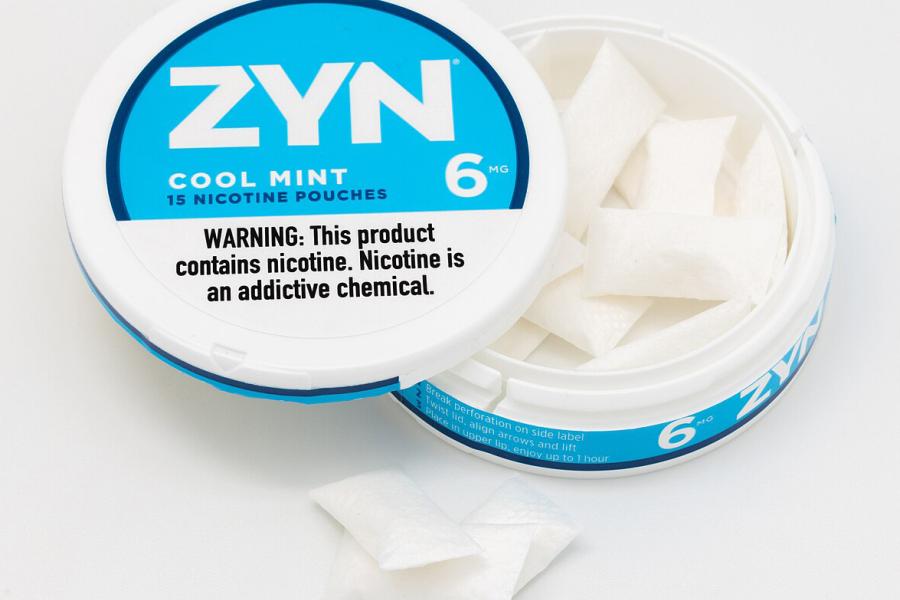
When a consumer interacts with a Zyn, the “feeling” begins long before the pouch is placed under the lip. It starts with the tactile experience of the packaging. The Zyn can is a masterclass in modern industrial design. It is circular, palm-sized, and features a minimalist color palette that denotes flavor and strength through clean typography and geometric accents.
The Ritual of the Click
One of the most distinctive brand “feelings” associated with Zyn is the auditory and tactile feedback of the child-resistant lid. The specific resistance and the “click” when the lid is engaged or disengaged serve as a ritualistic entry point. In brand psychology, these small physical interactions create a sense of familiarity and safety. It feels more like opening a premium tech accessory or a high-end container of mints than a tobacco product. This deliberate distancing from traditional tobacco tins—which often feature rugged textures and dark, earthy colors—is a core pillar of Zyn’s brand strategy.
Flavor Engineering as Identity
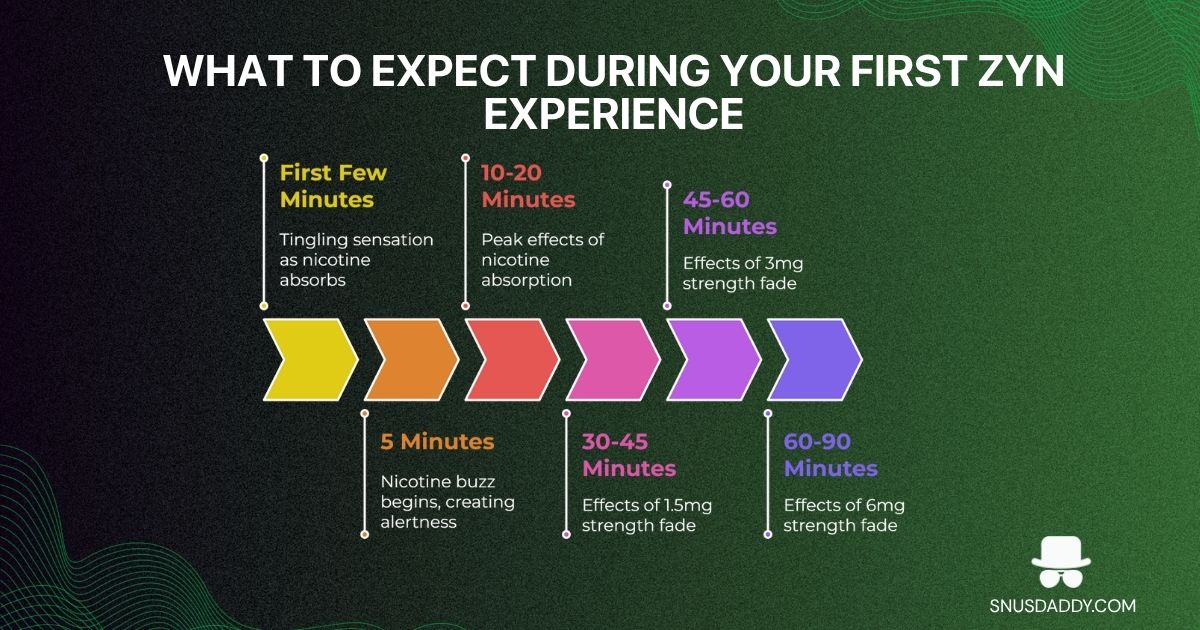
The physical sensation—often described as a “tingle” or a “burn” during the initial minutes of use—is marketed not as an irritation, but as a confirmation of efficacy. This sensation is paired with a flavor profile that avoids the heavy, syrupy notes of traditional chewing tobacco. Instead, flavors like “Cool Mint,” “Coffee,” and “Citrus” are designed to feel crisp and refreshing. This sensory experience is vital to the brand’s identity; it feels “cold” and “sharp,” aligning with the brand’s positioning as a tool for focus and mental clarity rather than a habit of relaxation or lethargy.
The Lifestyle Pivot: How Zyn Rebranded Nicotine
The true “feeling” of Zyn lies in the lifestyle it projects. For a long time, the nicotine industry was bifurcated between the rugged, outdoor imagery of cigarettes and the blue-collar, athletic associations of dipping tobacco. Zyn carved out a third way: the “Nicotine Pouch Lifestyle,” which feels decidedly white-collar, tech-adjacent, and urban.
Moving Away from Tobacco Stigma
The primary brand achievement of Zyn is the feeling of cleanliness. By eliminating smoke, spit, and odor, the brand removed the social barriers to entry. To use a Zyn “feels” like using a productivity hack. It is often branded alongside images of sleek office environments, high-performance gym sessions, and golf courses. The brand message is clear: you can have your nicotine without compromising your social standing or your aesthetic environment. This “clean nicotine” category is a deliberate pivot away from the “dirty” associations of the past.
The Minimalism of Discrete Consumption
There is a specific feeling of empowerment that comes with discretion. Zyn’s branding emphasizes that the product can be used anywhere—in a boardroom, on an airplane, or at a social gathering—without anyone noticing. This invisibility is a key selling point. It creates a feeling of being “in the know” or possessing a secret edge. This strategic invisibility has allowed Zyn to penetrate market segments that would never have considered traditional tobacco, specifically targeting the “optimization” culture prevalent in Silicon Valley and Wall Street.
Viral Growth and the “Zynfluencer” Economy
The growth of Zyn cannot be discussed without mentioning its organic explosion on social media. The “feeling” of the brand is now deeply intertwined with internet subcultures. What started as a niche product in Sweden has become a status symbol in American digital spaces, largely through the emergence of “Zynfluencers.”
Leveraging Organic Social Proof
Unlike traditional advertising, which is often met with skepticism, the “Zyn feel” was propagated through memes and casual mentions by high-profile podcasters and internet personalities. This created a sense of community. To hold a can of Zyn is to signal membership in a specific digital tribe. The brand didn’t have to manufacture a sense of “cool”; it allowed its users to do it for them. This organic social proof creates a feeling of authenticity that paid advertisements rarely achieve.
Creating a Shared Lexicon
The brand has inspired a unique vocabulary among its fans—terms like “upper decky lip pillows” or “Zynnamon.” This linguistic playfulness makes the brand feel approachable and fun. It transforms a commodity product into a cultural artifact. For the user, using the product feels like participating in an ongoing inside joke. This level of brand engagement is the holy grail of marketing, as it creates a deep emotional moat around the product that competitors find difficult to breach.
Market Positioning: The Psychology of the “Upper”
In the broader market, Zyn has positioned itself not just as a nicotine replacement therapy, but as a cognitive enhancer. The feeling of the brand is closely tied to the psychology of the “upper”—a product that helps the user perform better, work longer, and stay sharper.
Competition with Big Tobacco and Big Tech
Zyn competes for “share of mind” as much as it competes for “share of wallet.” Its brand strategy mirrors that of energy drinks or nootropics. By focusing on the stimulating effects of nicotine, the brand has aligned itself with the “hustle culture” of the 2020s. It doesn’t feel like a vice; it feels like a tool. This shift in positioning has allowed the brand to capture a significant portion of the “energy” market, appealing to individuals who might otherwise reach for an extra espresso or a high-caffeine beverage.
The “Premium” Factor
From a financial perspective, Zyn’s brand strategy justifies a premium price point compared to generic or lesser-known pouch brands. The brand feels “premium” because of its consistent quality, its ubiquity, and its high-end associations. This perception of quality is maintained through rigorous brand standards and a tightly controlled supply chain, ensuring that every can of Zyn “feels” exactly the same, regardless of where in the world it is purchased.
The Resilience of Brand Loyalty in a Saturated Market
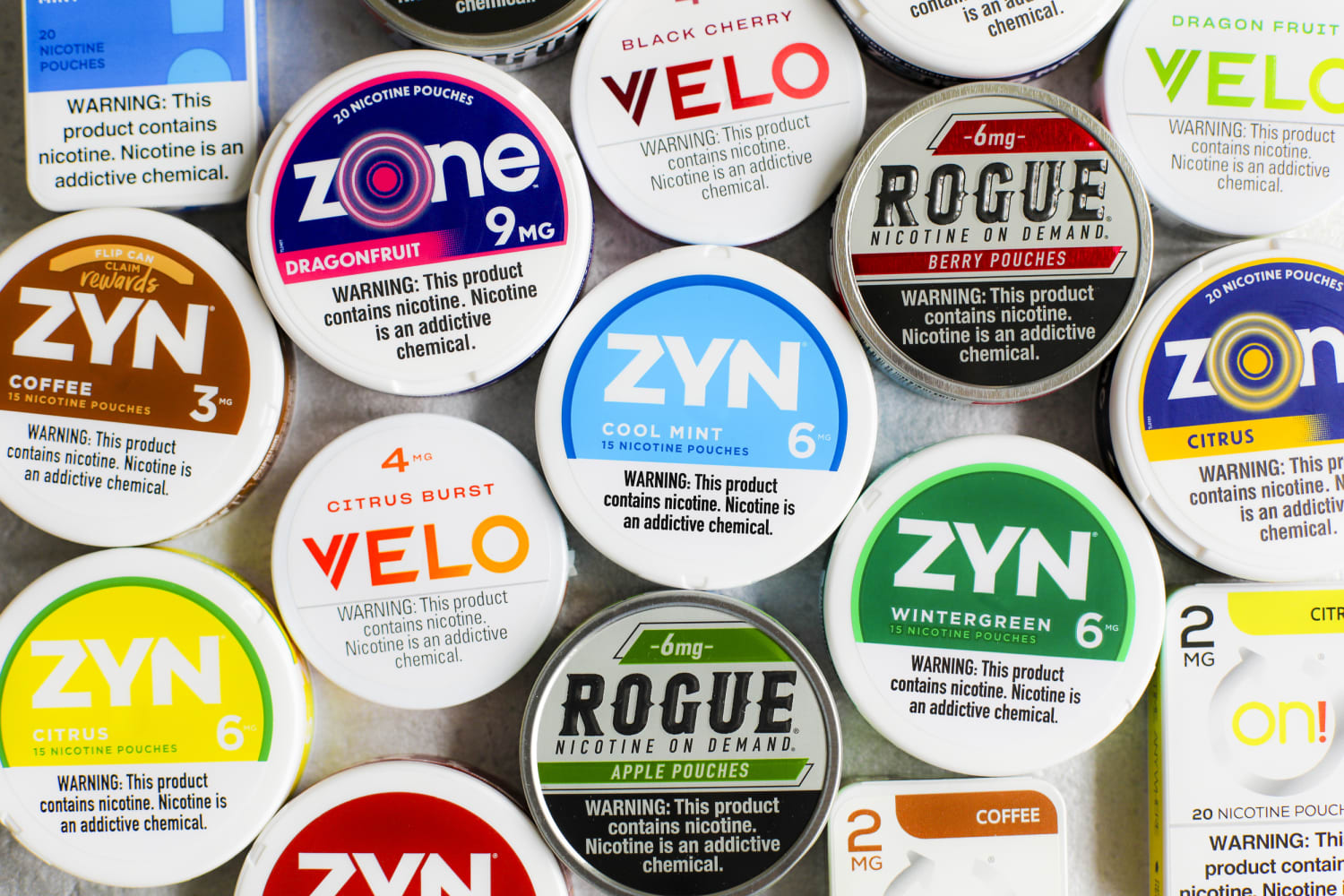
As the nicotine pouch market becomes increasingly crowded with competitors like On!, Rogue, and Velo, the question of what a Zyn “feels” like becomes even more critical for its survival. Brand loyalty in this space is driven by the emotional and sensory consistency that Zyn has mastered.
The Power of Heritage and Pioneer Status
As the pioneer of the pouch category in the United States, Zyn enjoys “first-mover” advantage. To many users, Zyn is the category. Using a competitor’s product often feels like using an “off-brand” version, regardless of the actual quality. This is the power of brand equity. The feeling of reliability—knowing exactly what the flavor, strength, and duration will be—creates a cognitive ease for the consumer. In a world of infinite choices, Zyn feels like the “safe” and “correct” choice.
Future-Proofing the Identity
To maintain its dominance, Zyn continues to evolve its brand identity to stay ahead of regulatory and social shifts. The brand is increasingly focusing on transparency and its “smoke-free future” narrative. This corporate identity shift makes the consumer feel that they are part of a positive evolution in public health, moving away from combustible tobacco. This sense of progress and responsibility is the final layer of the Zyn experience.
In conclusion, “what a Zyn feels like” is a sophisticated blend of physical stimulation, aesthetic minimalism, and cultural belonging. It is a brand that has successfully navigated the transition from a controversial substance to a lifestyle accessory for the modern age. By focusing on the “feeling” of cleanliness, efficiency, and community, Zyn has built a brand fortress that transcends the physical product itself, defining a new era of consumer behavior in the nicotine industry.
aViewFromTheCave is a participant in the Amazon Services LLC Associates Program, an affiliate advertising program designed to provide a means for sites to earn advertising fees by advertising and linking to Amazon.com. Amazon, the Amazon logo, AmazonSupply, and the AmazonSupply logo are trademarks of Amazon.com, Inc. or its affiliates. As an Amazon Associate we earn affiliate commissions from qualifying purchases.