
In the high-stakes landscape of global entertainment, a personal brand is more than just a name; it is a complex asset comprised of public perception, historical performance, and emotional resonance. Few narratives in the realm of personal branding are as illustrative or as dramatic as that of Hayden Christensen. Once the face of one of the most polarizing eras in cinematic history, Christensen’s career trajectory offers a profound masterclass in brand fragmentation, strategic withdrawal, and the eventual, triumphant reclamation of a legacy through the mechanics of nostalgia marketing.
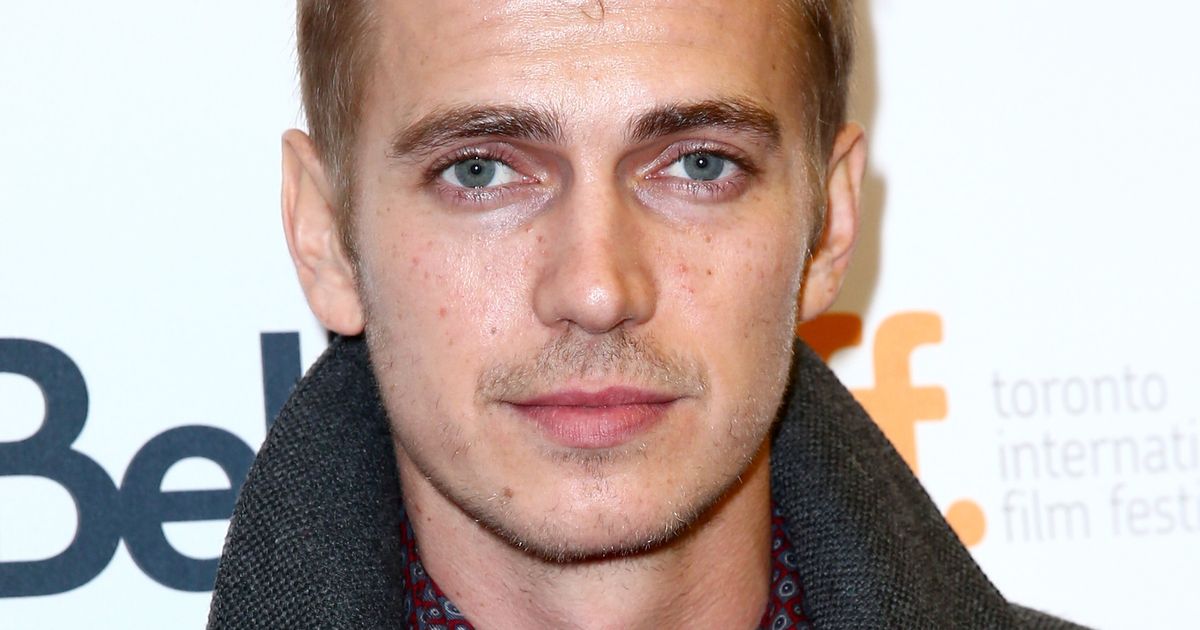
To understand what happened to Hayden Christensen is to understand the lifecycle of a brand that was forced to pivot from a state of total market rejection to becoming a cornerstone of a multi-billion-dollar franchise’s modern identity. His journey serves as a blueprint for brand strategists and personal branding experts on how to navigate crisis, manage long-term equity, and capitalize on shifting audience demographics.
The Launch and Fragmentation of a Global Identity
The brand story of Hayden Christensen began with an unprecedented level of “brand awareness.” In the early 2000s, Christensen was selected from thousands of candidates to portray Anakin Skywalker in the Star Wars prequel trilogy. In branding terms, this was the ultimate high-risk, high-reward partnership. He was inheriting a legacy brand with a global footprint, a built-in customer base, and expectations that were arguably impossible to meet.
The Challenge of Inherited Brand Equity
When a personal brand is subsumed by a massive corporate entity—in this case, Lucasfilm—the individual often loses control over their own narrative. Christensen’s brand became synonymous with the specific stylistic choices of the prequels: the stylized dialogue, the heavy reliance on green-screen technology, and a narrative arc that required him to portray a character in a state of constant emotional volatility.
For the audiences of the early 2000s, the “product” did not meet the “brand promise.” Long-time consumers of Star Wars had a fixed idea of what Darth Vader’s origin should look like. When the reality diverged from that expectation, the brand backlash was directed squarely at the most visible element of the production: the lead actor. Christensen’s brand equity plummeted as he became the face of a perceived creative failure, leading to a period of intense market saturation followed by a sharp decline in professional demand.
The Impact of Critical Narrative
In personal branding, the narrative is often controlled by third-party gatekeepers—critics, journalists, and media outlets. During the mid-2000s, the media narrative around Christensen was overwhelmingly negative. This “brand poisoning” made it difficult for him to transition into other high-profile roles. While he attempted to diversify his portfolio with films like Shattered Glass and Jumper, the shadow of the Anakin Skywalker brand was too dominant. He faced the classic branding dilemma: how do you reinvent yourself when your primary identity is both your greatest asset and your greatest liability?
The Strategic Hiatus: Preserving Equity Through Scarcity
One of the most overlooked aspects of brand management is the power of withdrawal. When a brand is suffering from negative sentiment or overexposure, the most effective strategy is often to retreat from the market to allow the narrative to cool. This is exactly what Hayden Christensen did.
The Pivot to “Quiet” Branding
Following the conclusion of the prequel trilogy, Christensen largely stepped away from the Hollywood machine. He purchased a farm in Ontario, Canada, and focused on personal interests and family life. From a brand strategy perspective, this was a move toward “scarcity.” By removing himself from the public eye, he effectively halted the ongoing cycle of criticism.
This period of silence allowed the “Christensen brand” to decouple from the immediate noise of the Star Wars discourse. In the absence of new, potentially polarizing content, the public’s perception began to settle. He was no longer the “actor currently ruining Star Wars”; he became a nostalgic figure of a specific era. This transition from “active target” to “legacy figure” is a critical phase in the long-term recovery of a personal brand.
Managing the Lifecycle of a Niche Brand
During his semi-retirement, Christensen did not abandon his craft entirely, but he moved into “niche markets.” He took on smaller, independent roles that did not carry the weight of a global franchise. This allowed him to maintain his “product quality” (his acting skills) without the “brand pressure” of a blockbuster. This strategy is akin to a luxury brand releasing limited-edition, low-key collections to maintain prestige while avoiding the pitfalls of mass-market fatigue.

The Rebranding of the Prequels: Demographic Shifts as a Catalyst
Brands do not exist in a vacuum; they exist in relation to their audience. The most significant factor in “what happened” to Hayden Christensen wasn’t a change in the actor himself, but a massive shift in the market demographic.
The Rise of the “Nostalgia Consumer”
The children who watched the prequels in the early 2000s grew up to become the primary consumers and tastemakers of the 2020s. For this demographic—primarily Millennials and Gen Z—Christensen wasn’t the man who “ruined” Darth Vader; he was the definitive version of the character. The brand that was once viewed as flawed was now viewed through the lens of childhood nostalgia.
This shift represents a “market re-evaluation.” As this generation gained a voice on social media, the narrative around the prequels underwent a radical rebranding. Memes, video essays, and social media discourse transformed the once-mocked dialogue into beloved cultural touchstones. Christensen’s personal brand was the primary beneficiary of this organic grassroots movement.
The Power of Authenticity and Humility
Throughout this period of re-evaluation, Christensen maintained a consistent brand persona: humble, grateful, and largely disconnected from the bitterness of his earlier critics. In personal branding, authenticity is a high-value currency. By not lashing out at critics or distancing himself from the role that made him famous, he built a “reserve of goodwill” that would prove invaluable during his eventual return to the spotlight.
The Return to Disney+: A Masterclass in Re-Entry
The final stage of the Hayden Christensen brand evolution occurred with his official return to the Star Wars universe in Obi-Wan Kenobi and Ahsoka. This was not merely a casting choice; it was a high-level marketing maneuver by Disney to leverage nostalgic brand equity.
Leveraging Emotional Resonance
Disney’s strategy for Christensen’s return was built on “emotional payoff.” The marketing campaigns focused heavily on his reunion with Ewan McGregor, tapping into the deep-seated emotional connection the audience had with their onscreen partnership. This is a classic example of “co-branding,” where two legacy assets are brought together to create a product that is greater than the sum of its parts.
The reception was a complete reversal of the early 2000s. Christensen was greeted with standing ovations at fan conventions and universal acclaim for his performances. This successful re-entry proved that with the right timing and the right market conditions, a brand can overcome even the most severe period of devaluation.
The “Redemption Arc” as a Brand Narrative
Every great brand needs a story, and the “redemption arc” is one of the most powerful narratives in the human experience. By leaning into his history with the franchise—the highs, the lows, and the long absence—Christensen and Disney crafted a story that fans wanted to be a part of. He was no longer just an actor playing a role; he was a returning hero reclaiming his place in a legacy. This narrative added a layer of depth and maturity to his personal brand that was missing during his initial rise to fame.

Lessons for Personal Branding and Strategy
The evolution of Hayden Christensen’s career offers several key takeaways for brand managers and individuals looking to build a resilient personal identity.
- Brand Sentiment is Fluid: Market perception can and will change over time. What is considered a “failure” today may become a “cult classic” or a “nostalgic masterpiece” twenty years from now. Long-term brand strategy requires the patience to wait for the market to catch up to the product.
- The Value of Strategic Scarcity: In an era of constant connectivity, knowing when to disappear is a vital skill. Withdrawal can prevent brand dilution and allow for a natural reset of public opinion.
- Target the Right Demographic: A brand that fails with one audience may find massive success with another. Understanding the lifecycle of your audience is essential for maintaining relevance.
- Own the Legacy: Christensen’s eventual success came from embracing his past rather than running from it. Authentic engagement with one’s history is the most effective way to build a sustainable and respected personal brand.
In conclusion, “what happened” to Hayden Christensen is a story of strategic patience and the inevitable cycle of cultural re-evaluation. He successfully navigated the transition from a maligned industry newcomer to a venerated icon of a global franchise. His journey serves as a powerful reminder that in the world of branding, no narrative is truly final, and the most resilient brands are those that can endure the fire of criticism to emerge as the centerpieces of a new era.
aViewFromTheCave is a participant in the Amazon Services LLC Associates Program, an affiliate advertising program designed to provide a means for sites to earn advertising fees by advertising and linking to Amazon.com. Amazon, the Amazon logo, AmazonSupply, and the AmazonSupply logo are trademarks of Amazon.com, Inc. or its affiliates. As an Amazon Associate we earn affiliate commissions from qualifying purchases.