
In the evolving landscape of modern craftsmanship, the intersection of traditional woodworking and precision engineering has birthed a variety of specialized power tools designed to increase efficiency and accuracy. Among the most vital gadgets in a contemporary workshop is the biscuit joiner—often referred to as a plate joiner. This specialized tool has revolutionized how furniture is assembled, shifting the focus from labor-intensive manual joinery to a high-speed, tech-driven process that ensures structural integrity and perfect alignment.
A biscuit joiner is a handheld power tool used to join two pieces of wood together without the need for visible nails or screws. It utilizes a small, circular saw blade to cut a crescent-shaped slot (the “mouth”) in the opposite faces of two wood panels. A small, oval-shaped, highly compressed wooden disc—known as a biscuit—is then glued and inserted into the slots. When the glue reacts with the biscuit, the wood expands, creating a tight, permanent mechanical bond. For the modern maker, understanding the mechanics, engineering, and application of this tool is essential for mastering the “Tech” of the workshop.
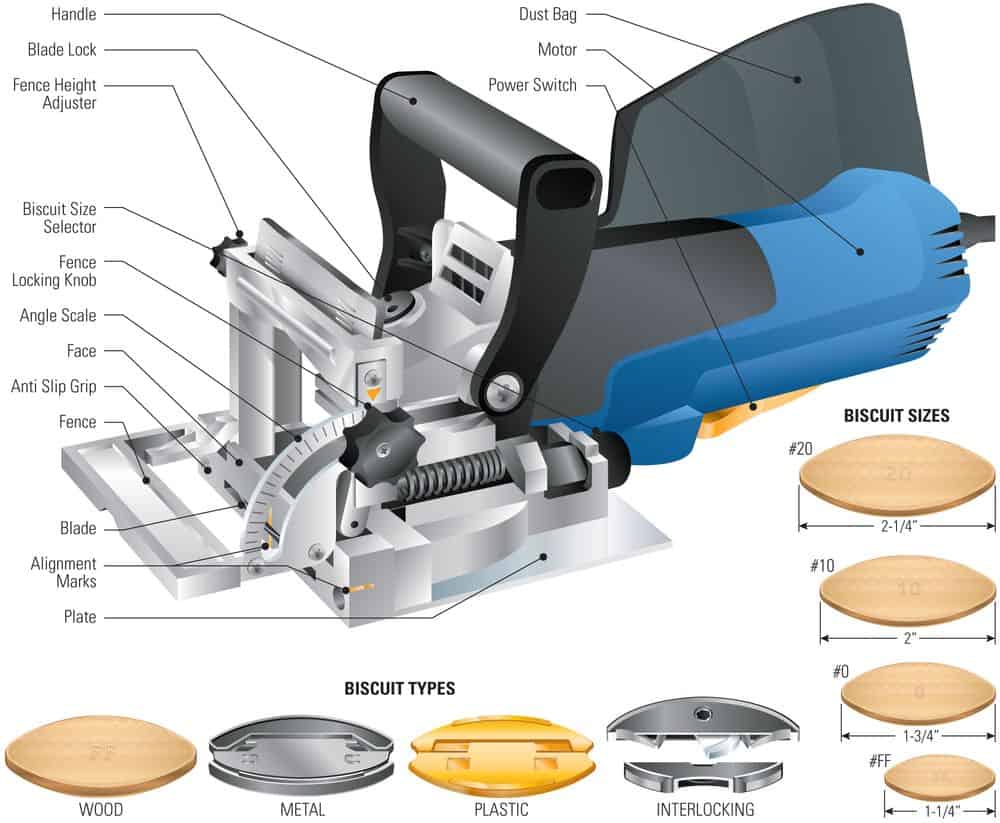
Engineering and Anatomy: How the Biscuit Joiner Functions
The biscuit joiner is a masterpiece of ergonomic engineering. Unlike a standard circular saw or a router, the biscuit joiner is designed for a singular, plunging motion. Its internal components are calibrated to ensure that every cut is identical, which is critical for the alignment of large-scale surfaces like tabletops or cabinetry.
The Motor and Blade Assembly
At the heart of the device is a high-speed motor, typically ranging from 5 to 7 amps, capable of spinning a small 4-inch carbide-tipped blade at speeds exceeding 10,000 RPM. This high velocity is necessary to ensure a clean, burr-free cut in various wood densities, from soft pines to dense hardwoods like white oak or maple. The blade is retractable, housed within a spring-loaded base that only exposes the cutting edge when the user applies forward pressure against the workpiece.
The Adjustable Fence System
The most technically significant part of the biscuit joiner is its adjustable fence. This component determines the angle and height of the cut. Modern high-end joiners feature rack-and-pinion adjustment systems that allow for micro-adjustments. This ensures that the slot is carved at the exact center of the board’s thickness, or at specific offsets for decorative shelving. The fence can typically be tilted from 0 to 90 degrees, allowing for the creation of mitered joints—one of the most difficult joints to align perfectly without mechanical assistance.
Depth Stops and Presets
Technological convenience is furthered by the inclusion of depth-stop turrets. Most professional-grade biscuit joiners come with preset depth settings for the three standard biscuit sizes: #0, #10, and #20. By simply clicking a dial, the tool adjusts the maximum plunge depth of the blade, preventing the user from cutting through the face of the wood or creating a slot that is too shallow for the biscuit to seat properly.
The Physics of the Joint: Why Biscuits Work
The biscuit joinery system is more than just a mechanical fit; it is a chemical and physical reaction designed to maximize surface area contact for adhesives. To understand the “Tech” of the biscuit, one must look at the material science involved.
Compressed Wood Technology
Biscuits are not just scraps of wood; they are usually made of compressed beechwood that has been kiln-dried and pressed under immense pressure. This process serves two purposes. First, it makes the biscuit incredibly dense and strong. Second, it leaves the biscuit “thirsty.” When water-based wood glue is applied to the slot and the biscuit is inserted, the biscuit absorbs the moisture from the glue and expands within the slot. This expansion creates a “press-fit” that locks the two pieces of wood together even before the glue has fully cured.
Lateral Adjustment: The Hidden Advantage
One of the primary technological advantages of a biscuit joiner over other doweling or pocket-hole gadgets is the “lateral play.” The slots cut by the joiner are slightly wider than the biscuits themselves. This allows the woodworker a few millimeters of wiggle room to slide the boards back and forth into perfect alignment before the glue sets. In the world of high-precision assembly, this ability to fine-tune the alignment is a massive time-saver compared to the rigid constraints of traditional mortise-and-tenon joinery.
Structural Integrity and Load Distribution
While a biscuit joint is not as strong as a traditional hand-cut dovetail, it provides significant structural reinforcement for edge-to-edge glue ups. By increasing the surface area for the glue to bond and providing a physical “bridge” between the boards, it prevents the boards from shifting vertically over time due to seasonal humidity changes.
Navigating the Sizes: Standardized Tech in Joinery
The woodworking industry has standardized the “tech specs” for biscuits to ensure compatibility across different tool brands. Understanding these sizes is crucial for choosing the right tool for the job.
The Standard Trio: #0, #10, and #20
- Size #0: Measuring roughly 5/8 inch by 1 3/4 inches, these are designed for smaller frames or narrow stock. They are the go-to for picture frames or thin trim work where a larger blade plunge would risk breaking through the edge.
- Size #10: The middle-ground option, measuring 3/4 inch by 2 1/8 inches. These are ideal for medium-sized projects like small furniture legs or drawer fronts.
- Size #20: The industry standard for heavy-duty applications. Measuring 1 inch by 2 3/8 inches, size 20 biscuits provide the maximum surface area and are used for large tabletops, cabinet carcasses, and structural panels.
Specialized “Face Frame” Biscuits
Some high-tech joiners, such as those produced by Lamello (the original inventors of the tool), offer specialized settings for even smaller biscuits designed specifically for face-frame cabinetry. These require a smaller blade (usually 2 inches) and are a testament to the niche engineering available in professional-grade shop tech.
Biscuit Joiners in the Modern Tech Workshop
As workshops become smarter and more integrated, the biscuit joiner has evolved to keep pace with modern demands. Today’s tools are not just about cutting slots; they are about integration into a larger ecosystem of dust management and cordless freedom.
Cordless Innovation
The shift toward lithium-ion battery technology has reached the biscuit joiner. Historically, these tools required high-torque corded power to maintain blade speed. However, modern brushless motors and high-output batteries allow woodworkers to use these tools on job sites or in large workshops without being tethered to an outlet. This mobility is a game-changer for installing large-scale built-in cabinetry where on-site adjustments are mandatory.
Dust Extraction and Clean Environments
Precision gadgets require clean environments to maintain accuracy. Most modern biscuit joiners feature highly efficient dust ports that can be connected to HEPA-certified vacuum systems. Because the tool creates a significant amount of fine sawdust within a confined slot, efficient extraction is not just about cleanliness—it’s about tool longevity. If the slot is filled with dust, the biscuit won’t seat properly, and the blade may overheat.
Ergonomics and User Interface
The “UI” of a power tool is its handle and switch configuration. Professional models now feature “barrel-grip” or “D-handle” designs that provide better center-of-gravity control. This minimizes user fatigue and increases the accuracy of the plunge, ensuring the blade doesn’t “walk” or vibrate during the cut, which would result in a loose and weak joint.
Choosing Your Tool: A Buyer’s Guide to High-Tech Plate Joiners
When selecting a biscuit joiner, one must look past the brand name and evaluate the technical specifications that will impact the quality of work.
Precision of the Fence
The most common failure point in budget-friendly joiners is a “sloppy” fence. If the fence has even a fraction of a millimeter of play, the slots on the two connecting boards will not line up, resulting in a “step” in the wood surface that requires hours of sanding to correct. Look for tools with cast aluminum fences and positive stops at 0, 45, and 90 degrees.
Quality of the Blade
While blades can be replaced, the factory-installed blade tells you a lot about the tool’s intent. A high-quality, 6-tooth carbide blade is the standard for tech-focused tools. It should produce a “flat-bottomed” kerf. Some cheaper alternatives produce a slightly rounded cut, which reduces the surface area contact with the biscuit and weakens the joint.

Comparison with Alternative Technologies
It is also worth noting how the biscuit joiner stands up against its primary competitor: the Domino joiner. While the Domino joiner (a patented technology by Festool) creates a deeper, mortise-like hole for a floating tenon, the biscuit joiner remains the preferred tech for alignment and edge-gluing due to its speed and cost-effectiveness. For many shops, the biscuit joiner is the more versatile “daily driver” gadget, while the Domino is reserved for heavy structural timber work.
The biscuit joiner represents a perfect marriage of mechanical simplicity and engineering precision. It is an essential gadget for anyone looking to elevate their woodworking from hobbyist “DIY” to professional-grade manufacturing. By understanding the physics of the biscuit, the mechanics of the plunge, and the importance of fence accuracy, one can leverage this tool to create seamless, durable, and beautiful projects that stand the test of time. In the modern workshop, the biscuit joiner isn’t just a luxury—it’s a fundamental component of the digital-age craftsman’s toolkit.
aViewFromTheCave is a participant in the Amazon Services LLC Associates Program, an affiliate advertising program designed to provide a means for sites to earn advertising fees by advertising and linking to Amazon.com. Amazon, the Amazon logo, AmazonSupply, and the AmazonSupply logo are trademarks of Amazon.com, Inc. or its affiliates. As an Amazon Associate we earn affiliate commissions from qualifying purchases.