
The question “What does a Puerto Rican look like?” is rarely a simple inquiry into genetics. In the world of marketing, media, and corporate identity, it is a question of “brand.” For decades, the visual representation of Puerto Rican identity was filtered through a narrow lens of stereotypes—a monolithic aesthetic designed for external consumption. However, as the global marketplace shifts toward authenticity and hyper-localization, the “brand” of Puerto Rico is undergoing a radical transformation.
Understanding the visual identity of Puerto Ricans requires a deep dive into how history, migration, and strategic marketing converge. Today, the Puerto Rican image is no longer a static archetype; it is a dynamic, multi-faceted brand that challenges traditional notions of racial and cultural markers.

1. The Myth of the Monolith: Deconstructing the Visual Archetype
In the early days of mass media, the “Puerto Rican brand” was largely defined by outsiders. This resulted in a visual shorthand—a monolithic look that prioritized certain features while erasing the archipelago’s true diversity. To understand where the brand is going, we must first analyze the archetypes that previously defined it.
The Hollywood “West Side Story” Influence
For much of the 20th century, the visual identity of Puerto Ricans in the American imagination was cemented by cinema. The aesthetic was often reduced to a specific shade of tan, flashy attire, and urban grit. This was a “borrowed brand,” where the visual cues were often dictated by casting directors rather than the community itself. From a brand strategy perspective, this created a limited “market expectation” that real Puerto Ricans often struggled to fit into.
The Erasing of Afro-Boricua and Taíno Identities
A significant failure of early branding was the exclusion of the extremes of the Puerto Rican spectrum. The “brand” often ignored the deeply rooted African heritage (Afro-Boricuas) and the lingering indigenous Taíno features. By forcing a diverse population into a “mid-tone” Spanish-style aesthetic, marketers missed the opportunity to celebrate the “Gran Mulataje”—the great blending. Modern brand strategists now recognize that authenticity lies in this spectrum, not in a single, homogenized image.
Challenging the “Urban Only” Narrative
Another branding pitfall has been the visual confinement of Puerto Ricans to specific urban environments, such as New York or San Juan. The “look” was often synonymous with a specific street-style aesthetic. While this remains a vital part of the identity, current brand narratives are expanding to include the “Jíbaro” (rural/mountain) aesthetic and the corporate professional, showcasing that the “look” is as much about lifestyle and values as it is about physical features.
2. Strategic Representation in Global Marketing
As Puerto Rico has become a global cultural powerhouse—particularly in music and tourism—the way brands use Puerto Rican imagery has evolved from caricature to high-value cultural capital. This shift represents a sophisticated understanding of “identity branding.”
The “Discover Puerto Rico” Rebrand
One of the most successful examples of cultural branding is the work of “Discover Puerto Rico,” the island’s Destination Marketing Organization (DMO). They moved away from stock photos of generic beaches and instead focused on the people. Their campaigns highlight the diverse faces of the island, from the artisans in the mountains to the surfers in Rincón. This strategy recognizes that the “look” of the island is its most valuable asset—an authentic, un-airbrushed human connection that travelers crave.
The Reggaeton Effect on Visual Identity
The global dominance of urban music (Reggaeton and Latin Trap) has redefined the Puerto Rican brand for Gen Z and Millennials. Artists like Bad Bunny have become global ambassadors of a new Puerto Rican aesthetic that blends high fashion, gender-fluidity, and traditional Caribbean motifs. This is not just music; it is a masterclass in personal branding. The “look” here is bold, unapologetic, and highly influential, proving that a cultural brand can dictate global trends rather than just following them.

Corporate Responsibility and Inclusive Casting
Global brands like Nike, Coca-Cola, and L’Oréal have begun to realize that “Puerto Rican” is not a race, but an ethnicity. In their advertising campaigns, we now see a broader range of skin tones, hair textures, and ages. This shift toward inclusive casting is a strategic move to build brand loyalty within the Puerto Rican diaspora (over 5 million people in the U.S. alone). By acknowledging the true diversity of “what a Puerto Rican looks like,” these brands avoid the “uncanny valley” of stereotypical marketing and achieve genuine resonance.
3. The Rise of Personal Branding in the Puerto Rican Diaspora
The digital age has shifted the power of branding from corporations to individuals. Through social media, the Puerto Rican diaspora is reclaiming the narrative of their own visual identity, creating a decentralized but powerful “Personal Brand” movement.
The “Nuyorican” and Stateside Aesthetic
The visual identity of Puerto Ricans living in the continental United States—often referred to as Nuyoricans or Chicago-Ricans—carries its own distinct brand markers. This aesthetic often blends traditional Puerto Rican symbols (the flag, the coquí) with American streetwear. On platforms like Instagram and TikTok, creators are using these visual cues to signal a “third space” identity—not fully “from here” and not fully “from there.” This unique branding resonates with millions of second- and third-generation Puerto Ricans who are defining their own “look.”
Digital Content Creators as Cultural Curators
From beauty influencers showcasing how to style curly “Boricua” hair to tech entrepreneurs highlighting the “Silicon Island” movement, Puerto Rican content creators are the new brand managers of the culture. They are moving the needle away from “what we look like” to “who we are and what we do.” By diversifying the content, they are diversifying the visual expectations. A Puerto Rican looks like a coder in a hoodie; a Puerto Rican looks like a grandmother in a floral dress; a Puerto Rican looks like a queer activist at a rally.
The Flag as a Universal Brand Mark
No discussion of Puerto Rican branding is complete without the flag. It is perhaps one of the most recognizable “brand logos” in the world. Whether it is the traditional red, white, and blue or the black-and-white “resistance flag,” the icon is a visual shortcut for the entire Puerto Rican brand. In personal branding, the flag serves as a mark of quality, resilience, and pride, instantly communicating a set of values to a global audience.
4. Designing Authenticity: Visual Cues and Cultural Symbols
In professional branding and design, the “Puerto Rican look” is often conveyed through specific visual cues that go beyond physical features. These elements work together to create a cohesive brand identity that feels authentically Puerto Rican.
Color Palettes and Natural Imagery
The color palette of the Puerto Rican brand is deeply tied to the island’s geography. The vibrant blues of the ocean, the lush greens of El Yunque rainforest, and the pastel hues of Old San Juan’s architecture are frequently used in brand design to evoke the spirit of the people. When a brand uses these colors, they are tapping into the visual “look” of the island without needing to show a single face.
Typography and Graphic Design Heritage
There is a rich history of graphic arts in Puerto Rico, particularly in poster design (e.g., the work of the DIVEDCO). This heritage influences modern branding by incorporating bold typography, woodcut-style illustrations, and vibrant, contrasting colors. For a brand to “look” Puerto Rican, it often employs these artisanal, hand-crafted elements that reflect the island’s history of resistance and creativity.
The Ethics of Identity Branding
As marketers and brand strategists, we must approach the “Puerto Rican look” with ethical considerations. There is a fine line between cultural appreciation and “brownwashing” (the practice of using diverse faces to appear progressive without actually supporting those communities). Authentic branding requires a deep understanding of the nuances within the community. It means recognizing that a Puerto Rican might be blonde with blue eyes or have deep-melanated skin and 4C hair. The “look” is a tapestry, not a single thread.
Conclusion: The Future of the Puerto Rican Brand
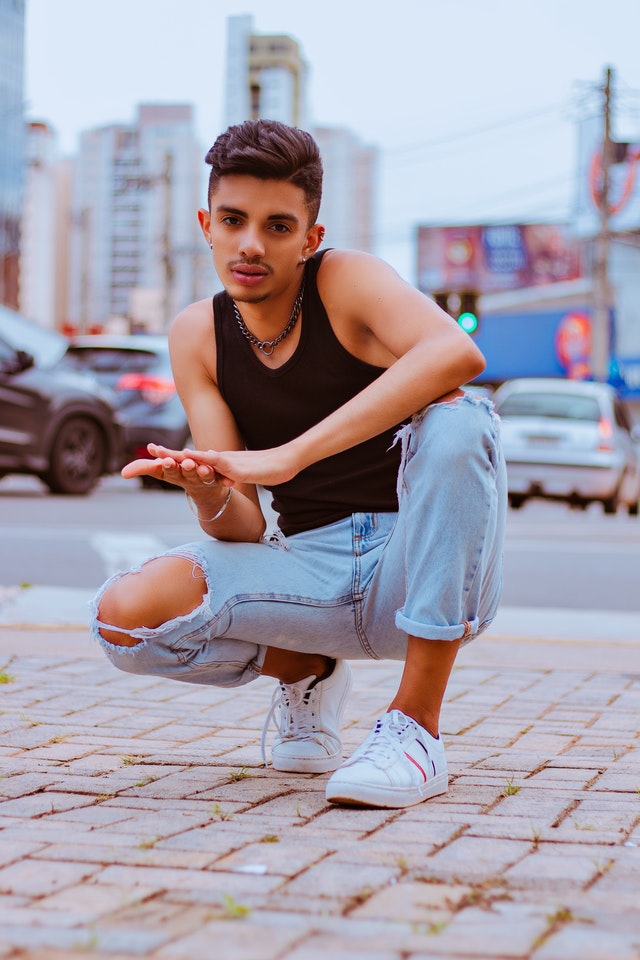
So, what does a Puerto Rican look like? In the context of modern brand strategy, a Puerto Rican looks like everything. The island’s greatest strength is its refusal to be categorized. As the world moves toward a more nuanced understanding of identity, the Puerto Rican brand stands as a model for how a culture can maintain its distinctiveness while embracing its internal diversity.
For businesses and creators, the lesson is clear: don’t look for a single face to represent Puerto Rico. Instead, look for the spirit of the “Boricua” brand—a spirit of resilience, joy, and incredible diversity. When we stop trying to define the “look” and start celebrating the “essence,” we create brands that are not only visually stunning but also deeply authentic and enduringly successful. The Puerto Rican brand is no longer just a demographic; it is a global aesthetic and a powerful statement of multi-faceted identity.
aViewFromTheCave is a participant in the Amazon Services LLC Associates Program, an affiliate advertising program designed to provide a means for sites to earn advertising fees by advertising and linking to Amazon.com. Amazon, the Amazon logo, AmazonSupply, and the AmazonSupply logo are trademarks of Amazon.com, Inc. or its affiliates. As an Amazon Associate we earn affiliate commissions from qualifying purchases.