
Volkswagen’s GTI badge is more than just an acronym; it’s a symbol synonymous with sporty driving, accessible performance, and a heritage that has captivated automotive enthusiasts for decades. The “GTI” designation has become a cornerstone of Volkswagen’s identity, particularly within its performance-oriented Golf line. But what exactly does this revered emblem stand for, and how has it evolved to maintain its potent appeal? This exploration delves into the origins of the GTI acronym and its enduring significance within the brand’s marketing and design philosophy.
The Genesis of a Performance Icon: Unpacking the Acronym
The story of the GTI’s nomenclature is rooted in the desire to distinguish a sportier, more engaging version of Volkswagen’s popular Golf hatchback. This wasn’t just about adding a few horsepower; it was about creating a driving experience that resonated with a burgeoning segment of the market seeking spirited performance without the stratospheric price tag often associated with dedicated sports cars.

Gran Turismo Injection: The Original Meaning
At its core, “GTI” is an Italian acronym: “Gran Turismo Injection.” Let’s break down each component:
-
Gran Turismo: This Italian phrase translates directly to “Grand Tourer” or “Great Touring.” In automotive parlance, “Gran Turismo” has historically referred to high-performance cars designed for comfortable, long-distance driving at high speeds. These vehicles often possess a blend of power, luxury, and handling capabilities, making them ideal for traversing continents in style and comfort. While the original Golf GTI might not have possessed the overt luxury of traditional GT cars, it captured the spirit of the Gran Turismo – a capable, enjoyable machine for traversing distances with a sense of occasion. It implied a car that was not just a commuter but a vehicle that offered an elevated driving experience.
-
Injection: This refers to fuel injection. In the context of the original Golf GTI, introduced in 1975, fuel injection was a significant technological advancement. At a time when many mainstream cars still utilized carbureted engines, the adoption of fuel injection provided a more precise and efficient delivery of fuel to the engine. This resulted in several key benefits:
- Increased Power Output: Fuel injection systems could meter fuel more accurately, allowing for optimized air-fuel ratios across the engine’s operating range, thus unlocking greater power potential compared to carburetors.
- Improved Fuel Efficiency: Precise fuel delivery also meant less wastage, contributing to better fuel economy, a crucial consideration even for performance-oriented vehicles.
- Enhanced Responsiveness: The immediate and accurate fuel delivery from an injection system translated into a more responsive throttle, making the car feel more alive and eager to accelerate.
- Better Cold Start and Altitude Performance: Fuel injection systems are generally less affected by temperature and altitude changes than carburetors, leading to more consistent engine performance in varied conditions.
Therefore, “Gran Turismo Injection” was a concise and evocative descriptor for a car that offered enhanced performance (through fuel injection) and a more sophisticated, engaging driving experience (evoked by “Gran Turismo”). It signaled a departure from the utilitarian origins of the Golf and positioned it as a more dynamic and desirable machine.
The Evolution of the “GT” Philosophy
While the literal translation of “Gran Turismo Injection” remains its origin, the “GT” aspect of the GTI has arguably taken on a broader meaning within Volkswagen’s brand identity. It now encompasses a philosophy of delivering a balanced and accessible form of performance. This involves:
-
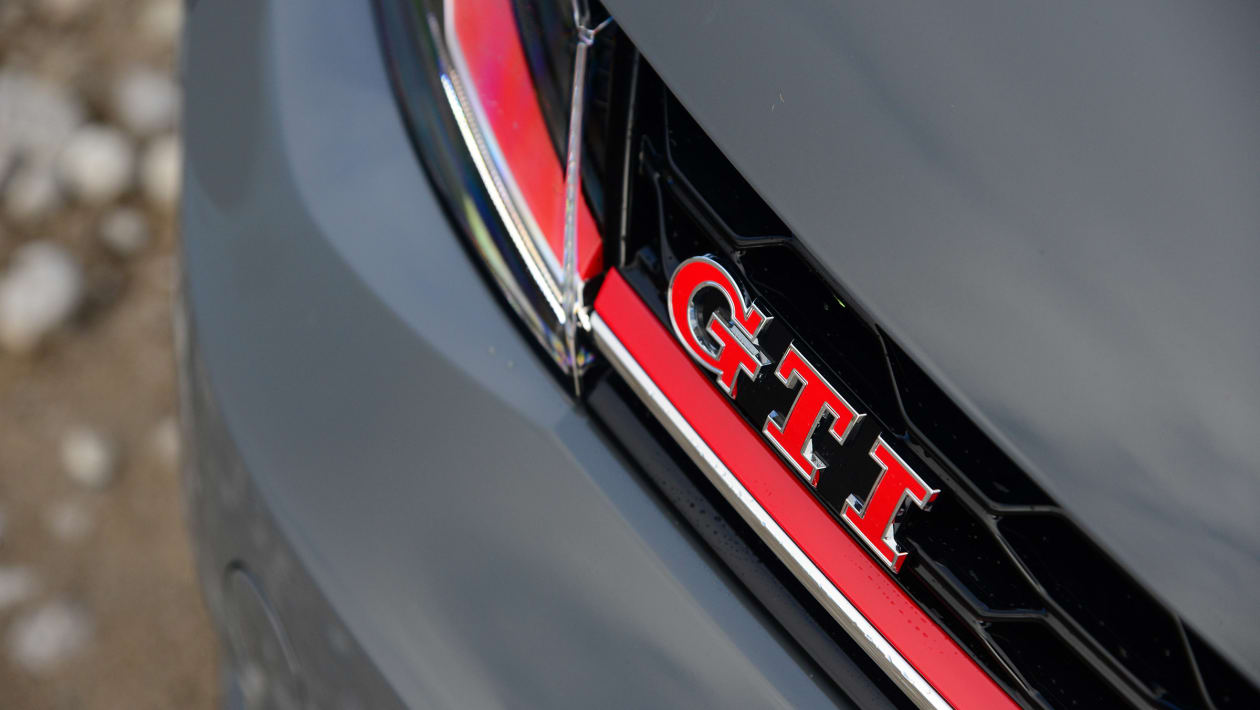
Sporty Aesthetics: GTI models consistently feature design cues that differentiate them from their standard Golf counterparts. These often include more aggressive front and rear bumpers, unique alloy wheels, a distinctive grille treatment (often featuring a red accent strip), and subtle aerodynamic enhancements. These visual cues signal the car’s performance intent.
-
Engaging Driving Dynamics: Beyond raw power, the GTI is renowned for its handling prowess. This is achieved through a meticulously tuned suspension system, precise steering, and responsive braking. The aim is to provide a car that feels agile, planted, and confidence-inspiring on winding roads, delivering a tactile connection between the driver and the tarmac.
-
Everyday Usability: A key differentiator for the GTI, setting it apart from many dedicated sports cars, is its inherent practicality. It retains the core attributes of the Golf – its hatchback versatility, comfortable interior, and suitability for daily commuting and family duties. This “hot hatch” formula, pioneered by the GTI, offers performance without significant compromise in everyday livability.
-
Accessible Performance: Historically, the GTI has occupied a sweet spot in the market, offering a significant step up in performance and driving engagement from mainstream hatchbacks, but at a price point that remains attainable for a broader audience than many higher-performance vehicles. This accessibility has been crucial to its enduring popularity.
The “GT” in GTI, therefore, has evolved to represent a holistic performance package: a car that is exciting to drive, visually appealing, practical for everyday life, and offers a compelling value proposition.
The GTI’s Place in Volkswagen’s Brand Strategy
The GTI isn’t merely a model within Volkswagen’s lineup; it’s a vital component of the brand’s overall strategy, contributing significantly to its image and market positioning. Its consistent presence and evolution have helped shape how consumers perceive Volkswagen, particularly its commitment to engineering and driving pleasure.
Building a Performance Pedigree: The GTI as a Brand Pillar
From its inception, the GTI was intended to be more than just a variant; it was a halo model designed to imbue the entire Golf range, and by extension, Volkswagen, with a sense of performance and desirability. This strategy has been remarkably successful:
- Elevating the Golf: The GTI transformed the Golf from a sensible, economy-focused car into a highly desirable performance machine. This success allowed Volkswagen to command higher prices for GTI models and, importantly, lent a desirable aura to the standard Golf as well, suggesting that the brand was capable of producing exciting vehicles.
-
Creating a Loyal Following: The GTI has cultivated a passionate and dedicated fanbase. Owners often develop a strong emotional connection with their cars, appreciating the blend of performance, practicality, and accessible price. This loyalty translates into repeat purchases and strong brand advocacy. Car clubs, online forums, and enthusiast events dedicated to the GTI are testament to this deep-seated affection.
-
A Benchmark for the Hot Hatch Segment: The original Golf GTI is widely credited with creating and defining the “hot hatch” segment. Its success inspired numerous other manufacturers to develop their own performance-oriented compact hatchbacks. The GTI has consistently set the benchmark for the segment, forcing competitors to innovate and improve.
-
Demonstrating Engineering Prowess: The GTI serves as a showcase for Volkswagen’s engineering capabilities. The continuous development of its engines, chassis, and technology in GTI models demonstrates the brand’s commitment to innovation and driving dynamics. This engineering credibility benefits the perception of Volkswagen’s entire product portfolio.
-
A Foundation for Further Performance Models: The success of the GTI paved the way for other performance-oriented Volkswagen models, such as the Golf R, and the broader application of performance-focused technologies across the brand. It established a clear pathway for performance enthusiasts within the Volkswagen ecosystem.
Marketing and Design: The GTI’s Enduring Aesthetic and Appeal
Volkswagen has consistently leveraged the GTI’s iconic status in its marketing and design efforts. The brand has understood that the GTI’s appeal is not just about technical specifications but also about an emotional connection and a recognizable visual identity.
-
Iconic Design Elements: Certain design elements have become synonymous with the GTI and are carried over or subtly evolved across generations. The red stripe across the grille, the honeycomb mesh grille pattern, the distinctive wheel designs, and the golf ball-inspired gear knob (in manual transmission models) are all recognizable cues that immediately identify a GTI. These elements create a sense of continuity and heritage, reinforcing brand recognition.
-
Performance-Oriented Storytelling: Volkswagen’s marketing campaigns for the GTI often focus on the driving experience. They emphasize agility, responsiveness, and the sheer joy of driving. This narrative resonates with enthusiasts who seek a car that is engaging and fun, distinguishing it from more comfort-oriented or purely utilitarian vehicles.
-
The “GTI” as a Synonym for Accessible Sportiness: Over time, the “GTI” badge has become almost a shorthand for a specific type of car: a sporty, yet practical, everyday performance vehicle. This brand equity allows Volkswagen to communicate a clear message about what the GTI represents without extensive explanation. Consumers understand that a GTI offers a certain level of performance, handling, and character.
-
Strategic Product Placement and Special Editions: Volkswagen strategically releases special editions and performance enhancements for the GTI, such as the GTI Clubsport or GTI TCR models. These variants cater to the most dedicated enthusiasts, further cementing the GTI’s performance image and generating excitement within the community. They also serve as testbeds for new technologies and performance upgrades that may eventually filter down to other models.
The GTI, therefore, has been meticulously cultivated as a brand pillar, a testament to Volkswagen’s ability to blend engineering excellence with aspirational marketing and enduring design. It’s a badge that signifies a rich history and a promise of exciting driving, a crucial element in Volkswagen’s broader brand narrative.
The GTI’s Impact on Volkswagen’s Market Perception
The GTI’s sustained success and iconic status have had a profound impact on how the automotive world perceives Volkswagen as a brand. It has shifted the perception from simply a manufacturer of reliable, practical cars to one that also excels in delivering performance and driving engagement.

Beyond the Badge: How GTI Influences Brand Image
The influence of the GTI extends far beyond the specific model it represents. It acts as a powerful ambassador for Volkswagen, subtly shaping the brand’s reputation across its entire product range.
-
Credibility in Performance Engineering: The GTI’s consistent delivery of an engaging driving experience has lent Volkswagen significant credibility in the realm of performance engineering. When consumers see the GTI badge, they associate it with competent chassis tuning, responsive powertrains, and a fun-to-drive character. This perception spills over to other Volkswagen models, suggesting that the brand possesses the underlying engineering expertise to imbue all its vehicles with a degree of driving refinement, even those not explicitly designated as performance variants.
-
Aspirational Appeal for Mainstream Models: The success of the GTI has created an aspirational halo effect for the standard Golf and other Volkswagen models. The knowledge that Volkswagen can produce such an exciting and capable car as the GTI suggests a higher level of engineering and development applied across the board. This can make more mainstream Volkswagen vehicles appear more desirable and better engineered in the eyes of potential buyers who may not be actively seeking a performance car but appreciate the underlying quality and driving feel that the brand has cultivated.
-
Differentiation in a Competitive Market: In a crowded automotive market, distinct brand identities are crucial for success. The GTI provides Volkswagen with a unique and instantly recognizable identifier that sets it apart from many competitors. While other manufacturers may offer sporty variants, few possess a performance badge with the same historical weight, widespread recognition, and dedicated following as the GTI. This distinctiveness helps Volkswagen cut through the noise and capture the attention of a specific, enthusiastic segment of the market, while also influencing the perception of the broader brand.
-
Attracting and Retaining Enthusiast Buyers: The GTI has been instrumental in attracting and retaining car enthusiasts to the Volkswagen brand. These buyers are often discerning and prioritize driving dynamics, build quality, and a certain intangible “feel” in their vehicles. The GTI consistently delivers on these fronts, fostering a sense of loyalty that can extend to other Volkswagen products and encouraging repeat business across generations of car ownership. This core group of enthusiasts acts as brand ambassadors, further reinforcing Volkswagen’s reputation for producing well-engineered and enjoyable-to-drive cars.
-
A Foundation for Future Performance Ventures: The legacy of the GTI provides a solid foundation for Volkswagen’s future performance ambitions. As the automotive landscape evolves with electrification and new technologies, the lessons learned and the brand equity built by the GTI can be leveraged. Volkswagen can confidently introduce new performance models, including electric performance vehicles, knowing that the GTI has established the brand as a serious player in the performance segment and has cultivated a customer base eager for exciting driving experiences.
In essence, the GTI has transcended its role as a mere acronym or model designation to become a potent symbol of Volkswagen’s engineering prowess, its commitment to driving pleasure, and its ability to create vehicles that are both practical and exhilarating. It has played an indispensable role in shaping Volkswagen’s identity in the global automotive market, solidifying its reputation as a brand that offers more than just transportation – it offers an engaging driving experience.
aViewFromTheCave is a participant in the Amazon Services LLC Associates Program, an affiliate advertising program designed to provide a means for sites to earn advertising fees by advertising and linking to Amazon.com. Amazon, the Amazon logo, AmazonSupply, and the AmazonSupply logo are trademarks of Amazon.com, Inc. or its affiliates. As an Amazon Associate we earn affiliate commissions from qualifying purchases.