
The question “What years were Gen Z?” might seem straightforward, a simple matter of demographic definition. However, for those immersed in the world of technology, understanding the precise birth years that define Generation Z is crucial. It’s not just about assigning labels; it’s about recognizing the formative experiences, digital landscapes, and technological evolutions that have shaped an entire cohort. Gen Z, often referred to as digital natives, grew up in an era of unprecedented technological advancement, and their birth years directly correlate with the widespread accessibility and integration of the internet, smartphones, and social media into daily life. This article delves into the defining years of Gen Z and explores the profound impact this technological immersion has had on their behaviors, expectations, and interactions within the digital realm.

The Defining Years: Pinpointing Generation Z
The exact birth years that encompass Generation Z are subject to some academic and demographic debate, but a generally accepted consensus has emerged. Understanding these parameters is the first step in appreciating the unique technological imprint of this generation.
Mid-to-Late 1990s to Early 2010s: The Digital Crucible
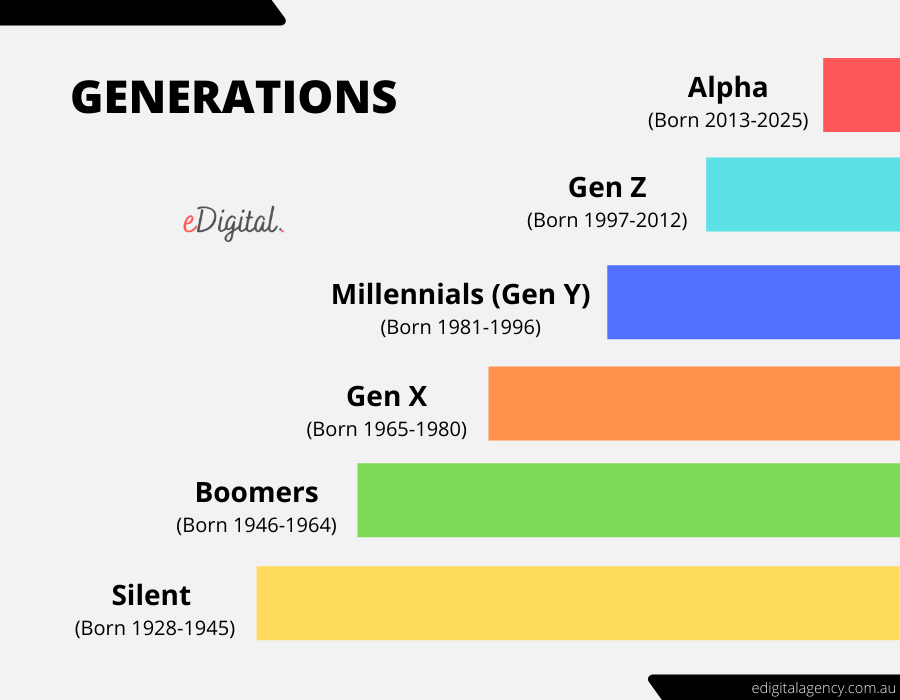
While precise cut-off dates can vary, the most commonly cited birth years for Generation Z range from the mid-to-late 1990s (often starting around 1997) to the early 2010s (typically ending around 2012). This window is significant because it aligns directly with the explosion of the internet into mainstream society and the subsequent proliferation of digital technologies.
- The Dawn of the Always-On Internet: For those born in the earlier part of this range, the internet was not a novelty but a growing utility. Dial-up connections slowly gave way to broadband, making online access more consistent and faster. This allowed for the early adoption of platforms like instant messaging, early social media sites, and online gaming.
- The Smartphone Revolution and Beyond: Those born in the latter half of the Gen Z spectrum, however, have known little else but a world where a powerful computing device, connected to the internet, is a constant companion. The advent of the iPhone in 2007 and the subsequent explosion of Android devices fundamentally reshaped how information is consumed, communication occurs, and entertainment is accessed. This cohort is truly the first generation to grow up with smartphones as an extension of themselves.
- The Ubiquity of Social Media: Platforms like MySpace, Facebook, and later Instagram, TikTok, and Snapchat, emerged and matured during the formative years of Gen Z. This generation learned to navigate online social dynamics, build digital identities, and consume and create content in ways that were unimaginable for previous generations. Their social lives, friendships, and even self-perception are deeply intertwined with their online presence.
The Impact of Early Technological Exposure
The period during which Gen Z came of age was characterized by rapid technological evolution. This environment fostered a unique set of skills, expectations, and aptitudes that set them apart.
- Intuitive Digital Fluency: Unlike previous generations who had to learn and adapt to new technologies, Gen Z often exhibits an innate understanding of digital interfaces and functionalities. They are adept at navigating complex software, troubleshooting minor tech issues, and quickly adopting new apps and platforms without extensive instruction. This “digital fluency” is not just about using technology, but about intuitively understanding its potential and limitations.
- Multitasking and Information Overload: Growing up with constant access to multiple devices and streams of information has fostered a remarkable ability for multitasking among Gen Z. They can seamlessly switch between different apps, platforms, and even forms of content, consuming and processing information at an accelerated pace. This also means they have a higher tolerance for, and are adept at filtering through, large volumes of information, often developing sophisticated methods for identifying what is relevant and trustworthy.
- Visual Communication and Content Creation: The rise of visual platforms like YouTube, Instagram, and TikTok has profoundly influenced how Gen Z communicates and expresses themselves. They are highly adept at creating and consuming short-form video content, memes, and visual storytelling. This preference for visual mediums extends to their consumption of information and their expectations of brands and digital services, which must be engaging and visually appealing.
Gen Z’s Technological Footprint: Shaping the Digital Landscape
The technological environment that Gen Z has grown up in has not only shaped them but has also significantly influenced the direction of technological development and consumer behavior. Their preferences and expectations are driving innovation across various sectors.
The Rise of the Creator Economy and Digital Content
Gen Z’s comfort and proficiency with content creation have been a major catalyst for the growth of the creator economy. They are not just passive consumers of digital content but active participants, producing and distributing their own videos, music, art, and more.
- From Consumers to Creators: The ease of access to powerful editing tools, recording devices (often integrated into smartphones), and distribution platforms has democratized content creation. Gen Z has embraced this, using platforms like TikTok and YouTube to build audiences, share their talents, and even generate income. This has led to the emergence of new career paths and a shift in how entertainment and information are produced and consumed.
- Authenticity and Relatability in Content: While polished content has its place, Gen Z often gravitates towards authenticity and relatability. They value creators who are genuine, transparent, and share their everyday lives and opinions. This has pushed creators and brands alike to adopt a more natural and less curated approach to online presence, fostering stronger connections with their audiences.
- The Evolution of Social Media: The platforms themselves have adapted to the demands of Gen Z. Features like live streaming, short-form video, interactive polls, and augmented reality filters have become standard, catering to the generation’s preference for dynamic and engaging content. The constant churn of trends and the rapid adoption of new platforms by Gen Z keep social media companies in a perpetual state of innovation.
Digital Security and Privacy Concerns: A New Frontier
While digital natives, Gen Z is not oblivious to the potential downsides of constant online connectivity. As they have matured, awareness of digital security and privacy has become a significant concern, influencing their online behavior and expectations.
- Navigating the Digital Footprint: Gen Z understands that their online actions leave a lasting digital footprint. This awareness shapes their approach to sharing personal information and their use of privacy settings on various platforms. They are often more cautious about what they post and who they share it with, especially as they enter higher education or the workforce.
- Skepticism Towards Data Collection: Having witnessed the evolution of data collection practices and numerous data breaches, many within Gen Z are more skeptical about how their personal data is being used by companies and social media platforms. This has led to a greater demand for transparency and control over their digital information.
- The Role of Influencers and Trust: In an era of overwhelming online information, Gen Z often relies on trusted influencers and peers for recommendations and information. This highlights the importance of authenticity and transparency in online marketing and communication. However, it also necessitates a critical approach to discerning genuine endorsements from paid advertisements, further emphasizing the need for digital literacy and awareness.
The Future of Technology: Gen Z’s Influence and Expectations
As Generation Z moves further into adulthood, their role as consumers, creators, and influencers of technology will only grow. Their unique experiences and expectations are poised to shape the future trajectory of technological innovation and adoption.
The Demand for Seamless and Integrated Experiences
Gen Z expects technology to be intuitive, seamless, and integrated across all aspects of their lives. They have little patience for clunky interfaces, disjointed user experiences, or technology that doesn’t “just work.”
- Cross-Platform Consistency: Whether on a smartphone, laptop, or smart home device, Gen Z expects a consistent and familiar user experience. They want to be able to pick up where they left off on any device and have their preferences and data seamlessly transferred. This drives the demand for interconnected ecosystems and robust cloud-based services.
- The Rise of AI and Automation: Gen Z has grown up with early forms of artificial intelligence, from virtual assistants like Siri and Alexa to personalized recommendation algorithms. They are likely to be early adopters and drivers of further AI integration, expecting it to automate mundane tasks, personalize experiences, and enhance efficiency across various applications. Their comfort with AI also means they are more likely to trust and engage with AI-powered tools in professional and personal settings.
- Augmented and Virtual Reality Adoption: Having experienced early iterations of AR and VR, Gen Z is poised to be a significant driving force in their mainstream adoption. Their familiarity with immersive digital environments from gaming and social media makes them more receptive to the potential of AR and VR for entertainment, education, and even professional applications.
Ethical Considerations and Social Impact of Technology
Beyond functionality and innovation, Gen Z is increasingly concerned with the ethical implications and social impact of technology. They are more likely to support brands and technologies that align with their values.
- Sustainability and Ethical Sourcing: As digitally savvy consumers, Gen Z is increasingly aware of the environmental and social impact of technology manufacturing and consumption. They are likely to favor companies that prioritize sustainability, ethical sourcing of materials, and responsible disposal of electronic waste. This demand will push the tech industry towards greener practices and more transparent supply chains.
- Inclusivity and Accessibility: Gen Z champions inclusivity and diversity. They expect technology to be accessible to everyone, regardless of ability or background. This translates to a demand for products and services that are designed with universal design principles in mind, catering to a wide range of users and needs.
- The Future of Work and Digital Collaboration: Gen Z’s upbringing has fostered a strong sense of digital collaboration. They are adept at using online tools for project management, communication, and remote work. As they enter the workforce, their expectations will likely drive further innovation in collaborative technologies, emphasizing flexibility, efficiency, and seamless integration of remote and in-office work environments.
In conclusion, understanding “what years were Gen Z” is not merely an academic exercise in demographic categorization. It is a gateway to comprehending a generation that has been fundamentally shaped by the digital revolution. From their intuitive mastery of technology to their evolving expectations around privacy, content, and ethical consumption, Gen Z is not just adapting to the technological landscape; they are actively creating and defining it. As their influence continues to grow, the tech industry must remain attuned to their unique perspectives and evolving demands, ensuring that the future of technology is not only innovative but also inclusive, responsible, and deeply integrated into the fabric of their digitally native lives.
aViewFromTheCave is a participant in the Amazon Services LLC Associates Program, an affiliate advertising program designed to provide a means for sites to earn advertising fees by advertising and linking to Amazon.com. Amazon, the Amazon logo, AmazonSupply, and the AmazonSupply logo are trademarks of Amazon.com, Inc. or its affiliates. As an Amazon Associate we earn affiliate commissions from qualifying purchases.