
The role of a mayor in a city is often seen through the lens of public ceremonies and official pronouncements. Yet, beneath the visible duties lies a complex, multi-faceted leadership position that demands strategic thinking, financial acumen, technological foresight, and a keen understanding of public relations. In the 21st century, a city’s success – its economic vitality, livability, and reputation – is intrinsically linked to the mayor’s ability to navigate an intricate web of administrative, financial, technological, and branding challenges. Far from a ceremonial figure, a modern mayor is the chief executive, the primary advocate, and the visionary architect for their urban landscape, responsible for everything from ensuring the streetlights work to attracting multi-billion-dollar investments.
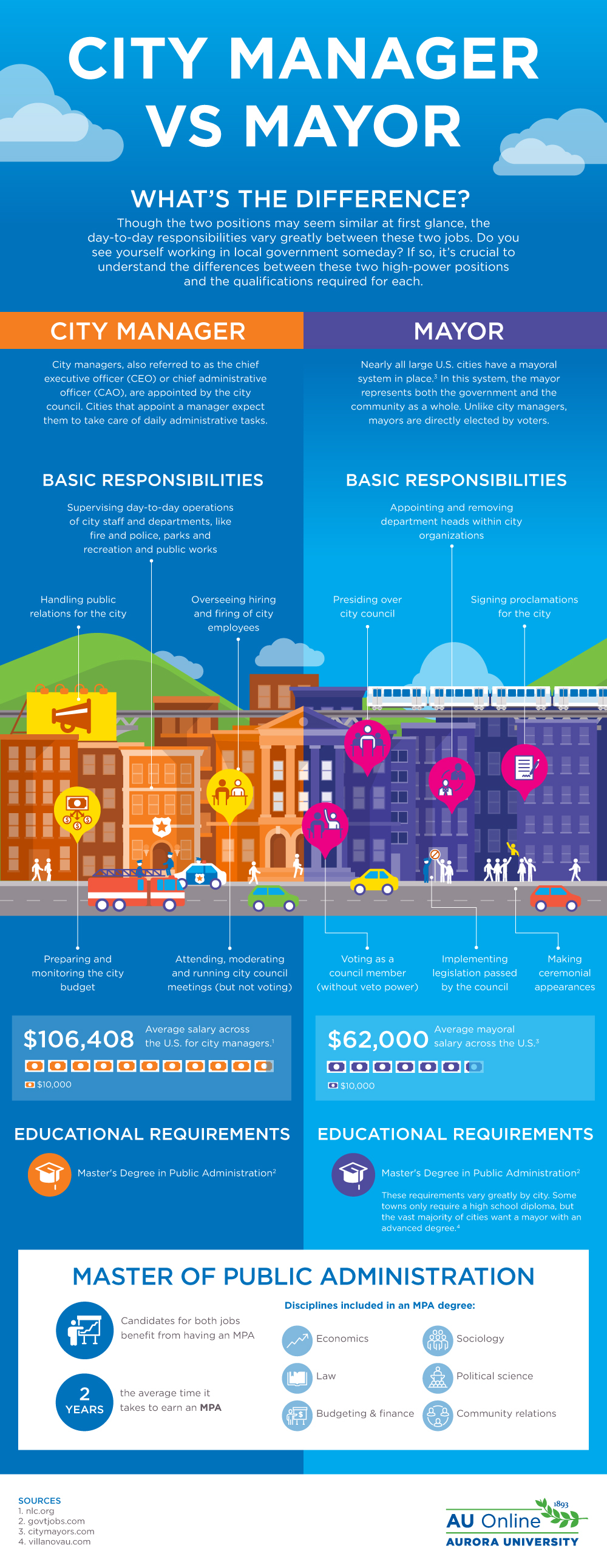
The scope of mayoral duties extends beyond mere management; it encompasses a profound impact on the daily lives of residents, the economic trajectory of businesses, and the overall image of the municipality. With urban centers increasingly becoming hubs of innovation, cultural diversity, and economic activity, the leadership qualities required of a mayor have never been more demanding. They are not just administrators; they are nation-builders on a local scale, constantly balancing the immediate needs of their constituents with a long-term vision for prosperity and sustainability.
The Core Responsibilities: Governance and Public Service
At its heart, the mayoralty is about effective governance and dedicated public service. A mayor sits at the apex of the city’s administrative structure, tasked with ensuring the smooth and efficient operation of all municipal services. This foundational responsibility underpins every other aspect of their role, translating directly into the quality of life for residents and the operational environment for businesses.
Leading the City’s Administration
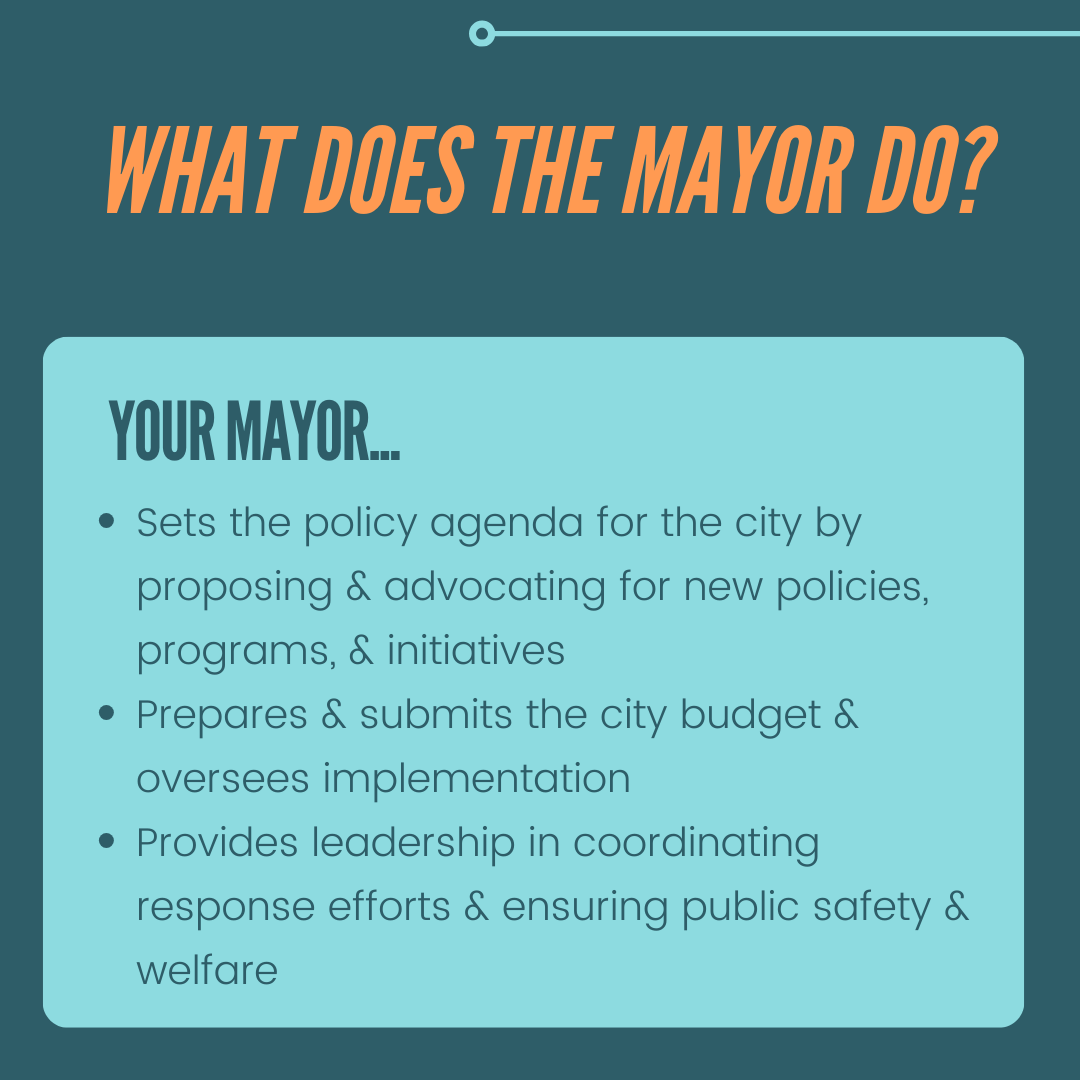
The mayor is the chief executive officer of the city, responsible for overseeing a vast bureaucracy encompassing numerous departments. This includes police and fire services, public works (roads, sanitation, water), parks and recreation, planning and zoning, and a myriad of other agencies vital to urban life. This oversight role involves appointing department heads, setting administrative priorities, and ensuring accountability across the board. The mayor must be an adept manager, capable of delegating effectively, monitoring performance, and making tough decisions regarding personnel and operational changes. In today’s data-driven world, this often means leveraging technology for performance metrics and efficiency audits, using dashboards and analytics to identify bottlenecks and optimize service delivery. The judicious allocation of resources, which falls under this purview, directly impacts the city’s money management and its ability to provide high-quality services within budgetary constraints.
Representing the Citizens
Beyond internal administration, the mayor serves as the primary representative and spokesperson for the city and its residents. This involves advocating for the city’s interests at county, state, and federal levels, lobbying for legislation, grants, and programs that benefit the local community. They are the voice that champions the city’s needs, whether it’s for funding for infrastructure projects, support for social programs, or changes in policy. This representative role is crucial for the city’s brand, as the mayor’s voice and advocacy shape external perceptions and can attract vital resources. Regular town halls, community meetings, and open dialogue are essential for understanding citizen needs and communicating city initiatives, further building trust and strengthening the city’s collective brand.
Enforcing Laws and Ordinances
Maintaining public order and safety is a paramount duty. The mayor works closely with law enforcement and the judiciary to ensure that city ordinances are enforced fairly and effectively. This responsibility extends to developing and implementing public safety strategies, ranging from community policing initiatives to emergency preparedness plans. In an increasingly interconnected world, technology plays a critical role here, from surveillance systems and predictive policing tools to advanced communication networks for emergency services. However, the ethical implications and financial costs of such technologies must be carefully considered, ensuring that these investments serve the public good while managing the city’s money responsibly and protecting citizen privacy.
Driving Economic Prosperity: The Financial Architect
Perhaps one of the most impactful and challenging aspects of a mayor’s job is their role as the city’s chief financial steward and economic development leader. The mayor’s decisions in this area directly influence job creation, business growth, and the overall financial health of the municipality. This requires a deep understanding of finance, investment, and strategic economic planning.
Crafting and Managing the City Budget
The mayor is instrumental in the annual budget process, proposing a fiscal plan that allocates public funds to various departments and projects. This involves complex negotiations, prioritizing competing needs, and making difficult choices to ensure fiscal solvency. A mayor must balance the desire for new initiatives with the reality of revenue streams, often relying on expertise in public finance to craft a sustainable budget. Sound money management is non-negotiable; irresponsible budgeting can lead to financial crises, impacting services and potentially increasing taxes. Modern mayors often use technology like advanced financial modeling and transparency portals to engage citizens in the budget process and demonstrate accountability.
Attracting Investment and Fostering Local Businesses
A thriving city economy relies on a dynamic business environment. The mayor plays a crucial role in attracting new businesses, fostering entrepreneurship, and supporting existing local enterprises. This involves creating a business-friendly climate through appropriate regulations, offering incentives, and actively marketing the city as an attractive place to invest and grow. Efforts can range from securing grants for small businesses to leading delegations to secure major corporate relocations. This active engagement directly boosts the city’s money by increasing tax revenues and creating jobs. Furthermore, the mayor’s ability to sell the city’s unique advantages – its workforce, infrastructure, quality of life – is a key component of building a strong civic brand that resonates with investors and entrepreneurs.
Infrastructure Development and Funding
Modern cities require modern infrastructure: robust transportation networks, reliable utilities, and digital connectivity. The mayor oversees the planning, funding, and execution of major infrastructure projects, from road repairs and public transit expansions to smart grid implementations and broadband rollouts. These projects often require significant money sourced from bond issues, state and federal grants, and public-private partnerships. Technology is increasingly central to infrastructure, with smart traffic lights, IoT sensors for utility management, and resilient cybersecurity measures for critical systems becoming standard. The mayor must ensure these investments are strategic, sustainable, and capable of serving the city’s needs for decades to come, enhancing both livability and economic competitiveness.
The Digital Mayor: Embracing Technology for a Smarter City
The digital revolution has profoundly reshaped urban governance, transforming how cities operate and interact with their citizens. A forward-thinking mayor recognizes technology not just as a tool, but as a strategic imperative for building a more efficient, responsive, and innovative city.
Smart City Initiatives and Digital Transformation
One of the most exciting aspects of modern mayoral leadership is the push towards “smart cities.” This involves integrating advanced technology like the Internet of Things (IoT), artificial intelligence (AI), and big data analytics into urban planning and management. Mayors champion projects that use sensors to optimize traffic flow, AI to manage waste collection, and data platforms to improve energy efficiency. These initiatives enhance urban sustainability, reduce operational costs (saving the city money), and improve the quality of life for residents. A digitally transformative mayor isn’t just adopting technology; they are creating an ecosystem where innovation flourishes and urban challenges are met with intelligent solutions.
Enhancing Citizen Engagement Through Digital Platforms
The internet and mobile technology offer unprecedented opportunities for civic engagement and transparency. Mayors today leverage social media, official city apps, online portals, and digital feedback mechanisms to communicate directly with constituents, solicit input, and make government services more accessible. From reporting potholes to applying for permits, digital platforms streamline interactions and foster greater accountability. This enhances the city’s brand by projecting an image of openness and responsiveness, while also improving efficiency and potentially saving money on administrative processes. A truly digital mayor ensures that these tools are inclusive, bridging the digital divide where necessary to ensure all citizens can participate.
Ensuring Digital Security and Data Privacy
With increased reliance on technology comes heightened vulnerability to cyber threats. A critical responsibility for any modern mayor is to safeguard the city’s digital infrastructure and protect sensitive citizen data from breaches. This involves investing in robust cybersecurity measures, developing incident response plans, and fostering a culture of digital security within city departments. The financial implications of a data breach can be catastrophic, incurring significant costs in recovery, fines, and reputational damage to the city’s brand. Mayors must prioritize cybersecurity as a fundamental component of public safety and financial responsibility, allocating sufficient money for prevention and resilience.
Leveraging Data for Informed Decision-Making
Data is the new currency of governance. A savvy mayor utilizes data analytics to gain insights into urban patterns, predict future needs, and evaluate the effectiveness of city programs. From crime statistics to public health trends, from traffic patterns to housing market data, information empowers better decisions. Technology provides the tools to collect, analyze, and visualize this data, allowing mayors to allocate money and resources more strategically, identify areas for improvement, and measure the impact of their policies. This data-driven approach moves city management beyond intuition to evidence-based governance, enhancing accountability and public trust in the city’s leadership.
Building and Projecting the City’s Brand: A Leader’s Vision
Beyond administration and finance, a mayor is the chief storyteller and marketer of their city. Developing and projecting a compelling civic brand is essential for attracting talent, tourism, investment, and ultimately, building a vibrant and prosperous community.
Developing a Vision and Strategic Narrative for the City
Every successful city has a clear identity and a compelling vision for its future. The mayor is responsible for articulating this vision, crafting a strategic narrative that defines the city’s unique strengths, values, and aspirations. This narrative becomes the foundation for all marketing and communication efforts, differentiating the city from its competitors. Whether it’s a focus on innovation, sustainability, cultural heritage, or economic opportunity, this vision shapes policy, inspires citizens, and guides development. It’s about building a collective brand identity that fosters pride and attracts external interest.
Public Relations and Crisis Management
The mayor is constantly in the public eye, and their words and actions significantly influence the city’s brand and reputation. Effective public relations are crucial for communicating city achievements, explaining complex policies, and maintaining public trust. Equally important is adept crisis management. When emergencies, scandals, or natural disasters strike, the mayor must provide calm, decisive leadership, communicate transparently, and manage public perception to minimize damage to the city’s image. A well-managed crisis can even strengthen the city’s brand by demonstrating resilience and effective governance. This requires clear communication strategies and often leverages technology for rapid dissemination of information.
Personal Branding and Leadership
A mayor’s personal brand is inextricably linked to the city’s brand. Their leadership style, integrity, visibility, and ability to connect with diverse communities all contribute to how the city is perceived. A mayor who inspires confidence, demonstrates empathy, and effectively communicates their vision can elevate the entire city. Conversely, a mayor lacking in these areas can detract from the city’s appeal. This personal branding involves consistent messaging, authentic engagement, and building a reputation for effectiveness and trustworthiness. It is about being a credible spokesperson and a relatable leader for the community.
Marketing the City to Attract Talent, Tourism, and Businesses
A mayor actively promotes the city on regional, national, and international stages. This involves marketing campaigns to attract tourists, showcasing local cultural events, promoting the city as a desirable place to live and work for skilled talent, and making a strong case for businesses to relocate or expand within its borders. They highlight the city’s unique amenities, educational institutions, quality of life, and economic incentives. Successful marketing efforts generate direct money through tourism revenue, increased tax bases from new businesses, and a vibrant local economy. Leveraging digital marketing technology and data-driven campaigns is essential for reaching target audiences effectively and demonstrating the city’s value proposition.
The Interconnected Future: Challenges and Opportunities
The role of a mayor is ever-evolving, constantly adapting to new challenges and embracing emerging opportunities. The integration of technology, strategic branding, and sound money management will only become more crucial as cities navigate a complex future.
Balancing Innovation with Equity
As cities embrace smart technology and digital transformation, mayors face the critical challenge of ensuring these advancements benefit all residents, not just a privileged few. Addressing the digital divide, providing equitable access to services, and ensuring that technological progress doesn’t exacerbate social inequalities is paramount. A successful mayor ensures that the city’s brand is synonymous with inclusivity and fairness, and allocates money to programs that uplift all segments of the population.
Sustainable Urban Development
Mayors are increasingly at the forefront of tackling climate change and promoting environmental sustainability. This involves championing green technology, investing in renewable energy, developing sustainable transportation systems, and implementing policies that protect natural resources. These initiatives not only improve the quality of life but also enhance the city’s brand as a forward-thinking, responsible global citizen, potentially attracting green industries and investment money.

The Evolving Role in a Globalized World
In a globalized economy, cities often act as independent actors on the international stage, engaging in city diplomacy, forging international partnerships, and participating in global networks. A mayor’s leadership can position their city as a global player, attracting foreign direct investment, fostering cultural exchange, and collaborating on global challenges. This contributes significantly to the city’s global brand and opens up new avenues for economic money and cultural enrichment.
In conclusion, the mayor of a city is far more than an elected official; they are a visionary leader, a pragmatic administrator, a chief financial officer, a savvy technologist, and a master brand builder. Their decisions ripple through every aspect of urban life, influencing everything from daily commutes and public safety to economic growth and international reputation. In an era defined by rapid technological change, fierce economic competition, and the constant need to project a compelling identity, the modern mayor stands as the singular most important figure in shaping the future of their city. Their success hinges on their ability to integrate technology for efficiency and innovation, strategically manage the city’s money for prosperity, and meticulously cultivate the city’s brand to attract talent, investment, and admiration. It is a demanding, dynamic, and ultimately, deeply rewarding role that shapes the very fabric of our urban world.
aViewFromTheCave is a participant in the Amazon Services LLC Associates Program, an affiliate advertising program designed to provide a means for sites to earn advertising fees by advertising and linking to Amazon.com. Amazon, the Amazon logo, AmazonSupply, and the AmazonSupply logo are trademarks of Amazon.com, Inc. or its affiliates. As an Amazon Associate we earn affiliate commissions from qualifying purchases.