
In the modern economic landscape, the intersection of wellness and commerce has created a burgeoning sector where health and finance converge. When we ask, “What does a health educator do?” the answer extends far beyond simply teaching people how to eat better or exercise more. From a professional and financial perspective, a health educator is a strategic asset designed to mitigate risk, reduce healthcare overhead, and drive the “wellness economy.”
For those looking to enter this field or for businesses looking to hire, understanding the economic mechanics of this role is crucial. Health educators act as the bridge between clinical outcomes and financial sustainability, making them pivotal players in both the public and private sectors.
The Economic Value Proposition of Health Education
At its core, health education is a form of risk management. By influencing behavior at the individual and community levels, health educators prevent the onset of chronic conditions that are the primary drivers of global healthcare spending.
Preventative Care as a Cost-Saving Strategy
The financial burden of chronic diseases—such as diabetes, heart disease, and obesity—is staggering. For insurance companies and public health systems, these conditions represent “high-cost events.” A health educator’s primary function is to deploy preventative strategies that keep these costs at bay.
By designing and implementing programs that encourage preventative screenings and lifestyle modifications, health educators help systems avoid the massive expenditures associated with emergency room visits and long-term hospitalizations. In the world of business finance, this is known as “cost avoidance,” a metric that is increasingly used to justify the salary and budget of health education departments.
Corporate Wellness Programs and ROI
In the corporate world, the health educator often takes the form of a Wellness Program Manager. Companies have realized that a sick workforce is an expensive workforce. Absenteeism (missing work due to illness) and presenteeism (working while ill and being less productive) cost the economy billions of dollars annually.
Health educators create tailored wellness initiatives—ranging from stress management workshops to nutritional counseling—that directly impact a company’s bottom line. When an organization invests in health education, the Return on Investment (ROI) is measured through reduced health insurance premiums, lower turnover rates, and increased employee productivity. For a CFO, the health educator is not just a human resources “perk” but a strategic investment in human capital.
Career Pathways and Income Potential
Choosing a career as a health educator requires an analysis of the financial trajectory and the various sectors where one can maximize their earning potential. The “money” aspect of this profession is diverse, with significant variance between public service and private industry.
Public vs. Private Sector Salaries
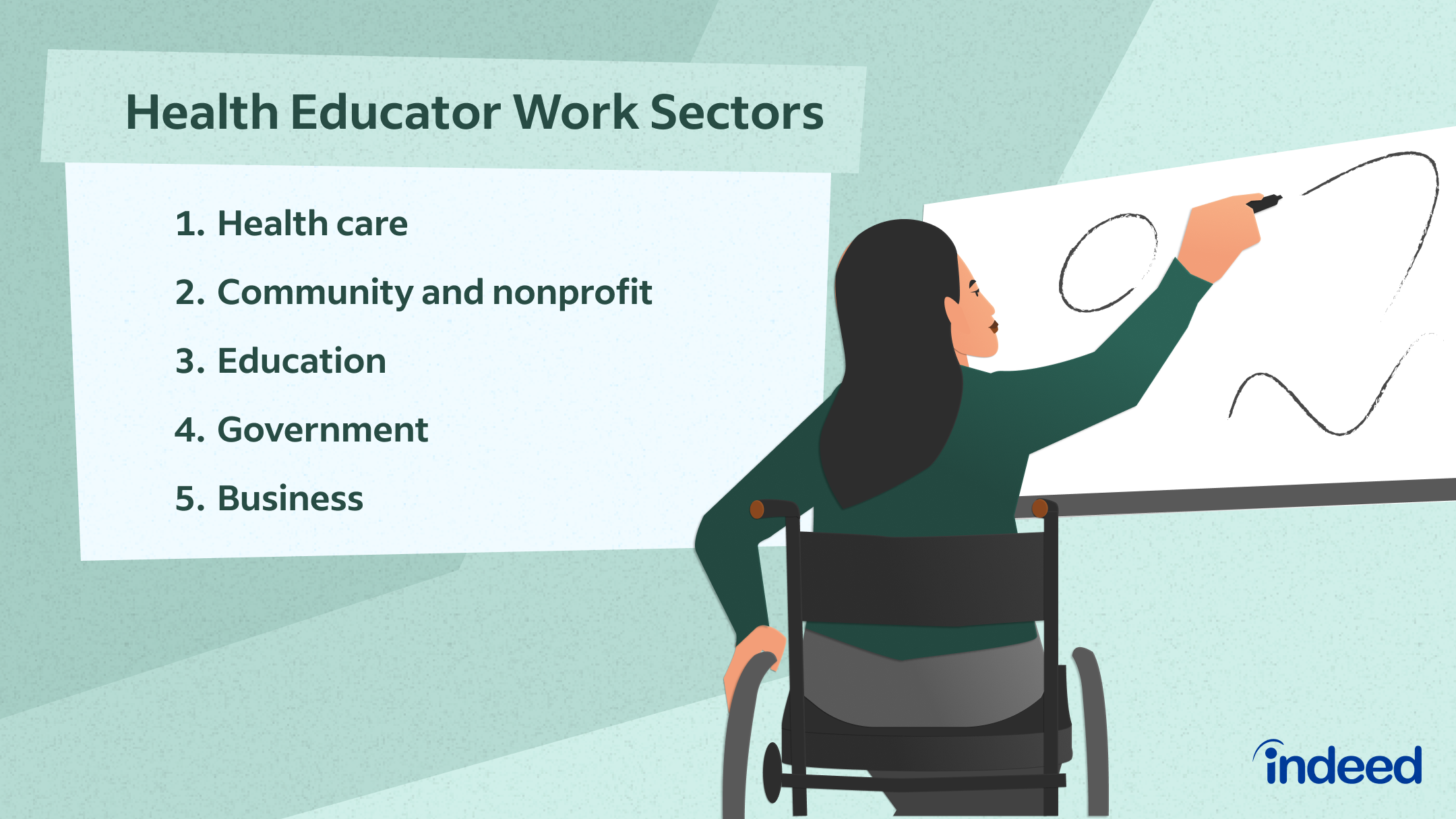
The financial reality of a health educator depends heavily on the employer. In the public sector—working for state health departments or non-profit organizations—the focus is often on community impact and grant-funded initiatives. While these roles offer excellent benefits and job security, the base salary may be lower than in the private sector.
Conversely, health educators working for pharmaceutical companies, private hospital networks, or health tech firms can command significantly higher compensation. In these roles, the educator might work on “patient adherence” programs, ensuring that patients understand how to use complex medical devices or medications. This ensures that the products sold by these companies are effective, which in turn protects the company’s revenue and brand reputation.
Higher Education and Certifications: A Financial Analysis
To maximize income in this field, professionals must look at the ROI of their education. A Bachelor’s degree is the entry-point, but the Certified Health Education Specialist (CHES) credential is the industry standard that often triggers a salary increase.
For those pursuing a Master’s in Public Health (MPH) or a similar graduate degree, the upfront cost can be significant. However, a graduate degree often opens doors to managerial and directorial roles where salaries can reach into the six-figure range. When calculating the financial viability of this career path, one must weigh the cost of advanced certification against the long-term increase in lifetime earning potential.

Entrepreneurship in Health Education: The Side Hustle and Beyond
We are currently witnessing a shift where health educators are no longer tethered to traditional 9-to-5 roles. The “creator economy” and the rise of the “solopreneur” have allowed health educators to build their own brands and revenue streams.
Launching a Health Consulting Business
Many health educators are transitioning into private consulting. Businesses that are too small to have a full-time wellness department often hire independent health educators as consultants to audit their office environment and implement health policies.
This B2B (business-to-business) model allows health educators to charge premium hourly rates or project-based fees. By positioning themselves as “productivity experts” rather than just “health teachers,” they tap into the corporate budget set aside for business development and operational efficiency.
Digital Products and Monetizing Expertise
The internet has allowed health educators to scale their knowledge. Instead of teaching one-on-one, an educator can create a digital course, a paid subscription newsletter, or a health-tracking app.
Monetizing expertise through digital products offers a form of passive income that is not limited by the number of hours in a day. For example, a health educator specializing in prenatal nutrition can sell a comprehensive guide to thousands of expectant parents globally. This shift from “labor-for-money” to “assets-for-money” is the hallmark of a financially savvy health professional in the 21st century.
Navigating the Job Market for Health Educators
For anyone looking to enter the field or make a mid-career pivot, understanding the supply and demand dynamics of the market is essential for financial planning.
Industry Demand and Long-term Growth
According to the Bureau of Labor Statistics (BLS), the employment of health education specialists is projected to grow much faster than the average for all occupations. This demand is driven by a global shift toward “value-based care”—a healthcare model where providers are paid based on patient health outcomes rather than the volume of services they provide.
In a value-based care system, the health educator becomes the most valuable player. If a hospital can prove that its health education program kept 1,000 patients from needing surgery, that hospital receives financial incentives from the government and insurers. This systemic shift ensures that the demand for health educators will remain high, providing job security and leverage for salary negotiations.
Negotiating Your Compensation Package
Because the role of a health educator is so varied, there is often room for negotiation in compensation packages. When interviewing, a professional should not just focus on the base salary. In the private sector, bonuses tied to the success of wellness programs or the attainment of specific health metrics can significantly increase total compensation.
Furthermore, health educators should negotiate for “professional development” budgets. Having the employer pay for continuing education units (CEUs), conference attendance, or advanced certifications is a “non-taxable” form of income that increases the educator’s market value over time.

Conclusion: The Bottom Line on Health Education
What does a health educator do? They manage the most valuable asset any individual or company possesses: health. From a financial perspective, they are the architects of sustainability. They convert the complex science of medicine into actionable behaviors that save money, generate revenue, and improve the quality of life.
Whether working in a hospital, a corporate boardroom, or as an independent entrepreneur, the health educator’s role is intrinsically linked to the economy. As the world moves away from reactive “sick-care” and toward proactive “health-care,” the financial and professional value of the health educator will only continue to rise. For the career-minded individual, this niche offers a unique blend of altruistic impact and robust financial opportunity.
aViewFromTheCave is a participant in the Amazon Services LLC Associates Program, an affiliate advertising program designed to provide a means for sites to earn advertising fees by advertising and linking to Amazon.com. Amazon, the Amazon logo, AmazonSupply, and the AmazonSupply logo are trademarks of Amazon.com, Inc. or its affiliates. As an Amazon Associate we earn affiliate commissions from qualifying purchases.