
In the world of fashion, a tailor is a master of precision, an artisan who understands that a single inch can make the difference between a garment that commands respect and one that feels like a costume. When we translate this concept into the world of business, we encounter the “Brand Tailor.” In an era dominated by “off-the-rack” digital templates and generic marketing strategies, the role of a brand tailor—a specialist in bespoke brand strategy and corporate identity—has never been more vital.
What can a tailor do for your brand? They do more than just design a logo or pick a color palette. They measure the soul of a business, cut away the excess noise of the marketplace, and sew together a cohesive narrative that fits the specific contours of a company’s vision. This article explores the intricate craftsmanship involved in bespoke branding and why a custom-fitted strategy is the only way to achieve true market distinction.
The Anatomy of a Brand Tailor: Beyond the Off-the-Rack Identity
Most businesses begin their journey with “off-the-rack” solutions. These are the pre-made website themes, the stock-image logos, and the generic mission statements that sound like every other competitor in the field. While these tools are functional for a startup in its first month, they eventually become a constraint. A brand tailor steps in when a business is ready to transition from being “a company” to being “a brand.”
Defining the Fabric: Core Values and Vision
The first thing a tailor does is help the client select the right fabric. In branding, the “fabric” represents the core values and the foundational vision of the company. You cannot build a luxury brand on discount values, just as you cannot build a rugged outdoor brand on delicate principles.
A brand tailor conducts deep-dive workshops to unearth what the company truly stands for. Are you built on innovation, or is your strength in heritage and reliability? By defining the fabric early on, the tailor ensures that every subsequent decision—from the visual identity to the marketing tone—is supported by a durable and appropriate foundation. This stage is about authenticity; it is the process of ensuring the brand doesn’t just look good but feels right to the stakeholders and the target audience.
Taking the Measurements: Market Research and Audience Analysis
A tailor never starts cutting until they have precise measurements. In the niche of brand strategy, these measurements are derived from rigorous market research and audience analysis. A brand that is “too tight” might alienate potential growth sectors, while a brand that is “too loose” lacks the focus necessary to convert loyal customers.
The brand tailor looks at the “posture” of the competition. They analyze where the market is bulging with over-saturation and where there are gaps that a new, custom-fit brand could fill. They measure the demographics, psychographics, and pain points of the ideal customer. This data-driven approach ensures that the resulting brand identity isn’t just aesthetically pleasing, but strategically engineered to fit the exact needs of the market landscape.
Alterations and Adjustments: Refining an Existing Brand Presence
Rarely does a brand remain perfect forever. Markets shift, consumer tastes evolve, and businesses grow out of their original identities. This is where the brand tailor performs “alterations.” Rebranding or brand refreshing is not always about throwing away the old suit; often, it is about updating the cut to reflect contemporary styles while maintaining the integrity of the original piece.
Nipping and Tucking: Streamlining Visual Identity
Over time, brands often suffer from “identity creep.” They add new sub-brands, experimental logos, and inconsistent social media styles until the original identity is buried under layers of clutter. A tailor knows when to nip and tuck.
In a branding context, this involves a visual audit. The tailor removes outdated design elements, simplifies the color palette, and ensures that the typography is legible across all digital and physical mediums. This streamlining process isn’t just about minimalism; it’s about clarity. By removing the “excess fabric” of a brand’s visual identity, the tailor allows the company’s core message to shine through more effectively. It makes the brand more recognizable and easier for the consumer to digest at a glance.
Hemming the Message: Tone of Voice and Copywriting
The “fit” of a brand is determined largely by how it speaks. If a brand’s visual identity says “luxury” but its customer service emails say “unprofessional,” the suit doesn’t fit. A brand tailor works on “hemming” the message—ensuring that the tone of voice is consistent across every touchpoint.

This involves creating a comprehensive verbal identity guide. The tailor determines whether the brand should be authoritative, whimsical, rebellious, or empathetic. They craft the key messaging pillars that serve as the “seams” of the brand’s communication strategy. When the messaging is properly hemmed, the brand sounds like a single, unified entity, whether the customer is reading a billboard, a tweet, or a technical manual.
Scaling the Fit: Personal Branding vs. Corporate Identity
One of the most complex tasks a brand tailor performs is distinguishing between the “bespoke suit” of a personal brand and the “uniform” of a corporate identity. Both require different tailoring techniques to ensure they serve their intended purpose.
The Bespoke Suit: Personal Branding for Thought Leaders
For CEOs, founders, and consultants, the brand is the person. Personal branding requires a high degree of “hand-stitching.” It is an intimate process of translating a human being’s personality, expertise, and quirks into a professional image.
A brand tailor helps these individuals find their “signature cut.” This involves identifying their unique value proposition—what can they say that no one else can? The goal here is not to create a corporate mask, but to enhance the individual’s natural strengths. Just as a well-tailored suit gives a person confidence, a well-defined personal brand gives a thought leader the authority to command attention in a crowded digital space.
The Uniform: Consistency in Corporate Branding
In contrast, corporate branding is about creating a “uniform” that thousands of employees can wear and millions of customers can recognize. It requires scalability and durability. The brand tailor must design a system that works across different cultures, languages, and departments.
The focus here shifts to brand guidelines—the “pattern” that ensures every iteration of the brand is identical to the last. A tailor in this space creates the frameworks for internal culture, employee advocacy, and external marketing. They ensure that whether a customer interacts with the brand in London or Tokyo, the experience is seamless and consistent. This consistency builds trust, which is the ultimate currency of any corporate identity.
The Future of Brand Tailoring: Data-Driven Customization
As we move further into the digital age, the tools of the brand tailor are evolving. We are seeing a move toward dynamic branding, where the “fit” of a brand can change in real-time based on user interaction.
Algorithmic Fit: AI in Brand Personalization
Modern brand tailors are beginning to use artificial intelligence and machine learning to offer hyper-personalization. This is the digital equivalent of a suit that changes its shape to fit the wearer perfectly at any given moment. Through data-driven design, brands can now tailor their visual assets and messaging to individual segments of their audience simultaneously.
A brand tailor uses these tech tools to create “responsive identities.” For example, a website might subtly change its layout or color scheme based on the user’s past behavior or aesthetic preferences. This level of customization ensures that the brand always feels like it was made specifically for the person viewing it, increasing engagement and brand loyalty.
Sustainable Craft: Longevity in Brand Building
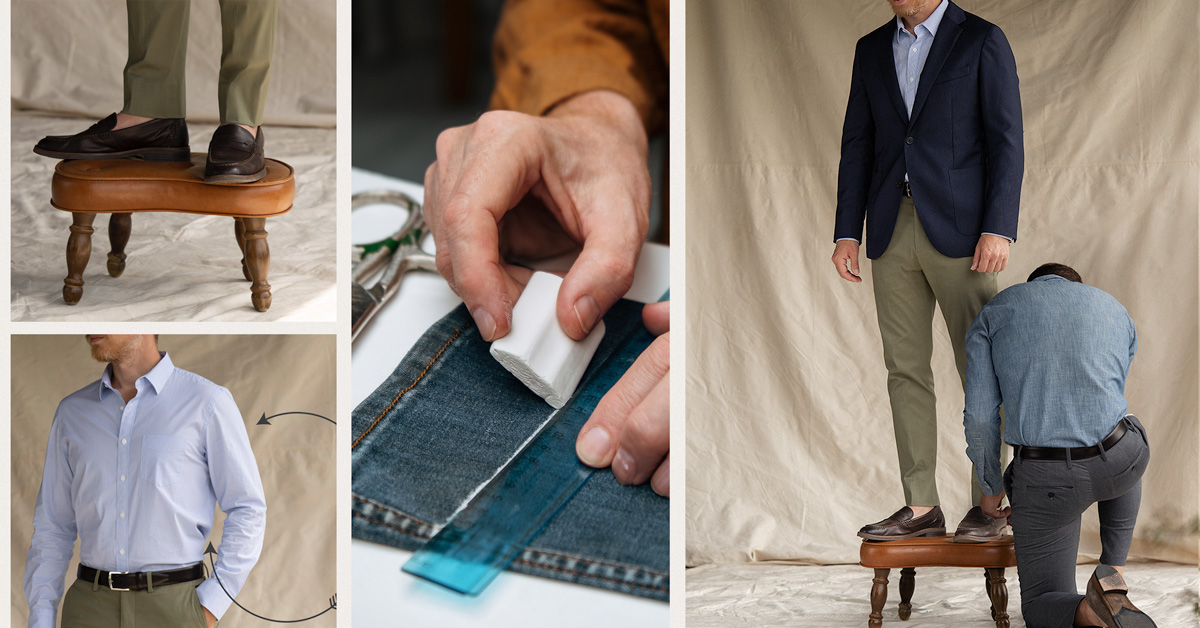
Finally, a true tailor builds garments to last, and a true brand strategist builds identities for the long haul. In a “fast-fashion” business world where trends change weekly, the brand tailor focuses on “sustainable craft.” This means avoiding “trendy” design choices that will look dated in six months.
The focus is on timeless principles of design and psychology. By prioritizing quality over quantity and strategy over shortcuts, the brand tailor creates an identity that can withstand market fluctuations. They ensure that the brand has the “allowance” to be let out or taken in as the company evolves, without ever losing its fundamental shape.
In conclusion, what can a tailor do? They can take a raw idea and turn it into a powerful, professional presence. They provide the structure, the style, and the fit that allows a business to move through the world with confidence. In the competitive landscape of modern commerce, a bespoke brand strategy isn’t a luxury—it’s a necessity. It is the difference between blending into the background and standing out as a masterpiece of professional identity.
aViewFromTheCave is a participant in the Amazon Services LLC Associates Program, an affiliate advertising program designed to provide a means for sites to earn advertising fees by advertising and linking to Amazon.com. Amazon, the Amazon logo, AmazonSupply, and the AmazonSupply logo are trademarks of Amazon.com, Inc. or its affiliates. As an Amazon Associate we earn affiliate commissions from qualifying purchases.