
Navigating the digital landscape often involves managing our online presence, and for many, Instagram (IG) is a significant part of that. While the platform is designed for connection and sharing, there are times when users decide to step away, either temporarily or permanently. This decision often leads to questions about what happens to their account. Understanding the visual and functional differences between a deactivated and a deleted Instagram account is crucial for anyone considering such a step, or for those who encounter a profile that seems to have vanished. This article will delve into the specifics of what a deactivated Instagram account looks like, exploring the implications for both the account owner and other users.
Understanding Instagram Account States: Deactivation vs. Deletion
Before we can truly grasp what a deactivated Instagram account looks like, it’s essential to differentiate it from account deletion. These two terms are often used interchangeably, but they represent distinct processes with very different outcomes. Instagram offers both options to cater to users’ varying needs for managing their digital footprint.
Temporary Hiatus: The Deactivated Account
Account deactivation on Instagram is a temporary measure. It’s akin to putting your account in a “do not disturb” mode. When you deactivate your account, your profile, including your username, photos, comments, and likes, becomes invisible to other users. It’s not erased; rather, it’s hidden. This means that no one can search for your profile, see your content, or interact with your account in any way. Your username will not be available for others to claim while your account is deactivated. The key advantage of deactivation is that it’s reversible. By simply logging back into your account with your username and password, you can restore your profile to its previous state, with all your content and data intact. This makes deactivation a popular choice for those who need a break from social media but wish to preserve their online presence for the future.
Permanent Farewell: The Deleted Account
Account deletion, on the other hand, is a permanent action. Once you request to delete your account, Instagram initiates a process that will eventually erase all your data permanently. There is typically a grace period, often around 30 days, during which you can change your mind and log back in to cancel the deletion. However, if you do not log in during this period, your account and all associated information – including photos, videos, comments, likes, and followers – will be irretrievably gone. After the grace period, the username may become available for others to use. Deletion is a more drastic step, suitable for users who are certain they want to sever their ties with the platform entirely and do not wish to retain any historical data or presence.
The Visual Experience of a Deactivated Instagram Account
When an Instagram account is deactivated, it effectively disappears from the platform for all other users. This means there’s no single, universally recognizable “look” for a deactivated account in the same way there might be for a profile with privacy settings. Instead, its absence is noted by the inability to find or interact with it.
Searching for a Deactivated Profile
If you try to search for a deactivated Instagram account using the platform’s search bar, you will not find it. Your search results will not display the username, profile picture, or any associated content. This is the primary indicator that an account is either deactivated or has been deleted. The search function is designed to only show active and public profiles, or profiles that you follow and have not blocked you. Therefore, the complete absence from search results is the first sign.
Encountering a Deactivated Profile in Past Interactions
You might have previously interacted with an account that is now deactivated, perhaps through comments on posts, direct messages, or by following them. When an account is deactivated, these past interactions will change.
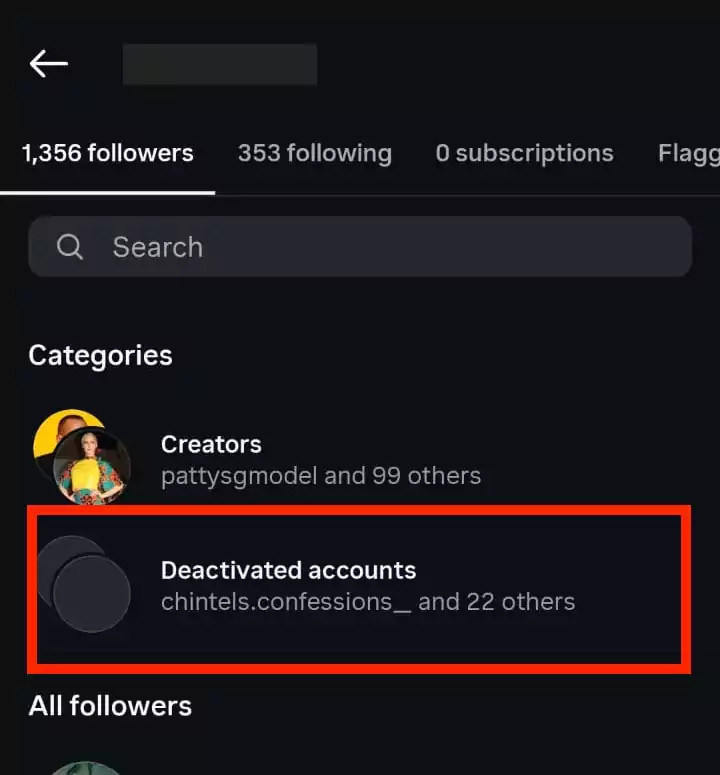
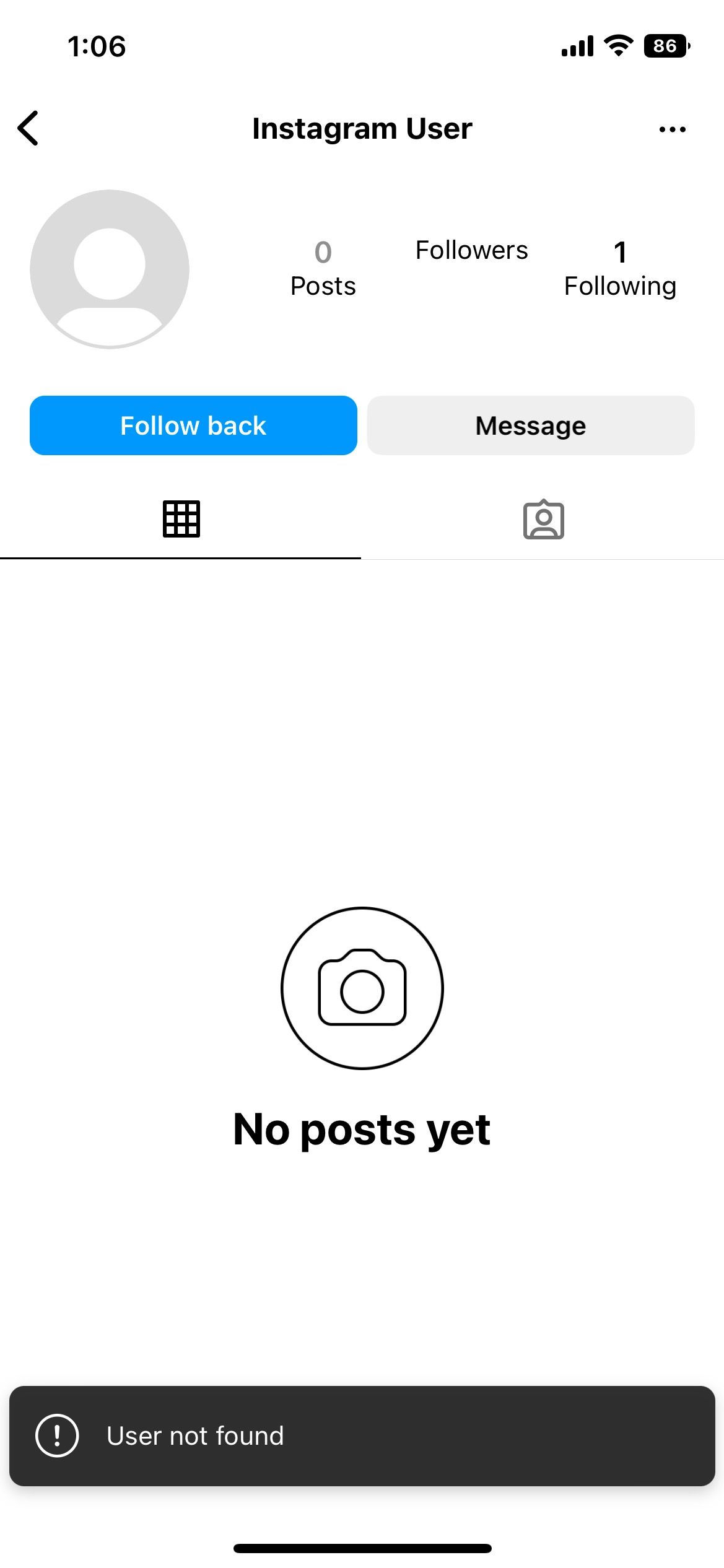
- Comments and Likes: If a deactivated account has commented on a post or liked it, their username will no longer appear as a clickable link. Instead, it might simply read “Instagram User” or display a generic grey profile icon. You won’t be able to tap on it to visit their profile.
- Direct Messages (DMs): If you had a conversation with a deactivated account, their chat thread will likely still exist in your inbox. However, when you open the chat, their username at the top might be replaced with “Instagram User,” and their profile picture will be the generic grey icon. You won’t be able to tap on this to view their profile. In some cases, the entire chat history might be removed, or the thread might simply appear empty.
- Follower/Following Lists: If you were following a deactivated account, they will disappear from your “Following” list. Conversely, if they were following you, they will no longer appear in your “Followers” list.
The Profile Page Itself: An Unreachable Void
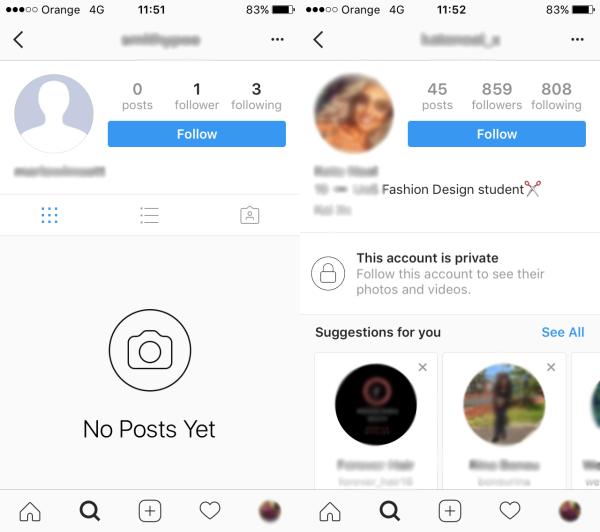
While you cannot “see” a deactivated account’s profile page in the traditional sense, the experience of trying to access it through an old link or a previous interaction will reinforce its deactivated state. If you were to somehow have a direct link to a deactivated profile (which is unlikely to be maintained by Instagram if the account is truly inactive), attempting to load it would likely result in an error message stating that the page is unavailable or that the content cannot be found. This is fundamentally different from a private account, where you would see a profile picture, bio, and posts but be unable to view them due to privacy settings. A deactivated account is simply not present in the system for public viewing.
Why Would Someone Deactivate Their Instagram Account?
The decision to deactivate an Instagram account is rarely made lightly. It often stems from a desire to achieve specific personal or professional goals. Understanding these motivations can provide further context to the concept of a deactivated account.
Taking a Digital Break for Mental Well-being
One of the most common reasons for deactivating an Instagram account is to prioritize mental health. Social media, while connecting us, can also be a source of stress, anxiety, and comparison. The constant curated highlight reels of others’ lives can lead to feelings of inadequacy or FOMO (Fear Of Missing Out). Taking a break allows individuals to disconnect from this often-overwhelming digital environment, reduce screen time, and focus on real-world interactions and personal well-being. This temporary hiatus provides a much-needed respite, enabling users to recharge and re-evaluate their relationship with social media.
Focusing on Specific Goals and Priorities
Deactivation can also be a strategic move to reallocate time and energy towards other important areas of life. Whether it’s a demanding work project, academic pursuits, personal development, or dedicating more time to family and hobbies, stepping away from Instagram can free up valuable cognitive and temporal resources. It allows for deeper concentration and commitment to these other priorities without the constant distraction of notifications and the urge to scroll. This focused approach can lead to greater productivity and a stronger sense of accomplishment in non-digital endeavors.
Privacy Concerns and Digital Footprint Management
In an era of increasing data privacy concerns, some users choose to deactivate their accounts as a way to regain control over their personal information and reduce their digital footprint. While deletion is permanent, deactivation offers a way to temporarily shield one’s online persona and data from public view. This can be particularly relevant for individuals who are concerned about how their data is used by platforms or who simply wish to have a period of reduced online visibility. It’s a way to pause their presence without erasing their history.
The Implications for Other Users and Content Creators
The deactivation of an Instagram account has ripple effects, influencing how others perceive an individual’s presence on the platform and impacting content creators who rely on engagement.
Impact on Followers and Friends
For those who followed or were friends with a deactivated account, the primary impact is the disappearance of that connection and content. It can be jarring to see a previously active profile vanish from their feed and follower lists. This absence can lead to speculation about why the account is gone. For close friends or family, it might prompt them to reach out through alternative communication channels to check on the individual. For casual followers, it might simply be a noted absence, with no further action taken.
Effects on Brand and Business Accounts
Brands and businesses that rely on Instagram for marketing, customer engagement, and sales also face implications when a partner, influencer, or even their own account is deactivated. If a brand collaborates with an influencer who then deactivates their account, the marketing campaign might be disrupted. Similarly, if a business account is deactivated, it can lead to a loss of visibility, customer service channels, and potential sales. This highlights the importance for businesses to have contingency plans and to understand the implications of such actions within their broader marketing strategies.
Content Archiving and Future Reinstatement
For users who deactivate their accounts with the intention of returning, the ability to have their content preserved is paramount. Instagram’s deactivation process ensures that all posts, stories, and media are stored securely until the user logs back in. This is a critical feature that differentiates it from deletion. It allows for a seamless return, where a user can pick up where they left off, reinforcing the idea that deactivation is a temporary pause rather than an end. This feature is crucial for individuals and creators who may want to document periods of their lives or professional journeys and revisit them later.
In conclusion, a deactivated Instagram account is not a visually distinct entity in the traditional sense. Instead, its “look” is defined by its absence: it cannot be found through search, past interactions are rendered inert, and its profile page is inaccessible. This state offers a temporary reprieve, a way to step back from the digital world without severing ties permanently. Understanding the nuances between deactivation and deletion is key to managing one’s online presence effectively and navigating the ever-evolving landscape of social media.
aViewFromTheCave is a participant in the Amazon Services LLC Associates Program, an affiliate advertising program designed to provide a means for sites to earn advertising fees by advertising and linking to Amazon.com. Amazon, the Amazon logo, AmazonSupply, and the AmazonSupply logo are trademarks of Amazon.com, Inc. or its affiliates. As an Amazon Associate we earn affiliate commissions from qualifying purchases.