
In the world of global retail, few brands have mastered the art of linguistic and psychological conditioning as effectively as Starbucks. While a casual consumer might walk into a store simply asking, “What’s the largest size at Starbucks?” the answer—the 31-ounce Trenta—is not merely a volume measurement. It is a cornerstone of a sophisticated brand strategy that has redefined how consumers perceive value, luxury, and the coffee-drinking experience.
The Trenta, available exclusively for iced beverages, represents the pinnacle of Starbucks’ sizing hierarchy. However, to understand why the Trenta exists and how it functions within the brand’s ecosystem, one must look beyond the liquid ounces. This article explores the brand strategy behind Starbucks’ sizing, the psychological impact of its unique nomenclature, and how the “largest size” serves as a tool for market dominance and brand distinction.
The Psychology of Naming: How Starbucks Redefined Size Standards
Starbucks did not become a global powerhouse by following the standard conventions of “Small, Medium, and Large.” From its inception, the brand sought to transport the American consumer to an Italian espresso bar. This wasn’t just about the beans; it was about the language of the experience. By rejecting common retail terms, Starbucks created a proprietary brand language that forced engagement from the customer.
From Small to Tall: The Shift in Baseline
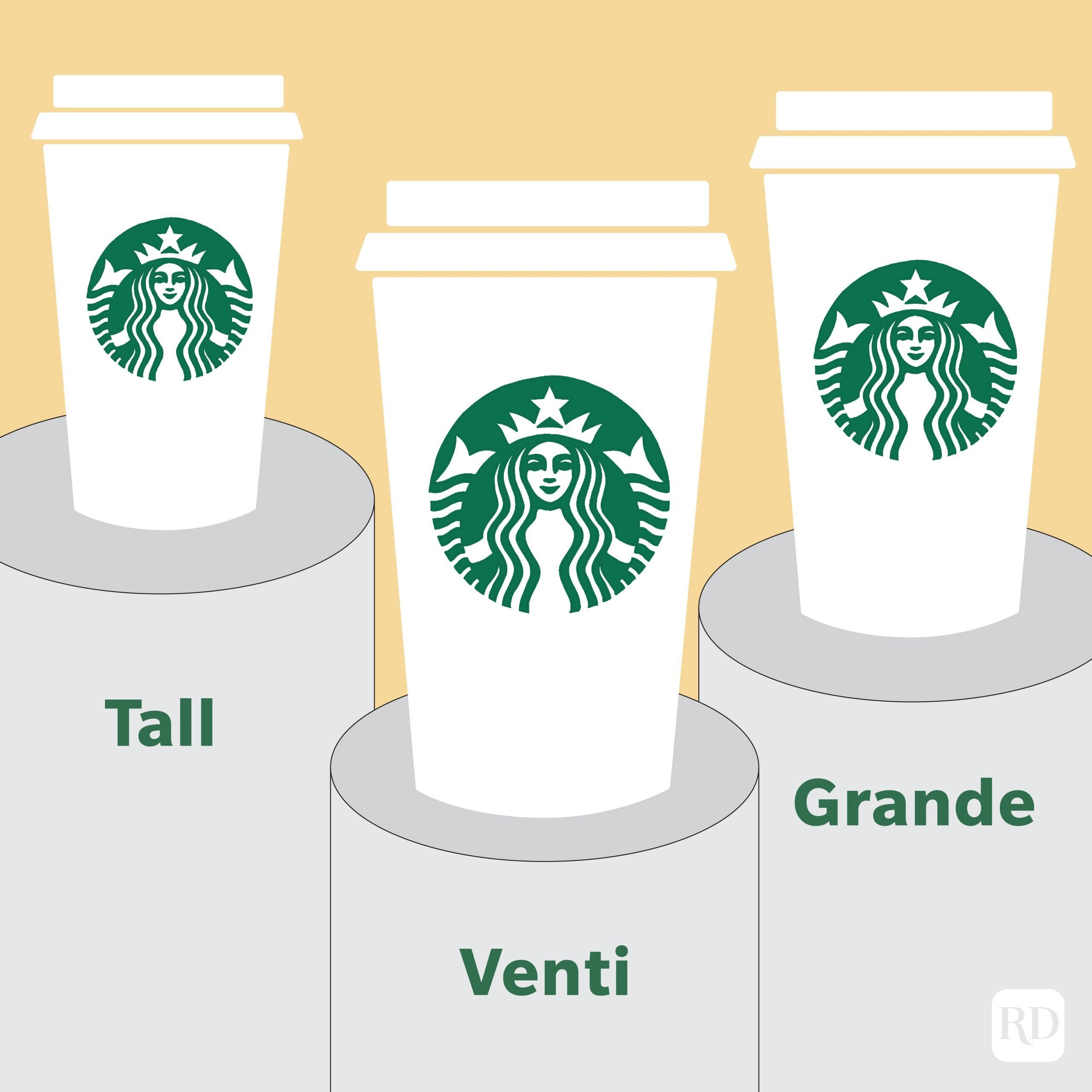
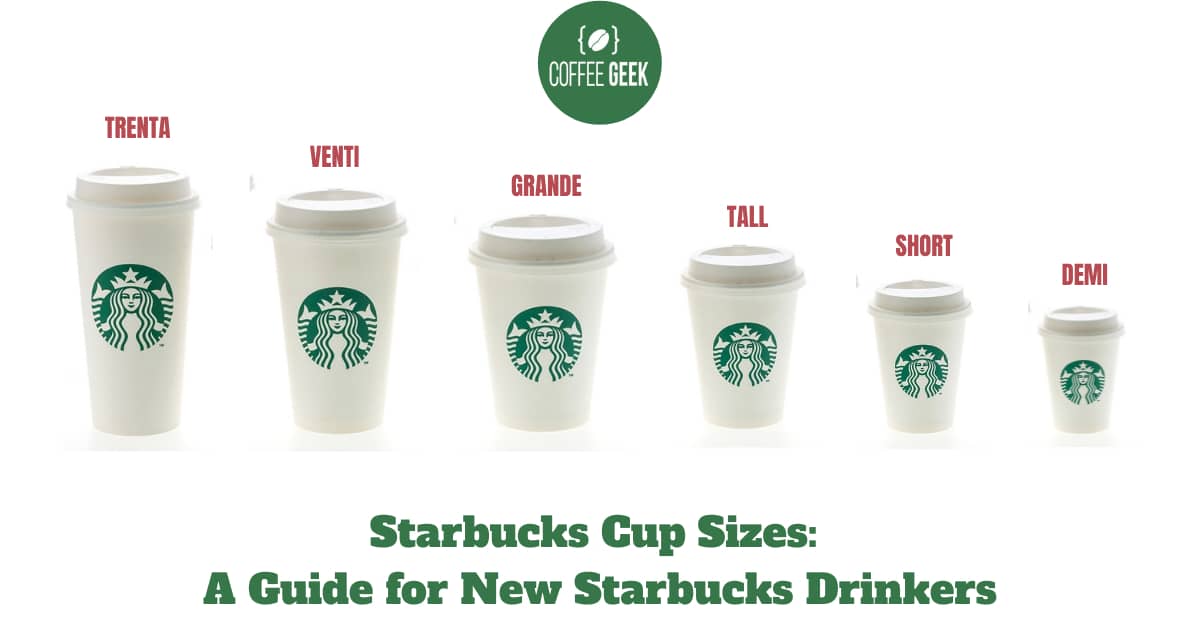
In the early days of Starbucks, the “Tall” (12 oz) was actually the large option, while the “Short” (8 oz) was the small. As American consumer habits shifted toward larger volumes, Starbucks didn’t just add a “Jumbo” size; they shifted the entire linguistic scale. The “Grande” (16 oz) became the new medium, and the “Venti” (20 oz or 24 oz for cold) became the large. This shift allowed Starbucks to maintain a “premium” feel. Calling a drink “Tall” instead of “Small” creates a psychological elevation of the product, suggesting that even the baseline offering is substantial and sophisticated.
The Italian Influence on Brand Identity
The use of Italian terms like Grande, Venti (meaning twenty), and Trenta (meaning thirty) serves as a “brand moat.” It separates Starbucks from fast-food competitors like McDonald’s or Dunkin’. When a customer learns the Starbucks lexicon, they are not just buying coffee; they are participating in a specific brand culture. This “insider” knowledge fosters brand loyalty. If you know how to order a “Trenta Cold Brew,” you have successfully integrated into the Starbucks ecosystem, making the transition to a competitor—where the language is different—subtly more difficult.
Decoding the Trenta: The Logic of the 31-Ounce Giant
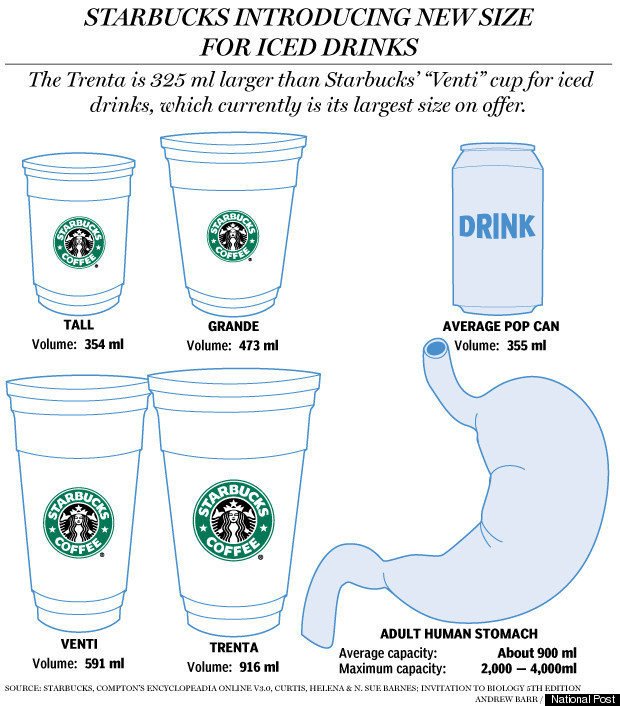
The introduction of the Trenta in 2011 was a calculated move in brand positioning. At 31 ounces, the Trenta is larger than the capacity of the average human stomach. While critics initially mocked the size, the brand logic was sound: it addressed a specific segment of “heavy users” and solidified Starbucks’ position in the “all-day refreshment” category.
Market Positioning for the Heavy User
The Trenta is strategically limited to iced coffee, iced tea, and Refresher beverages. This is a deliberate brand choice. You cannot get a 31-ounce hot latte because the brand identity of a latte is rooted in craft and milk-to-espresso ratios. By limiting the Trenta to cold, high-margin, high-volume beverages, Starbucks positions itself as a lifestyle companion for the entire day. The Trenta isn’t just a drink; it’s a “hydration plus” accessory that stays on a customer’s desk or in their cup holder for hours, providing constant brand visibility in the public sphere.
Maintaining Premium Perception at Scale
A common risk with “supersizing” is the cheapening of the brand. Value-driven brands often use large sizes to scream “more for less.” Starbucks, however, uses the Trenta to signal “more of the best.” By pricing the Trenta at a premium and keeping its availability selective, they avoid the “gas station soda” association. The design of the Trenta cup remains sleek and consistent with the brand’s aesthetic, ensuring that even at its largest size, the product looks like a luxury item rather than a bulk commodity.
Brand Consistency vs. Customer Demand: The Evolution of the Menu
The Starbucks menu is a living document that reflects the tension between maintaining a core brand identity and reacting to global consumer trends. The existence of the “largest size” is a response to a culture that increasingly equates volume with value, but Starbucks manages this demand through careful visual and operational hierarchy.
The Short and the Trenta: The Outliers
Interestingly, the official Starbucks menu board often hides the extremes. The “Short” (8 oz) is rarely listed, and the “Trenta” is often omitted from the main digital displays in favor of the “Grande” and “Venti.” This is a brand strategy known as “choice architecture.” By highlighting the middle-to-upper-middle sizes, Starbucks steers the consumer toward the most profitable and brand-representative options. The Trenta exists for those “in the know,” functioning as a secret handshake for the brand’s most dedicated enthusiasts, while the Grande remains the “hero” size that defines the brand’s visual standard.
Visual Hierarchy in the Retail Experience
When you walk into a Starbucks, the physical environment is designed to reinforce the brand. The cups are stacked in a way that emphasizes the “Venti” and “Grande” silhouettes. The Trenta, due to its massive size, is often kept out of immediate sight under the counter. This prevents the store from looking like a high-volume cafeteria. The brand maintains its “Third Place” identity—a cozy, sophisticated environment between work and home—by ensuring that the “industrial” scale of the Trenta doesn’t overwhelm the boutique feel of the store.
Operationalizing the Brand: Why Size Matters for Global Scalability
The “largest size” is not just a marketing gimmick; it is an operational feat that reinforces the brand’s promise of consistency. Whether you are in New York, Tokyo, or London, the expectation of what a “Venti” or “Trenta” represents must be identical. This scalability is a core component of the Starbucks brand equity.
Standardization Across 30,000+ Stores
The brand’s strength lies in its predictability. The engineering of the Trenta cup, the specific straws required for its depth, and the calibrated pumps of syrup needed to maintain flavor profile at 31 ounces are all part of a rigorous brand standard. For Starbucks, “size” is a metric of quality control. If the brand can deliver a balanced, flavorful beverage at the 31-ounce scale, it proves its operational excellence to the consumer. This reliability builds a “trust bridge” between the brand and the customer, making them more likely to try new, expensive seasonal offerings.
Customization as a Brand Moat
The Trenta size also provides the ultimate canvas for “the customized drink,” a trend that has exploded on social media. Larger volumes allow for more “room” for modifications—extra pumps, different milks, cold foam toppings, and drizzles. This customization is a key pillar of the Starbucks brand; it empowers the consumer to be their own “barista.” The Trenta offers the maximum real estate for these modifications, turning a simple beverage into a personalized, Instagram-ready statement of identity. By providing the largest canvas in the coffee industry, Starbucks ensures it remains the most talked-about brand on digital platforms.
Conclusion: The Trenta as a Brand Icon
What is the largest size at Starbucks? Physically, it is the 31-ounce Trenta. But strategically, it is a testament to the power of brand architecture. Starbucks has successfully navigated the path from a small Seattle roastery to a global behemoth by understanding that size is about more than just volume—it is about how that volume makes the customer feel.
The Trenta works because it is part of a cohesive brand story. It respects the Italian-inspired roots of the company while pivoting to meet the demands of a modern, “supersized” consumer base. It maintains a premium feel through selective availability and proprietary naming. Most importantly, it reinforces the Starbucks promise: providing a personalized, consistent, and slightly elevated experience, regardless of how many ounces are in the cup. Through the Trenta, Starbucks proves that in the world of branding, it’s not just about being big—it’s about being big with purpose.
aViewFromTheCave is a participant in the Amazon Services LLC Associates Program, an affiliate advertising program designed to provide a means for sites to earn advertising fees by advertising and linking to Amazon.com. Amazon, the Amazon logo, AmazonSupply, and the AmazonSupply logo are trademarks of Amazon.com, Inc. or its affiliates. As an Amazon Associate we earn affiliate commissions from qualifying purchases.