
California, a state renowned for its diverse landscapes and agricultural prowess, presents a fascinating challenge for gardeners and horticulturalists: understanding its multifaceted climate zones. While traditional gardening guides often rely on generalized USDA Plant Hardiness Zones, a more nuanced and data-driven approach, empowered by technology, offers a superior understanding of California’s microclimates. This article will delve into the technological advancements and digital tools that are revolutionizing how we identify and leverage California’s unique growing zones, moving beyond simplistic classifications to embrace a precision horticulture model.
The Evolving Landscape of Plant Hardiness Zones: Beyond USDA
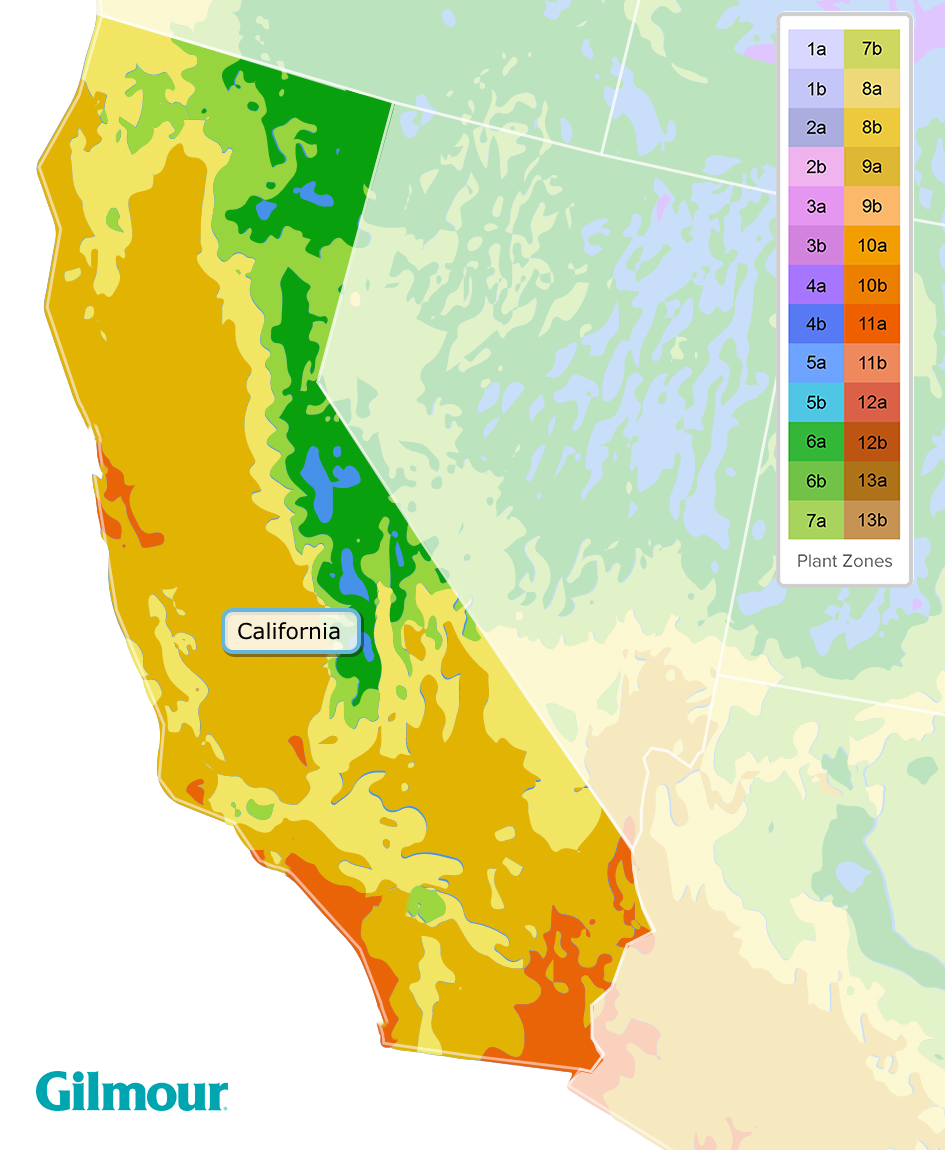
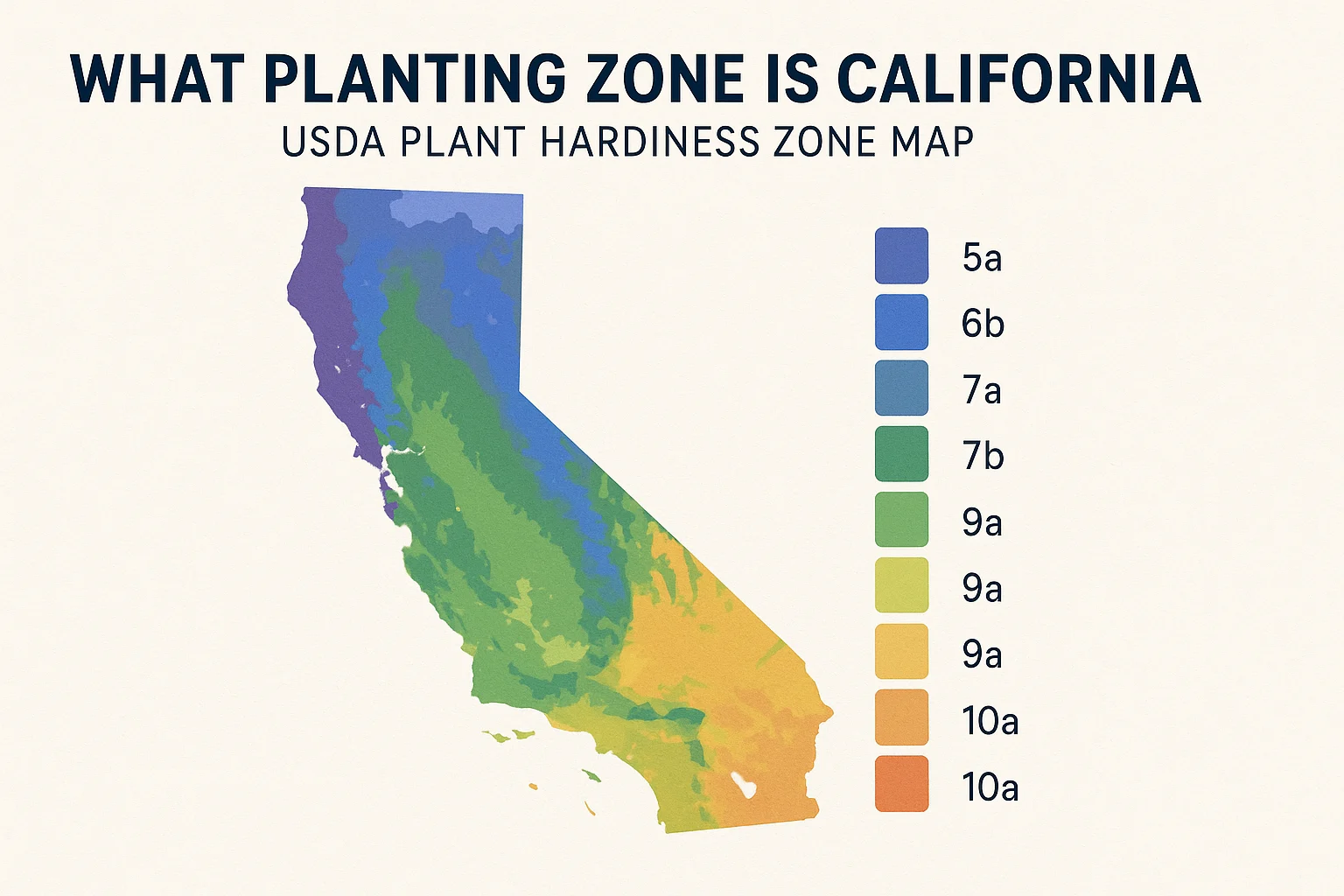
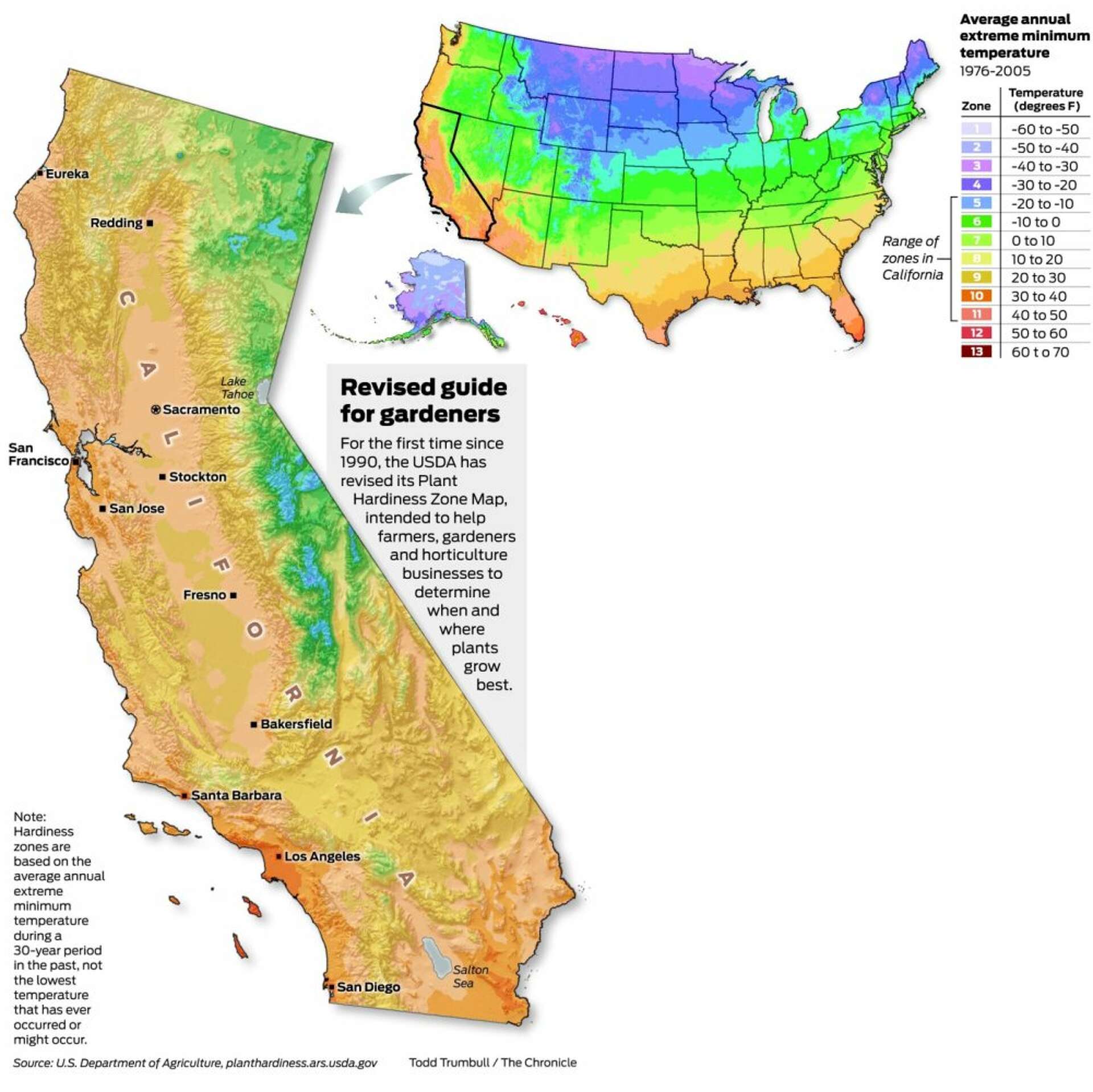
The USDA Plant Hardiness Zone Map has been the foundational tool for gardeners for decades. It categorizes areas based on the average annual extreme minimum winter temperature, providing a general guide for which perennial plants are likely to survive the winter in a particular location. However, for a state as geographically varied as California, this single metric often falls short. Factors such as elevation, proximity to the ocean, rainfall patterns, and urban heat islands create distinct microclimates that significantly influence plant survival and growth, often deviating from the broader USDA zone designations.
Limitations of Traditional Zone Mapping for California
California’s unique topography, stretching from coastal plains and arid deserts to towering mountain ranges, creates a mosaic of climatic conditions. A gardener in San Diego, with its mild coastal influence, faces entirely different challenges and opportunities than someone in the Sierra Nevada foothills or the Central Valley. The USDA map, while a useful starting point, often averages these conditions, leading to generalizations that can be misleading. For instance, a plant might be rated for Zone 8 according to USDA, but within Zone 8 in California, there can be substantial variations in frost severity, duration of chilling hours, and heat accumulation, all critical for successful cultivation.
The Rise of Digital Climate Data and Precision Horticulture
The advent of sophisticated digital climate data and the rise of precision horticulture are transforming our understanding of gardening zones. Instead of relying on broad temperature averages, modern approaches integrate a multitude of environmental factors collected by weather stations, satellites, and advanced modeling. This allows for hyper-local climate analysis, providing a much more accurate picture of the specific conditions a plant will experience. This shift from generalized zones to precise microclimate mapping is not just an academic exercise; it has direct implications for plant selection, irrigation strategies, pest management, and ultimately, the success of any gardening endeavor.
Leveraging Technology for Hyper-Local Climate Analysis
The digital age has equipped us with unprecedented tools to dissect California’s complex climate. By harnessing various technological resources, gardeners can move beyond educated guesses to data-backed decisions, ensuring healthier plants and more bountiful harvests.
Geographic Information Systems (GIS) and Spatial Analysis
Geographic Information Systems (GIS) are powerful platforms that integrate, manage, and analyze all types of geographically referenced data. For gardening, GIS can overlay various data layers, including elevation, soil type, historical weather patterns, and vegetation indices, to create detailed maps of California’s microclimates. These systems allow for the identification of specific pockets that might be warmer, cooler, wetter, or drier than the surrounding areas. For example, a GIS analysis might reveal a north-facing slope in a generally warm region that experiences significantly cooler temperatures, making it suitable for shade-loving plants that might otherwise struggle.
IoT Sensors and Real-Time Environmental Monitoring
The Internet of Things (IoT) has brought the power of real-time environmental monitoring directly into the hands of gardeners. Networks of interconnected sensors can collect data on temperature, humidity, soil moisture, light intensity, and even wind speed at a hyper-local level. This data can be streamed to cloud platforms, allowing for continuous analysis and the creation of dynamic climate profiles for specific garden locations. Imagine a system that not only tells you your general hardiness zone but also alerts you to frost warnings specific to your backyard, or indicates when soil moisture levels are critically low, all based on actual sensor readings. This level of granular data empowers gardeners to make immediate, informed decisions that traditional zone maps simply cannot facilitate.
AI-Powered Predictive Modeling for Climate Trends
Artificial Intelligence (AI) is now being employed to analyze vast datasets of historical and real-time climate information to predict future trends and identify subtle patterns. AI algorithms can learn from complex environmental interactions and forecast potential challenges like prolonged heatwaves, increased frost risk in specific microclimates, or shifts in rainfall patterns. This predictive capability is invaluable for long-term garden planning, allowing gardeners to select plants that are not only suited to current conditions but also resilient to projected climate changes. Furthermore, AI can assist in optimizing planting schedules, suggesting the best times to sow seeds or transplant seedlings based on predicted weather events, thereby maximizing the chances of successful germination and establishment.
Digital Tools and Platforms for California Gardeners
The technological advancements in climate analysis have spawned a range of user-friendly digital tools and platforms that empower both amateur and professional gardeners in California to better understand and utilize their specific growing conditions.
Mobile Apps for Microclimate Mapping and Plant Recommendation
A growing number of mobile applications are integrating GIS data, hyper-local weather forecasts, and plant databases to provide personalized gardening advice. These apps often allow users to pinpoint their exact location and receive detailed information about their microclimate, including estimated frost dates, heat unit accumulation, and optimal planting times. Many also offer intelligent plant recommendation engines that suggest varieties suited to the user’s specific conditions, taking into account factors beyond just the USDA hardiness zone. Some advanced apps can even integrate with IoT sensors to provide real-time feedback and alerts.
Online Databases and Climate Data Portals
Numerous online resources provide access to comprehensive climate data for California. Government agencies, research institutions, and private companies offer portals where users can explore historical weather data, climate projections, and detailed soil maps. These platforms can be invaluable for understanding the broader climatic trends impacting a region and for identifying specific environmental characteristics of a location. For those interested in a deeper dive, these databases can be used to manually analyze conditions or to inform the use of more specialized software.
Smart Irrigation Systems and Environmental Control
The integration of technology extends to the practical management of gardens. Smart irrigation systems, often controlled via mobile apps, use real-time weather data and soil moisture sensor readings to automatically adjust watering schedules. This not only conserves water, a critical resource in California, but also ensures plants receive the optimal amount of hydration, preventing both over- and under-watering, which can be exacerbated by microclimate variations. Similarly, smart greenhouses and controlled environment agriculture systems utilize sensors and AI to precisely manage temperature, humidity, and light, creating ideal growing conditions irrespective of external climatic zone definitions.
Redefining “California Garden Zone” Through Data and Technology
California’s diverse climate zones are not static entities but dynamic systems influenced by geography, elevation, and increasingly, by human activity and global climate change. The traditional, broad-stroke approach to defining these zones is becoming insufficient. Technology offers a path towards a more precise, data-driven understanding that empowers gardeners to cultivate more successfully and sustainably.
From Zones to Microclimates: A Paradigm Shift
The fundamental shift is from thinking in broad “zones” to understanding specific “microclimates.” A microclimate is a localized set of atmospheric conditions that differ from those of the surrounding area. In California, these can be as small as the area under a large tree, a north-facing wall, or a coastal bluff. By utilizing GIS, IoT sensors, and AI, gardeners can accurately map and characterize these microclimates within their own properties and across the state. This allows for highly targeted plant selection, planting strategies, and resource management.
Data-Driven Plant Selection and Risk Mitigation
With a detailed understanding of their microclimate, gardeners can move beyond general recommendations to selecting plants that are precisely suited to their environment. This means choosing varieties that can tolerate specific temperature fluctuations, heat accumulation, or chilling hours characteristic of their location. Furthermore, predictive AI modeling can help mitigate risks associated with changing climate patterns, enabling gardeners to make proactive choices that build resilience into their gardens. This data-driven approach reduces plant loss, conserves resources, and fosters a deeper connection with the specific ecological conditions of one’s gardening space.
The Future of Gardening in California: Personalized and Precise
The integration of technology into understanding and managing California’s garden zones heralds a future of personalized and precise gardening. As these tools become more accessible and sophisticated, the guesswork involved in gardening will diminish, replaced by informed decision-making. This not only leads to more successful gardening outcomes but also contributes to more sustainable practices, particularly in water-conscious California. By embracing the power of digital climate analysis, gardeners across the Golden State can unlock the full potential of their unique growing environments, fostering thriving landscapes and bountiful harvests.
aViewFromTheCave is a participant in the Amazon Services LLC Associates Program, an affiliate advertising program designed to provide a means for sites to earn advertising fees by advertising and linking to Amazon.com. Amazon, the Amazon logo, AmazonSupply, and the AmazonSupply logo are trademarks of Amazon.com, Inc. or its affiliates. As an Amazon Associate we earn affiliate commissions from qualifying purchases.