
In the competitive ecosystem of global sports, certain terms carry a weight that transcends their literal definitions. In professional soccer, the “cap” is perhaps the most prestigious of these symbols. While the casual observer might view a cap simply as a tally of appearances for a national team, a brand strategist views it as the ultimate “verified badge” of athletic excellence. A cap is more than a statistic; it is a fundamental pillar of a player’s personal brand, a marker of marketability, and a strategic asset in the high-stakes world of sports identity.

To understand what a cap means in soccer is to understand the construction of a global icon. It is the intersection of national pride and professional prestige, serving as a catalyst that transforms a local athlete into a global brand ambassador.
Understanding the “Cap” as a Metric of Professional Brand Authority
The term “cap” originates from the historical practice in the United Kingdom, where players were awarded physical caps for appearing in international matches. While the physical headwear is now largely symbolic or reserved for milestone achievements, the metaphorical value has grown exponentially. In the context of brand strategy, a cap serves as a “Proof of Work” (PoW) in one of the world’s most scrutinized industries.
The Origin of the Cap: From Physical Headwear to Digital Prestige
In the 19th century, the physical cap was a necessary part of the kit, helping to distinguish teammates. Today, the “cap” has been digitized and institutionalized. For a brand, history provides a narrative of authenticity. When a player earns their first cap, they are not just entering a pitch; they are entering an exclusive lineage of elite performers. This historical connection allows a player to leverage the “legacy brand” of their national team—whether it be the prestige of the Brazilian Seleção, the clinical reputation of Germany’s Nationalmannschaft, or the flair of the French Les Bleus.
Why Every Cap Represents a Tier Shift in Brand Identity
In branding, we often speak of “tiering.” A player who competes only at the club level—regardless of how talented they are—remains within a specific market segment. The moment they earn a cap, they undergo a “brand pivot.” They are no longer just a “Premier League player” or a “La Liga player”; they are an “International.” This distinction acts as a premium seal of approval. It signals to sponsors, fans, and future employers that the player has reached the pinnacle of their profession, successfully competing for one of the very few spots available in a national roster.
National Representation as the Ultimate Endorsement
A brand is only as strong as the associations it maintains. For a professional soccer player, the strongest possible association is with their country. This is the ultimate “co-branding” exercise. By wearing the national crest, a player inherits the emotional equity of millions of fans.
Leveraging the National Flag for Global Marketability
For a personal brand, “reach” is a critical KPI (Key Performance Indicator). While a club team has a localized or regional fan base, a national team represents an entire demographic and cultural identity. When a player earns caps, they gain access to a global stage that club football—even at the highest levels—cannot always replicate.
Consider the marketing strategy of major sportswear brands like Nike or Adidas. They do not just sign players; they sign “International Icons.” A player with 50 caps for their country has a much higher “Brand Resonance” than a player with 200 club appearances but zero international experience. The cap allows the player to become a “Hero Archetype” within their home country, opening doors for domestic endorsements that are unavailable to non-international peers.
The “International Call-up” Effect on Commercial Value
From a corporate identity perspective, an international call-up is akin to a startup receiving a Tier-1 Venture Capital investment. It validates the “product” (the player) and increases its valuation. This validation is essential for the player’s management team when negotiating image rights and sponsorship deals. A player who is a regular in their national team is perceived as a lower-risk investment for brands because their visibility is guaranteed during major international windows and tournaments like the FIFA World Cup or the UEFA European Championship.
Strategic Brand Management: From Debut to Century Club

The lifecycle of a player’s brand is often measured in caps. Strategic brand management involves not just getting that first cap, but maintaining a consistent presence in the national team to build a narrative of longevity and reliability.
Managing the “One-Cap Wonder” vs. The Consistent Icon
In the world of branding, consistency is king. A “one-cap wonder” is a brand that had a successful launch but failed to achieve sustainable growth. Their brand value often spikes briefly before plateauing or declining. Conversely, players who amass a high number of caps build a “Legacy Brand.”
The “Century Club”—players with 100 or more caps—represents the gold standard of sports branding. Reaching 100 caps tells a story of resilience, adaptation, and sustained excellence across different coaching eras and tactical shifts. This narrative is incredibly attractive to high-end corporate partners who want to associate their products with the concepts of “Timelessness” and “Elite Performance.”
The FIFA World Cup: The Grandest Stage for Brand Explosion
The World Cup is the ultimate trade show for soccer brands. While “caps” are earned in friendlies and qualifiers, the caps earned during a World Cup are “Premium Assets.” For many players, a single successful tournament can redefine their entire brand identity overnight. This is where “Brand Awareness” converts into “Brand Loyalty.” A player who scores in a World Cup final doesn’t just earn a cap; they become a permanent part of the national culture, ensuring their brand remains relevant long after they retire from the sport.
Digital Reputation and the “Cap” in the Age of Social Media
In the modern era, the “cap” has moved from the history books to the digital feed. Social media has changed how we perceive international appearances, turning every cap into a content opportunity that reinforces a player’s brand positioning.
Turning Stats into Stories: How Data Defines Player Perception
Modern fans consume soccer through a lens of data and storytelling. Digital platforms use “caps” as a primary metric to rank players in the “G.O.A.T.” (Greatest of All Time) conversation. A player’s digital footprint is significantly enhanced every time they are “capped.”
When a player posts a photo in their national team kit, the engagement rates typically outperform club-related content. This is because national identity triggers a deeper emotional response. From a brand strategy standpoint, these “International Windows” are prime times for players to launch products, announce partnerships, or engage in social causes, as their global visibility is at its peak.
Brand Longevity: Life After the Final Cap
The true test of a brand is its ability to survive after the primary product is no longer “in production.” For soccer players, the “cap count” is a permanent part of their professional CV. When a player transitions into coaching, broadcasting, or business, their international pedigree serves as their credentials.
A “Legend” brand—defined by a high number of caps—carries a level of authority that provides a competitive advantage in the second act of a career. Whether they are acting as a brand ambassador for a luxury watch company or providing expert analysis on a major network, the “caps” they earned during their playing days act as a perpetual endorsement of their expertise and status.
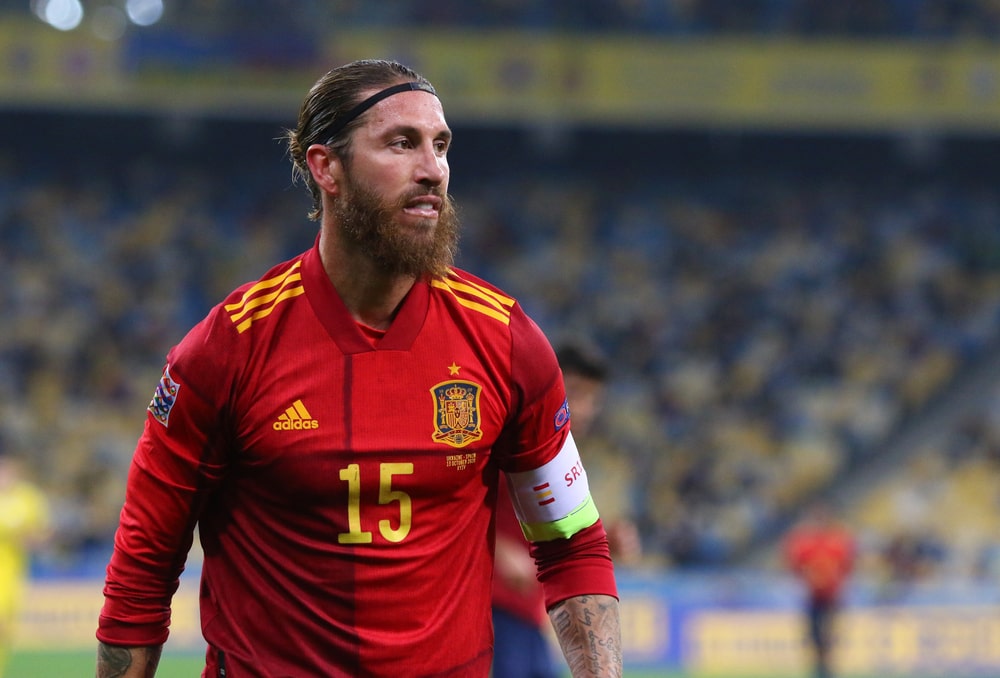
Conclusion: The Cap as the DNA of Soccer Branding
In conclusion, a “cap” in soccer is far more than a record of a game played. In the sophisticated world of brand strategy, it is a multi-faceted tool used to build authority, expand market reach, and establish a lasting legacy. It is the bridge between the individual athlete and the collective identity of a nation.
For the player, every cap is a brick in the foundation of their personal brand. For the sponsors, it is a metric of reliability and influence. And for the fans, it is a symbol of the highest level of achievement. As soccer continues to evolve into a global entertainment powerhouse, the meaning of a “cap” will only continue to grow in significance, serving as the ultimate differentiator in an increasingly crowded marketplace of talent. A player’s “cap” count is their story, their status, and ultimately, their brand.
aViewFromTheCave is a participant in the Amazon Services LLC Associates Program, an affiliate advertising program designed to provide a means for sites to earn advertising fees by advertising and linking to Amazon.com. Amazon, the Amazon logo, AmazonSupply, and the AmazonSupply logo are trademarks of Amazon.com, Inc. or its affiliates. As an Amazon Associate we earn affiliate commissions from qualifying purchases.