
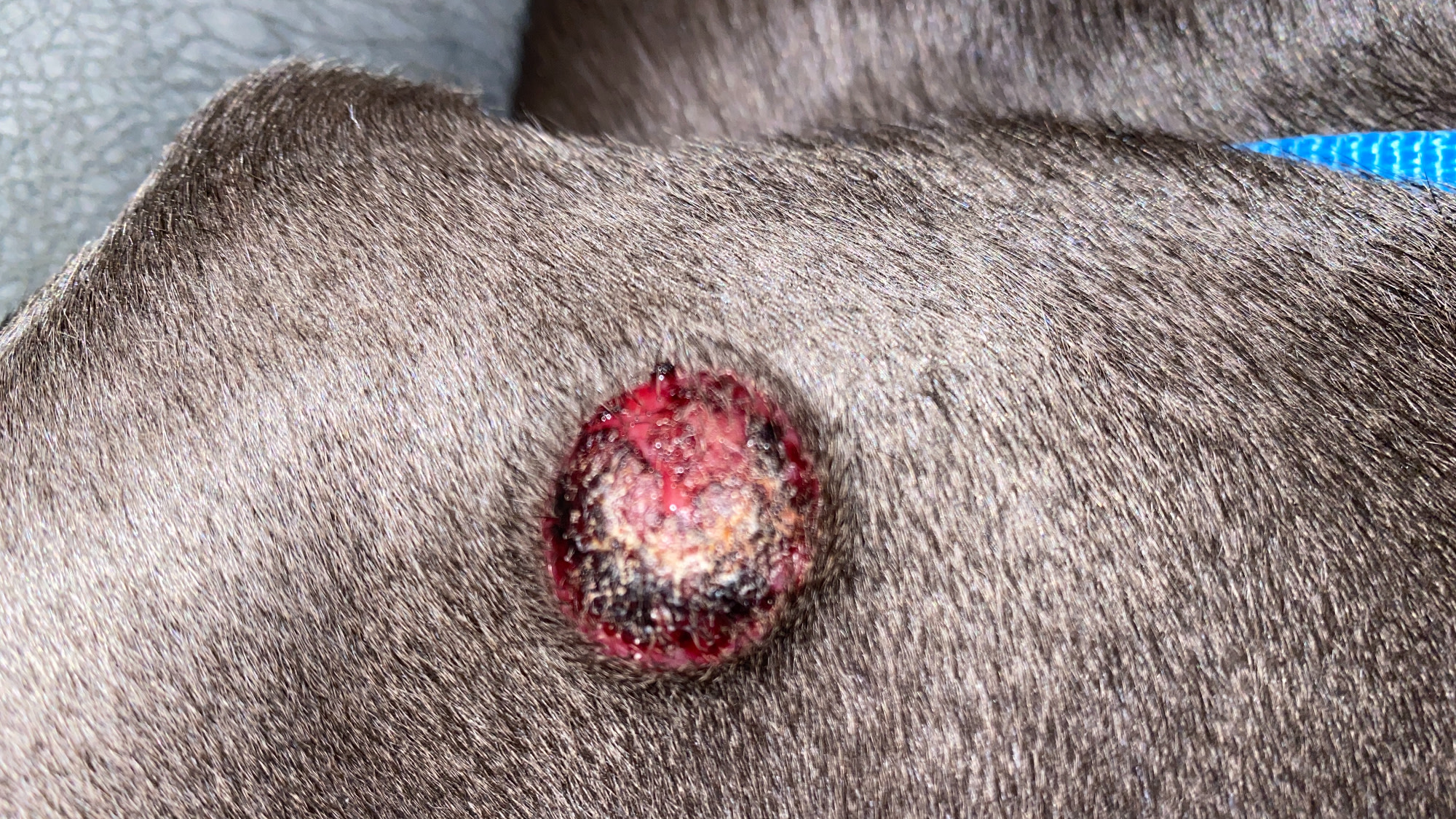
Finding a suspicious lump on a dog is a moment of profound emotional distress for any pet owner. However, once the initial shock subsides, a secondary, equally daunting reality sets in: the financial implications. In the modern economy, veterinary medicine has transitioned from basic care to highly sophisticated, specialized intervention. When we ask “what a cancerous lump looks like,” we are not just asking about physical morphology; we are asking about the beginning of a complex financial journey.
The detection of a growth is the catalyst for a series of economic decisions that involve risk management, capital allocation, and long-term financial planning. Understanding the costs associated with canine cancer—from the initial biopsy to the multi-stage treatment protocols—is essential for any pet owner navigating the contemporary “pet parent” economy.
The Economics of Diagnosis: Why a Simple Lump Carries Significant Financial Weight
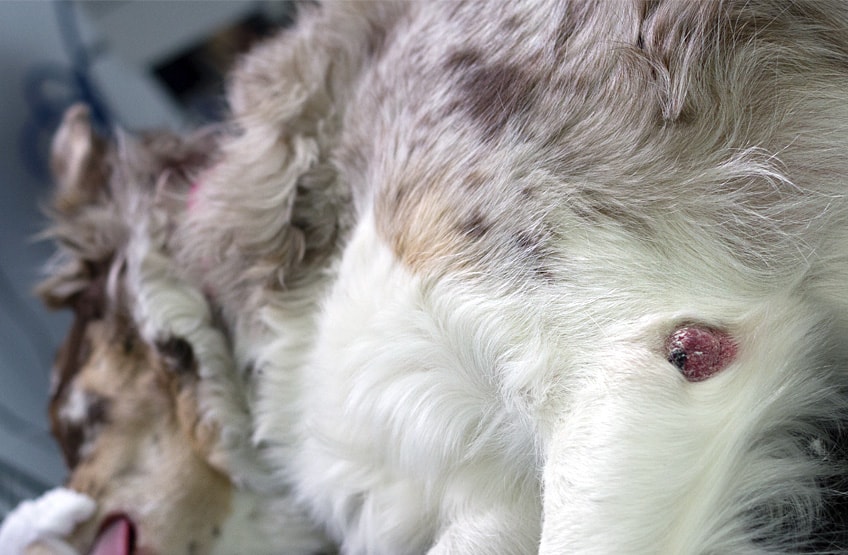
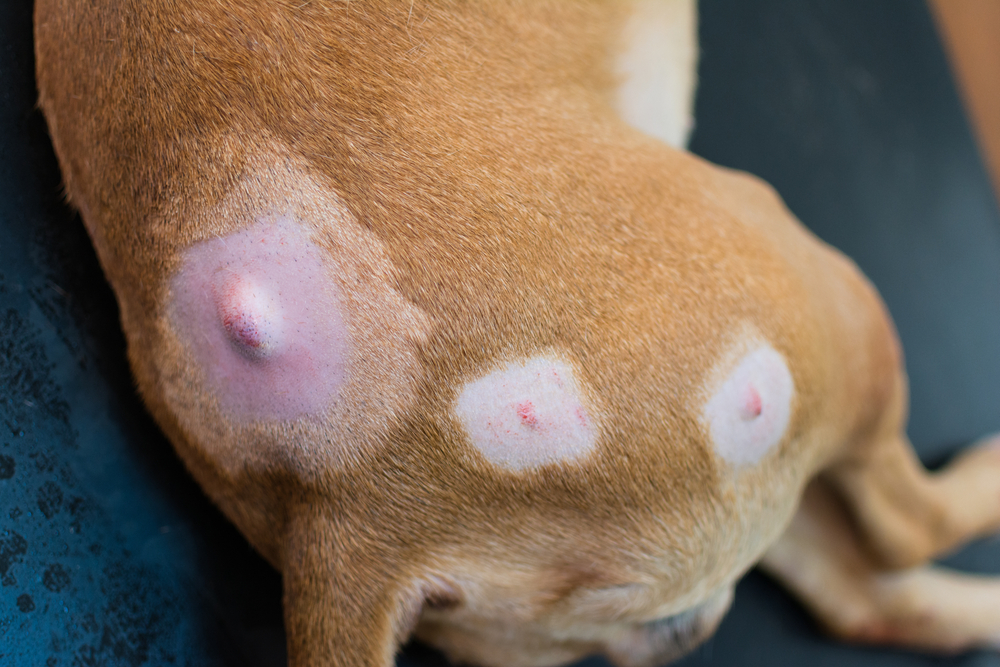
The visual appearance of a lump on a dog can be deceptive. A soft, moveable mass might be a benign lipoma (a fatty tumor), while a small, firm, or discolored nodule could be a mast cell tumor or a sarcoma. Because visual identification is medically impossible, the “look” of a lump immediately triggers a diagnostic billing cycle.
The Cost of Initial Consultations and Biopsies
The diagnostic phase is the first hurdle in the financial pipeline. A standard physical examination by a general practitioner usually ranges from $50 to $150, but this is merely the entry fee. To determine if a lump is cancerous, a veterinarian must perform a Fine Needle Aspirate (FNA) or a biopsy.
An FNA involves collecting cells for cytological examination, typically costing between $150 and $300, including pathology fees. If the results are inconclusive, a surgical biopsy is required. This procedure involves sedation or anesthesia, surgical time, and histopathology, which can quickly escalate costs to the $500–$1,500 range. At this stage, the pet owner is already making an investment in information—buying the data necessary to decide on further capital outlays.
Advanced Imaging: The High Price of Precision
If a lump is confirmed as malignant, the next financial step is “staging.” This is the process of determining if the cancer has spread. In the world of veterinary finance, staging represents a significant uptick in expenditure.
Modern veterinary oncology utilizes human-grade technology. Digital radiography (X-rays) may cost $200–$400, but for more aggressive cancers, a CT scan or an MRI is often recommended. These procedures require specialized facilities and board-certified radiologists, with price tags ranging from $1,500 to $3,500 per session. For the pet owner, this represents a high-stakes decision: the more precise the data, the more expensive the “discovery” phase becomes.
Navigating the Veterinary Oncology Market: Treatment Costs and Consumer Choice
Once a diagnosis is finalized, the pet owner enters the specialized veterinary market. This is a sector characterized by high demand and limited supply (specialized oncologists). The “look” of the lump—its size, location, and type—dictates which “service package” the owner must purchase.
Surgical Interventions: CAPEX for Your Pet’s Health
Surgery is often the primary treatment for localized tumors. From a financial perspective, surgery can be viewed as a one-time capital expenditure (CAPEX). The goal is to remove the “lump” with “clean margins,” which often involves removing surrounding healthy tissue.
The cost of canine cancer surgery varies wildly based on the complexity and location of the tumor. A simple excision of a skin tumor might cost $1,000, but a splenectomy (removal of the spleen) or a limb amputation due to osteosarcoma can range from $3,000 to $6,000. These costs include the surgeon’s fee, anesthesia, operating room overhead, and post-operative hospitalization. For many households, this represents a significant liquidity event that requires immediate access to cash or credit.
Chemotherapy and Radiation: The Ongoing Operational Expense
If the cancer is systemic or the “lump” cannot be fully removed, owners must consider chemotherapy or radiation. Unlike surgery, these are operational expenses (OPEX)—ongoing costs that must be managed over months or even years.
Chemotherapy in dogs is not generally as aggressive as in humans, but it is nonetheless expensive. Depending on the drug protocol (e.g., the CHOP protocol for lymphoma), costs can range from $200 to $600 per treatment, with a full course totaling $5,000 to $10,000. Radiation therapy is even more capital-intensive, often requiring 15 to 20 sessions at a specialized center, with total costs frequently exceeding $7,000 to $12,000. When evaluating these options, pet owners are essentially performing a cost-benefit analysis on the “quality-adjusted life years” (QALYs) of their animal.
Risk Management: Pet Insurance and Emergency Fund Strategies
The financial shock of a “cancerous lump” highlights the importance of proactive risk management. In the absence of a socialized healthcare system for animals, the burden of funding falls entirely on the individual. This has led to the rapid growth of the pet insurance industry and alternative financing models.
Analyzing the ROI of Premium Pet Insurance
Pet insurance has evolved from a niche product into a sophisticated financial tool. For an owner who detects a lump, the value of their insurance policy depends entirely on whether the policy was in place before the lump appeared. Once a lump is noted in a medical record, it is classified as a “pre-existing condition,” rendering it uninsurable by any new provider.
The Return on Investment (ROI) for pet insurance is highest in oncology cases. With monthly premiums ranging from $30 to $100, an owner might pay $6,000 in premiums over the life of a dog. If that dog develops a mast cell tumor requiring $10,000 in treatment, the insurance policy provides a massive net gain. However, owners must navigate complex reimbursement models (actual vet bill vs. usual and customary rates) and deductible structures to ensure their “coverage” is truly liquid when needed.
Self-Funding vs. External Financing (CareCredit and Beyond)
For the 95% of American pet owners without insurance, a cancer diagnosis necessitates immediate external financing. This has created a boom for companies like CareCredit or Scratchpay, which offer “buy now, pay later” (BNPL) solutions specifically for veterinary care.
While these tools provide vital liquidity, they come with financial risks. Deferred interest promotions can lead to interest rates exceeding 25% if the balance isn’t paid within the promotional period. Financial advisors now often suggest that pet owners maintain a dedicated “Pet Emergency Fund”—a liquid savings account containing $3,000 to $5,000—to mitigate the need for high-interest debt when a suspicious lump is discovered.
The Macro-Economics of Pet Health: Market Trends in Specialized Veterinary Care
The way we treat a cancerous lump on a dog is also being shaped by broader market forces. The veterinary industry is currently undergoing a massive consolidation, with private equity firms and large corporations (such as Mars Inc. and JAB Holding Company) acquiring independent clinics at record rates.
The Rise of Private Equity in Veterinary Medicine
The influx of institutional capital into veterinary medicine has led to increased professionalization and access to high-tech equipment, but it has also influenced pricing. Corporate-owned clinics often have more rigid pricing structures and a higher focus on “average client transaction” (ACT) metrics.
For the pet owner, this means that the diagnosis of a lump is handled with high efficiency but often at a higher price point than at a traditional “mom-and-pop” clinic. The “look” of the lump now triggers a standardized diagnostic protocol designed to maximize clinical outcomes and corporate revenue simultaneously.
Corporate Consolidation and Its Impact on Pricing
As specialty centers (oncology, neurology, surgery) become increasingly consolidated, the lack of local competition in certain regions can lead to “price inelasticity.” If only one facility in a 100-mile radius offers stereotactic radiation for canine tumors, they have significant pricing power.
This macro trend underscores the importance of the “Money” aspect of pet ownership. Treating a cancerous lump is no longer just a medical challenge; it is a navigation of a consolidated, multi-billion-dollar industry. Consumers must be increasingly savvy, seeking second opinions and comparing costs across different corporate networks to ensure they are getting the best value for their investment.
Conclusion: The Financial Reality of the “Lump”
Ultimately, what a cancerous lump “looks like” on a dog is a multifaceted question. To a veterinarian, it looks like a collection of abnormal cells. To a pet owner, it looks like a beloved companion in danger. But to the financial planner or the market analyst, it looks like a significant economic event.
The modern pet owner must balance their emotional bond with a clear-eyed understanding of the veterinary marketplace. By recognizing the costs of diagnosis, the price of specialized treatment, and the necessity of risk management tools like insurance, owners can ensure that when they find a suspicious lump, their focus can remain on their dog’s recovery rather than their own financial ruin. In the “pet economy,” being informed is the best way to protect both your dog’s health and your own financial future.
aViewFromTheCave is a participant in the Amazon Services LLC Associates Program, an affiliate advertising program designed to provide a means for sites to earn advertising fees by advertising and linking to Amazon.com. Amazon, the Amazon logo, AmazonSupply, and the AmazonSupply logo are trademarks of Amazon.com, Inc. or its affiliates. As an Amazon Associate we earn affiliate commissions from qualifying purchases.