
In the global culinary landscape, few items bridge the gap between “food” and “financial asset” as effectively as roe. While the casual diner might view roe sushi—those glistening, jewel-like spheres atop a nigiri or rolled into a maki—as a simple garnish, the savvy investor and business professional see a complex multi-billion-dollar industry. Roe, or fish eggs, represents a pinnacle of luxury seafood economics, characterized by high barriers to entry, volatile supply chains, and significant profit margins.
To understand “what is roe sushi” through the lens of business and finance is to understand the mechanics of scarcity, the value of brand perception, and the intricacies of the global seafood trade. This article explores the financial structures behind roe sushi, the investment potential of the aquaculture sector, and how businesses leverage this “marine gold” to drive revenue in the high-end hospitality market.
The Market Hierarchy: Defining the Financial Tiers of Roe
From a business perspective, not all roe is created equal. The “roe sushi” category is segmented into distinct price brackets, each serving a different demographic and operating on different margin structures. Understanding these tiers is essential for anyone looking to enter the seafood trade or optimize a restaurant’s COGS (Cost of Goods Sold).
The Entry-Level Volume: Masago and Tobiko
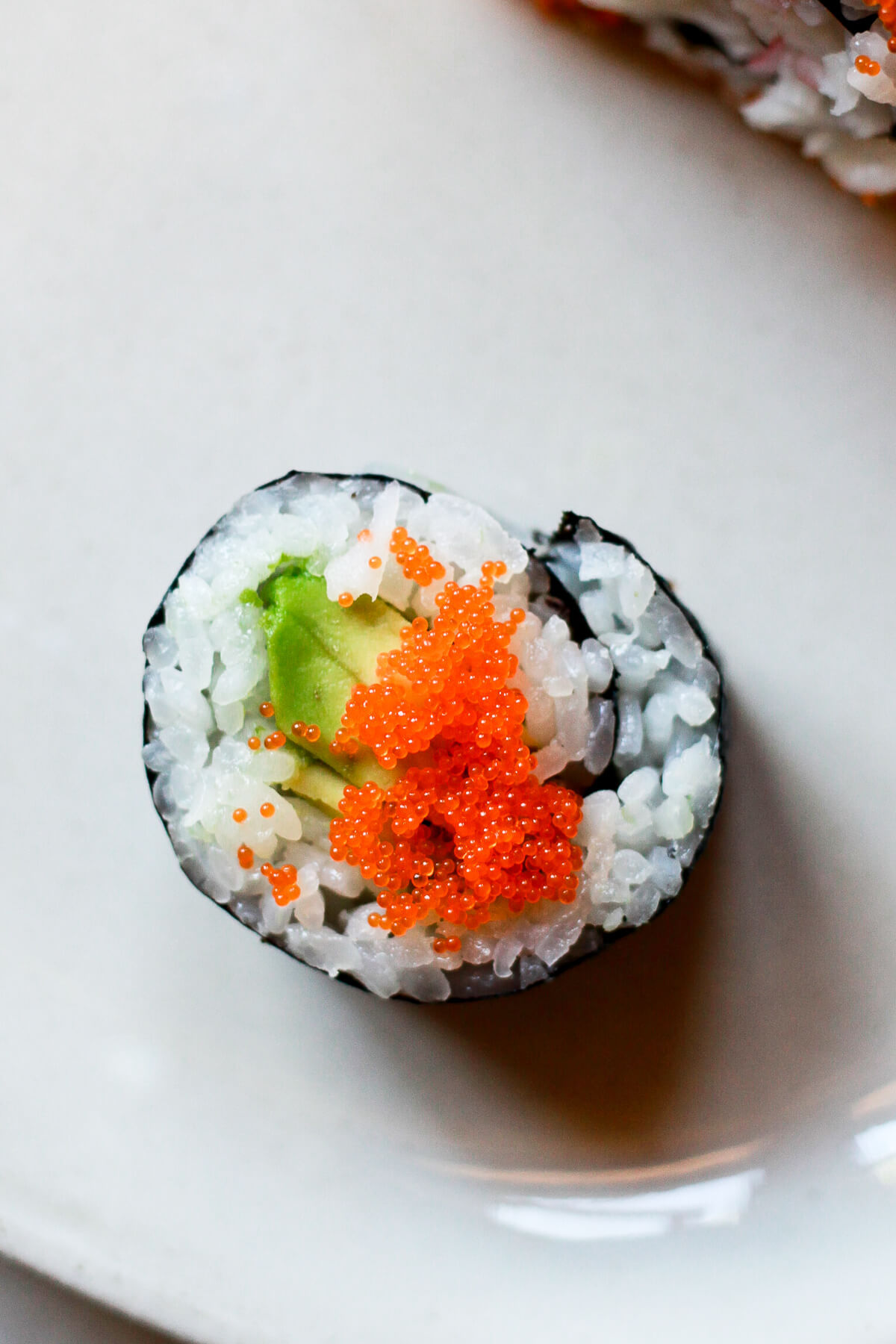
Masago (capelin roe) and Tobiko (flying fish roe) represent the high-volume, lower-margin segment of the market. These are the workhorses of the casual sushi industry. For a business owner, these products offer a high “perceived value” for a relatively low acquisition cost. They are often dyed (using squid ink for black, wasabi for green, or citrus for orange) to increase aesthetic appeal, allowing restaurants to charge a premium for “specialty rolls” without a significant increase in raw material costs.
The Mid-Tier Staple: Ikura
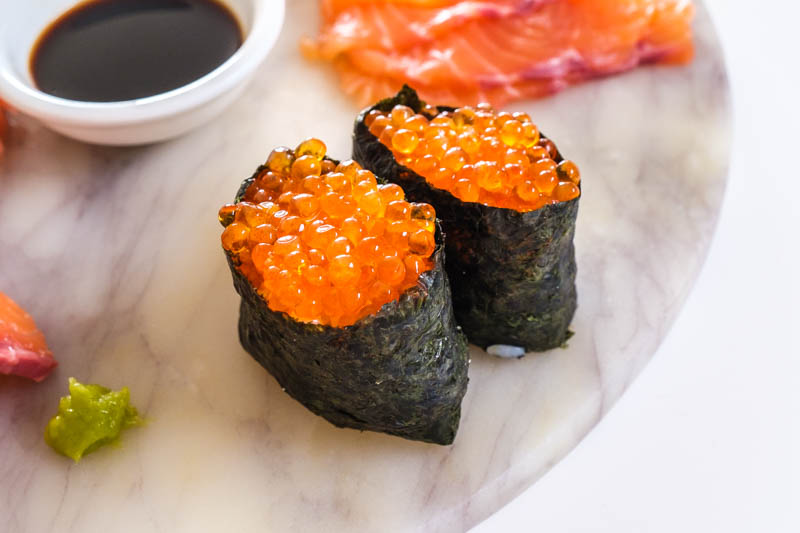
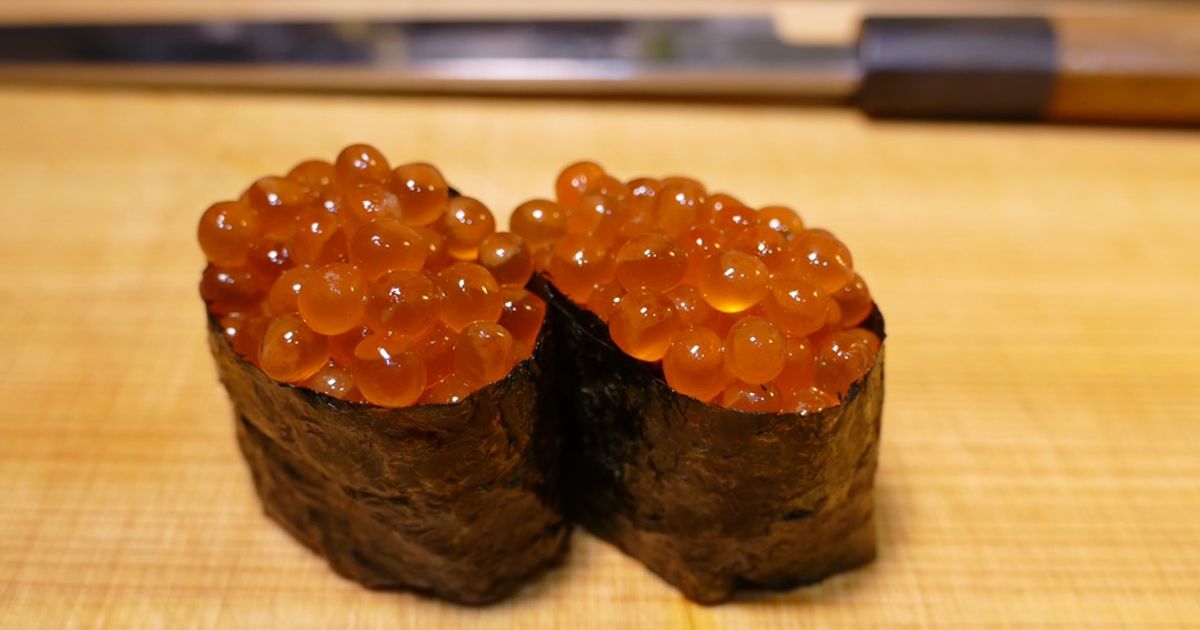
Ikura, or salmon roe, occupies the mid-to-high tier of the market. Unlike the smaller, crunchier roes, Ikura is prized for its size and “pop.” From a financial standpoint, Ikura is highly sensitive to seasonal fluctuations and environmental regulations in regions like Alaska and Hokkaido. Investors in seafood commodities track salmon spawning cycles closely, as a bad season can lead to a 30-50% spike in wholesale prices, directly impacting the bottom line of sushi franchises globally.
The Luxury Apex: Caviar and Rare Roes
While “caviar” technically refers only to sturgeon roe, it often intersects with the high-end sushi market in the form of “Black Gold” toppings. This is the realm of extreme luxury, where a few grams can cost hundreds of dollars. Here, the business model shifts from volume to exclusivity. The ROI (Return on Investment) in this sector is driven by brand prestige and the ability to cater to the ultra-high-net-worth (UHNW) demographic.
The Business of the Plate: Margins and Revenue Models
In the world of professional food service and hospitality finance, roe sushi is often used as a “margin booster.” Because roe is concentrated in flavor and visual impact, a very small amount—often measured in grams—can justify a significant price hike for a dish.
Ingredient Cost vs. Premium Pricing
A standard piece of salmon nigiri might have a set price point based on the local market. However, by adding a small crown of Ikura, a restaurant can transform that piece into a “premium” offering. The cost of the added roe might be $0.80, but the added value to the consumer often allows for a $3.00 to $5.00 increase in the menu price. This represents a massive percentage markup, making roe one of the most profitable items in a sushi chef’s inventory.
Supply Chain Logistics and Value Retention
The logistics of roe are a masterclass in cold-chain management. Because roe is highly perishable, the financial risk of “shrinkage” (waste) is high. Businesses that succeed in this niche utilize advanced inventory tracking and “Just-in-Time” (JIT) delivery systems. For an online seafood retailer, the ability to move roe from the processing facility to the consumer’s door while maintaining a specific temperature range is the difference between a profitable venture and a total loss of capital.
Scaling the Niche: Wholesale vs. Boutique Retail
There is a growing market for “direct-to-consumer” (DTC) luxury roe. By bypassing traditional distributors, boutique brands are capturing higher margins. This side-hustle-turned-enterprise model involves sourcing high-quality roe from sustainable fisheries and branding it as a lifestyle product. The “unboxing” experience of high-end Ikura or Tobiko has become a marketing tool in itself, driving organic growth through social proof.
Investment Trends in the Global Roe Market
For the private investor or the corporate entity, the roe market offers unique opportunities, particularly in the realm of aquaculture and “Blue Economy” ventures.
Sustainability as a Financial Risk and Opportunity
Overfishing and climate change pose a direct threat to the wild roe supply. Consequently, sustainability certifications (like MSC) are no longer just ethical choices; they are financial safeguards. Companies that invest in sustainable harvesting practices are seeing higher long-term valuations because they are “future-proofing” their supply. Investors are increasingly looking at ESG (Environmental, Social, and Governance) scores when evaluating seafood conglomerates.
The Rise of Domestic Caviar and Roe Production
Traditionally, the finest roe came from specific regions in Russia, Iran, or Japan. However, we are seeing a shift toward domestic production in the U.S., China, and Europe. Investing in sturgeon or salmon farms—land-based recirculating aquaculture systems (RAS)—is a capital-intensive but high-reward play. These facilities reduce the “geopolitical risk” associated with importing luxury goods and allow for tighter control over the quality of the “financial harvest.”
Traceability and Blockchain in Seafood Finance
One of the biggest hurdles in the roe business is fraud (e.g., selling dyed Masago as Tobiko or mislabeling the origin of Ikura). To combat this, tech-forward firms are implementing blockchain traceability. For an investor, this technology provides “provable authenticity,” which maintains the asset’s value. A batch of roe that can be traced back to a specific sustainable farm in Hokkaido commands a higher market price than an anonymous bulk shipment.
Perception of Rarity and Price Elasticity
The “What is Roe Sushi” question eventually leads to a discussion on marketing and brand psychology. In finance, price elasticity measures how much the demand for a product changes when its price changes. Roe sushi possesses a unique “Veblen good” quality—where the high price actually increases its desirability.
Branding the “Jewels of the Sea”
Successful brands in the roe space don’t sell fish eggs; they sell status, celebration, and sensory experience. This is a key lesson in personal branding and corporate identity. By positioning roe as a “seasonal delicacy” or a “limited release,” companies can maintain high prices even when supply is stable. The use of gold-leaf packaging or collaborations with high-end spirits (e.g., vodka or champagne pairings) reinforces this luxury branding.
The “Side Hustle” for Chefs: Private Labels
Many top-tier sushi chefs are now launching their own private labels of roe and soy-cured Ikura. This is a form of personal branding that allows them to monetize their expertise beyond the four walls of their restaurant. By leveraging their reputation, they can sell curated roe kits to home enthusiasts, creating a secondary stream of “passive” or “semi-passive” income that scales much better than a service-based business.
Future Outlook: The Intersection of Bio-Tech and Food Finance
As we look toward the future of the roe sushi industry, the integration of biotechnology and financial tools will be paramount.
Cell-Cultured Roe: The Next Frontier
Startups are currently working on “lab-grown” roe. From an investment perspective, this is a high-risk, high-reward sector. If a company can successfully produce “biologically identical” Ikura without the need for a fish, they will disrupt a centuries-old market. This would effectively turn roe production into a software-like scalability model, where the marginal cost of production drops significantly over time.
Conclusion: Roe as a Micro-Economy
To ask “what is roe sushi” is to open a door into the world of luxury commodities, precision logistics, and strategic branding. Whether you are a restaurateur looking to optimize your menu’s profit margins, an investor seeking “alternative assets” in the food tech space, or a marketer studying the psychology of luxury, roe provides a fascinating case study.
In the end, roe sushi is more than just a culinary delight; it is a testament to how human beings assign value to rarity and beauty. In the world of money and business, those small, translucent eggs represent the potential for massive returns, provided one understands the delicate balance of the market that produces them. By focusing on sustainability, brand equity, and supply chain excellence, the business of roe sushi will continue to thrive as a cornerstone of the global luxury economy.
aViewFromTheCave is a participant in the Amazon Services LLC Associates Program, an affiliate advertising program designed to provide a means for sites to earn advertising fees by advertising and linking to Amazon.com. Amazon, the Amazon logo, AmazonSupply, and the AmazonSupply logo are trademarks of Amazon.com, Inc. or its affiliates. As an Amazon Associate we earn affiliate commissions from qualifying purchases.