
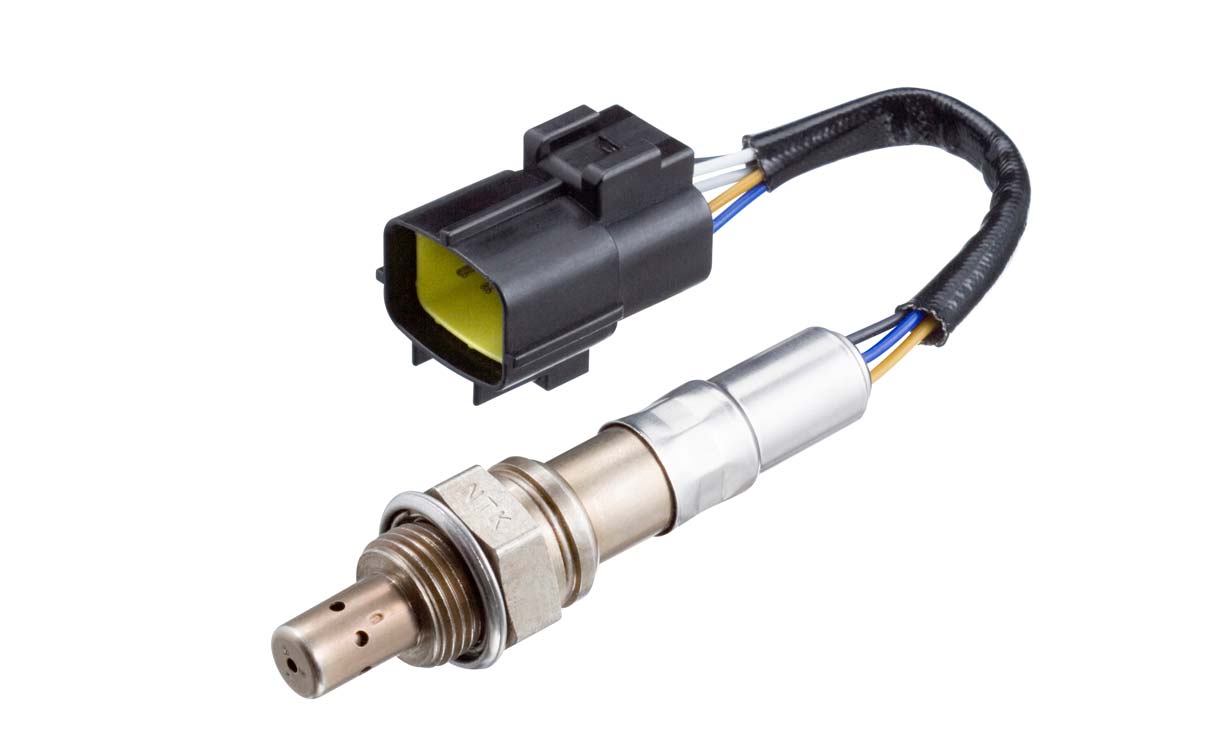
The humble oxygen sensor, often overlooked in the complex tapestry of a modern vehicle, plays an absolutely critical role in its performance, efficiency, and environmental impact. Sometimes referred to as a lambda sensor, this unsung hero is essentially the car’s chemical detective, constantly sniffing the exhaust gases to provide vital information to the engine control unit (ECU). Without its diligent work, your car would struggle to run optimally, burning more fuel, emitting excessive pollutants, and potentially leading to costly repairs. Understanding its function is not just for mechanics; for any car owner interested in maintaining their vehicle’s health and maximizing its lifespan, grasping the importance of the O2 sensor is fundamental.
The Core Function: Monitoring Exhaust Gas Composition
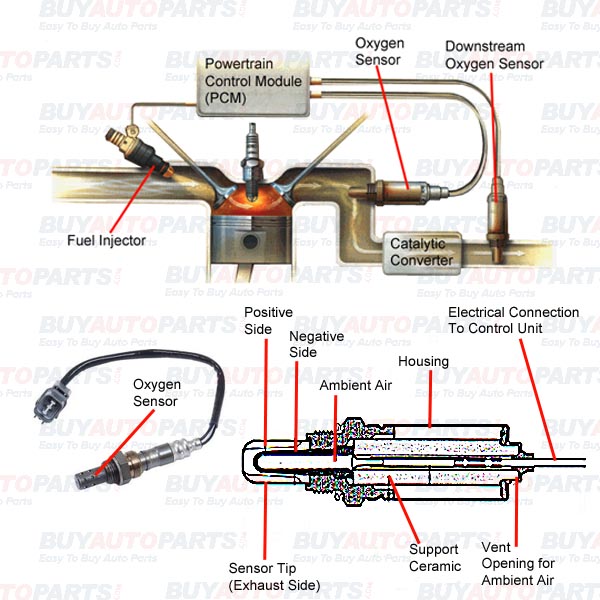
At its heart, the oxygen sensor’s primary job is to measure the amount of unburned oxygen present in the exhaust gases leaving the engine. This measurement is then transmitted as a voltage signal to the ECU, which uses this data to fine-tune the air-fuel mixture being injected into the cylinders. The ideal air-fuel ratio for complete combustion is known as the stoichiometric ratio, which is approximately 14.7 parts air to 1 part fuel by weight for gasoline engines. The O2 sensor helps the ECU maintain this precise balance, ensuring that the engine is neither running too lean (too much air, not enough fuel) nor too rich (too much fuel, not enough air).
The Air-Fuel Ratio: A Delicate Equilibrium
The air-fuel ratio is the cornerstone of efficient internal combustion. When the ratio is correct, fuel combusts completely, producing primarily carbon dioxide (CO2) and water (H2O) as exhaust byproducts, along with a small amount of nitrogen.
- Lean Mixture: If the mixture is too lean, there’s excess oxygen in the exhaust. This means not all the available fuel has been burned. While this can sometimes improve fuel economy slightly in specific situations, prolonged lean conditions can lead to engine overheating, detonation (engine knocking), and damage to catalytic converters and engine components. The O2 sensor will detect this excess oxygen and send a signal indicating a lean condition.
- Rich Mixture: Conversely, a rich mixture means there’s insufficient oxygen for complete combustion. This results in wasted fuel, incomplete combustion, and the production of more harmful byproducts like carbon monoxide (CO) and unburned hydrocarbons (HC). The O2 sensor will detect the low oxygen content (implying excess fuel) and signal a rich condition.
The ECU’s Role: Real-Time Adjustments
The ECU is the brain of the engine, and the O2 sensor is one of its most crucial sensory inputs. Based on the voltage signal from the O2 sensor, the ECU makes instantaneous adjustments to the amount of fuel injected by the fuel injectors. This is a continuous, feedback loop. If the sensor indicates a lean condition, the ECU will command the injectors to deliver slightly more fuel. If it indicates a rich condition, it will reduce the fuel delivery. This dynamic adjustment allows the engine to adapt to varying conditions, such as changes in engine load, temperature, and altitude, always striving to maintain that optimal air-fuel ratio.
Types of Oxygen Sensors and Their Operation
Over the years, oxygen sensor technology has evolved. While the fundamental purpose remains the same, different types of sensors operate using slightly different principles and offer varying levels of performance and diagnostic capability. Understanding these distinctions can provide further insight into their function.
Zirconia Oxygen Sensors: The Traditional Workhorse
The most common type of oxygen sensor found in vehicles for decades has been the zirconia sensor. These sensors are made of a ceramic material, typically zirconium dioxide, which has a unique electrochemical property. At high temperatures (above 600°F or 315°C), zirconia becomes an electrolyte, allowing oxygen ions to pass through.
- How they work: The sensor has two platinum electrodes, one exposed to exhaust gas and the other to ambient air. A difference in oxygen concentration between these two points creates a voltage. When the exhaust gas has low oxygen (rich mixture), the voltage is high. When the exhaust gas has high oxygen (lean mixture), the voltage is low. This switching action between high and low voltage is what the ECU monitors.
- Heated Oxygen Sensors (HO2S): To overcome the limitation of requiring high operating temperatures, most modern zirconia sensors are heated. A built-in heating element brings the sensor up to its optimal operating temperature much faster after the engine starts. This is crucial for emissions control, as a significant amount of emissions are produced during the cold-start phase before the exhaust gases are hot enough to activate an unheated sensor. Heated sensors improve catalyst efficiency and reduce overall emissions, especially during the initial warm-up period.
Titania Oxygen Sensors: An Alternative Approach
Titania oxygen sensors, less common than zirconia sensors, operate on a different principle. Instead of generating a voltage based on oxygen concentration, they change their electrical resistance.
- How they work: These sensors use a titanium dioxide ceramic. The electrical resistance of the titania material changes significantly with the amount of oxygen present in the exhaust gas. A low oxygen concentration (rich mixture) results in low resistance, while a high oxygen concentration (lean mixture) results in high resistance. The ECU measures this resistance to determine the air-fuel ratio. While effective, they are generally slower to respond and less robust than zirconia sensors.
Wideband Oxygen Sensors (Air-Fuel Ratio Sensors): Precision for Performance
For modern engines, particularly those designed for high performance or optimized for precise fuel control, wideband oxygen sensors are becoming increasingly prevalent. Unlike traditional narrowband sensors that provide a simple “rich” or “lean” signal, wideband sensors can accurately measure the precise air-fuel ratio across a much wider spectrum, from very rich to very lean.
- How they work: Wideband sensors are more complex and typically use a combination of electrochemical cells, including a “pumping cell” and a “Nernst cell.” The pumping cell actively draws oxygen out of or pumps it into a diffusion gap between the sensing element and the exhaust stream. By adjusting the current needed to maintain a specific oxygen concentration within this gap, the sensor can accurately calculate the air-fuel ratio. This provides the ECU with a much more granular and precise data point, allowing for finer control over fuel injection and ignition timing. This precision is vital for maximizing power output, improving fuel efficiency under various loads, and ensuring that the catalytic converter operates at its peak efficiency across a broader range of conditions.
The Impact on Engine Performance and Emissions
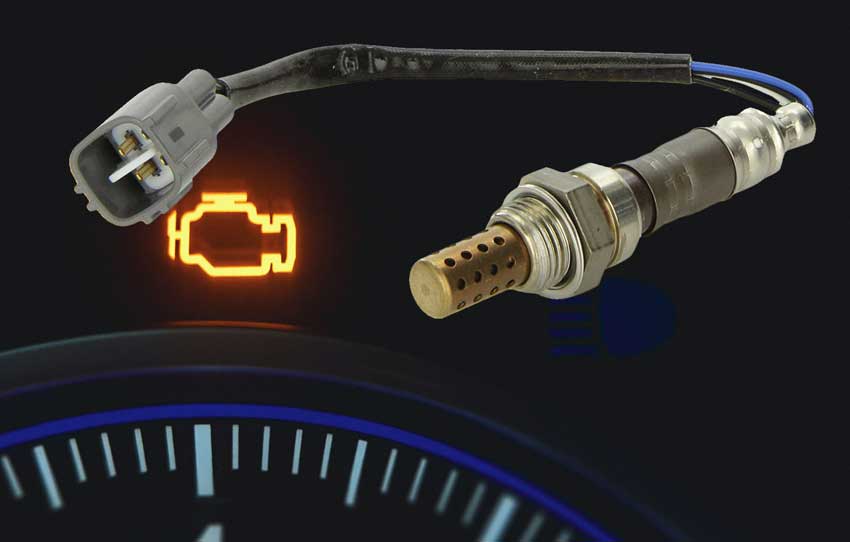
The O2 sensor’s continuous monitoring and the ECU’s subsequent adjustments have a profound impact on how your vehicle performs and how cleanly it operates. A properly functioning O2 sensor system translates directly into tangible benefits for the driver and the environment.
Fuel Efficiency: Maximizing Every Drop
One of the most direct benefits of a functioning O2 sensor is improved fuel economy. By ensuring the air-fuel mixture is always close to stoichiometric, the engine burns fuel more efficiently. A rich mixture, for instance, wastes unburned fuel, which is expelled out the exhaust. Over time, this wasted fuel adds up, leading to a noticeable decrease in miles per gallon. A faulty O2 sensor that incorrectly signals a lean condition might cause the ECU to over-fuel, also leading to poor MPG. Therefore, a healthy O2 sensor is a critical component in achieving optimal fuel efficiency.
Emissions Control: A Greener Footprint
Perhaps the most significant role of the O2 sensor is in reducing harmful vehicle emissions. The catalytic converter, a vital component in the exhaust system, is designed to convert toxic pollutants like carbon monoxide (CO), unburned hydrocarbons (HC), and nitrogen oxides (NOx) into less harmful substances such as carbon dioxide (CO2), water (H2O), and nitrogen (N2).
- Catalytic Converter Efficiency: The catalytic converter operates most effectively within a narrow window of exhaust gas composition, specifically around the stoichiometric air-fuel ratio. When the O2 sensor helps the ECU maintain this precise ratio, it ensures that the exhaust gases entering the catalytic converter are in the ideal state for the chemical reactions to occur. If the O2 sensor is not functioning correctly, the air-fuel mixture can deviate significantly, making the catalytic converter far less effective. This can lead to a drastic increase in harmful emissions, often triggering a “Check Engine” light and failing emissions tests.
- Reducing Pollution: By enabling the catalytic converter to function optimally, the O2 sensor plays a direct role in reducing smog-forming pollutants and greenhouse gases, contributing to cleaner air and a healthier environment.
Engine Performance: Smooth Running and Power Delivery
Beyond efficiency and emissions, the O2 sensor also contributes to overall engine smoothness and consistent power delivery.
- Preventing Misfires and Hesitation: An incorrect air-fuel mixture can lead to misfires, rough idling, hesitation during acceleration, and a general lack of power. When the O2 sensor provides accurate feedback, the ECU can adjust the mixture to prevent these issues, ensuring a smooth and responsive driving experience.
- Protecting Engine Components: As mentioned earlier, excessively lean mixtures can cause engine knocking or detonation, which can severely damage pistons and valves. A functioning O2 sensor prevents the engine from running in such a damaging state for extended periods.
Diagnosing and Maintaining Your O2 Sensors
Like any component in a vehicle, O2 sensors have a finite lifespan and can degrade over time due to the harsh environment of the exhaust system. Recognizing the signs of a failing O2 sensor and knowing how to diagnose them is crucial for proactive maintenance.
Common Symptoms of a Failing O2 Sensor
Several telltale signs can indicate that one or more of your O2 sensors might be on their way out:
- Illuminated “Check Engine” Light: This is the most common and often the first indicator. The ECU stores diagnostic trouble codes (DTCs) when it detects a problem with the O2 sensor circuit or a persistent deviation in exhaust gas composition.
- Reduced Fuel Economy: A significant drop in your vehicle’s miles per gallon can be a direct result of an O2 sensor failing to provide accurate readings, leading the ECU to adjust the air-fuel mixture incorrectly.
- Rough Idling or Hesitation: An inconsistent air-fuel mixture caused by a faulty sensor can lead to an unstable idle, sputtering, or a noticeable lack of power when accelerating.
- Failed Emissions Test: If your vehicle fails an emissions inspection, a faulty O2 sensor is often a primary culprit due to its direct impact on catalytic converter efficiency.
- Sulfur or Rotten Egg Smell: While sometimes related to a malfunctioning catalytic converter, a rich fuel mixture caused by a bad O2 sensor can sometimes lead to a sulfurous odor from the exhaust.
Diagnostic Procedures
Diagnosing O2 sensor issues typically involves a combination of visual inspection and using diagnostic tools:
- OBD-II Scanner: The most common method is to connect an On-Board Diagnostics (OBD-II) scanner to your vehicle’s diagnostic port. This tool will read any stored DTCs, which can directly point to specific O2 sensor circuits or issues.
- Live Data Stream: Advanced scanners can display live data from the O2 sensors. By observing the voltage readings or air-fuel ratio readings (for wideband sensors) as the engine runs and warms up, a technician can determine if the sensor is responding correctly to changes in the air-fuel mixture. For narrowband sensors, you should see the voltage rapidly switching between approximately 0.1 volts (lean) and 0.9 volts (rich).
- Visual Inspection: A physical inspection of the sensor can reveal damage, such as cracked ceramic, corroded wiring, or contamination from oil or coolant, which can impair its function.
Replacement and Maintenance Tips
O2 sensors are wear-and-tear components and will eventually need replacement. Their lifespan can vary significantly depending on driving conditions, fuel quality, and engine health, but typically range from 60,000 to 100,000 miles.
- Consult Your Owner’s Manual or a Professional: Always refer to your vehicle’s service manual for specific replacement intervals or recommendations. If you are not comfortable performing automotive repairs, it is best to have a qualified mechanic replace the sensor.
- Use Quality Replacement Parts: Opt for reputable brands when purchasing replacement O2 sensors. Cheap, unbranded sensors may not provide the accuracy or longevity required for optimal engine performance and emissions control.
- Address Underlying Issues: If your O2 sensor has failed prematurely, it might be a symptom of another underlying problem, such as an engine misfire, an exhaust leak, or excessive oil consumption. Addressing these root causes is crucial to prevent premature failure of the new sensor.
In conclusion, the oxygen sensor is a sophisticated yet essential component that acts as the primary mediator between the engine’s combustion process and its electronic control system. Its constant vigilance over the exhaust gases ensures that your vehicle runs efficiently, cleanly, and reliably. Understanding its role and recognizing the signs of its potential failure empowers you to maintain your vehicle’s health, save money on fuel, and contribute to a healthier environment.
aViewFromTheCave is a participant in the Amazon Services LLC Associates Program, an affiliate advertising program designed to provide a means for sites to earn advertising fees by advertising and linking to Amazon.com. Amazon, the Amazon logo, AmazonSupply, and the AmazonSupply logo are trademarks of Amazon.com, Inc. or its affiliates. As an Amazon Associate we earn affiliate commissions from qualifying purchases.