
In the traditional sense, “tracking” in education referred to the practice of grouping students into different classes based on their perceived academic abilities. However, in the modern digital landscape, the definition of tracking has undergone a profound technological transformation. Today, tracking in education is primarily defined by the systematic collection, analysis, and application of student data through sophisticated software and Artificial Intelligence (AI). This digital evolution has shifted the focus from static academic labels to dynamic, real-time performance monitoring designed to personalize the learning experience.

As Educational Technology (EdTech) becomes more integrated into the classroom, understanding what tracking is—and how it functions within a tech-driven ecosystem—is essential for educators, administrators, and developers. By leveraging big data, modern tracking systems aim to identify learning gaps, predict student outcomes, and optimize the delivery of educational content.
The Evolution of Tracking: From Analog Ability Grouping to Data-Driven Personalization
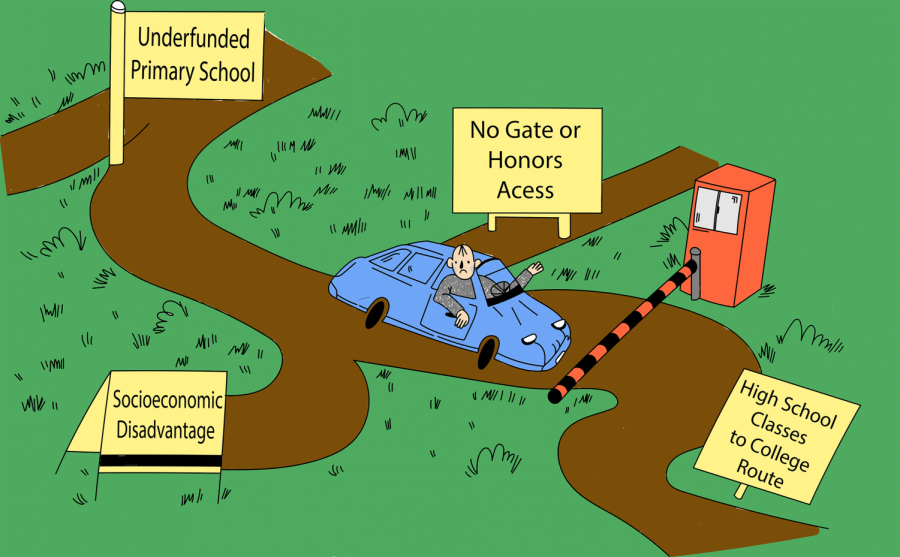
The history of tracking has transitioned from manual classification to automated, algorithmic insights. In the past, tracking was a binary system: students were either on a vocational track or a college-preparatory track. This was often criticized for being rigid and prone to human bias. The tech revolution has replaced these rigid structures with fluid, data-centric models.
The Shift from Analog to Digital Records
Before the ubiquity of the internet, a student’s progress was tracked via paper gradebooks and standardized test scores that were updated only a few times a year. This “snapshot” approach provided limited insight into a student’s daily struggles or triumphs. Today, digital records allow for a “video” approach to tracking. Every interaction—from how long a student pauses on a specific page of an e-book to their speed in solving a math problem—is recorded. This granular data collection provides a continuous stream of information that paints a much more accurate picture of student behavior and mastery.
Real-Time Performance Monitoring
Modern tracking relies on the immediacy of data. Software platforms now offer real-time dashboards that alert teachers when a student is falling behind during a single lesson. This is a massive leap from the old model where a teacher might not realize a student was struggling until a mid-term exam. By utilizing cloud-based infrastructure, tracking systems allow for instantaneous feedback loops, enabling “just-in-time” interventions that can prevent minor misunderstandings from turning into significant learning gaps.
Key Technological Components of Educational Tracking
The infrastructure of modern tracking is built upon a complex stack of technologies. It isn’t just one app; it is an ecosystem of interconnected tools that gather, process, and visualize data. To understand the “how” of tracking, we must look at the specific technologies driving the industry.
Learning Management Systems (LMS)
The Learning Management System (LMS), such as Canvas, Moodle, or Google Classroom, serves as the central hub for educational tracking. These platforms act as the primary data ingestion point. When a student logs in, the LMS tracks their activity: attendance, participation in discussion boards, assignment submission times, and even their interaction with multimedia content. For administrators, the LMS provides a macro-view of institutional health, while for teachers, it offers micro-data on individual student engagement.
Predictive Analytics and Early Warning Systems
One of the most powerful applications of tech in tracking is predictive analytics. By using historical data sets, these systems can identify patterns that correlate with academic failure or dropout risks. For instance, if the data shows that students who miss more than three assignments in the first month have a 70% chance of failing the course, the system can automatically trigger an “Early Warning.” This proactive tracking allows institutions to allocate resources—such as tutoring or counseling—to the students who need them most before the crisis occurs.
Artificial Intelligence and Adaptive Learning Algorithms
At the cutting edge of educational tracking is AI-driven adaptive learning. Platforms like Khan Academy or DreamBox use sophisticated algorithms to track a student’s mastery of specific concepts. If the algorithm detects that a student is struggling with “fractions,” it doesn’t just record the failure; it reroutes the student to foundational lessons or provides alternative explanations. This is tracking in its most constructive form: using data to modify the environment in real-time to suit the learner’s unique pace.
The Benefits of Tech-Enabled Tracking for Educators and Students

While the term “tracking” often carries negative connotations from the past, the tech-focused iteration offers substantial benefits. By automating the data collection process, technology frees up educators to focus on the human elements of teaching while providing students with a more customized experience.
Tailored Curriculum Delivery
The primary advantage of modern tracking is personalization. No two students learn at the exact same speed. Tracking software allows for “differentiated instruction” at scale. In a classroom of thirty students, a teacher cannot manually create thirty different lesson plans. However, tracking software can automatically serve different modules to different students based on their current progress. This ensures that high achievers remain challenged while those who need more time are not left behind.
Gamification and Engagement Metrics
Tracking technology has also introduced elements of gamification into the learning process. By tracking “streaks,” “badges,” and “experience points (XP),” educational apps turn progress tracking into a motivational tool. Students can see their own data visualized in charts and progress bars, which fosters a sense of agency and ownership over their learning journey. This “quantified self” approach in education mirrors fitness tracking apps, making the abstract concept of “learning” feel tangible and rewarding.
Streamlining Administrative Workflows
For educational institutions, tracking technology is an indispensable tool for efficiency. Automated grading systems and attendance trackers reduce the time spent on clerical tasks. Furthermore, data tracking allows for better resource management. Administrators can see which software tools are being used most frequently and which are failing to deliver results, allowing them to make data-driven decisions about technology budgets and curriculum investments.
Privacy and Ethics in the Age of Educational Surveillance
As the capabilities of tracking technology expand, so do the ethical concerns surrounding them. The transition from tracking “grades” to tracking “behavior” raises significant questions about the boundaries of digital surveillance in the classroom and the long-term implications for student privacy.
Data Security and Student Privacy Laws (FERPA/GDPR)
The sheer volume of data being tracked—including location data, IP addresses, and behavioral patterns—makes educational institutions prime targets for cyberattacks. Protecting this data is a technical and legal necessity. In the United States, the Family Educational Rights and Privacy Act (FERPA) sets the standard, while in Europe, the General Data Protection Regulation (GDPR) imposes strict rules on how student data is processed. Tech providers must implement robust encryption and anonymization techniques to ensure that tracking does not lead to identity theft or the unauthorized profiling of minors.
The Risk of Algorithmic Bias
A major concern in the tech community is the potential for “encoded bias” within tracking algorithms. If a predictive model is trained on historical data that contains human prejudices, the AI may unfairly flag students from certain socioeconomic or racial backgrounds as “at-risk.” This creates a self-fulfilling prophecy where tracking technology reinforces the very inequities it was meant to solve. Addressing this requires transparency in how algorithms are built and constant auditing of the data sets used to train educational AI.
Balancing Observation with Autonomy
There is a fine line between “tracking for support” and “tracking for surveillance.” If students feel that their every click is being monitored and judged, it can lead to anxiety and a stifling of creativity. Educational technology must find a balance where data collection remains unobtrusive. The goal of tracking should be to empower the student with insights, not to create a “Panopticon” environment where the fear of making a mistake on camera or on-screen prevents deep, experimental learning.
The Future of Tracking: Biometrics and Beyond
As we look toward the future, the technology used to track education is set to become even more immersive. We are already seeing the emergence of eye-tracking software in virtual reality (VR) learning environments, which can determine exactly where a student’s attention is focused during a simulation. Some experimental setups even use biometric sensors to track heart rate and skin conductance to measure a student’s stress levels during an exam.
While these advancements offer the potential for an unprecedented understanding of the human learning process, they also represent the ultimate frontier of tracking. The challenge for the next decade will not be “how much” we can track, but “how” we can use that data ethically to truly enhance the human experience of education.
In conclusion, tracking in education has evolved from a controversial method of student sorting into a sophisticated technological framework for data-driven improvement. Through the integration of LMS platforms, AI, and predictive analytics, modern tracking provides the insights necessary to create a more personalized, efficient, and responsive educational system. As long as we navigate the ethical and privacy challenges with care, the digital tracking of education remains one of the most promising tools in the EdTech arsenal.
aViewFromTheCave is a participant in the Amazon Services LLC Associates Program, an affiliate advertising program designed to provide a means for sites to earn advertising fees by advertising and linking to Amazon.com. Amazon, the Amazon logo, AmazonSupply, and the AmazonSupply logo are trademarks of Amazon.com, Inc. or its affiliates. As an Amazon Associate we earn affiliate commissions from qualifying purchases.