
The Enduring Allure of Seven in Human Perception
The number seven holds a unique and profound position within the collective human consciousness, transcending cultures, religions, and eras. Its pervasive presence in myths, philosophy, and daily life imbues it with an inherent magnetism that, for astute brands, presents a powerful strategic asset. Understanding what seven represents at a fundamental human level is the first step in effectively harnessing its symbolic weight for brand identity and messaging.
Universal Symbolism: Luck, Perfection, and Completeness
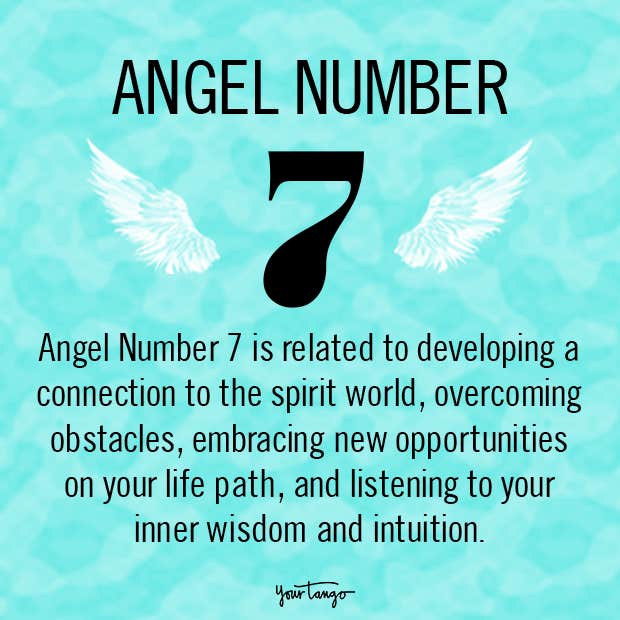
Across disparate civilizations, the number seven frequently signifies notions of luck, perfection, and completeness. From the seven days of creation in Abrahamic religions to the seven chakras in Hinduism and Buddhism, it consistently marks stages of development, spiritual journeys, or cyclical processes culminating in a state of wholeness. The seven wonders of the ancient world, the seven seas, or the seven deadly sins are not arbitrary groupings but rather reflect an intuitive sense of a comprehensive, ultimate collection or categorization. For brands, associating with seven can subtly convey a sense of thoroughness, excellence, or even a fortunate outcome, establishing a positive, aspirational framework around their offerings. This deep-seated positive association can be a significant differentiator in a crowded marketplace, positioning a brand as reliable, complete, or even serendipitous.
Cognitive Psychology: The Magic Number 7
Beyond cultural constructs, the number seven also resonates within the realm of cognitive psychology. The concept of “The Magical Number Seven, Plus or Minus Two,” coined by George A. Miller, posits that the average person can only hold about seven items (give or take two) in their short-term memory at any given time. This cognitive limitation means that information presented in groups of seven, or concepts structured around this number, can be more easily processed, remembered, and recalled by consumers. For brand strategists, this insight is invaluable. Whether designing a product line with seven distinct variations, outlining seven core brand values, or structuring a marketing message with seven key benefits, leveraging this cognitive principle enhances memorability and comprehension. It creates a natural “chunking” mechanism that simplifies complex information, making a brand’s proposition more digestible and sticky in the minds of its target audience.
Cultural and Spiritual Resonance
The number seven is steeped in cultural and spiritual resonance, providing a rich tapestry of associations for brands to draw upon. It appears in music (seven notes in a major scale), literature (seven plots, seven virtues), and even science (seven colors in the rainbow, seven levels of classification in biology). This widespread presence means that the number often carries pre-existing positive or significant connotations that can be tapped into without extensive explanation. A brand that subtly incorporates seven into its narrative, visual identity, or product architecture isn’t just picking a number; it’s invoking a shared human understanding of order, progress, and often, a touch of the extraordinary. This inherent cultural capital allows brands to communicate complex ideas and evoke desired emotions more efficiently, forging deeper, more intuitive connections with consumers by aligning with established symbolic archetypes.
Strategic Integration: Leveraging Seven in Brand Identity and Messaging
Understanding the intrinsic human connection to the number seven is merely the preamble. The true strategic value lies in its deliberate integration into brand identity and messaging. For brands seeking to forge a distinct presence and resonate deeply with their audience, deploying the symbolic power of seven offers a nuanced and potent avenue for differentiation and connection.
Brand Naming and Visual Identity: Crafting Recognition
The careful selection of a brand name or the design of a logo are foundational elements of identity. Incorporating the number seven can immediately imbue these assets with layers of meaning. A brand named “7th Heaven” might evoke luxury, ultimate satisfaction, or an aspirational experience. “Seven Seas Logistics” could convey global reach and comprehensive service. Beyond explicit naming, the visual representation of seven, or the use of seven distinct elements in a logo or brand mark, can subtly communicate completeness, balance, or a specific value proposition. For instance, a tech company might feature seven interconnected nodes to represent its integrated solutions, or a wellness brand could use seven flowing lines to symbolize harmony and balance. Such intentional design choices leverage the number’s cognitive and cultural familiarity, aiding in immediate recognition and recall, while also embedding deeper, positive associations without needing verbose explanations. This strategic visual shorthand is powerful in creating a memorable and impactful brand presence.
Product Development and Service Structuring: Thematic Grouping
Brands can extend the strategic use of seven into their actual offerings. Structuring product lines or service packages around the number seven provides a clear, memorable framework for consumers. Consider a skincare brand offering “The 7-Step Ritual for Radiant Skin,” or a financial advisory firm promoting “7 Pillars to Financial Freedom.” This not only simplifies complex offerings into digestible components but also taps into the human inclination to see completion and efficacy in sevens. It transforms a collection of items or services into a cohesive, thematic journey. Such structuring can make decision-making easier for customers, as they perceive a logical progression or a comprehensive solution. It implicitly suggests that the brand has meticulously considered every angle, offering a complete and well-rounded approach, thereby building trust and confidence in the brand’s expertise and value proposition.
Marketing Narratives: Storytelling and Emotional Connection
The number seven is a potent storytelling device, capable of enriching marketing narratives and fostering stronger emotional connections. From the “seven virtues” of a product to the “seven challenges” a service overcomes, framing content around this number creates a natural rhythm and memorable structure. A marketing campaign might highlight “7 reasons to choose our brand,” guiding consumers through a compelling journey that feels comprehensive and authoritative. This approach not only provides clear benefits but also subtly taps into the human psyche’s appreciation for completeness and order. Brands can craft entire campaigns around this theme, using it to structure social media content, blog posts, or video series. By aligning marketing stories with the archetypal significance of seven, brands can communicate their values, benefits, and unique selling propositions in a way that resonates on a deeper, more intuitive level, enhancing engagement and brand recall through powerful, culturally ingrained symbolism.
The “Rule of Seven” and Its Impact on Brand Building
Within the realm of marketing and brand building, the “Rule of Seven” is a widely recognized principle suggesting that a prospective customer needs to encounter a brand message at least seven times before they are likely to take action or remember the brand effectively. While not a strict scientific law, this heuristic underscores the critical role of repetition and consistency in brand recognition and trust. For brands, understanding and strategically applying this rule is fundamental to cutting through market noise and embedding their identity into the consumer consciousness.
Building Brand Familiarity and Trust Through Repetition
The digital age, characterized by an overwhelming volume of information and endless choices, makes brand familiarity more challenging yet more crucial than ever. The “Rule of Seven” highlights that a single exposure is rarely enough to convert a prospect into a customer. Instead, repeated, consistent exposure to a brand’s message helps to build familiarity, which in turn fosters trust. Each encounter, whether through an advertisement, a social media post, an email, or a piece of content, serves as a reinforcement. This cumulative effect is not just about recognition; it’s about gradually lowering psychological barriers and instilling confidence. When a consumer repeatedly sees a brand’s consistent message and visual identity across various touchpoints, it signals reliability and professionalism, diminishing perceived risk and making them more receptive to conversion. For brands, this means a sustained, multi-faceted approach to communication is not optional but essential for long-term viability.
Multi-Touchpoint Strategies for Engagement
Adhering to the “Rule of Seven” necessitates a sophisticated multi-touchpoint strategy. It’s not simply about showing the same ad seven times; it’s about engaging the customer across a diverse range of channels where they naturally spend their time. This could include a combination of paid search, social media advertising, content marketing, email campaigns, public relations, influencer collaborations, and even offline events. Each touchpoint offers a unique opportunity to convey a consistent brand message, tailored to the specific context of the platform. For instance, an initial exposure might be a social media ad, followed by a blog post offering valuable insights, then an email with a special offer, a retargeting ad on a different platform, an organic search result, an article mentioning the brand, and finally, a positive review from a friend. This integrated approach ensures that the brand’s presence is ubiquitous yet organic, preventing message fatigue while maximizing the likelihood of achieving the requisite number of meaningful interactions.
Converting Prospects to Advocates
The ultimate goal of accumulating multiple brand exposures, guided by the “Rule of Seven,” extends beyond mere sales to the cultivation of brand advocates. Once a prospect has processed a brand’s message consistently and developed trust, they are not only more likely to make a purchase but also to become loyal customers who champion the brand. Each positive interaction builds equity, transforming familiarity into affinity and eventually, advocacy. This progression from awareness to trust, purchase, and ultimately, recommendation, is a direct outcome of a sustained and strategic presence. Brands that master this persistent, yet non-intrusive, engagement pattern find that their customers become powerful extensions of their marketing efforts, sharing their positive experiences and attracting new prospects. The “Rule of Seven,” therefore, is a cornerstone of building not just market share, but a loyal community around a brand.
Beyond Luck: Strategic Implications of the Number Seven
The widespread symbolic power of the number seven extends far beyond mere superstition or cultural coincidence; it offers profound strategic implications for brands seeking to build authority, drive engagement, and secure a lasting position in the market. Leveraging the inherent strengths of this number requires a deliberate and insightful approach, moving beyond superficial associations to embed its essence into the core of brand strategy.
Creating Brand Authority and Trust
For brands, aligning with the number seven can be a subtle yet powerful method for establishing authority and trust. Given its frequent association with completeness, perfection, and fundamental truths (e.g., “seven principles,” “seven habits”), brands that structure their frameworks or offerings around this number often inherit an aura of credibility. For example, a business consultancy might promote “The 7 Steps to Sustainable Growth,” positioning itself as a comprehensive expert. This strategic use of seven implies thoroughness, a well-defined process, and a deep understanding of its domain. Consumers, consciously or subconsciously, tend to associate such structures with robust, well-researched methodologies, thereby increasing their confidence in the brand’s expertise and reliability. This isn’t about claiming to be lucky; it’s about projecting a systematic, authoritative approach that resonates with the inherent perception of seven as a number of order and mastery.
Driving Consumer Engagement
The cognitive appeal of the number seven, particularly its role in chunking information, can be harnessed to significantly enhance consumer engagement. When brands present information, challenges, or interactive experiences in groups of seven, it makes the content more digestible, memorable, and often more compelling. Consider a “7-Day Challenge” campaign for a fitness brand, or a tech company outlining “7 Breakthrough Features” of its new product. These structured presentations invite participation, curiosity, and a sense of achievable progression. Consumers are more likely to engage with content that feels manageable and complete, and the number seven naturally provides this psychological comfort. This deliberate structuring helps break down complex ideas into consumable segments, making the brand’s message more approachable and encouraging deeper interaction, transforming passive consumption into active participation.

Future-Proofing Your Brand with Symbolic Depth
In an ever-evolving market, future-proofing a brand requires more than just adapting to technological changes; it demands building a timeless core. The symbolic depth of the number seven offers an avenue for achieving this. By integrating such a universally recognized and positively connoted symbol into its DNA, a brand creates a layer of meaning that transcends fleeting trends. It taps into enduring human archetypes that will remain relevant regardless of shifts in consumer preferences or technological advancements. A brand that is deeply rooted in such fundamental symbolism possesses a narrative resilience, allowing it to adapt its surface-level manifestations while maintaining an unchanging, powerful underlying identity. This strategic use of an ancient, potent symbol ensures that the brand’s message remains resonant, meaningful, and enduring for generations of consumers.
aViewFromTheCave is a participant in the Amazon Services LLC Associates Program, an affiliate advertising program designed to provide a means for sites to earn advertising fees by advertising and linking to Amazon.com. Amazon, the Amazon logo, AmazonSupply, and the AmazonSupply logo are trademarks of Amazon.com, Inc. or its affiliates. As an Amazon Associate we earn affiliate commissions from qualifying purchases.