
The recent turbulence in the global egg market, characterized by fluctuating availability and soaring prices, has left consumers and businesses grappling with significant financial implications. Far from being a singular event, the egg shortage is a complex confluence of economic factors, disease outbreaks, escalating production costs, and shifting market dynamics that collectively impact personal budgets, business profitability, and the broader agricultural economy. Understanding these underlying causes is crucial for navigating the current landscape and anticipating future market trends.
Economic Impacts of Supply Chain Disruptions
Any disruption in a major commodity market like eggs sends ripple effects throughout the economy, directly impacting the financial health of households and the profitability of businesses. When the supply chain for a staple like eggs falters, the immediate consequence is a dramatic shift in the delicate balance of supply and demand, leading to price volatility that can be particularly severe for basic food items.
Inflationary Pressures and Consumer Budgets
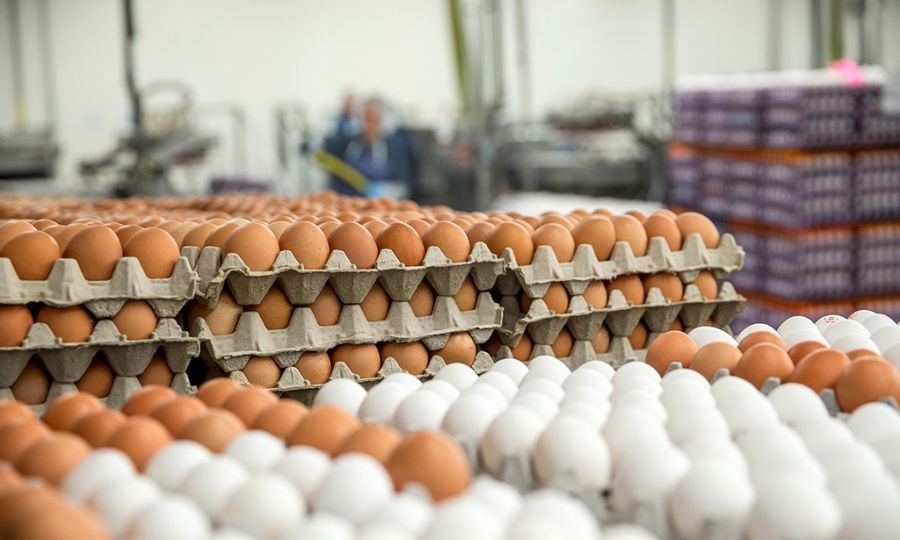
For consumers, the most visible impact of an egg shortage is the sharp increase in retail prices. Eggs, being a relatively inexpensive and versatile source of protein, are a staple in many household budgets. When prices double or even triple within a short period, it creates significant inflationary pressure on food costs. This phenomenon forces households to reallocate funds, potentially reducing spending on other necessities or discretionary items, thereby tightening personal finances. For low-income families, this escalation can push an essential food item out of reach, exacerbating food insecurity. The overall effect contributes to broader food inflation, eroding purchasing power and impacting the Consumer Price Index (CPI), which in turn can influence monetary policy decisions.
Profit Margins Across the Value Chain
Businesses throughout the egg value chain experience a complex array of financial challenges. Egg producers, while potentially benefiting from higher per-unit prices, often face disproportionately higher input costs (which we will explore further), compressing their profit margins. Moreover, the sheer volume of production loss due to factors like disease outbreaks means a significant reduction in total revenue, regardless of unit price. For food service businesses, bakeries, and food manufacturers that rely heavily on eggs as an ingredient, the increased cost directly impacts their operational expenses. They must decide whether to absorb these higher costs, passing them on to consumers through higher menu prices or product costs, or reformulate recipes to use fewer eggs or cheaper alternatives. Each decision carries financial risks, from customer dissatisfaction and reduced sales to product quality concerns that could harm brand equity. Supermarkets also navigate a challenging environment, balancing consumer price sensitivity with the need to maintain supplier relationships and adequate stock levels, all while facing potential scrutiny over price gouging.
The Avian Influenza Crisis: A Direct Financial Blow
Undoubtedly, one of the most devastating and financially impactful drivers of the current egg shortage is the widespread outbreak of Highly Pathogenic Avian Influenza (HPAI), commonly known as bird flu. This viral disease has decimated flocks globally, leading to unprecedented economic losses within the poultry industry.
Mass Culling and Production Capacity Loss
When HPAI is detected in a commercial flock, standard biosecurity protocols mandate the immediate culling of all infected and exposed birds to prevent further spread. This measure, while critical for disease control, results in the complete loss of productive layers. A single outbreak can wipe out millions of birds from an operation, representing an enormous capital loss for producers. These are not just birds; they are living assets that represent years of genetic investment, feed, housing, and labor costs. The cumulative effect of numerous outbreaks across key egg-producing regions has led to a dramatic reduction in the overall laying hen population, directly translating to a substantial decrease in egg production capacity and, consequently, market supply. The financial recovery from such a loss is arduous, requiring significant investment to rebuild flocks and resume full operational capacity.
Recovery Costs and Biosecurity Investments
The financial burden extends beyond the immediate loss of birds. Post-culling, farms must undergo extensive and costly decontamination processes to ensure the virus is eradicated from facilities before new flocks can be introduced. This involves specialized cleaning, disinfection, and often a fallow period, during which no production occurs, leading to further revenue loss. Furthermore, the threat of future outbreaks necessitates significant upfront and ongoing investments in enhanced biosecurity measures. These can include upgraded ventilation systems, stricter access controls, specialized protective equipment for staff, and sophisticated monitoring technologies. While essential for safeguarding future production, these investments add substantial fixed and variable costs to egg production, which eventually factor into the final price of eggs. Smaller producers, in particular, may struggle to afford these crucial upgrades, potentially leading to market consolidation as larger, better-resourced operations gain a competitive advantage.
Insurance and Government Support Mechanisms
The financial fallout from HPAI has highlighted the critical role of agricultural insurance and government support. Many producers carry insurance policies designed to cover losses from disease outbreaks, which can provide a crucial lifeline for rebuilding operations. However, such policies often come with high premiums, deductibles, and specific coverage limits that may not fully compensate for the total economic impact, including indirect losses like lost market share or brand damage. Governments, recognizing the importance of a stable food supply and the economic hardship faced by producers, may offer financial assistance programs, disaster relief, or low-interest loans. These interventions aim to mitigate the immediate financial crisis and support the industry’s recovery, but their scope and accessibility can vary, and they represent a significant outlay of public funds. The long-term financial stability of the egg industry is heavily reliant on effective risk management strategies and robust support frameworks in the face of ongoing disease threats.
Rising Input Costs and Their Market Ramifications
Beyond the direct impact of disease, the egg industry has been contending with a relentless surge in various input costs, creating a challenging economic environment for producers and ultimately driving up consumer prices. These cost increases are not isolated to eggs but reflect broader inflationary pressures across the agricultural sector and global economy.
Feed Prices: The Core Variable Cost
Feed constitutes the largest variable cost in egg production, often accounting for 60-70% of total operational expenses. The price of poultry feed is directly linked to the global markets for key commodities such as corn and soybeans. In recent years, these grain prices have experienced significant volatility due to a confluence of factors, including adverse weather conditions impacting harvests, geopolitical conflicts disrupting supply chains, and increased demand from other sectors like biofuels. When feed prices rise, egg producers face an immediate and substantial increase in their operational overheads. Even slight fluctuations in feed costs can significantly erode profit margins, forcing producers to either absorb the loss, seek efficiencies elsewhere, or pass the increased costs onto the consumer, contributing directly to higher egg prices at retail.

Energy and Labor: Escalating Operational Expenses
The modern egg industry is energy-intensive, requiring electricity for lighting, climate control (heating and cooling), ventilation systems, and automated feeding and collection equipment. Fluctuations in global energy markets, driven by geopolitical events, supply constraints, and increased demand, directly translate to higher utility bills for egg farms. Similarly, labor costs have been on an upward trajectory. Shortages of agricultural labor, coupled with rising minimum wages and increased expectations for employee benefits, mean that producers must allocate more financial resources to attract and retain their workforce. These escalating energy and labor expenses add significant pressure to the fixed and variable costs of production, further contributing to the upward movement of egg prices. For many smaller or less efficient operations, these combined increases can make sustained profitability extremely challenging, potentially leading to exits from the market and further consolidation.
Packaging and Transportation Logistics
The journey of an egg from farm to table involves several critical financial components beyond production itself. Packaging materials, such as cartons and flats, have seen price increases due to rising costs of pulp, plastics, and manufacturing. Furthermore, the cost of transportation—fueled by rising diesel prices, truck driver shortages, and general logistical bottlenecks—has soared. Eggs are a perishable product requiring careful handling and often refrigerated transport, adding to the complexity and cost of distribution. These “last mile” expenses, encompassing packaging, handling, and freight, represent a significant portion of the final retail price. When any of these links in the supply chain become more expensive, the additional costs are inevitably passed down the line, contributing to the overall higher price paid by the end consumer.
Regulatory Environment and Production Constraints
The regulatory landscape plays a significant, albeit often indirect, role in shaping the financial viability and supply capacity of the egg industry. Environmental, animal welfare, and trade regulations, while important for societal and ethical reasons, can introduce substantial costs and constraints for producers.
Biosecurity Mandates and Their Financial Burden
As discussed in the context of avian influenza, stringent biosecurity mandates are crucial for disease prevention. However, implementing and maintaining these measures incurs significant financial costs. Investing in advanced security systems, dedicated staff for biosecurity protocols, comprehensive cleaning regimens, and isolation facilities requires capital expenditure and ongoing operational funding. While these are necessary investments for long-term flock health and market stability, they nonetheless add to the overall cost of egg production. For smaller farms, the financial burden of compliance can be prohibitive, potentially forcing them out of business or limiting their expansion capabilities, thus constraining overall supply.
Trade Policies and Import/Export Dynamics
International trade policies and agreements directly influence the availability and price of eggs. Import tariffs, quotas, and non-tariff barriers (such as specific health and safety standards) can restrict the flow of eggs across borders, limiting a country’s ability to supplement domestic supply during shortages. Conversely, export restrictions or bans by major producing nations can exacerbate global shortages. Fluctuations in currency exchange rates also play a significant financial role, making imports more or less expensive and impacting the competitiveness of domestic producers. Geopolitical tensions and trade disputes can rapidly alter market access and supply routes, creating uncertainty and increasing financial risk for producers and traders alike.
Cage-Free Transitions: Investment vs. Supply
A significant shift in the regulatory and consumer landscape has been the push for cage-free egg production. Many states have mandated, or will soon mandate, that all eggs sold within their borders come from cage-free hens. While driven by animal welfare concerns, this transition represents an enormous capital investment for producers. Converting conventional caged facilities to cage-free systems or building new cage-free barns is incredibly expensive, requiring significant upfront financing. The cost per hen housed in a cage-free system is generally higher than in conventional systems, and the land and labor requirements can also be greater. This substantial financial outlay often translates to higher production costs and, consequently, higher retail prices for cage-free eggs. Furthermore, the transition itself can temporarily reduce overall egg supply as farms are taken offline for renovation, contributing to short-term market tightness and price inflation.
Consumer Behavior and Market Dynamics
Consumer reactions to shortages and price increases, alongside broader market dynamics, play a crucial role in shaping the financial landscape of the egg industry. Understanding these behaviors helps predict market adjustments and potential investment opportunities.
Demand Elasticity and Substitution Effects
Eggs are generally considered a relatively inelastic good, meaning that demand doesn’t drop drastically even with significant price increases, especially for staple uses. However, there’s a limit to this inelasticity. As prices soar, consumers, driven by financial necessity, begin to seek alternatives. This “substitution effect” can manifest in various ways: reducing egg consumption, buying fewer eggs, switching to egg substitutes, or opting for other protein sources like beans, lentils, or cheaper meat options. For food service and manufacturing, this could mean reformulating recipes to reduce egg content or using alternative binders. This shift in demand, if sustained, can eventually exert downward pressure on prices, but it can also lead to a permanent reduction in market share for egg producers and potentially stimulate investment in alternative protein industries.
Investment in Alternative Production Models
The volatility and challenges in the conventional egg market have spurred interest and investment in alternative production models. This includes increased focus on highly biosecure, climate-controlled indoor farming, often leveraging advanced technology to minimize disease risk and optimize resource use. There’s also growing investment in plant-based egg alternatives and cellular agriculture solutions that aim to produce egg proteins without chickens. While these technologies are often nascent and require substantial research and development funding, the financial incentives driven by current market instability and consumer demand for sustainable and resilient food systems are accelerating their development. Investors are increasingly looking at these areas as long-term growth opportunities that could mitigate future reliance on conventional, disease-prone poultry farming.
Long-Term Market Outlook and Price Stability
The long-term outlook for egg prices and market stability hinges on several interconnected financial factors. The ability of producers to rebuild flocks and implement robust biosecurity measures will be critical. The cost of these measures and the ongoing input costs will determine the new baseline for egg production expenses. Investment in automation and more resilient supply chains could help stabilize future prices by reducing reliance on volatile labor markets and mitigating logistical bottlenecks. However, with ongoing threats from avian influenza and persistent inflationary pressures on feed, energy, and labor, it is likely that egg prices may stabilize at a higher baseline than pre-shortage levels. This necessitates continuous financial planning for both consumers and businesses, adapting to a potentially more expensive, yet hopefully more resilient, egg market.
aViewFromTheCave is a participant in the Amazon Services LLC Associates Program, an affiliate advertising program designed to provide a means for sites to earn advertising fees by advertising and linking to Amazon.com. Amazon, the Amazon logo, AmazonSupply, and the AmazonSupply logo are trademarks of Amazon.com, Inc. or its affiliates. As an Amazon Associate we earn affiliate commissions from qualifying purchases.