
The humble passport, a portal to international adventures, eventually reaches its expiry date. As a new, gleaming document takes its place, many are left pondering a seemingly innocuous question: what becomes of the old one? Far from a trivial matter, the disposition of an expired passport carries significant implications for your personal financial security. In an era where identity theft is rampant and financial fraud sophisticated, an old passport is not merely a souvenir; it’s a repository of highly sensitive personal data that, if mishandled, can become a significant liability. Understanding the risks and best practices for managing these documents is a crucial component of a robust personal finance strategy.
The Financial Risks of Neglecting Expired Passports
An old passport, though no longer valid for travel, remains a potent tool in the hands of a determined fraudster. Its wealth of personal information makes it a prime target for identity theft, which can unravel years of careful financial planning and lead to substantial monetary losses.
Identity Theft: A Gateway to Financial Ruin
Identity theft occurs when someone unlawfully obtains and uses another person’s personal identifying information to commit fraud or other crimes. An old passport provides a surprisingly comprehensive dataset for this purpose. A criminal with your expired passport can attempt to open new credit accounts, apply for loans, file fraudulent tax returns, or even gain access to your existing financial accounts. The ripple effects can be devastating: damaged credit scores, accumulating debt that isn’t yours, legal battles, and the immense stress and time required to reclaim your identity. The financial clean-up after identity theft can take months, even years, and cost thousands of dollars in legal fees and lost wages. Therefore, treating an old passport with the same vigilance as a current one is a fundamental aspect of proactive financial protection.
The Information on an Old Passport: More Than Just a Photo
While you might view an expired passport as a harmless relic, it contains a treasure trove of data that is invaluable to identity thieves. Beyond your photograph and signature, it prominently displays your full legal name, date of birth, place of birth, and a unique passport number. This combination of details is often sufficient to pass preliminary identity verification checks in various financial contexts, especially if combined with other stolen information available through data breaches. Even if the photo is outdated, the core biographical data remains current and highly exploitable. A fraudster might use this information to create fake IDs, apply for credit cards in your name, or even attempt to access your bank accounts by claiming to be you.
How Stolen Identities Impact Your Credit and Assets
The immediate financial impact of identity theft often manifests as unauthorized charges on credit cards, new accounts opened in your name, or fraudulent loans. However, the long-term consequences can be far more insidious. Your credit score, a cornerstone of your financial health, can plummet, making it difficult to secure favorable interest rates for mortgages, car loans, or even rent an apartment. Collections agencies might pursue you for debts you didn’t incur, leading to legal actions and further damage to your credit report. In extreme cases, a thief could gain access to your investment accounts, draining your savings or selling off your assets. Recovering from these financial setbacks requires diligent effort, persistent communication with creditors and credit bureaus, and potentially the costly assistance of legal or financial professionals.
Secure Disposal: Safeguarding Your Financial Future
Given the inherent risks, the secure disposal of an old passport is not an option but a necessity for anyone serious about protecting their financial well-being. It’s a critical step in preventing your personal data from falling into the wrong hands.
Shredding: The Gold Standard for Physical Documents
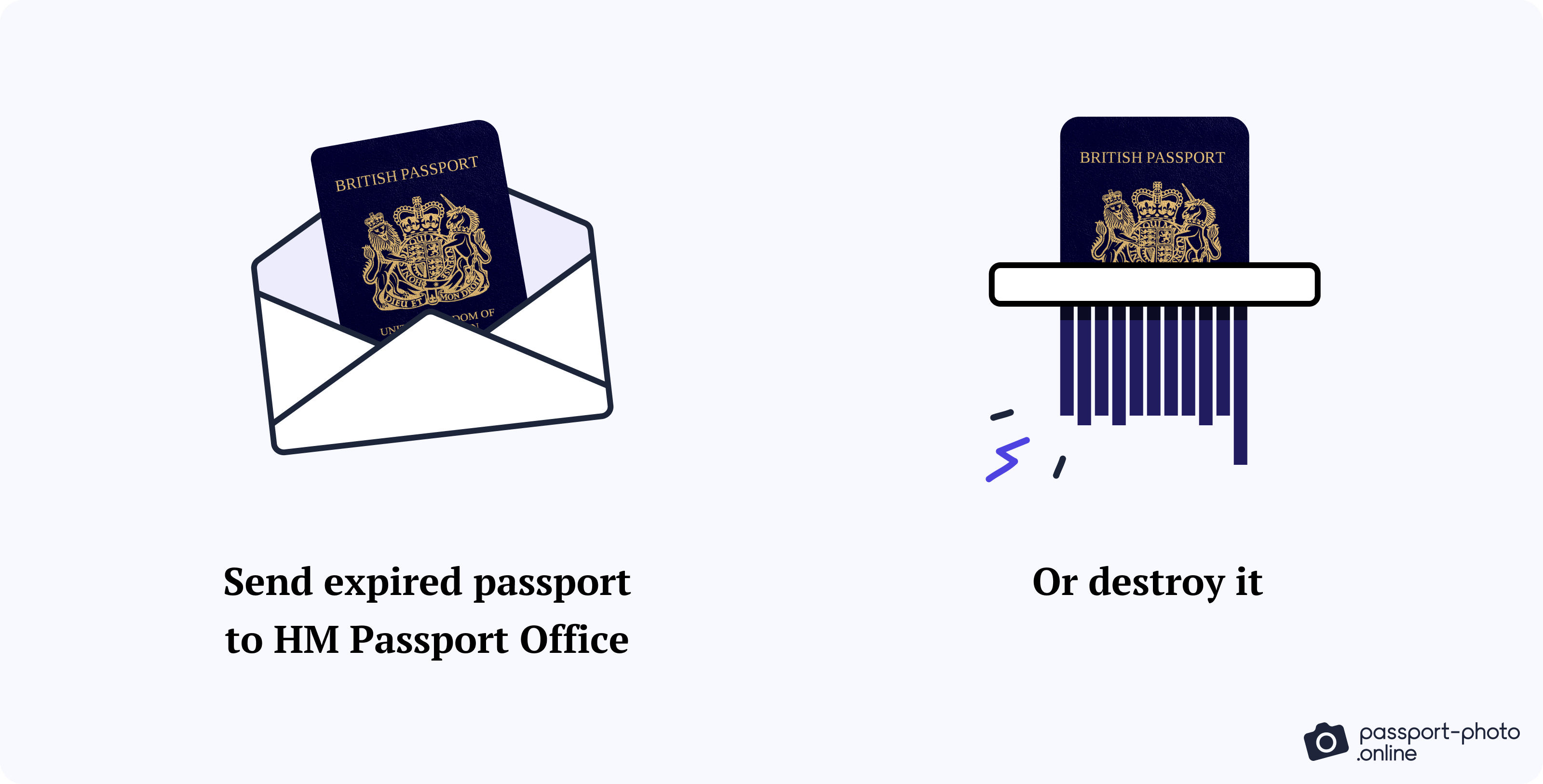
For most financial documents, shredding is the universally recommended method of disposal, and old passports are no exception. A cross-cut or micro-cut shredder is ideal, as it renders the document into tiny, illegible particles, making it virtually impossible for anyone to reconstruct the information. Simply tearing a passport into a few pieces is insufficient; determined fraudsters can piece together larger fragments, especially if they have multiple discarded documents. The goal is complete destruction, ensuring that no discernible piece of information, particularly your name, date of birth, or passport number, remains intact. This method effectively obliterates the physical link between you and the sensitive data, adding a crucial layer of defense against identity theft.
Why Simple Tearing Isn’t Enough
Many people underestimate the resourcefulness of identity thieves. A passport, even when torn, still contains robust, water-resistant pages. Larger pieces, particularly those containing critical data points like your photo, signature, or the machine-readable zone, can be easily reassembled. Imagine a jigsaw puzzle: if the pieces are large and distinctive, solving it is straightforward. The same applies to discarded documents. Criminals often sift through trash, known as “dumpster diving,” specifically seeking out documents that are poorly disposed of. A seemingly insignificant piece of your torn passport could be the missing link for a fraudster already possessing other stolen data about you. For financial security, the adage “better safe than sorry” absolutely applies here.
Professional Shredding Services vs. Home Shredders

While a personal cross-cut shredder is suitable for occasional passport disposal, individuals with large volumes of sensitive documents, or those seeking extra peace of mind, might consider professional shredding services. These services often utilize industrial-grade shredders that can destroy documents to an even finer degree and provide a certificate of destruction, offering a verifiable record of secure disposal. For businesses or individuals handling highly sensitive financial data, this can be a valuable assurance. However, for a single old passport, a good quality home shredder capable of micro-cutting credit cards and sturdy documents will typically suffice, offering a cost-effective and convenient solution to protect your personal financial information.
Retention: When to Keep an Old Passport
While secure disposal is paramount for most expired passports, there are specific circumstances where retaining an old passport, or at least certain elements of it, can be financially advantageous or even legally necessary. These situations generally revolve around proving past identity, residency, or travel history.
Proof of Citizenship and Identity for Specific Financial Needs
In certain rare instances, an old passport might serve as proof of identity or citizenship, particularly if other primary documents are unavailable or in the process of being replaced. For example, when applying for specific government benefits, processing estates, or dealing with complex international financial transactions, having a historical record of your identity could be beneficial. While a current passport is always preferred, an expired one might be accepted as supplemental documentation, especially if you can prove it was indeed yours. It can also act as a secondary form of ID when opening certain financial accounts, though typically paired with a primary, valid ID. For these reasons, some financial advisors recommend retaining passports for a period beyond their expiry, typically for 5-7 years, just like other significant financial records.
Historical Travel Records for Tax or Business Claims
For individuals who frequently travel internationally for business, or those with complex tax situations involving foreign income or residency, old passports can provide crucial historical records. Entry and exit stamps, visa endorsements, and travel dates can substantiate claims related to foreign tax credits, residency status for tax purposes, or business expense deductions. The IRS, for example, often requires detailed records to support deductions or income exclusions related to foreign earnings. A collection of old passports serves as an irrefutable chronological record of your international movements, which can be invaluable during an audit or when preparing intricate tax filings, directly impacting your financial obligations and potential refunds.
Navigating Dual Citizenship and Renunciation
Individuals with dual citizenship or those who have renounced a previous citizenship might find old passports to be critical legal and financial documents. An old passport from a former country of citizenship can serve as proof of that past nationality, which might be required for various legal or financial processes, such as inheriting assets from abroad, establishing eligibility for foreign pensions, or complying with international banking regulations. When renouncing citizenship, the old passport is often canceled but returned, becoming a key document proving the renunciation date and official status, which has significant implications for tax liability and financial reporting under laws like FATCA (Foreign Account Tax Compliance Act) for U.S. citizens abroad.
Beyond Passports: A Holistic Approach to Financial Document Security
Securing old passports is just one piece of a larger puzzle concerning personal financial security. A truly robust defense against financial fraud and identity theft requires a comprehensive strategy that addresses all forms of sensitive data.
Other Key Documents to Securely Manage
Your financial well-being hinges on the secure management of many documents beyond just passports. This includes Social Security cards (or equivalent national identification numbers), birth certificates, marriage licenses, property deeds, investment statements, bank account details, and tax returns. All these documents contain information that, if compromised, could lead to significant financial distress. They should be stored in a secure location, such as a fireproof safe or a safety deposit box, and only accessed when absolutely necessary. When these documents are no longer needed, they too should be destroyed using the same rigorous shredding standards applied to old passports.
Digital Footprint: The Online Dimension of Identity Protection
In our increasingly digital world, your online identity is just as vulnerable, if not more so, than your physical documents. Every online account, every transaction, and every piece of personal information shared contributes to your digital footprint. Strong, unique passwords, multi-factor authentication, and vigilance against phishing scams are paramount. Regularly reviewing privacy settings on social media and other platforms, being cautious about what personal information you share online, and using secure Wi-Fi connections are essential steps. A data breach from an online service can expose enough information to make an old passport even more dangerous in a fraudster’s hands, so a combined approach to physical and digital security is crucial for comprehensive financial protection.

Regular Financial Monitoring as a Defense Mechanism
Even with the most stringent security measures, complete immunity from identity theft is never guaranteed. Therefore, proactive financial monitoring serves as a critical last line of defense. This involves regularly checking your bank and credit card statements for any unauthorized transactions. Utilize free credit reports annually from the three major credit bureaus (Equifax, Experian, TransUnion) to look for unfamiliar accounts or inquiries. Consider setting up fraud alerts with your financial institutions or subscribing to credit monitoring services that notify you of suspicious activity. By staying vigilant and monitoring your financial health consistently, you can quickly detect and respond to potential threats, minimizing the financial damage and the emotional toll of identity theft.
aViewFromTheCave is a participant in the Amazon Services LLC Associates Program, an affiliate advertising program designed to provide a means for sites to earn advertising fees by advertising and linking to Amazon.com. Amazon, the Amazon logo, AmazonSupply, and the AmazonSupply logo are trademarks of Amazon.com, Inc. or its affiliates. As an Amazon Associate we earn affiliate commissions from qualifying purchases.