
In an era increasingly defined by digital innovation, blockchain technology stands out as a foundational, often revolutionary, concept. More than just the backbone of cryptocurrencies like Bitcoin and Ethereum, blockchain is a distributed ledger technology (DLT) with the potential to transform industries from supply chain management and healthcare to finance and digital identity. Understanding its underlying principles and, more importantly, knowing how to construct one, offers a profound insight into its capabilities and limitations. This guide delves into the technical journey of creating a blockchain, demystifying the process and empowering developers to build their own decentralized systems.
I. Understanding the Fundamentals of Blockchain Technology
Before embarking on the creation of a blockchain, a solid grasp of its core tenets is paramount. This foundational understanding will inform every design decision and architectural choice.
What is a Blockchain?
At its heart, a blockchain is a decentralized, distributed, and immutable ledger. Imagine a digital spreadsheet that is not stored in one central location but is instead duplicated and maintained across a vast network of computers. Every entry (transaction) added to this spreadsheet is cryptographically linked to the previous one, forming a “chain” of “blocks.” Once an entry is recorded and validated, it becomes exceedingly difficult to alter or remove, ensuring unparalleled data integrity and transparency. Key characteristics include:
- Decentralization: No single entity controls the network; power is distributed among participants.
- Distribution: Copies of the ledger are stored across multiple nodes, ensuring redundancy and resilience.
- Immutability: Once data is recorded in a block and added to the chain, it cannot be retroactively changed without invalidating subsequent blocks and requiring consensus from the entire network.
- Cryptography: Secure hashing algorithms and digital signatures ensure the integrity and authenticity of transactions and blocks.
- Consensus Mechanisms: Rules that all network participants agree upon to validate transactions and add new blocks to the chain (e.g., Proof of Work, Proof of Stake).
Core Components of a Blockchain
Every blockchain, regardless of its specific implementation, is built upon a few essential components:
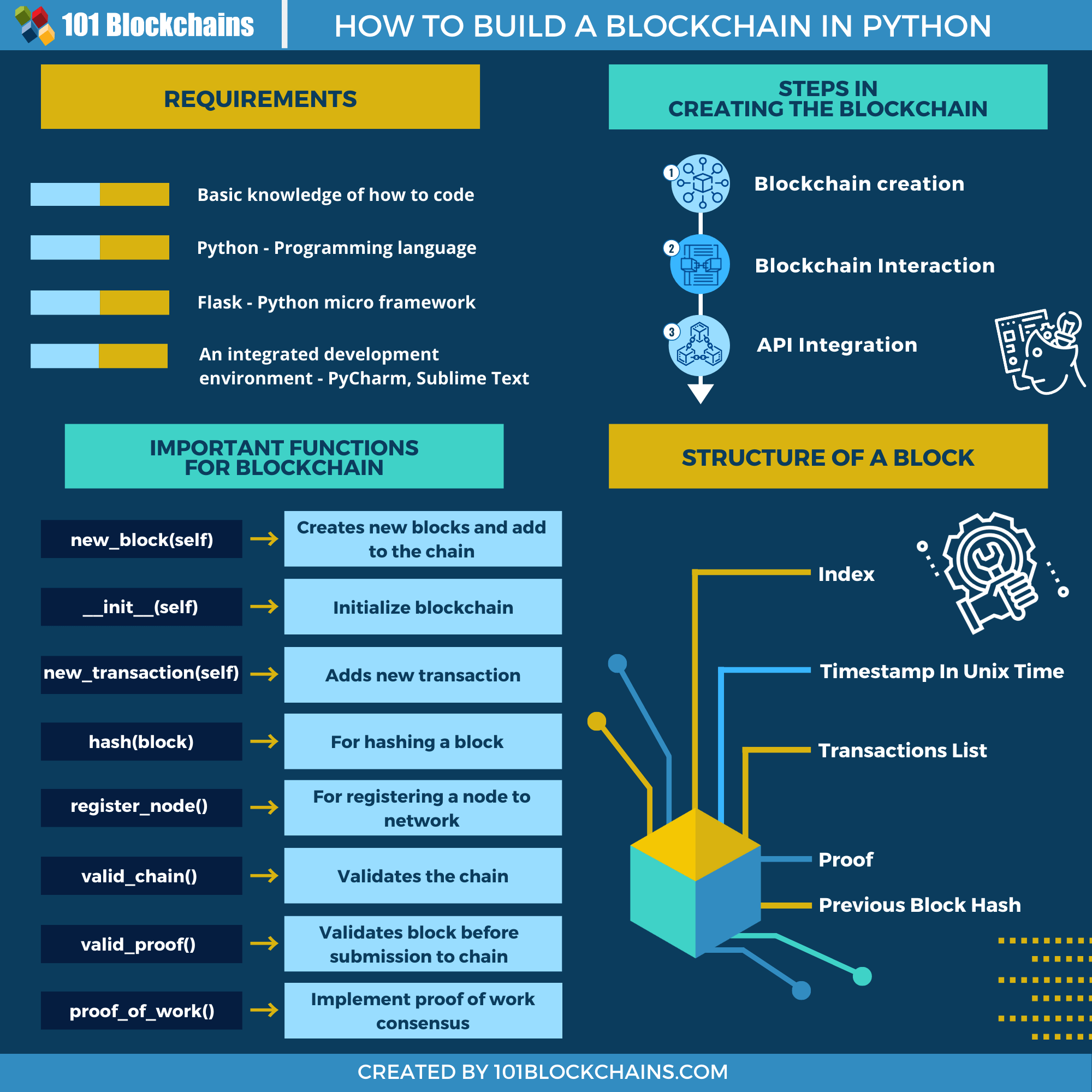
- Blocks: The fundamental data structures that contain a set of validated transactions, a timestamp, a reference (hash) to the previous block, and a nonce (a number used in the mining process).
- Chains: Blocks are linked together in a chronological order, with each new block containing the cryptographic hash of the previous one. This creates an unbroken, tamper-evident chain.
- Nodes: The computers that participate in the blockchain network. They store a copy of the ledger, validate transactions, and contribute to the network’s security and operation.
- Transactions: The atomic operations recorded on the blockchain, representing transfers of value, data updates, or smart contract executions.
- Hash: A unique, fixed-size string of characters generated from arbitrary input data. Any tiny change in the input data results in a completely different hash, making them crucial for data integrity.
- Nonce: An arbitrary number that can only be used once. In Proof of Work systems, miners repeatedly change the nonce to find a block hash that meets specific difficulty targets.
Why Build Your Own Blockchain?
The motivation to create a custom blockchain often stems from specific requirements that existing platforms cannot adequately address. While public blockchains like Ethereum offer robust infrastructure, building your own can provide:
- Specific Use Cases: Tailoring the blockchain to a niche application, such as a private supply chain ledger, a specialized voting system, or a bespoke digital identity solution.
- Enhanced Privacy and Control: For private or consortium blockchains, control over network participants, data visibility, and governance rules can be crucial for enterprise applications.
- Optimized Performance: Designing a blockchain from the ground up allows for optimization of transaction throughput, block times, and consensus mechanisms to suit specific demands.
- Learning and Experimentation: A hands-on approach offers invaluable educational insights into distributed systems, cryptography, and network protocols.
- Innovation: The ability to experiment with novel consensus algorithms, smart contract functionalities, or interoperability features not supported by off-the-shelf solutions.
II. Choosing Your Blockchain Architecture and Development Stack
The technical architecture and the choice of development tools are critical decisions that will shape the capabilities and scalability of your blockchain.
Public vs. Private vs. Consortium Blockchains
The first major architectural decision involves the type of blockchain you wish to create:
- Public Blockchains: Open to anyone to participate, validate transactions, and contribute to the network (e.g., Bitcoin, Ethereum). They offer maximum decentralization but can struggle with scalability and privacy. Ideal for permissionless innovation and broad trust.
- Private Blockchains: Controlled by a single organization, which dictates who can participate and validate transactions. They offer high transaction speed, scalability, and privacy, but at the cost of decentralization. Suitable for internal enterprise use cases.
- Consortium Blockchains: A hybrid model where multiple pre-selected organizations control the network and validate transactions. Offers a balance between decentralization and control, often used for inter-organizational collaborations (e.g., supply chain consortia).
Your choice will dictate the level of decentralization, access control, and performance characteristics.
Programming Languages for Blockchain Development
While there isn’t a single “blockchain language,” several are popular choices due to their robustness, performance, or community support:
- Python: Excellent for rapid prototyping and basic blockchain implementations due to its readability and extensive libraries. Often used for educational purposes and initial proofs of concept.
- Go (Golang): Favored for its performance, concurrency features, and efficiency, making it suitable for high-performance blockchain nodes and network communication (e.g., Ethereum’s Geth client, Hyperledger Fabric).
- JavaScript/Node.js: Widely used for full-stack blockchain development, particularly for building web-based interfaces and integrating with existing web infrastructure.
- C++: Offers low-level memory management and high performance, making it a choice for core blockchain protocols where efficiency is paramount (e.g., Bitcoin core).
- Rust: Known for its memory safety, performance, and concurrency features, gaining traction in newer blockchain projects and smart contract development (e.g., Polkadot’s Substrate).
- Solidity: The primary language for writing smart contracts on the Ethereum Virtual Machine (EVM) and other EVM-compatible blockchains. Essential for dApp development.
Key Libraries and Frameworks
Instead of building everything from scratch, leveraging existing libraries and frameworks can significantly accelerate development:
- Web3.js / Ethers.js: JavaScript libraries for interacting with Ethereum and other EVM-compatible blockchains, crucial for front-end dApp development.
- Hyperledger Fabric: An open-source, modular blockchain framework hosted by The Linux Foundation, primarily designed for enterprise-grade private and consortium blockchains. It allows for configurable consensus and permissioned networks.
- Corda: Developed by R3, a DLT platform specifically designed for business use cases with a focus on privacy and regulatory compliance, popular in financial services.
- Substrate: A modular framework for building customizable blockchains, empowering developers to create application-specific chains and easily connect them to Polkadot.
- Specific Cryptography Libraries: Libraries for hashing (e.g.,
hashlibin Python), digital signatures (e.g.,pycryptodome), and elliptic curve cryptography are essential.
Database Considerations
While the blockchain itself is a ledger, off-chain data storage and integration with traditional databases are often necessary:
- NoSQL Databases (e.g., LevelDB, RocksDB, MongoDB): Often used for storing the actual ledger data (blocks and transactions) due to their flexible schema and ability to handle large volumes of append-only data.
- Traditional Relational Databases (e.g., PostgreSQL, MySQL): Can be used to store off-chain data, application logic, or indexed views of blockchain data for faster querying and reporting, especially in enterprise solutions.
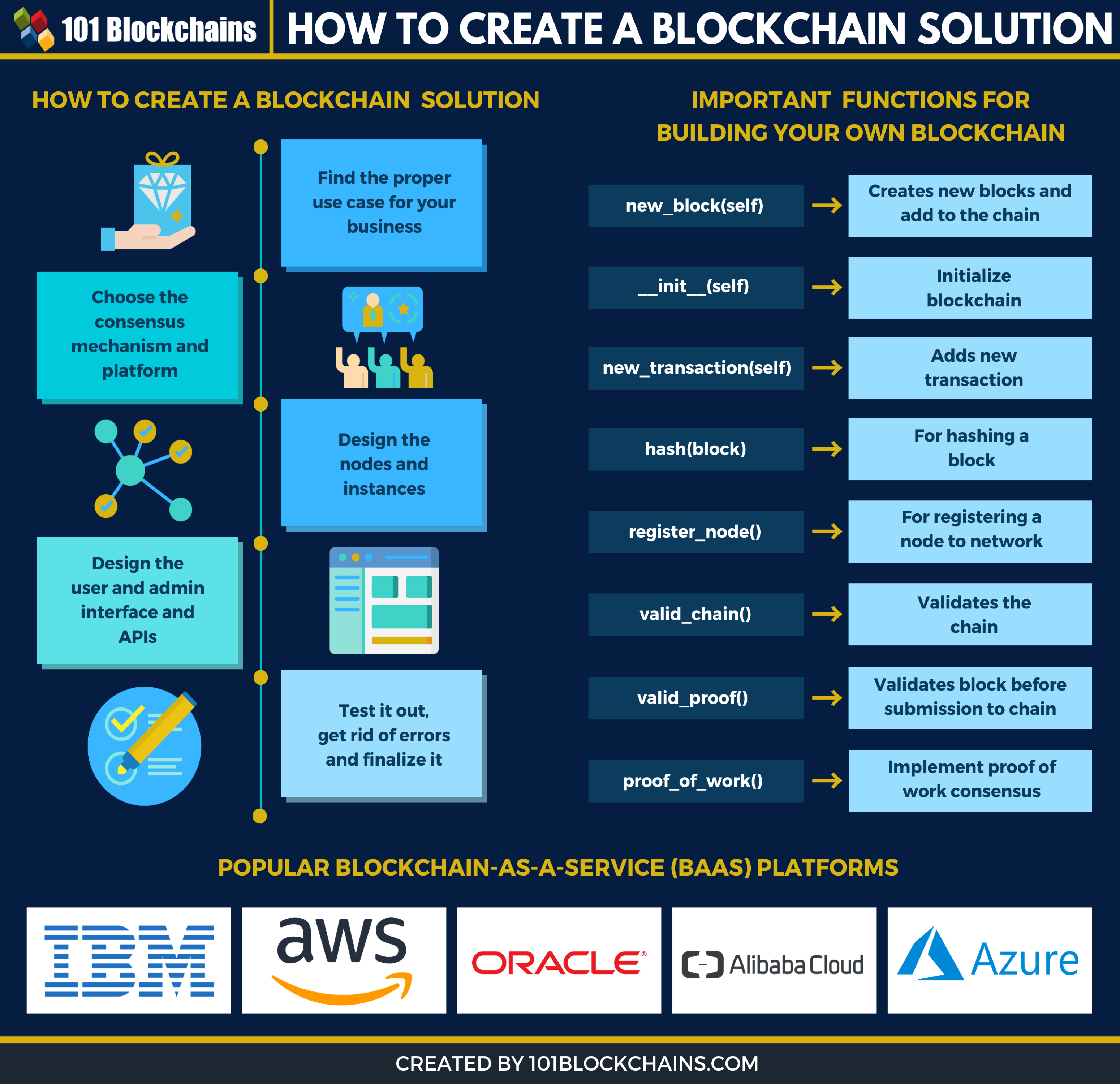
III. Step-by-Step Guide to Building a Basic Blockchain (Conceptual Walkthrough)
Let’s conceptualize the process of building a very basic, single-node blockchain using Python as an example, focusing on the core logic rather than a production-ready system.
Step 1: Defining the Block Structure
The first step is to define what a block will contain. In Python, this could be a class:
import hashlib
import json
from datetime import datetime

class Block:
    def __init__(self, index, timestamp, data, previous_hash, nonce=0):
        self.index = index
        self.timestamp = timestamp
        self.data = data
        self.previous_hash = previous_hash
        self.nonce = nonce
        self.hash = self.calculate_hash()

    def calculate_hash(self):
        block_string = json.dumps({
            "index": self.index,
            "timestamp": str(self.timestamp),
            "data": self.data,
            "previous_hash": self.previous_hash,
            "nonce": self.nonce
        }, sort_keys=True).encode()
        return hashlib.sha256(block_string).hexdigest()
Here, data could be a list of transactions.
Step 2: Implementing Cryptographic Hashing
As seen above, the calculate_hash method uses SHA-256, a secure hashing algorithm, to generate a unique hash for each block based on its contents. This is crucial for maintaining integrity; any change in the block’s data would result in a different hash, invalidating the chain.
Step 3: Creating the Chain and Adding Blocks
A blockchain class will manage the chain of blocks. It starts with a “genesis block” (the very first block) and includes methods to add new blocks.
class Blockchain:
    def __init__(self):
        self.chain = [self.create_genesis_block()]
        self.difficulty = 2 # Number of leading zeros required for PoW

    def create_genesis_block(self):
        return Block(0, datetime.now(), "Genesis Block", "0")

    def get_latest_block(self):
        return self.chain[-1]


<p style="text-align:center;"><img class="center-image" src="https://cdn.prod.website-files.com/5dfc18aeef0cf97edeb5ccd2/6849cbac16f2e7fd308ce8d6_62d9b9c2a813153851a80578_vjQUla9Q8OYcAiBZeoHLoBeHZccW-hxOY-jnTpF-wmUnWT_HfB2w6gVmXzeY7qdnWFrmg_XEpe0rC1fctBZ0uh6yw47trgb26ix_0jA22rQUFU9YwIi8f7SRg2fgj7N7l_iZYGdScyJOnK9KMQCi0VM.jpeg" alt=""></p>


    def add_block(self, new_block):
        new_block.previous_hash = self.get_latest_block().hash
        self.mine_block(new_block) # Incorporate PoW
        self.chain.append(new_block)

    def is_chain_valid(self):
        for i in range(1, len(self.chain)):
            current_block = self.chain[i]
            previous_block = self.chain[i-1]

            if current_block.hash != current_block.calculate_hash():
                return False
            if current_block.previous_hash != previous_block.hash:
                return False
        return True
Step 4: Implementing Proof-of-Work (Mining Simulation)
To secure the chain and prevent easy tampering, a consensus mechanism like Proof-of-Work (PoW) is introduced. Miners (nodes) must perform computational work to find a nonce that, when combined with the block data, results in a hash meeting a specific difficulty target (e.g., starting with a certain number of zeros).
# ... inside Blockchain class ...

    def mine_block(self, block):
        target = "0" * self.difficulty
        while block.hash[:self.difficulty] != target:
            block.nonce += 1
            block.hash = block.calculate_hash()
        print(f"Block mined: {block.hash}")
This loop continues incrementing the nonce until a valid hash is found.
Step 5: Setting Up a Peer-to-Peer Network
A truly decentralized blockchain requires a network of nodes communicating with each other. This involves:
- Node Discovery: How nodes find and connect to other nodes.
- Transaction Broadcasting: How transactions are shared across the network.
- Block Broadcasting: How newly mined blocks are shared and validated.
- Chain Synchronization: How new nodes or nodes that were offline catch up with the latest state of the chain.
Implementing a basic P2P network often involves using network sockets (e.g., Python’s socket module) or higher-level frameworks like Flask for HTTP endpoints to manage communication and synchronization between nodes. Each node would maintain its own copy of the blockchain and validate incoming blocks and transactions.
Step 6: Handling Transactions and Wallets
Transactions are the data payloads within blocks. A basic transaction might include:
- Sender address
- Recipient address
- Amount
- Timestamp
- Digital signature (to prove sender’s ownership)
Wallets are typically software applications that manage a user’s cryptographic keys (public and private keys) and allow them to sign transactions. The private key is used to create a digital signature, and the public key is derived from it to serve as the user’s “address.”
Step 7: Implementing a Consensus Mechanism
For this basic example, a simplified Proof-of-Work was used. In real-world scenarios, more robust mechanisms are employed:
- Proof of Stake (PoS): Validators are chosen to create new blocks based on the amount of cryptocurrency they “stake” as collateral.
- Delegated Proof of Stake (DPoS): Token holders vote for a set of delegates to validate transactions and create blocks.
- Proof of Authority (PoA): Validators are identified entities with proven authority or reputation, often used in private or consortium blockchains.
The choice of consensus mechanism significantly impacts the blockchain’s security, scalability, and decentralization properties.
IV. Advanced Considerations and Real-World Applications
Building a production-ready blockchain goes far beyond a basic implementation. Several advanced topics need careful consideration.
Scalability and Performance Optimization
Early blockchains often faced challenges with transaction throughput. Solutions include:
- Sharding: Dividing the network into smaller segments (shards), each processing a subset of transactions in parallel.
- Layer-2 Solutions: Protocols built on top of the main blockchain to handle transactions off-chain, then settling them on the main chain (e.g., Lightning Network for Bitcoin, optimistic rollups, ZK-rollups for Ethereum).
- Sidechains: Separate blockchains linked to the main chain, allowing assets to move between them.
Security Best Practices
Security is paramount in blockchain. Key practices include:
- Robust Cryptography: Using strong, industry-standard cryptographic primitives.
- Code Audits: Thoroughly reviewing smart contracts and core protocol code for vulnerabilities.
- Immutability Enforcement: Ensuring that the consensus mechanism and block linking prevent tampering.
- Attack Resistance: Designing against common attacks like 51% attacks, Sybil attacks, and DDoS.
- Key Management: Securely managing private keys for users and network operations.
Integrating Smart Contracts
Smart contracts are self-executing contracts with the terms of the agreement directly written into code. Platforms like Ethereum introduced the concept of a Turing-complete virtual machine (EVM) that can execute arbitrary code. Integrating smart contracts allows for:
- Decentralized Applications (dApps): Building applications whose backend logic runs on the blockchain.
- Automated Agreements: Executing predefined actions when certain conditions are met, without intermediaries.
- Token Creation: Defining custom tokens (e.g., ERC-20 on Ethereum) for various purposes.
Potential Use Cases Beyond Cryptocurrency
While cryptocurrency brought blockchain to prominence, its applications extend far beyond digital money:
- Supply Chain Management: Tracking goods from origin to consumer, ensuring transparency and authenticity.
- Healthcare: Securely managing patient records, ensuring data integrity and interoperability.
- Digital Identity: Creating self-sovereign digital identities that users control, reducing reliance on central authorities.
- Voting Systems: Ensuring transparent, secure, and verifiable elections.
- Intellectual Property Rights: Timestamping and proving ownership of digital creations.
- Internet of Things (IoT): Enabling secure, autonomous communication and transactions between devices.
V. The Future of Blockchain Development
The blockchain landscape is continuously evolving, promising transformative changes across various sectors. Aspiring developers must stay abreast of these trends to remain relevant and innovative.
Emerging Trends
- Web3: The vision of a decentralized internet built on blockchain, empowering users with data ownership and control.
- Decentralized Finance (DeFi): Recreating traditional financial services (lending, borrowing, trading) on blockchain without intermediaries.
- Non-Fungible Tokens (NFTs): Unique digital assets used for art, collectibles, gaming, and digital identity.
- Interoperability: Solutions enabling different blockchains to communicate and exchange assets and data seamlessly (e.g., Polkadot, Cosmos).
- Quantum Resistance: Research into cryptographic algorithms that can withstand attacks from future quantum computers.
Skills for Aspiring Blockchain Developers
A successful blockchain developer needs a diverse skill set:
- Strong Programming Fundamentals: Proficiency in languages like Python, Go, JavaScript, C++, or Rust.
- Understanding of Cryptography: Hashing, public-key cryptography, digital signatures.
- Distributed Systems Knowledge: Networking protocols, consensus mechanisms, fault tolerance.
- Data Structures and Algorithms: For efficient data management and processing.
- Smart Contract Development: Familiarity with Solidity or similar languages.
- Security Best Practices: Awareness of common vulnerabilities and defensive coding.
The Transformative Potential
Blockchain technology is not merely a technical curiosity; it represents a paradigm shift towards greater transparency, decentralization, and security in digital interactions. By understanding its construction, capabilities, and future trajectory, developers can play a pivotal role in shaping a more resilient and equitable digital future, disrupting traditional industries and fostering unprecedented levels of trust and collaboration. The journey of creating a blockchain is a deep dive into the heart of modern computing, offering profound insights and endless possibilities for innovation.
aViewFromTheCave is a participant in the Amazon Services LLC Associates Program, an affiliate advertising program designed to provide a means for sites to earn advertising fees by advertising and linking to Amazon.com. Amazon, the Amazon logo, AmazonSupply, and the AmazonSupply logo are trademarks of Amazon.com, Inc. or its affiliates. As an Amazon Associate we earn affiliate commissions from qualifying purchases.