
In the realm of biomedical engineering, some of the most impactful innovations are also the smallest. When we ask, “What do tubes for ears look like?” we are not merely discussing a simple medical accessory; we are looking at a sophisticated piece of micro-hardware designed to interface with human biology. Known clinically as tympanostomy tubes, or pressure equalization (PE) tubes, these devices represent decades of evolution in materials science, fluid dynamics, and surgical technology.
Despite their minute size—often no larger than a grain of rice—the design specifications of ear tubes are rigorous. They are engineered to solve a mechanical problem: the failure of the Eustachian tube to regulate pressure and drain fluid within the middle ear. From a tech perspective, these tubes are passive ventilation systems that restore functionality to the auditory system.
Anatomy of a Tiny Innovation: Physical Characteristics and Design
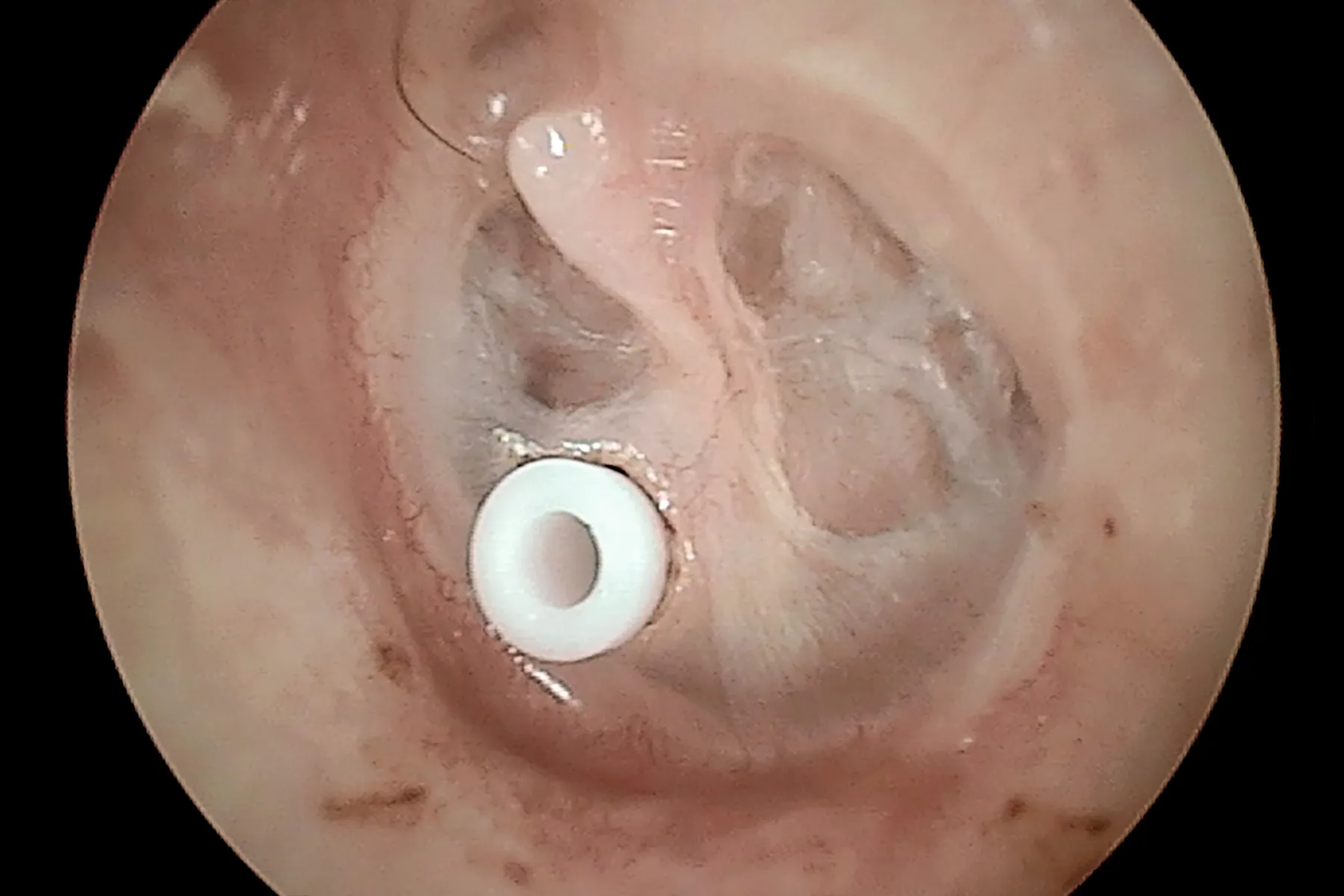
To understand what ear tubes look like, one must first appreciate the scale of micro-manufacturing. These devices are typically between 1 and 1.5 millimeters in diameter. If you were to hold one on the tip of your finger, it would look like a tiny plastic bead or a microscopic bobbin.
Size and Scale: The Power of Miniaturization
The “tech” of the ear tube is centered on its ability to fit within the tympanic membrane (the eardrum) without causing permanent structural damage. Most tubes feature a cylindrical body with a hollow core that allows for the continuous exchange of air. Because the eardrum is a delicate, vibrating tissue, the tube must be light enough to avoid interfering with hearing while being robust enough to remain in place.
Manufacturers utilize high-precision molding techniques to ensure that the internal diameter (the lumen) is consistent. Even a microscopic obstruction in the lumen can lead to a failure of the device, as surface tension from ear fluid could block the passage of air.
Shapes and Configurations: Grommets vs. T-Tubes
Ear tubes generally fall into two primary design categories: short-term “grommet” tubes and long-term “T-tubes.”
- Grommet Tubes: These look like tiny spools or bobbins. They have flanges (rims) on both ends to keep them seated in the eardrum. Because of their shape, the body’s natural healing process eventually pushes them out, usually within 6 to 18 months.
- T-Tubes: These look like a capital letter “T” with long, flexible arms at the base. The “arms” of the T are designed to be tucked under the eardrum, preventing the tube from falling out prematurely. This is a specialized design for patients who require multi-year ventilation.
Material Science: The High-Tech Composition of Ear Tubes
When examining what ear tubes look like, their color and texture are determined by the high-performance materials used in their construction. This is where chemical engineering meets surgical application. The material must be biocompatible, meaning the body’s immune system will not reject it, and it must resist “biofouling”—the buildup of bacteria and proteins.
Biocompatible Polymers: Silicone and Fluoroplastic
The most common ear tubes are made from medical-grade silicone or fluoroplastics like Teflon (PTFE).
- Silicone: These tubes are typically soft and opaque, often appearing white or blue. Silicone is favored for its flexibility, making it easier for surgeons to compress and insert through a tiny incision.
- Fluoroplastic: These tubes are more rigid and often have a smooth, slick surface. This smoothness is a technical requirement; it prevents the adhesion of earwax (cerumen) and dried fluid, which could otherwise clog the tube.
Metal Alloys and Specialized Coatings
For certain chronic cases, engineers have turned to metallurgy. Titanium tubes are increasingly popular because they are incredibly lightweight and offer superior biocompatibility. They often look like tiny, polished silver cylinders.
Beyond the base material, the “tech” of the ear tube often involves advanced coatings. Some modern tubes are coated with silver oxide or specialized antibiotics to reduce the risk of post-surgical infection. Others feature “phosphorylcholine” coatings, a biomimetic technology that mimics the surface of a human cell to “trick” the ear into believing the tube is a natural part of the body, thereby reducing inflammation.
The Evolution of Insertion Technology: From Scalpels to Integrated Delivery Systems
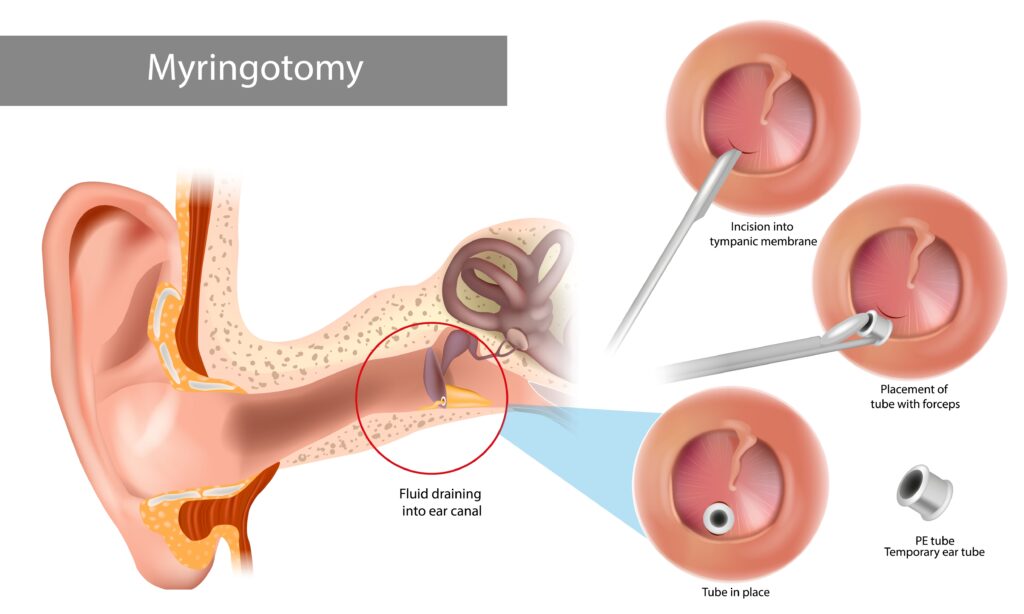
What ear tubes look like in the palm of your hand is only half the story. The technology used to deploy them is equally advanced. The procedure, known as a myringotomy, has shifted from manual freehand surgery to a high-tech, instrument-driven process.
Myringotomy and the Precision of Microsurgery
Surgeons utilize high-powered operating microscopes to visualize the eardrum. Because the working area is so small, the tools—alligators, picks, and inserters—are masterpieces of micro-engineering. The inserter often looks like a fine-tipped needle with a mechanical plunger. The tube is “pre-loaded” onto the tip, allowing the surgeon to place it with sub-millimeter accuracy.
Smart Tubes and the Future of Monitoring
As we move further into the era of the Internet of Medical Things (IoMT), the design of ear tubes is evolving. Researchers are currently developing “smart tubes” that do more than just vent air. Experimental prototypes have been designed with micro-sensors that can monitor the pressure levels in the middle ear or detect the presence of specific bacteria.
While these are not yet standard in clinical practice, the “look” of these future tubes may include micro-circuitry etched onto the flanges. This transition from passive hardware to active diagnostic technology represents the next frontier in otolaryngological tech.
Why Design Matters: The Bio-Mechanical Functionality
The visual design of an ear tube—its flanges, its lumen, and its length—is dictated by the physics of fluid dynamics. To understand why they look the way they do, we must look at how they interact with the physics of the ear.
Pressure Equalization and Fluid Dynamics
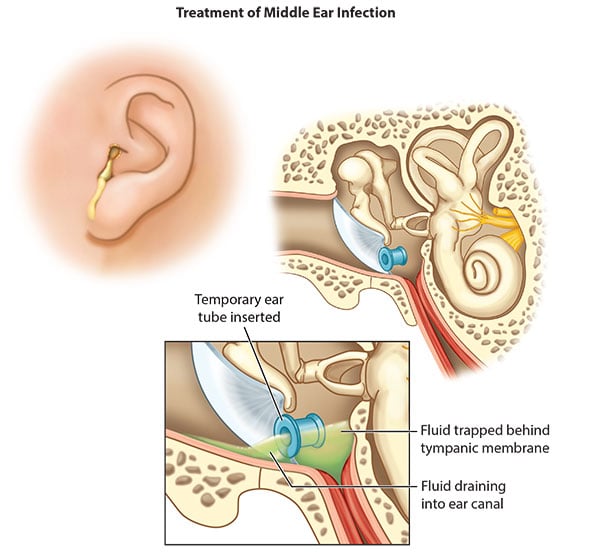
The primary function of the tube is to provide an alternative path for air. According to Boyle’s Law, for the ear to function, the pressure behind the eardrum must match the atmospheric pressure outside. If the Eustachian tube is blocked, a vacuum is created. The ear tube acts as a “bypass valve.” The diameter of the tube’s hole is calculated to allow enough airflow to equalize pressure without being so large that it allows water to easily enter the middle ear through surface tension.
Natural Extrusion vs. Long-Term Retention
The “bobbin” shape isn’t just for stability; it’s designed for a timed exit. The human eardrum is constantly migrating—skin cells grow from the center outward. As the eardrum heals the incision made for the tube, it slowly “walks” the tube out of the tissue. The specific curve of the tube’s flanges determines how long it will resist this migration. This is a perfect example of hardware designed to work with biological processes rather than against them.
Conclusion: Tiny Hardware, Massive Impact
When answering the question, “What do tubes for ears look like?” we discover a world of micro-engineering where every millimeter serves a purpose. From the choice of fluoroplastic to prevent clogging, to the spool-like shape designed for natural extrusion, ear tubes are a pinnacle of specialized medical technology.
They may look like simple, colorful bits of plastic, but they are the result of intense research into biocompatibility, fluid mechanics, and surgical precision. As tech continues to shrink, the humble ear tube remains a benchmark for how small-scale hardware can solve large-scale physiological problems, improving the quality of life for millions of people by simply allowing a little bit of air to move where it needs to go.
aViewFromTheCave is a participant in the Amazon Services LLC Associates Program, an affiliate advertising program designed to provide a means for sites to earn advertising fees by advertising and linking to Amazon.com. Amazon, the Amazon logo, AmazonSupply, and the AmazonSupply logo are trademarks of Amazon.com, Inc. or its affiliates. As an Amazon Associate we earn affiliate commissions from qualifying purchases.